

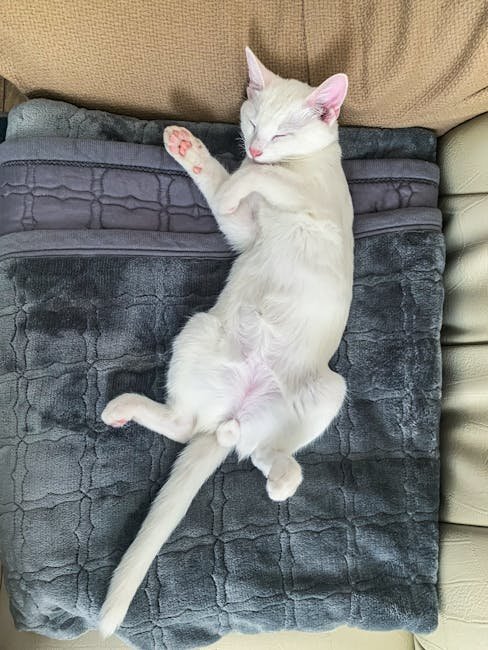
Are you curious about which cat breeds could be your lifelong companion? Choosing a cat that lives longer means more years filled with love, play, and unforgettable moments.
You’ll discover the longest lived cat breeds and what makes them special. Knowing this can help you find a furry friend who stays by your side for many happy years. Keep reading to find out which cats are known for their impressive longevity and how you can give your pet the best chance at a long, healthy life.
Factors Affecting Cat Longevity
Understanding what influences a cat’s lifespan can help you make choices that extend your furry friend’s years. Longevity isn’t just about luck; it’s shaped by several key factors that interact in complex ways. Let’s break down what really matters when it comes to keeping your cat healthy and thriving.
Genetics And Breed Traits
Genetics play a major role in how long a cat can live. Some breeds naturally have longer lifespans due to their inherited traits. For example, Siamese and Burmese cats often live into their late teens or early twenties, while larger breeds may have shorter lifespans.
Do you know your cat’s breed history? Understanding it can help you anticipate potential health issues and longevity. Certain breeds are prone to specific diseases, which can affect their overall lifespan.
Diet And Nutrition
What your cat eats daily directly impacts its health and longevity. A balanced diet rich in proteins, essential vitamins, and minerals supports vital body functions and keeps diseases at bay.
Think about the last time you checked your cat’s food label. Is it high in quality ingredients or filled with fillers? Feeding your cat premium food tailored to its age and health needs can add years to their life.
Living Environment
A cat’s surroundings affect its safety and stress levels, both of which influence lifespan. Indoor cats generally live longer than outdoor cats due to reduced risks like accidents, predators, and infections.
How safe and stimulating is your cat’s environment? Providing plenty of enrichment and a calm space reduces stress, which can otherwise weaken their immune system. Even small changes, like safe window perches or interactive toys, make a difference.
Healthcare And Veterinary Care
Regular veterinary visits catch health problems early before they become serious. Vaccinations, dental care, and parasite control are crucial steps to keep your cat in top shape.
Have you scheduled your cat’s annual check-up yet? Preventive care can identify issues like kidney disease or diabetes early, allowing for treatment that extends life. Your involvement in monitoring behavior and health changes is just as important as professional care.
Siamese Cats
Siamese cats have a striking appearance that captures attention instantly. Their sleek bodies and deep blue almond-shaped eyes make them unforgettable companions. Beyond their beauty, these cats are known for their intelligence and vocal nature, making them quite interactive pets.
Lifespan And Characteristics
Siamese cats typically live between 12 to 20 years, with many reaching their late teens. Their longevity is partly due to their robust genetics and active lifestyle. You might notice their lean bodies and short coats, which require less grooming but more playtime.
These cats are highly social and thrive on interaction. They often form strong bonds with their owners, sometimes following you from room to room. Their curious and talkative nature means they will keep you engaged daily.
Care Tips For Longevity
To help your Siamese cat live a long and healthy life, focus on balanced nutrition and regular vet visits. High-quality protein diets support their muscular build and energy needs. Avoid overfeeding, as obesity can shorten their lifespan.
- Provide daily play sessions to stimulate their mind and body.
- Maintain dental hygiene with regular brushing or dental treats.
- Keep vaccinations and parasite control up to date.
- Create a safe indoor environment to prevent accidents or illnesses.
Have you noticed how your Siamese responds to different toys or games? Tailoring activities to their preferences can boost their happiness and health. Remember, a mentally stimulated cat is often a healthier cat.
Burmese Cats
The Burmese cat is a captivating breed known for its affectionate nature and striking appearance. These cats often become beloved members of the family, forming strong bonds with their owners. Their friendly personality and playful spirit make them a joy to have around.
Lifespan And Traits
Burmese cats typically live between 16 to 18 years, with many reaching their early 20s when given proper care. Their lifespan stands out among cat breeds, making them a long-term companion you can count on.
Physically, Burmese cats have a muscular build with short, glossy coats. Their large, expressive eyes and rounded heads add to their charm. You’ll notice how they love to be involved in your daily activities and often follow you around the house.
Health Considerations
While Burmese cats are generally healthy, they can be prone to certain genetic conditions. These include craniofacial defects and heart diseases like hypertrophic cardiomyopathy (HCM).
Regular veterinary check-ups are crucial to catch any health issues early. You can also maintain their well-being by providing a balanced diet and keeping their weight in check.
Have you ever noticed how your Burmese cat reacts when you change its routine? Stress can impact their health, so consistent care and a calm environment are important for their longevity.
Russian Blue Cats
Russian Blue Cats captivate with their striking appearance and gentle nature. Known for their plush, silvery-blue coats and vivid green eyes, they stand out in any room. These cats are not only beautiful but also intelligent and affectionate. Their quiet demeanor and loyalty make them excellent companions for many households.
Longevity Stats
Russian Blue Cats are among the longest-lived cat breeds. They can live up to 15 to 20 years. Some even surpass two decades, enjoying long, healthy lives. Their longevity often depends on genetics, care, and environment.
Maintaining Health
Proper care ensures a long, happy life for your Russian Blue. Regular vet check-ups are crucial. These visits help detect issues early. A balanced diet is also essential. Provide high-quality cat food rich in nutrients. Ensure fresh water is always available.
Exercise keeps them fit and active. Engage them with toys and interactive play. Mental stimulation is vital for their well-being. A safe, clean environment contributes to their health. Keep their living space free from hazards.
Ragdoll Cats
Ragdoll cats are known for their striking blue eyes and plush, semi-long fur that feels like a soft cloud. These gentle giants are often described as affectionate and calm, making them a favorite among families and cat lovers. Their easygoing nature often leads to a strong bond with their owners, creating a special kind of companionship.
Average Lifespan
Ragdolls typically live between 12 and 15 years, which is relatively long for a cat of their size. Some Ragdolls have been reported to reach up to 17 years with proper care. Their lifespan can vary depending on genetics and overall health, so knowing their family history can be quite helpful.
Lifestyle Factors
Your Ragdoll’s lifestyle plays a big role in how long they live. Indoor living can protect them from accidents, diseases, and predators, which often leads to a longer life. Providing mental stimulation and regular playtime keeps them active and reduces stress, which benefits their health.
Nutrition is another key factor. Feeding your Ragdoll a balanced diet tailored to their age and activity level helps maintain a healthy weight and supports their immune system. Regular vet check-ups can catch issues early before they become serious.
Have you considered how your daily routine might affect your cat’s well-being? Small changes, like adding interactive toys or a cozy window perch, can improve their quality of life significantly.
Sphynx Cats
Sphynx cats stand out instantly because of their unique appearance—hairless, with large ears and wrinkled skin. But beyond their look, these cats have a lively, affectionate personality that wins many hearts. If you’re thinking about adding a Sphynx to your family, understanding their lifespan and care needs is crucial to keep them healthy and happy.
Life Expectancy
Sphynx cats generally live between 8 to 14 years, which is fairly long for a breed with such unique traits. Some have been known to reach beyond 15 years with proper care. Their lifespan can be affected by genetics and lifestyle factors, so regular vet visits and a balanced diet play a key role.
Have you noticed how some Sphynx cats seem more energetic even as they age? That’s often because their owners stay on top of health checks and maintain an active environment for them. It’s a reminder that your daily attention can directly impact your cat’s longevity.
Unique Care Needs
The lack of fur means Sphynx cats need special care to keep their skin healthy. You’ll need to bathe them regularly—usually once a week—to remove the natural oils that build up. Without fur to absorb these oils, their skin can get greasy and prone to infections.
Temperature control is another important factor. These cats feel cold easily, so you might find yourself buying cozy sweaters or setting up warm spots around your home. On the flip side, their skin can get sunburned, so outdoor time should be limited or carefully monitored.
- Clean ears weekly to avoid wax buildup
- Trim nails regularly to prevent skin scratches
- Provide a nutrient-rich diet tailored to their metabolism
- Watch for skin issues like rashes or irritation
Think about how much time you can dedicate to these care routines. Sphynx cats thrive on human interaction and grooming, so they aren’t the best choice if you want a low-maintenance pet. But if you enjoy hands-on care, their affectionate nature will reward you every day.
Maine Coon Cats
Maine Coon cats stand out not just for their impressive size and luxurious fur but also for their friendly nature and longevity. These gentle giants have a charm that makes them a favorite among cat lovers worldwide. If you’re considering a Maine Coon, understanding their lifespan and health needs can help you provide the best care possible.
Typical Lifespan
Maine Coons typically live between 12 to 15 years, which is quite long for such a large breed. Some cats even reach their late teens, especially with good care. Their lifespan can vary depending on genetics and lifestyle, so knowing what affects their longevity is essential.
Have you noticed how some Maine Coons seem to stay playful well into their senior years? That’s partly because they age slower compared to smaller cats. Keeping them active and mentally engaged helps extend their healthy years.
Health And Wellness
Maintaining your Maine Coon’s health means regular vet visits and a balanced diet tailored to their size. These cats are prone to specific issues like hypertrophic cardiomyopathy (HCM), a heart condition that can be monitored with early screening.
Joint problems such as hip dysplasia can affect their mobility. Providing joint supplements and encouraging moderate exercise can make a big difference. Have you tried interactive toys that get your Maine Coon moving without stressing their joints?
- Feed high-quality protein to support their muscular build.
- Schedule annual heart screenings to catch problems early.
- Offer a mix of playtime and rest to keep their weight in check.
Recognizing subtle signs of discomfort or illness early can improve outcomes. Your attention to these details can be the key to a longer, happier life for your Maine Coon. How do you keep your cat engaged and healthy daily?
Burmilla Cats
The Burmilla cat stands out not only for its striking appearance but also for its impressive lifespan. This breed, a beautiful mix between the Burmese and Chinchilla Persian cats, combines playful energy with a calm and affectionate nature. If you’re considering a pet that offers both companionship and longevity, the Burmilla is a breed worth knowing.
Longevity Details
Burmilla cats typically live between 12 to 16 years, with some reaching even beyond 18 years in optimal conditions. Their robust health is partly due to their mixed heritage, which tends to reduce breed-specific genetic issues.
Have you ever wondered how some cats manage to stay active and healthy well into their senior years? Burmillas often maintain a playful spirit and good mobility as they age, making them delightful lifelong companions.
Regular veterinary check-ups and a balanced diet play a crucial role in supporting their long life. Pay attention to any early signs of illness to keep your Burmilla thriving.
Care Recommendations
- Nutrition:Provide high-quality cat food rich in protein to support muscle maintenance and overall health.
- Exercise:Encourage daily playtime to keep your Burmilla physically and mentally stimulated.
- Grooming:Their short, dense coat requires weekly brushing to reduce shedding and prevent hairballs.
- Health Monitoring:Regular vet visits are essential to catch potential issues early, especially dental health and kidney function.
- Environment:Create a safe, stress-free living space with cozy spots for rest and interactive toys for engagement.
Have you noticed how your cat’s behavior changes with their environment? Burmillas respond well to consistency and affection, which can enhance their well-being and longevity.
Tips To Extend Your Cat’s Life
Ensuring a long, healthy life for your feline friend requires more than just love and attention. By implementing a few simple strategies, you can significantly enhance the quality and longevity of your cat’s life. From regular health check-ups to creating a stimulating environment, every step contributes to your cat’s well-being.
Regular Vet Visits
Consistent vet check-ups are crucial for your cat’s health. Early detection of potential issues can be lifesaving. Regular vaccinations and wellness exams can prevent diseases and keep your cat thriving.
Proper Nutrition
Feeding your cat a balanced diet is fundamental to its health. Quality cat food rich in proteins and essential nutrients can make a huge difference. Have you considered how your cat’s diet affects its energy levels and overall well-being?
Safe And Stimulating Environment
Your home should be a safe haven for your cat. Ensure there are no hazards like toxic plants or loose wires. Provide a variety of toys and scratching posts to keep them engaged and entertained.
Exercise And Mental Health
Physical activity is not just for dogs—your cat needs exercise too. Interactive play sessions can keep your cat physically fit and mentally stimulated. How often do you engage your cat in play to boost its mood and health?
Frequently Asked Questions
What Cat Breeds Live The Longest On Average?
Siamese, Burmese, and Ragdoll cats often live 15-20 years. These breeds have strong genetics and good health. Proper care also extends their lifespan significantly.
How Can I Increase My Cat’s Lifespan?
Provide a balanced diet, regular vet visits, and mental stimulation. Keep your cat indoors to avoid accidents and diseases. Proper grooming and exercise also contribute to longer life.
Are Mixed Breed Cats Longer Lived Than Purebreds?
Mixed breed cats generally have fewer genetic problems, which can lead to longer lifespans. However, lifespan varies widely based on individual health and care, regardless of breed.
What Are Common Health Issues In Long-lived Cat Breeds?
Long-lived breeds may face fewer genetic diseases but can develop obesity, dental problems, and arthritis. Regular vet checkups help detect and manage these early for a longer life.
Conclusion
Choosing a cat breed with a long life can bring many happy years. These cats often need good care and love to stay healthy. Diet, exercise, and regular vet visits help them live longer. Each breed has its own charm and personality.
Think about your home and lifestyle before picking a cat. A long-lived cat is a joyful friend for many years. Take time to learn about each breed’s needs. This way, you give your cat the best life possible.
