

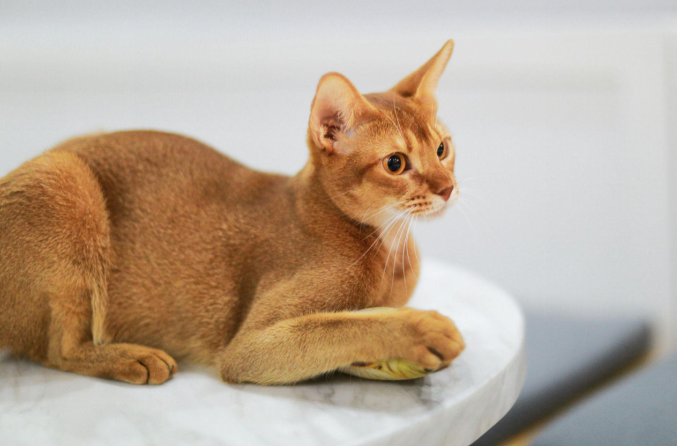
If you have an Abyssinian cat or are thinking about bringing one into your home, you need to know about the health problems they might face. Your cat’s happiness and well-being depend on spotting issues early and understanding what to watch for.
This guide will help you recognize common health concerns in Abyssinians so you can keep your furry friend healthy and thriving. Keep reading to learn what signs to look out for and how to protect your beloved pet.
Credit: wopet.com
Common Health Issues
Abyssinian cats are known for their playful nature and striking appearance, but like all breeds, they can face specific health challenges. Understanding the common health issues helps you provide better care and catch problems early. Let’s look at some of the most frequent concerns Abyssinian owners might encounter.
Genetic Disorders
Abyssinians are prone to certain inherited conditions due to their genetic makeup. One notable disorder is pyruvate kinase deficiency, which affects red blood cells and can lead to anemia.
Regular veterinary check-ups and genetic testing can help detect these issues early. Have you ever wondered if your cat’s playful behavior might mask an underlying genetic condition?
Dental Problems
Dental health is often overlooked, but Abyssinians can suffer from gum disease and tooth decay. Their sharp teeth need regular cleaning to prevent pain and infections.
Brushing your cat’s teeth and scheduling professional cleanings can make a huge difference. Could your cat’s bad breath be a sign that dental care needs more attention?
Respiratory Conditions
Some Abyssinians experience respiratory issues like asthma or bronchitis. These conditions can cause coughing, wheezing, or difficulty breathing.
Keeping your home smoke-free and reducing dust can help minimize these risks. How well do you know the signs that your cat might be struggling to breathe?
Kidney Disease
Kidney disease is common in older Abyssinians and can develop gradually. Symptoms include increased thirst, frequent urination, and weight loss.
Early detection through blood tests can slow its progression. Are you monitoring your cat’s water intake and litter box habits closely enough to catch subtle changes?

Credit: www.outdoorbengal.com
Signs To Watch For
Knowing the early signs of health problems in your Abyssinian cat can make a big difference. These cats are usually active and curious, so any change in their usual behavior or habits should catch your attention. Spotting these signs early helps you act fast and get your feline friend the care they need.
Behavioral Changes
Have you noticed your Abyssinian becoming unusually quiet or hiding more than usual? These cats are social and playful, so a sudden withdrawal can signal discomfort or illness. Watch for increased aggression, irritability, or lethargy—these shifts often point to health issues.
Think about your cat’s normal routine. Is your Abyssinian less interested in toys or human interaction? Changes like these might mean pain, stress, or an underlying condition that needs a vet’s attention.
Physical Symptoms
Physical signs can be subtle but telling. Look for changes in your cat’s coat—dullness or excessive shedding can indicate skin problems or nutritional deficiencies. Swelling, lumps, or wounds should never be ignored.
Also, check your Abyssinian’s eyes, ears, and nose regularly. Discharge, redness, or unusual odors can hint at infections. Limping or stiffness, especially after playtime, might suggest joint or muscle issues.
Eating And Drinking Habits
A sudden change in appetite or thirst is a major red flag. If your Abyssinian eats less or refuses food, it could be a sign of dental pain, digestive trouble, or other illnesses. On the other hand, increased drinking and urination may point to diabetes or kidney problems.
Monitor how your cat approaches mealtime. Is your Abyssinian pawing at the mouth or dropping food? These subtle clues often reveal oral discomfort. Keeping an eye on these habits helps you catch problems before they worsen.
Preventive Care
Preventive care plays a crucial role in keeping your Abyssinian cat healthy and happy. Taking proactive steps helps catch potential health issues early and reduces the risk of serious problems. By staying on top of your cat’s health needs, you ensure a longer, more vibrant life for your furry friend.
Regular Vet Visits
Scheduling regular vet check-ups is essential. These visits allow the vet to monitor your cat’s weight, teeth, and overall condition. Early detection of issues like kidney problems or dental disease can make a big difference in treatment success.
Have you noticed your Abyssinian acting differently or eating less? Don’t wait—bring those concerns to your vet. Consistent check-ups give you peace of mind and your cat the best chance to thrive.
Vaccinations
Vaccinations protect your cat from dangerous diseases such as feline leukemia, rabies, and distemper. Your vet will recommend a vaccination schedule based on your cat’s lifestyle and risk factors.
Missing vaccines can leave your Abyssinian vulnerable. Think about how much you rely on vaccines to keep yourself safe—your cat deserves the same protection.
Parasite Control
Parasites like fleas, ticks, and worms can cause discomfort and serious health problems. Regular parasite control through medications and preventive treatments keeps your cat free from these threats.
Have you checked your cat’s fur for tiny, moving pests lately? Even indoor cats can get parasites. Staying vigilant with parasite control is a simple way to avoid complicated treatments down the road.
Diet And Nutrition
Proper diet and nutrition play a key role in keeping Abyssinian cats healthy. Their active nature and lean bodies need the right fuel to stay strong. A well-planned diet supports their energy, coat, and overall wellbeing.
Balanced Diet Needs
Abyssinians require high protein from animal sources. Protein helps build muscles and maintain energy. Healthy fats support their shiny coat and skin health. Carbohydrates should be limited but can provide quick energy. Include vitamins and minerals like taurine, vitamin E, and zinc for strong immunity.
Feeding a mix of wet and dry food keeps them hydrated and helps dental health. Fresh water must always be available to prevent dehydration.
Foods To Avoid
- Onions, garlic, and chives – toxic to cats
- Chocolate and caffeine – harmful to their nervous system
- Raw dough – can cause digestive problems
- Grapes and raisins – may lead to kidney damage
- Dairy products – many cats are lactose intolerant
- Excessive treats – can cause obesity and imbalance
Supplements
Supplements should support, not replace, a balanced diet. Omega-3 fatty acids help reduce inflammation and improve coat quality. Probiotics aid digestion and boost gut health. Consult a vet before adding supplements to avoid overdosing.
Exercise And Enrichment
Abyssinian cats are known for their lively and curious nature. Exercise and enrichment play a big role in keeping them healthy. These cats need both physical activity and mental challenges to stay happy. Without enough stimulation, they may become bored or develop health issues. Providing the right environment helps maintain their strong bodies and sharp minds.
Activity Requirements
Abyssinians are very active cats. They need daily exercise to burn off energy. Play sessions should last at least 20-30 minutes. Multiple short bursts of activity throughout the day work best. Activities like climbing, chasing, and jumping satisfy their natural instincts. Providing cat trees and climbing shelves supports their need to move and explore.
Mental Stimulation
These cats are smart and enjoy problem-solving. Toys that challenge their brains keep them engaged. Puzzle feeders and treat-dispensing toys encourage thinking. Regular interaction with owners also stimulates their minds. Training sessions with simple commands can improve mental sharpness. Variety in toys and games prevents boredom and keeps them curious.
Safe Play Environment
Safety is important during all playtime. Remove small objects that can be swallowed. Check toys for loose parts or sharp edges. Create a space free from hazards like wires or toxic plants. Supervised outdoor play in a secure area can add excitement. A safe environment lets Abyssinians explore freely without risk.
Grooming Tips
Keeping your Abyssinian cat healthy goes beyond just diet and vet visits. Grooming plays a crucial role in preventing many common health issues. Regular care not only keeps your cat looking sharp but also helps you spot problems early.
Coat Care
The Abyssinian’s short, fine coat is surprisingly easy to maintain with regular brushing. Use a soft-bristle brush to remove loose hair and dirt, which reduces shedding and prevents hairballs.
Try brushing your cat a few times a week—this keeps the skin healthy by distributing natural oils evenly. Have you noticed how your cat’s coat shines after a gentle grooming session? That’s a sign of good health.
Nail Trimming
Overgrown nails can cause discomfort and even lead to infections if they curl into the paw pads. Trim your Abyssinian’s nails every two to three weeks using a proper pet nail clipper.
Be cautious to avoid cutting the quick, which is the sensitive part inside the nail. If you’re unsure, use a nail grinder or seek help from a professional groomer. Regular trimming helps your cat move comfortably and prevents accidental scratches.
Ear Cleaning
Abyssinians have relatively clean ears, but dust and wax buildup can still occur. Check their ears weekly for redness, odor, or excessive wax, which might indicate infection.
Use a vet-recommended ear cleaner and a soft cotton ball to gently wipe the outer ear. Never insert anything deep into the ear canal. Maintaining clean ears reduces the risk of painful ear infections.

Credit: purebredkitties.com
Frequently Asked Questions
What Are Common Health Problems In Abyssinian Cats?
Abyssinian cats often face issues like periodontal disease, patellar luxation, and renal amyloidosis. Regular vet visits help detect these early. Proper dental care and a balanced diet can reduce risks and improve their quality of life.
How Can I Prevent Abyssinian Cat Health Issues?
Prevent Abyssinian cat health problems with routine vet check-ups, balanced nutrition, and dental hygiene. Keeping their environment clean and stress-free also supports good health. Early detection and vaccination are key to prevention.
Are Abyssinian Cats Prone To Genetic Diseases?
Yes, Abyssinians are prone to genetic disorders like pyruvate kinase deficiency and progressive retinal atrophy. Responsible breeding reduces these risks. Genetic testing is recommended before adopting or breeding Abyssinian cats.
What Signs Indicate Health Problems In Abyssinian Cats?
Watch for symptoms like lethargy, loss of appetite, weight loss, and unusual behavior. Dental issues may cause bad breath or drooling. Early veterinary consultation ensures timely diagnosis and treatment.
Conclusion
Abyssinian cats can face certain health problems. Knowing these issues helps you care for your pet better. Regular vet visits keep your cat healthy and happy. Watch for signs of illness and act quickly. Good food and exercise support your cat’s well-being.
Loving care makes a big difference in their life. Keep learning about your Abyssinian’s needs every day. Healthy cats mean joyful moments for you and your pet.
