

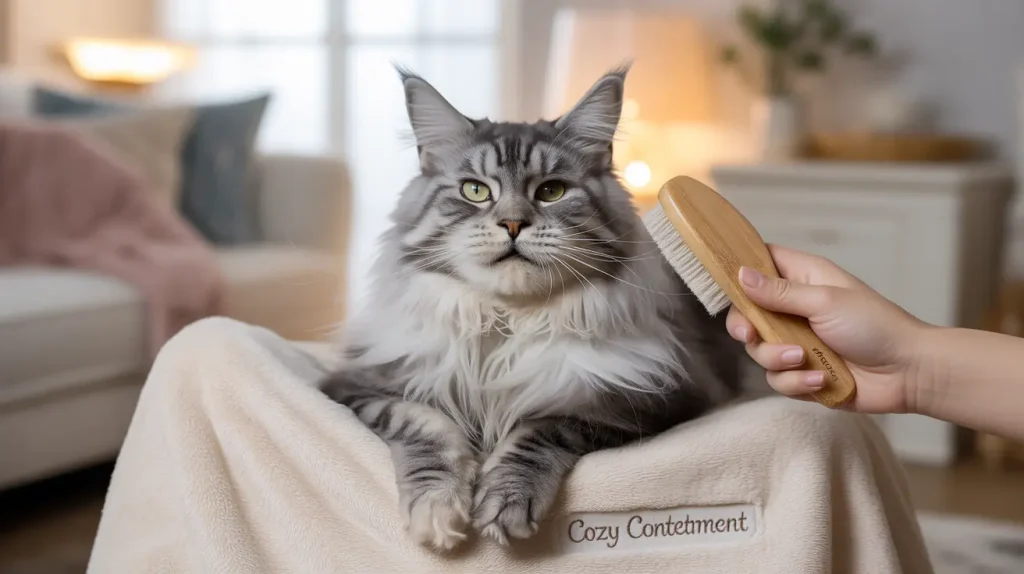
If your cat hates being groomed, you know how tricky and stressful it can be for both of you. But keeping your cat clean and healthy is important, and there are ways to make grooming easier and less stressful.
You’ll discover simple, practical tips that will help you calm your cat, avoid scratches, and make grooming a smoother experience. By the end, you’ll feel confident and ready to turn grooming time into a moment you and your cat can both tolerate—even enjoy.
Keep reading to learn how to groom a cat that hates it without the usual struggle.
Reasons Cats Resist Grooming
Cats often resist grooming for many reasons. Understanding these reasons helps in making grooming easier. Some cats feel stressed or scared during grooming. Others might not like the tools or the touch. Health problems can also cause discomfort, making cats avoid grooming sessions.
Common Triggers
- Loud noises from brushes or clippers scare cats.
- Sudden movements can startle them.
- Unfamiliar smells on grooming tools may cause anxiety.
- Touching sensitive areas like paws or belly can upset cats.
- Long grooming sessions tire them quickly.
Breed And Personality Factors
Some breeds have thick or long fur that needs more care. Cats with thick fur may find grooming uncomfortable. Shy or nervous cats dislike new experiences. Dominant cats may resist being handled. Each cat’s personality changes how they react to grooming.
Health-related Issues
- Pain from arthritis or injuries makes grooming painful.
- Skin infections or allergies cause sensitivity.
- Dental problems can make cats irritable during grooming.
- Obesity limits their movement, increasing discomfort.
- Older cats may have reduced tolerance for grooming.
Preparing Your Cat For Grooming
Preparing your cat for grooming helps reduce stress and makes the process smoother. Cats that dislike grooming need extra care and patience. Setting the right mood and using proper tools can make a big difference. Establishing a routine also helps your cat get used to grooming over time.
Creating A Calm Environment
Choose a quiet place where your cat feels safe. Remove loud noises and distractions. Soft lighting can help your cat relax. Use a comfortable surface like a towel or mat. Speak softly to soothe your cat during grooming.
Choosing The Right Tools
Select grooming tools that suit your cat’s fur type. Use brushes with gentle bristles for sensitive skin. Avoid sharp or harsh combs. Keep nail clippers designed for cats nearby. Clean your tools before and after each use.
Timing And Routine
Pick a time when your cat is calm or sleepy. Short sessions work better than long ones. Groom regularly to build trust and habit. Watch your cat’s mood and stop if stressed. Consistency helps your cat accept grooming over time.
Techniques To Ease Grooming Stress
Grooming a cat that dislikes the process can cause stress for both pet and owner. Using gentle techniques helps make grooming calmer and safer. Small changes in handling and routine can reduce fear and resistance. This section explains how to ease grooming stress with simple, kind actions.
Gentle Handling Methods
Hold your cat softly but securely. Avoid sudden movements that may scare it. Use a calm voice to soothe your cat during grooming. Support its body fully to help it feel safe. Stay patient and move slowly to prevent panic. Let the cat explore the brush or comb before using it.
Using Treats And Positive Reinforcement
Offer small treats during and after grooming sessions. Praise your cat with gentle words and pets. Use treats that your cat loves to create a positive link. This reward system makes grooming less stressful over time. Keep treats ready to keep your cat calm and happy.
Breaking Grooming Into Short Sessions
Divide grooming into multiple short sessions instead of one long one. This avoids overwhelming your cat and helps build tolerance. Stop before your cat becomes anxious or restless. Gradually increase session length as your cat gets used to grooming. Short breaks help your cat relax and enjoy the process.

Credit: m.youtube.com
Alternative Grooming Options
Not every cat enjoys grooming, and some can become quite stressed during the process. Luckily, there are alternative ways to keep your cat clean and comfortable without causing a battle. These options can help you maintain your cat’s coat health while respecting their boundaries.
Professional Groomers
Professional groomers have experience handling cats that dislike grooming. They use gentle techniques and specialized tools that can make the session quicker and less stressful. Hiring a groomer might feel like a splurge, but it can save you and your cat a lot of frustration.
Think about how a groomer’s calm approach could change your cat’s attitude toward grooming. Could a fresh perspective help your cat feel more at ease?
Waterless Shampoo And Wipes
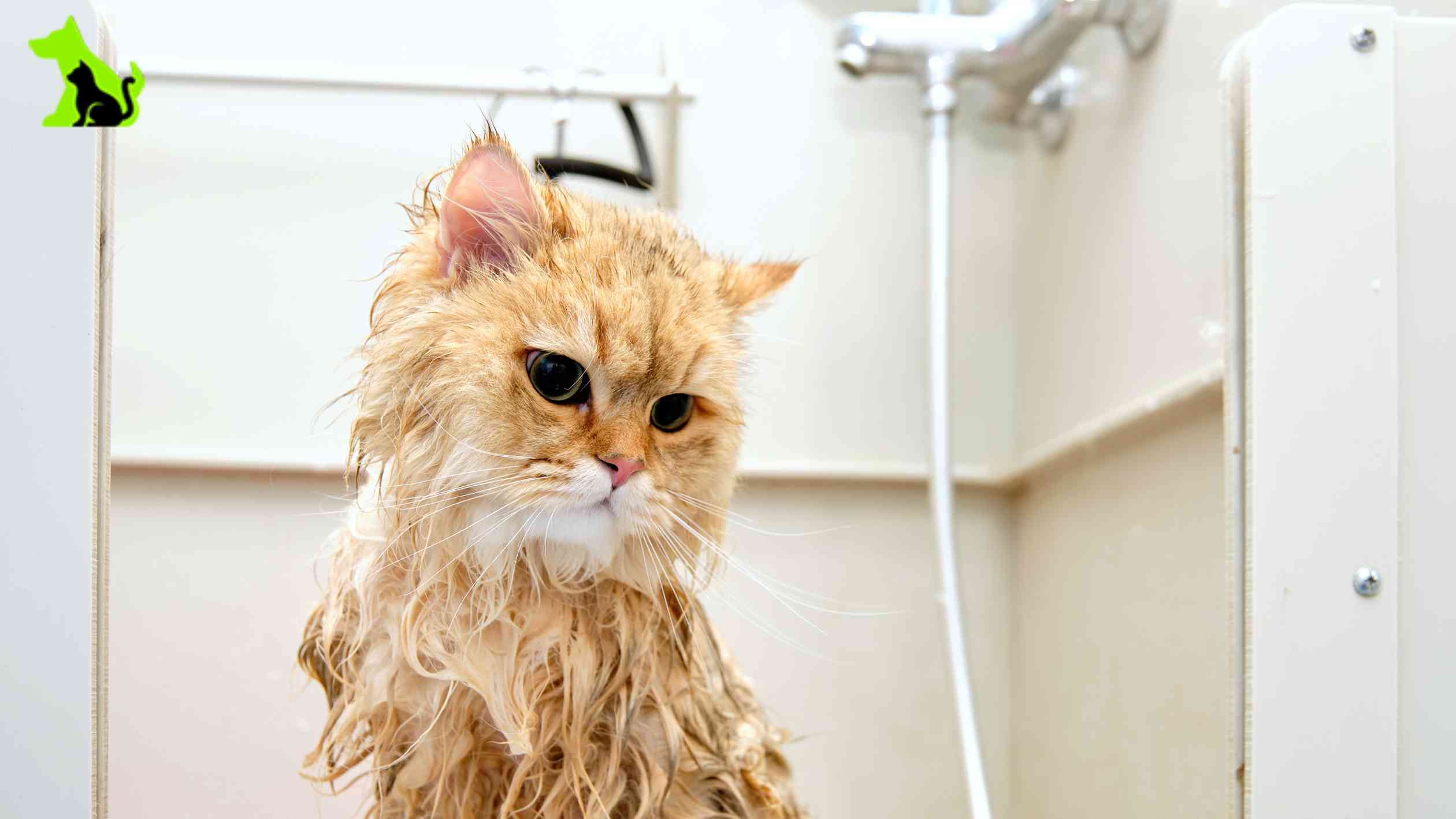
Waterless shampoos and pet wipes offer a quick way to clean your cat without the hassle of a full bath. These products remove dirt and odors effectively while being gentle on sensitive skin. They are especially useful for spot cleaning or for cats that panic near water.
Try using wipes after your cat’s outdoor adventures or between regular grooming sessions. How could these tools fit into your current grooming routine?
Regular Vet Checks For Skin And Coat
Regular visits to the vet can catch skin problems early before they become painful or uncomfortable. Your vet can recommend treatments or supplements to improve your cat’s coat quality. Healthy skin often means less shedding and fewer mats.
Could a simple vet check-up be the key to reducing grooming difficulties? Pay attention to your cat’s skin and coat health as part of your grooming strategy.
Dealing With Specific Grooming Challenges
Grooming a cat that dislikes the process can feel like a battle. Each task comes with its own set of hurdles that test your patience and creativity. By tackling these specific challenges with care and strategy, you can make grooming less stressful for both you and your feline friend.
Managing Matted Fur
Matted fur causes discomfort and can lead to skin problems if left untreated. Start by gently feeling your cat’s coat to identify the worst tangles. Use a wide-tooth comb or a mat splitter to carefully work through the mats, holding the fur close to the skin to avoid pulling.
If your cat becomes anxious, pause and offer a treat or soft praise. Sometimes breaking the session into short intervals helps your cat stay calm. Have you noticed which spots your cat tends to mat more? Focusing on these areas regularly can prevent serious tangles.
Handling Nail Trimming
Nail trimming often triggers fear in cats, but you can reduce this with the right approach. Hold your cat in your lap or wrap them snugly in a towel to keep them secure without squeezing. Use sharp, cat-specific nail clippers and trim only the sharp tip to avoid the sensitive quick.
Distract your cat with gentle petting or a favorite toy during the process. Some cats respond well to having their paws massaged first to relax them. Have you tried trimming nails after a nap when your cat is naturally more relaxed?
Cleaning Ears And Eyes Safely
Cleaning your cat’s ears and eyes requires a delicate touch and proper tools. Use a soft, damp cloth or cotton ball moistened with vet-approved solution for wiping away dirt or discharge. Never insert anything deep into the ear canal; just clean the outer part gently.
For the eyes, wipe from the inner corner outward with a separate clean cloth to avoid spreading potential infection. If you see redness, swelling, or excessive discharge, consult your vet promptly. How often do you check your cat’s ears and eyes? Regular inspections catch problems early.
Credit: hellopetsinc.com

Credit: baileybrush.com
Frequently Asked Questions
How Can I Calm My Cat Before Grooming?
Use a gentle voice and slow movements to soothe your cat. Offer treats and play to create a positive association. A calm environment reduces stress and makes grooming easier for both you and your cat.
What Tools Are Best For Grooming A Resistant Cat?
Use soft brushes, rubber grooming gloves, or fine-toothed combs. These tools are gentle on the skin and effective at removing loose fur. Choose the right size for your cat to ensure comfort during grooming.
How Often Should I Groom A Cat That Hates It?
Aim for short grooming sessions two to three times a week. Frequent, brief sessions help your cat adjust gradually without causing stress. Regular grooming prevents matting and keeps your cat’s coat healthy.
How Do I Handle A Cat That Scratches During Grooming?
Wear protective gloves and stay calm to avoid escalating stress. Use distraction techniques like treats or toys to redirect their attention. Stop if your cat becomes too aggressive and try again later.
Conclusion
Grooming a cat that dislikes it can be challenging, but it’s doable. Patience is key. Start with short grooming sessions. Reward your cat with treats. Use gentle, soothing words. Choose a calm time when your cat is relaxed. Always use the right tools for grooming.
Be consistent with your routine. This builds trust over time. Keep the environment quiet and stress-free. Never force your cat during grooming. Respect their boundaries. Gradually, your cat will adapt. Their comfort and happiness are most important. Your bond will strengthen as you care for them gently.
