


Have you ever wondered if a CAT scan will be covered by your insurance? Facing medical tests can be stressful, especially when you’re unsure about the costs.
Knowing whether your insurance will cover a CAT scan can save you from unexpected bills and help you focus on your health. You’ll discover exactly what factors affect coverage, how to check your benefits, and what to do if your insurance says no.
Keep reading to take control of your healthcare expenses and avoid surprises.
How Cat Scans Work
Understanding how CAT scans work can help you feel more comfortable if you ever need one. These scans provide detailed images of your body, helping doctors diagnose problems quickly and accurately. Let’s break down the technology behind CAT scans and the common reasons they are used.
Technology Behind Cat Scans
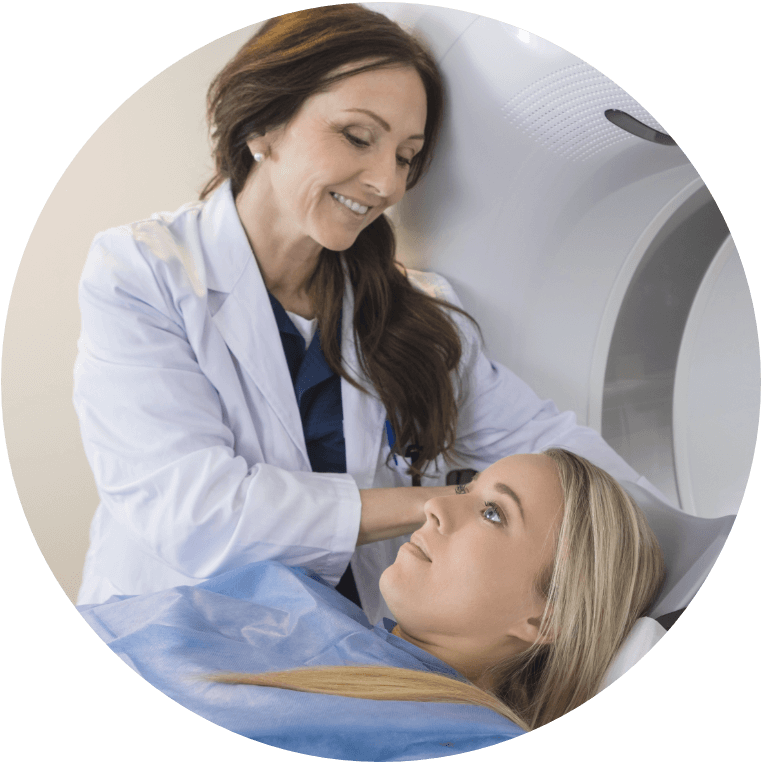
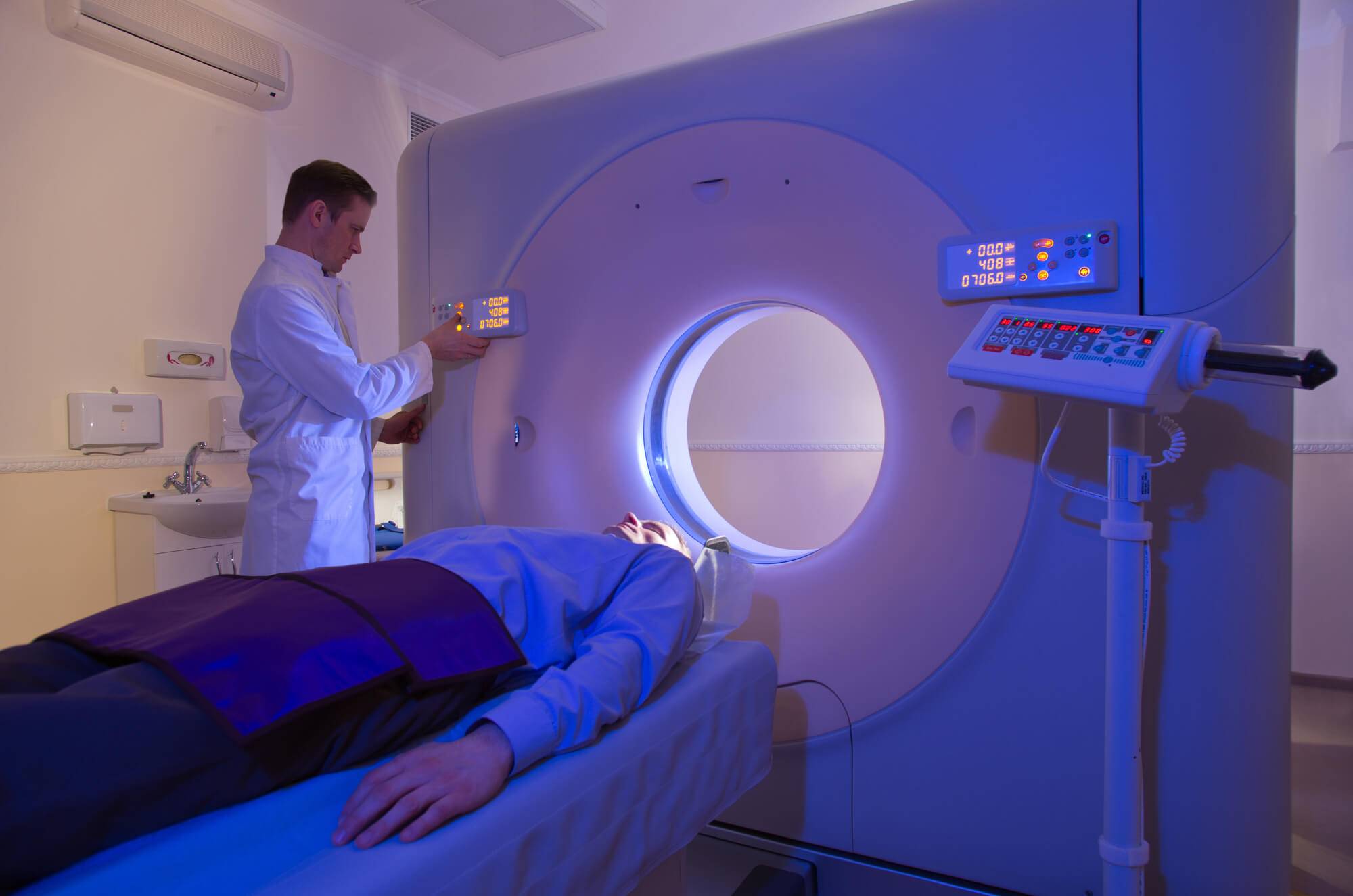
CAT scans, also called CT scans, use X-ray technology combined with computer processing to create cross-sectional images of your body. The scanner rotates around you, capturing multiple images from different angles. These images are then compiled by a computer to form a detailed 3D picture of your organs, bones, and tissues.
The process is fast and painless, usually taking just a few minutes. During the scan, you lie still on a table that moves through a large, doughnut-shaped machine. Sometimes, a contrast dye is used to highlight certain areas, making it easier to spot abnormalities.
Common Medical Uses
Doctors rely on CAT scans for many reasons because they provide more detail than regular X-rays. They are often used to detect injuries, such as broken bones or internal bleeding, especially after accidents.
CAT scans also help diagnose diseases like cancer by showing the size and exact location of tumors. They assist in planning surgeries or radiation treatments and monitor how well your body responds to therapy.
- Identifying lung infections or blood clots
- Checking for heart problems
- Guiding biopsies and other minimally invasive procedures
Have you ever wondered how doctors can see inside your body without surgery? CAT scans offer a practical answer by giving a clear, detailed view that guides effective treatment.
Credit: proscan.com
Insurance Coverage Basics
Understanding the basics of insurance coverage can help you navigate whether a CAT scan will be paid for by your plan. Insurance policies vary widely, and knowing the fundamental elements can save you from unexpected expenses. Let’s break down what influences coverage for CAT scans and how you can prepare.
Types Of Insurance Plans
Your insurance type plays a huge role in what medical procedures are covered. Common plans include:
- Health Maintenance Organization (HMO):Requires you to use a network of doctors and hospitals. Usually needs a referral for a CAT scan.
- Preferred Provider Organization (PPO):Offers more flexibility to see specialists without referrals but often at a higher cost.
- Medicare and Medicaid:Government programs with specific rules on coverage and approvals.
Think about your last medical test—did your insurance require pre-approval or a referral? That experience often reflects your plan’s approach to coverage.
Coverage Criteria
Insurance companies don’t cover CAT scans automatically. They look at:
- Medical necessity:Your doctor must justify why the scan is needed.
- Pre-authorization:Some plans require approval before you get the scan.
- Frequency limits:There may be caps on how often you can get a scan within a set period.
Have you ever faced a denied claim? It’s usually because one of these criteria wasn’t met. Always check with your insurer and doctor before scheduling to avoid surprises.
Factors Affecting Coverage
Understanding what affects insurance coverage for cat scans helps avoid surprises. Coverage depends on several key factors set by your insurance plan. These rules decide if your scan is fully covered, partially covered, or denied.
Knowing these factors helps you prepare and plan for medical costs. It also guides you in talking with your doctor and insurance company. Below are the main elements that impact coverage for cat scans.
Medical Necessity
Insurance companies usually cover cat scans only if they are medically necessary. Your doctor must prove the scan is needed to diagnose or treat a health problem. Routine or non-essential scans often do not qualify for coverage. Your insurer may ask for medical records or test results to confirm necessity.
Pre-authorization Requirements
Many insurance plans require pre-authorization before you get a cat scan. This means you or your doctor must get approval from the insurer first. Without pre-authorization, the insurance may refuse to pay for the scan. Getting approval ensures the test fits your plan’s rules and saves you from unexpected bills.
Out-of-network Considerations
Insurance plans usually cover cat scans done by in-network providers at a higher rate. Using out-of-network facilities can lead to higher costs or no coverage at all. Always check if the imaging center or hospital is in your network. Staying in-network protects you from extra charges and simplifies the claim process.
Costs And Out-of-pocket Expenses
Understanding the costs and out-of-pocket expenses for a CAT scan is important. Insurance coverage can reduce your bills but some costs may still apply. Knowing these expenses helps you prepare financially.
Insurance plans often require you to pay certain amounts before full coverage begins. These payments include deductibles and co-pays.
Deductibles And Co-pays
A deductible is the amount you pay before insurance covers the rest. For example, if your deductible is $500, you pay the first $500 of your CAT scan bill.
Co-pays are fixed fees you pay each time you get a service. A typical co-pay for a CAT scan might be $30 to $100. This fee is due even after meeting your deductible.
Both deductibles and co-pays vary by insurance plans. Check your plan details to know your exact costs.
Impact Of In-network Providers
Using in-network providers usually lowers your out-of-pocket costs. Insurance companies have agreements with these providers to offer lower prices.
Out-of-network providers may charge more, and insurance covers less or nothing. This means higher bills for you.
Always confirm if the imaging center or hospital is in-network before scheduling your CAT scan.
Tips For Navigating Insurance
Dealing with insurance for a CAT scan can feel overwhelming. But understanding a few key tips can make the process smoother and less stressful. Taking control early can save you time, money, and confusion down the line.
Verifying Coverage Before The Scan
Before scheduling your CAT scan, call your insurance provider to confirm if the procedure is covered under your plan. Ask about any prerequisites like referrals or prior authorizations, which are often required.
Don’t hesitate to write down the details from your conversation, including the representative’s name and confirmation numbers. This can be a lifesaver if you face issues later. Remember, your proactive approach can prevent unexpected bills.
Appealing Denied Claims
If your insurance denies coverage for the CAT scan, don’t give up immediately. Review the denial letter carefully to understand the reason behind it. Sometimes, the denial is due to missing paperwork or coding errors.
Gather all relevant documents such as your doctor’s notes, referral letters, and the denial notice. Then, submit a formal appeal. Be clear, concise, and include any additional information that supports the medical necessity of the scan.
Have you ever successfully appealed an insurance claim? Sharing your experience might encourage others to keep fighting for their coverage.
Credit: familyfirster.com
Alternatives To Cat Scans
Cat scans provide detailed images but are not the only option. Alternatives exist that may suit different medical needs and insurance plans. Choosing the right imaging test depends on the condition, cost, and coverage. Knowing other options can help patients discuss choices with doctors and insurance providers.
Other Imaging Options
- MRI (Magnetic Resonance Imaging):Uses magnets and radio waves to create images without radiation.
- X-rays:Simple, quick images often used for bones and chest issues.
- Ultrasound:Uses sound waves to view soft tissues and organs, commonly in pregnancy or abdomen scans.
- PET Scan (Positron Emission Tomography):Shows metabolic activity, often used in cancer diagnosis.
- Fluoroscopy:Real-time moving images, helpful in guiding procedures.
When To Consider Alternatives
Doctors may suggest alternatives if a cat scan is too costly or not covered by insurance. Some patients cannot have cat scans due to allergies or health risks linked to contrast dye. Alternatives might be better for repeated imaging because they use less or no radiation. Imaging choice depends on symptoms, urgency, and what the doctor needs to see. Discussing options with your healthcare provider ensures the best test for your situation and budget.
Credit: blog.orthoindy.com
Frequently Asked Questions
Are Cat Scans Usually Covered By Health Insurance?
Most health insurance plans cover CAT scans if medically necessary. Coverage depends on your specific policy and provider. Always verify with your insurer before the scan to avoid unexpected costs. Pre-authorization may be required in some cases for coverage approval.
What Factors Affect Insurance Coverage For Cat Scans?
Insurance coverage varies based on the policy type, medical necessity, and provider network. Some plans may cover only in-network facilities. Your deductible and copay also impact out-of-pocket costs. Checking your plan details helps clarify coverage before scheduling a CAT scan.
Do Insurance Plans Require Pre-approval For Cat Scans?
Many insurance plans require pre-authorization to cover CAT scans. This ensures the scan is medically necessary and cost-effective. Without approval, you might face higher bills. Contact your insurer or healthcare provider to confirm if pre-approval is needed.
Will My Insurance Cover Cat Scans For Emergency Situations?
Insurance generally covers CAT scans during emergencies if deemed necessary by medical professionals. Emergency scans often bypass pre-authorization due to urgent care needs. Always review your policy for specific emergency coverage terms to avoid surprises.
Conclusion
Understanding insurance coverage for cat scans helps avoid surprise costs. Most insurance plans cover these scans if doctors find them necessary. Always check your policy details or call your provider before the scan. This step saves money and reduces stress.
Remember, knowing your benefits lets you focus on your health. Stay informed, ask questions, and get the care you need with confidence.
