

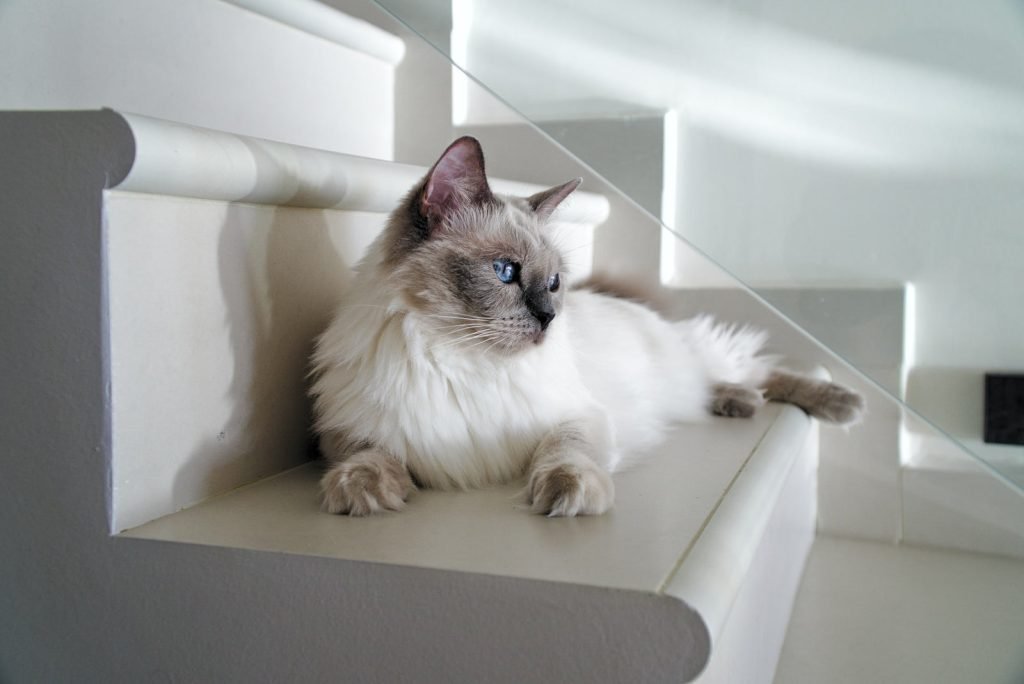
If you have a Ragdoll cat or are thinking about getting one, it’s important to know about the health problems they might face. Understanding these issues can help you keep your furry friend happy and healthy for years to come.
You’ll discover the common health concerns in Ragdolls and learn how to spot warning signs early. By the end, you’ll feel more confident in caring for your cat and giving them the best life possible. Keep reading to protect your beloved pet from hidden health risks.
Common Health Issues
Ragdoll cats are known for their gentle nature and striking appearance, but like all breeds, they face specific health challenges. Being aware of these common health issues helps you catch problems early and provide the best care possible. Understanding what to watch for can make a significant difference in your cat’s quality of life.
Hypertrophic Cardiomyopathy
Hypertrophic Cardiomyopathy (HCM) is a heart condition where the walls of the heart thicken, making it harder for the heart to pump blood. This disease can be silent for a long time, so regular veterinary check-ups are crucial. You might notice your cat becoming tired easily or having trouble breathing during play, which are signs you shouldn’t ignore.
Genetic testing is available for Ragdolls, and it’s worth considering if you want to be proactive. Early diagnosis can help manage symptoms and extend your cat’s life. Have you observed any unusual lethargy or breathing issues in your Ragdoll lately?
Polycystic Kidney Disease
Polycystic Kidney Disease (PKD) causes cysts to form in the kidneys, leading to kidney failure over time. This condition can develop without obvious symptoms until it’s quite advanced, which makes regular screenings essential. If your cat drinks more water than usual or urinates more frequently, these could be warning signs.
Keeping track of your cat’s hydration habits and appetite can alert you to problems early. Discussing kidney function tests with your vet can save your Ragdoll from serious complications. How closely do you monitor your cat’s daily water intake?
Bladder Stones
Bladder stones are solid mineral formations that can cause pain and difficulty urinating in cats. Ragdolls may be prone to this issue, and symptoms often include frequent trips to the litter box or blood in the urine. If you notice your cat straining or vocalizing while urinating, seek veterinary care immediately.
A diet formulated to prevent stone formation can be a powerful preventive step. Ensuring your cat drinks plenty of water helps keep their urinary tract healthy. Have you checked if your cat’s diet supports urinary health?
Feline Infectious Peritonitis
Feline Infectious Peritonitis (FIP) is a serious viral disease that affects some cats exposed to the feline coronavirus. It’s challenging to diagnose and often fatal, making prevention critical. Watch for signs like weight loss, fever, and abdominal swelling as early warning signals.
Keeping your Ragdoll’s living area clean and minimizing stress can reduce the risk of infection. Vaccination options are limited, so early detection and supportive care are key. What steps are you taking to protect your cat from contagious diseases?

Credit: felinefancy.co.uk
Genetic Factors
Genetic factors play a significant role in the health of Ragdoll cats. These beautiful felines are prone to certain inherited conditions that can affect their quality of life. Understanding these genetic influences helps you provide better care and make informed decisions about your pet’s wellbeing.
Inherited Disorders
Ragdolls are known to carry specific inherited disorders, some of which can be serious. One common example is hypertrophic cardiomyopathy (HCM), a heart condition that thickens the heart muscle and can lead to heart failure. This disorder often shows no symptoms until it becomes severe, making early awareness crucial.
Another inherited issue is polycystic kidney disease (PKD), which causes fluid-filled cysts to develop in the kidneys. PKD can lead to kidney failure over time, affecting your cat’s overall health and longevity.
Recognizing these risks helps you monitor your cat closely and consult your vet promptly if symptoms appear. Do you know if your Ragdoll’s lineage has a history of these conditions?
Importance Of Genetic Testing
Genetic testing is a powerful tool that can reveal whether your Ragdoll carries genes for inherited disorders. This knowledge allows you to take proactive steps, such as scheduling regular health screenings or adjusting your cat’s lifestyle to reduce risks.
Breeders who perform genetic testing can help reduce the spread of these conditions by selecting healthy breeding pairs. As a cat owner, insisting on genetic test results before adopting can save you from future heartache and expensive vet bills.
Have you considered genetic testing for your Ragdoll? It might feel like an extra step, but it can make a huge difference in your cat’s health journey.
Symptoms To Watch
Recognizing symptoms early in your Ragdoll cat can make a huge difference in their health and happiness. Cats often hide discomfort well, so spotting subtle signs is key. Pay close attention to changes that could indicate underlying health issues.
Behavioral Changes
Your Ragdoll’s usual personality can tell you a lot about their wellbeing. If your cat becomes unusually withdrawn or hides more than normal, it might signal pain or illness.
Look for shifts like increased irritability or aggression. A once playful cat that suddenly loses interest in toys or interaction might be struggling with discomfort.
Also, watch for changes in eating or drinking habits. Eating less or drinking excessively could point to problems like dental issues or kidney disease.
Physical Signs
Physical symptoms often accompany behavioral changes and should not be ignored. Check your cat’s coat and skin regularly. Dull fur or excessive grooming in one spot can indicate skin problems or allergies.
Notice any limping or stiffness when your cat moves. These could be signs of arthritis or injury.
Other red flags include:
- Difficulty breathing or coughing
- Frequent vomiting or diarrhea
- Swelling or lumps on the body
- Changes in eye appearance, like redness or discharge
Have you ever caught a small change in your cat’s routine that turned out to be a health issue? Your attention could help your Ragdoll live a longer, healthier life.
Preventive Care
Preventive care plays a key role in keeping Ragdoll cats healthy and happy. Regular attention to their health helps catch problems early. It also supports a long and active life for your pet.
Regular Vet Checkups
Routine vet visits are essential for Ragdoll cats. A vet can spot health issues that are not visible at home. Early diagnosis can prevent serious problems later.
During checkups, vets check heart health, joints, and teeth. They also monitor weight and overall condition. These visits keep vaccinations and treatments up to date.
Proper Diet And Exercise
Feeding Ragdoll cats a balanced diet supports their immune system. High-quality food helps maintain healthy skin and coat. Avoid overfeeding to prevent obesity, which leads to other issues.
Exercise is vital for their physical and mental health. Encourage playtime with toys and climbing structures. Active cats have stronger muscles and better digestion.
Vaccinations
Vaccinations protect Ragdoll cats from common infectious diseases. Keeping vaccines current lowers the risk of illness. Discuss with your vet which vaccines suit your cat’s lifestyle.
Vaccines stimulate the immune system to fight infections. They are safe and important for indoor and outdoor cats. Regular vaccination schedules ensure ongoing protection.
Treatment Options
Treating health problems in Ragdoll cats requires a mix of medical care, possible surgery, and attentive home care. Each cat’s needs vary based on the condition, so understanding your options can help you make informed decisions. Let’s break down the main treatment paths to keep your feline friend comfortable and healthy.
Medications
Medications often form the first line of defense against many health issues in Ragdolls. Your vet might prescribe antibiotics for infections or anti-inflammatory drugs to ease joint pain. Regular medication schedules are crucial—missing doses can delay recovery or worsen symptoms.
In cases of heart disease, such as hypertrophic cardiomyopathy, specific drugs can help manage symptoms and improve quality of life. Always watch for side effects, and communicate any changes in behavior or appetite to your vet immediately.
Surgical Interventions
Sometimes, surgery becomes necessary to fix more serious problems. For example, if your Ragdoll has bladder stones causing blockages, surgery may be the fastest way to relieve pain and prevent complications.
Not every surgery is high-risk. Minor procedures, like removing small tumors or repairing injuries, can make a huge difference in your cat’s well-being. Discuss the risks and benefits thoroughly with your vet before proceeding.
Home Care Tips
Your role doesn’t end at the clinic. Providing consistent home care supports your cat’s recovery and prevents future health problems. Keep your cat’s environment clean and stress-free—stress can weaken their immune system.
- Offer balanced, vet-recommended diets tailored to specific health needs.
- Monitor water intake to prevent urinary issues common in Ragdolls.
- Maintain regular grooming to spot skin problems early.
- Schedule routine vet check-ups to catch issues before they escalate.
Have you noticed subtle changes in your Ragdoll’s behavior? Acting quickly can make treatment simpler and more effective. Your careful attention and timely care truly shape your cat’s health journey.

Credit: ca.news.yahoo.com
Breeding Considerations
Breeding Ragdoll cats requires special care to avoid health problems. These cats can inherit diseases from their parents. Careful breeding helps reduce these risks. Selecting the right parents is the first step. Breeders must focus on health and genetics. This keeps future kittens strong and healthy.
Selecting Healthy Parents
Choose cats with no history of genetic diseases. Check their health records and vet reports. Look for clear signs of good health:
- Strong immune system
- Good weight and muscle tone
- Clear eyes and clean ears
- Normal heart function
Test for common Ragdoll issues such as hypertrophic cardiomyopathy (HCM). Healthy parents lower the chance of passing illnesses to kittens.
Reducing Genetic Risks
Use genetic testing to identify risky traits. Avoid breeding cats that carry harmful genes. Keep detailed family health records. This helps track inherited problems. Breed only cats with clean genetic backgrounds. Limit inbreeding to prevent defects. A good breeding plan focuses on:
- Genetic diversity
- Health screening
- Regular veterinary check-ups
Reducing risks through smart breeding ensures stronger, healthier Ragdolls.

Credit: www.petscare.com
Frequently Asked Questions
What Are Common Health Problems In Ragdoll Cats?
Ragdoll cats often face hypertrophic cardiomyopathy, kidney issues, and bladder stones. They may also experience obesity and dental problems. Regular vet visits help detect these early.
How Can I Prevent Health Issues In My Ragdoll Cat?
Feed a balanced diet, maintain regular vet check-ups, and provide exercise. Early detection of symptoms is key to preventing serious health problems.
Are Ragdoll Cats Prone To Genetic Diseases?
Yes, Ragdolls have a higher risk of hypertrophic cardiomyopathy, a genetic heart condition. Responsible breeding and genetic testing reduce risks.
What Signs Indicate Health Problems In Ragdoll Cats?
Look for lethargy, weight loss, difficulty breathing, or changes in appetite. Early signs often appear subtle, so monitor your cat closely.
Conclusion
Ragdoll cats need regular check-ups to stay healthy. Watch for signs like tiredness, weight loss, or trouble moving. Early care helps prevent serious problems. Feeding good food and keeping them active supports their health. Know common issues to protect your pet better.
Love and care keep your Ragdoll happy and strong. Stay informed and act fast if something feels wrong. Your cat’s health depends on your attention every day. Small steps make a big difference in their life.
