

Have you ever wondered what makes big cats so fascinating and powerful? These wild breeds capture our imagination with their strength, beauty, and mysterious ways.
Whether you’re curious about their unique traits or want to know which big cats rule the wild, this article is made just for you. Get ready to discover the secrets behind the world’s most incredible big cat breeds and why they continue to amaze us all.
Your adventure into the wild starts here—don’t miss a single detail!
Big Cats At A Glance
Big cats are some of the most fascinating animals on Earth. They inspire awe with their strength and beauty. Understanding their traits and where they live helps us appreciate their role in nature. This section offers a quick overview of big cats.
Defining Big Cats
Big cats belong to the Panthera genus. This group includes lions, tigers, leopards, and jaguars. These animals are known for their size and power. Unlike smaller cats, they can roar loudly. Their roar comes from a special voice box structure.
Key Characteristics
- Large body size and muscular build
- Sharp retractable claws for hunting
- Strong jaws and sharp teeth
- Excellent night vision for spotting prey
- Solitary or social hunting habits
These features make big cats top predators. They play a crucial role in their ecosystems.
Habitat And Range
Big cats live in diverse habitats around the world. Tigers roam dense forests and grasslands in Asia. Lions prefer open savannas and plains in Africa. Leopards adapt to forests, mountains, and deserts. Jaguars are found mainly in rainforests of Central and South America.
Their range depends on food availability and human impact. Protecting these habitats is key to their survival.
Lion: The King Of The Jungle
The lion stands out as a symbol of strength and authority in the wild. Known as the King of the Jungle, this majestic big cat commands attention with its impressive presence. But what makes lions so fascinating goes beyond their regal title—it’s their unique traits, social habits, and hunting skills that truly set them apart.
Physical Traits
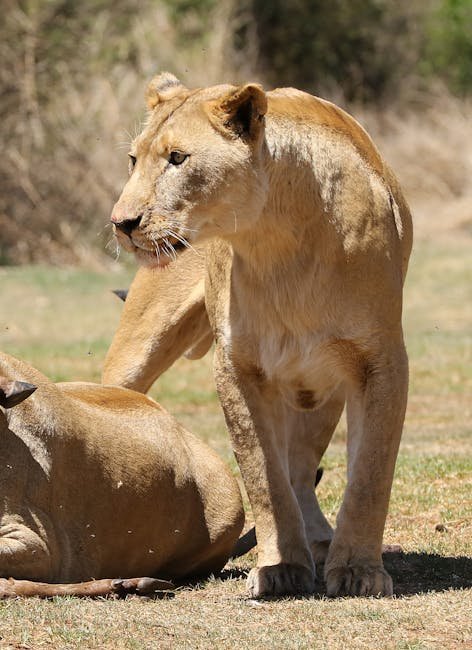
Lions have a powerful build with muscular bodies and strong limbs designed for hunting and fighting. Males are recognizable by their thick manes, which vary in color and size, often signaling dominance and health to other lions.
Adult males can weigh between 330 to 550 pounds, while females are smaller but equally agile. Their golden fur helps them blend into the savannah grass, giving them an edge when stalking prey.
Social Structure
Unlike most big cats, lions live in groups called prides, which can include up to 30 members. This social lifestyle helps them protect territory and raise cubs more effectively.
Each pride usually consists of related females, their offspring, and a few dominant males. Have you ever thought about how your own social circles influence your success? Lions show us the power of teamwork and cooperation in survival.
Hunting Techniques
Lions often hunt together, using strategic teamwork to catch animals much faster and stronger than themselves. Females usually do the hunting, coordinating silently to surround prey.
They rely on short bursts of speed and strength rather than endurance, making surprise and timing critical. Imagine how this focus on precision over brute force could apply to your own goals—working smarter, not just harder.
Tiger: The Striped Hunter
The tiger, often called the striped hunter, stands out among big cats for its powerful presence and striking appearance. You might wonder what makes this majestic predator so unique in the wild. Understanding its features, behavior, and diet reveals why the tiger commands respect in its natural habitat.
Distinctive Features
Tigers have bold black stripes over their orange fur, which helps them blend into the forest shadows. Each tiger’s stripe pattern is unique, almost like a fingerprint, making identification possible for researchers. Their muscular bodies and strong legs allow them to move silently and strike swiftly.
Have you noticed how their large paws act like snowshoes, distributing their weight to walk quietly? This silent movement is crucial when stalking prey. The white spots on the back of their ears confuse other animals, helping tigers avoid detection.
Territorial Behavior
Unlike some animals that live in groups, tigers are solitary creatures fiercely protective of their territory. They mark their space with scent markings and scratch marks on trees to warn others away. This behavior helps reduce conflicts and ensures enough food supply within their range.
If you ever tracked tiger territories, you’d find overlapping boundaries but rarely face-to-face encounters. Their ability to respect these invisible lines shows a complex social system that goes beyond simple aggression. What do you think this teaches us about managing conflicts in human communities?
Diet And Prey
Tigers are carnivores with a diet mainly consisting of large herbivores like deer, wild boar, and buffalo. They rely on stealth and power, often ambushing prey from close range. This diet requires them to hunt frequently and maintain large territories rich in prey.
Interestingly, tigers can swim and use water bodies to their advantage during hunts or to cool off. Watching a tiger patiently waiting near a riverbank can teach you patience and strategy in your own pursuits. How might you apply that patience when chasing your goals?
Leopard: The Stealthy Climber
The leopard is a master of stealth and climbing. It blends into its environment and moves with great silence. This big cat is known for its strength and agility. It easily climbs trees to avoid danger or to store food. Leopards live in many habitats, showing great survival skills. Their secret lies in their unique features and smart behavior.
Camouflage And Appearance
Leopards have a golden-yellow coat covered with black spots. These spots form rosettes, helping them blend with leaves and shadows. Their fur changes shade depending on the habitat. This camouflage hides them from prey and threats. The sleek body and strong limbs aid quiet movement. Their eyes reflect light, improving night vision.
Adaptability
Leopards live in forests, mountains, and grasslands. They adjust to hot and cold climates with ease. Their diet includes deer, birds, and small mammals. They hunt both day and night, depending on conditions. Leopards can survive near human settlements by staying hidden. Their ability to climb trees helps escape dangers and store food safely.
Hunting Strategies
Leopards use stealth to get close to prey. They move slowly and silently through bushes. Their strong jaws and sharp teeth deliver a quick kill. Leopards often drag their catch up trees to keep it safe. They wait patiently, using surprise to catch animals unaware. This method saves energy and increases hunting success.
Cheetah: The Speedster
The cheetah stands out as the ultimate speedster among big cats. Its unmatched ability to sprint at incredible speeds makes it a fascinating subject for anyone interested in wild animals. But speed is just one part of what makes the cheetah unique.
Speed And Agility
The cheetah can reach speeds up to 60-70 miles per hour in short bursts. It can accelerate faster than most sports cars, going from 0 to 60 mph in just a few seconds. This incredible speed helps the cheetah catch prey that other predators might miss.
Its agility is just as impressive. The cheetah can make sharp turns while running at high speed, which is essential when chasing swift and nimble animals like gazelles. Have you ever wondered how it manages such quick direction changes without losing balance? Its flexible spine and long tail help maintain stability during these sudden movements.
Physical Adaptations
The cheetah’s body is designed for speed. It has a lightweight frame with long legs and a small head, reducing wind resistance. Its large nasal passages allow for increased oxygen intake, fueling those rapid sprints.
Its claws are semi-retractable, providing extra grip on the ground like cleats. This unique feature gives the cheetah traction during high-speed chases. The tail acts like a rudder, helping with balance and steering.
Conservation Status
Despite its remarkable abilities, the cheetah faces serious threats. Habitat loss and human-wildlife conflict have pushed its population down. Today, cheetahs are classified as vulnerable, with fewer than 7,000 left in the wild.
Supporting conservation efforts can make a real difference. Have you considered how your choices might impact these incredible animals? Protecting their habitat and supporting organizations that work with local communities can help ensure cheetahs continue to roam the wild.
Snow Leopard: The Mountain Ghost
The snow leopard, often called the “Mountain Ghost,” is elusive. Found in the rugged mountain ranges of Central Asia, its presence is a rare sight. These big cats are masters of stealth and survival in harsh conditions. Their beauty and mystery captivate wildlife enthusiasts and researchers alike.
Habitat Challenges
Snow leopards inhabit high-altitude environments, usually between 3,000 to 4,500 meters. These regions span across 12 countries, including China, India, and Nepal. Human activities threaten these fragile ecosystems. Mining and livestock farming encroach on their natural habitat. Climate change exacerbates these issues, affecting prey availability and snow cover.
Physical Adaptations
Snow leopards possess unique physical features for mountain life. Their thick fur insulates against cold temperatures. The pale, spotted coat offers camouflage on rocky terrains. Long, powerful hind legs enable them to leap up to 15 meters. Their large paws act like snowshoes, distributing weight on soft snow.
Behavioral Traits
Snow leopards are solitary and secretive by nature. They are most active at dawn and dusk, when prey is abundant. These cats mark their territory with scent to communicate with others. They are skilled hunters, preying on ibex, blue sheep, and smaller mammals. Despite their size, they are incredibly agile on steep slopes.
Jaguar: The Powerful Swimmer
The jaguar stands out among big cats not just for its strength but for its remarkable swimming ability. Unlike many other wild cats, jaguars are at ease in water, making them powerful hunters in their aquatic environments. This skill adds an interesting dimension to their survival tactics and sets them apart in the wild.
Distinctive Markings
Jaguars have a unique coat that features rosettes—circular patterns with spots inside. These markings help them blend into the dense forests and shadowy riverbanks where they live.
The size and shape of these rosettes can vary, but their purpose is consistent: camouflage. This natural disguise is crucial when stalking prey or hiding from potential threats.
Habitat And Range
Jaguars primarily live in Central and South America, with the Amazon rainforest being a significant part of their territory. They favor dense, tropical forests but can also be found near rivers, swamps, and wetlands.
Because they are strong swimmers, jaguars often move through water to hunt or cross their territory. Have you ever wondered how many animals can claim water as a hunting ground?
Diet And Hunting
Jaguars are opportunistic predators with a diet that includes a wide range of animals. They hunt mammals, birds, reptiles, and even fish, thanks to their swimming skills.
Their powerful bite allows them to pierce the skulls or shells of prey, making them efficient hunters. If you think about it, their ability to hunt both on land and in water gives them a clear survival advantage.
Threats Facing Big Cats
Big cats, such as lions, tigers, leopards, and jaguars, face numerous threats that put their survival at risk. Understanding these challenges is crucial if you want to help protect these magnificent creatures. Let’s take a closer look at the main dangers they encounter every day.
Habitat Loss
Big cats depend on large, undisturbed areas to hunt and raise their young. But human activities like farming, logging, and urban expansion are shrinking their homes rapidly.
Imagine walking through a forest only to find it replaced by buildings or roads. That’s what big cats experience, and it forces them into smaller spaces, increasing competition for food and mates.
Have you ever wondered what happens when a tiger’s hunting ground disappears? Often, it leads to starvation or risky encounters with humans.
Poaching And Illegal Trade
Poaching remains a deadly threat. Big cats are hunted for their skins, bones, and other body parts, which are sold illegally across the globe.
Despite laws and protections, the illegal wildlife trade still flourishes. It’s shocking how a single tiger skin can fetch thousands of dollars on the black market.
What would you do if you knew that your actions could stop this cruelty? Supporting anti-poaching efforts and raising awareness can make a real difference.
Human-wildlife Conflict
When big cats lose their natural habitat, they often wander into villages or farms searching for food. This causes conflicts with people who fear for their safety and livestock.
Farmers may kill or trap these cats to protect their animals. This cycle worsens as more habitats vanish and animals get desperate.
Could you find a way to live alongside these predators? Community programs that promote coexistence and better livestock protection have shown promise in reducing conflict.
Conservation Efforts
Protecting big cats in the wild helps keep nature balanced. Efforts focus on saving habitats and stopping poaching. Communities and experts work together to ensure these wild cats survive.
Conservation efforts for big cats are essential to ensure these majestic creatures continue to roam the wild. With many species facing threats such as habitat loss, poaching, and climate change, proactive measures are crucial. These efforts involve a blend of protected areas, community involvement, and global initiatives.Protected Areas
Protected areas are the frontline defense in conserving big cats. National parks and wildlife reserves provide safe havens where these animals can thrive without human interference. For instance, India’s Project Tiger has successfully increased the tiger population through dedicated reserves. Such areas not only protect the cats but also preserve entire ecosystems. This holistic approach benefits all the wildlife within these regions. Are there protected areas near you that need attention or support?Community Involvement
Engaging local communities is vital for successful conservation. When people living near big cat habitats see the value in preservation, they become allies in the fight against poaching. Education programs and sustainable livelihood projects can transform attitudes and reduce human-animal conflict. In many cases, communities are trained to become wildlife wardens or guides. This fosters a sense of ownership and pride in protecting these magnificent creatures. Could your community benefit from similar initiatives?Global Initiatives
Global efforts bring together nations, organizations, and individuals to tackle the challenges faced by big cats. Initiatives like the Global Tiger Forum and Panthera’s programs unite resources and expertise to make a significant impact. Collaborative research and funding help in monitoring populations and implementing conservation strategies effectively. These initiatives remind us that saving big cats is a shared responsibility. How can you contribute to global conservation efforts from where you are? Conservation is not just a task for experts; it’s a collective mission that requires everyone’s participation. From supporting local parks to advocating for international policies, your actions can make a difference. Let’s ensure that future generations inherit a world where big cats still roam wild and free.Living With Big Cats
Living alongside big cats in the wild is a complex experience that demands respect, knowledge, and caution. These majestic animals hold a powerful presence, and their survival often depends on how humans interact with their habitats. Understanding your role can help protect both you and these incredible creatures.
Ecotourism Benefits
Ecotourism creates opportunities for local communities to benefit financially from preserving big cats. When you visit responsibly, your money supports conservation projects and anti-poaching efforts.
It also encourages habitat protection, ensuring big cats have safe places to live and hunt. Seeing these animals in their natural environment can change how you value wildlife. Have you ever felt more connected to nature after a wildlife tour?
Safety Tips
Respecting big cats means keeping a safe distance and never attempting to feed or approach them. Always follow park guidelines and listen to expert guides who understand animal behavior.
Keep noise to a minimum to avoid startling these predators. If you live near big cat territories, secure your livestock and avoid leaving food outside. Simple actions like these reduce conflicts and keep everyone safer.
Promoting Awareness
Sharing accurate information about big cats helps reduce fear and misunderstandings. You can use social media or community talks to explain why these animals matter and how people can coexist with them.
Supporting educational programs in schools or local groups spreads knowledge to the next generation. What steps can you take today to help others see big cats as vital parts of our ecosystem rather than threats?
Frequently Asked Questions
What Are The Most Common Big Cat Breeds In The Wild?
The most common big cat breeds in the wild include lions, tigers, leopards, jaguars, and cheetahs. These species are known for their size, strength, and hunting skills. Each breed has unique adaptations suited to their habitats.
How Do Big Cats Differ From Domestic Cats?
Big cats are larger, stronger, and have more powerful hunting instincts than domestic cats. They belong to the Panthera genus and can roar, unlike most small cats. Their behavior and physical traits are adapted to wild survival.
Where Are Big Cats Commonly Found In The Wild?
Big cats live in diverse habitats like forests, grasslands, and mountains. Lions are mostly in Africa, tigers in Asia, leopards across Africa and Asia, jaguars in South America, and cheetahs in African savannas. Habitat loss threatens their populations.
Why Are Big Cats Important To Ecosystems?
Big cats regulate prey populations, maintaining ecological balance. They control herbivore numbers, preventing overgrazing. Their presence indicates a healthy ecosystem. Protecting big cats helps preserve biodiversity and natural habitats.
Conclusion
Big cats are amazing animals that inspire awe and respect. Each breed has unique traits and habitats. Protecting their wild homes helps keep nature balanced. We learn a lot by studying their behavior. These creatures show strength, beauty, and mystery.
They remind us why wildlife matters so much. Let’s value and support efforts to save them. Their survival depends on our care and attention. Wild big cats deserve a safe, free life. Their story continues, if we choose to listen.
