

Dealing with a matted cat can feel overwhelming, but you’re not alone—and it’s not impossible to fix. Matted fur isn’t just uncomfortable for your cat; it can lead to skin problems and pain.
If you’ve noticed tangles or clumps in your cat’s coat, this guide will show you simple, step-by-step ways to gently groom your furry friend back to comfort and health. Keep reading, and you’ll discover easy techniques that will make grooming less stressful for both you and your cat.
Your cat deserves to feel good, and you have the power to help.
Signs Of Matted Fur
Spotting matted fur on your cat early can save both of you from a lot of discomfort and trouble. Matted fur doesn’t just look messy—it can cause pain and skin problems if left unattended. Recognizing the signs helps you act quickly and keep your furry friend comfortable.
Common Causes
Understanding why mats form can help you prevent them. Cats with long or thick fur are more prone to mats, especially if they don’t groom themselves properly due to age or illness. Outdoor cats might pick up dirt, twigs, or debris that tangles their fur.
- Infrequent grooming or brushing
- Skin conditions causing scratching
- Obesity or arthritis making self-grooming hard
- Stress or behavioral issues leading to neglect of grooming
Have you noticed your cat avoiding certain movements or looking uncomfortable? These could be clues that mats are forming in hard-to-see spots.
Health Risks
Matted fur doesn’t just look unpleasant—it can cause real health issues. Tight mats pull on the skin, causing irritation, sores, or even infections. They trap moisture and dirt, creating a breeding ground for bacteria and parasites.
Cats with severe mats might develop hot spots or ulcers, which can be painful and require veterinary care. Ignoring matted fur can lead to hair loss and skin damage that takes a long time to heal.
Think about how often you check your cat’s coat. Could regular grooming sessions be a simple way to spot problems before they worsen?
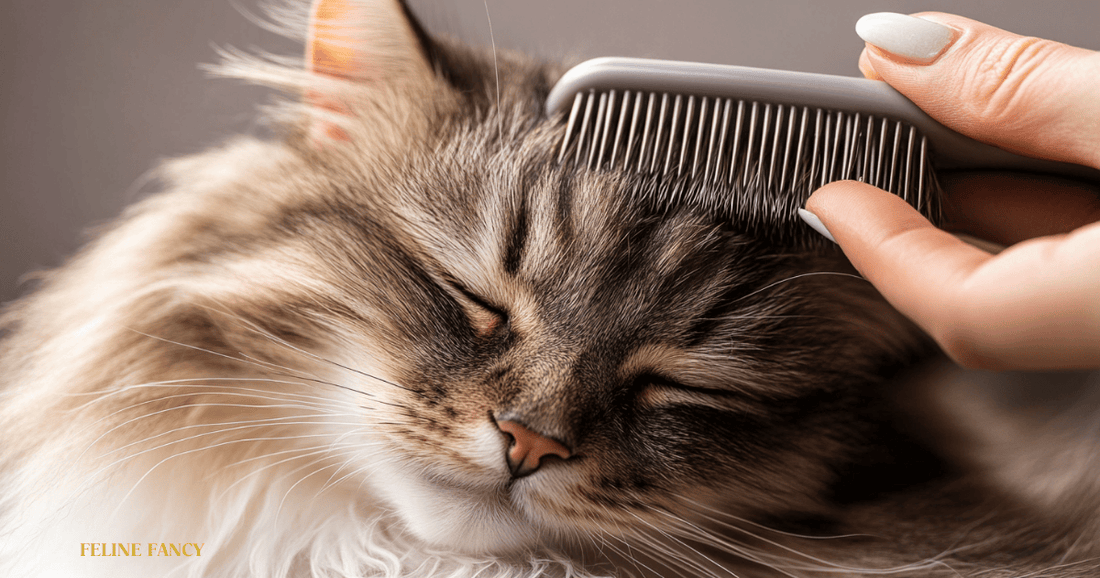
Credit: felinefancy.co.uk
Tools You Need
Grooming a matted cat requires specific tools to make the process safe and effective. Using the right tools reduces stress for both you and your cat. It also helps remove mats gently without hurting your pet. Prepare these essential grooming tools before you start.
Brush Types
Choosing the right brush is key. A slicker brush has fine wires that help remove loose fur and small mats. A wide-toothed comb is good for working through bigger mats carefully. A pin brush works well for fluffy or long-haired cats. Always select soft brushes to avoid hurting your cat’s skin.
Clippers And Scissors
Clippers help cut through thick mats that brushing cannot remove. Use clippers made for pets with sharp, safe blades. Scissors are useful for trimming mats close to the skin. Blunt-tip scissors are safest to prevent cuts. Handle scissors slowly and with care to avoid hurting your cat.
Detangling Sprays
Detangling sprays soften mats and make combing easier. Look for sprays made for cats with gentle, natural ingredients. Spray lightly on mats before brushing or combing. This reduces pulling and pain for your cat. Avoid sprays with strong chemicals that may irritate your cat’s skin.
Preparing Your Cat
Preparing your cat before grooming matted fur is a crucial step that sets the tone for the entire process. Cats often feel vulnerable during grooming, especially when mats cause discomfort. Taking the time to prepare both their body and mind can make a significant difference in how cooperative and calm your cat remains.
Creating A Calm Environment
Your cat’s surroundings play a major role in how relaxed they feel. Choose a quiet room with minimal distractions to help your cat focus on you instead of noises or other pets. Soft lighting and a comfortable surface, like a blanket or towel, can also make the area inviting.
Think about scents too—your cat is sensitive to smells, so avoid strong fragrances or cleaning products nearby. Playing gentle background music or white noise might reduce stress. Have all grooming tools ready so you don’t have to leave mid-session, which can unsettle your cat.
Handling Techniques
How you hold and touch your cat matters more than you might expect. Start with gentle strokes and observe your cat’s reactions. If they seem tense or try to escape, pause and give them space before trying again.
Use slow, deliberate movements to avoid startling your cat. Supporting their body well can help them feel secure—cradle their chest with one hand and use the other to work on mats. If your cat has sensitive areas, avoid putting pressure there and focus on building trust gradually.
Have you noticed your cat’s favorite spots where they enjoy being touched? Use those areas as starting points to make them feel more comfortable. This approach often encourages cooperation and turns grooming into a bonding experience rather than a struggle.

Credit: www.youtube.com
Step-by-step Grooming
Grooming a matted cat requires patience and care. Start by checking the mats closely. Understand how tight and large they are. This helps you decide the best way to handle them without hurting your cat. Work slowly and calmly to keep your cat relaxed throughout the process.
Assessing The Mats
Look at the size and location of each mat. Feel the thickness and tightness gently. Mats near sensitive areas like the belly need extra care. Decide if some mats are too tight to detangle safely. In such cases, cutting may be necessary.
Gentle Detangling
Use a wide-tooth comb or your fingers to loosen the mats. Start from the edges and work toward the center. Hold the fur close to the skin to avoid pulling. If a mat resists, do not force it. Apply a small amount of detangling spray to soften the fur. Take breaks to keep your cat calm.
Using Clippers Safely
Choose clippers designed for pets. Keep blades sharp to avoid pulling fur. Hold the skin taut to protect it from cuts. Trim mats carefully, one small section at a time. Avoid clipping too close to the skin. Have styptic powder ready for any accidental nicks.
Finishing Touches
Brush your cat’s fur gently to smooth it out. Check for any missed mats or knots. Use a soft brush to restore shine and softness. Offer treats to reward your cat’s patience. Keep regular grooming habits to prevent future mats.
Preventing Future Mats
Preventing future mats in your cat’s fur is key to keeping them comfortable and healthy. Mats can cause pain and skin problems if left untreated. Creating good grooming habits and maintaining overall cat health reduces mat formation. Consistency and care make a big difference in your cat’s coat condition.
Regular Brushing Schedule
Brush your cat daily or at least several times a week. Use a brush suited for your cat’s fur type. Brushing removes loose hair and prevents tangles from forming. Pay special attention to areas like behind the ears and under the legs. Make brushing a calm and positive experience to keep your cat relaxed. Regular brushing breaks up small knots before they become mats.
Diet And Hydration Tips
Healthy skin and fur start with good nutrition. Feed your cat a balanced diet rich in omega-3 and omega-6 fatty acids. These nutrients improve coat shine and strength. Ensure your cat drinks enough water every day to keep the skin hydrated. Proper hydration reduces dryness and flakiness that can lead to mats. Consider adding wet food to increase water intake naturally.
When To Seek Professional Help
Knowing when to seek professional help for grooming a matted cat is crucial for your pet’s health and comfort. Attempting to remove severe mats on your own can cause pain or injury to your cat. Understanding the signs that indicate you need a groomer and considering veterinary advice can save your cat from unnecessary stress and complications.
Signs You Need A Groomer
If your cat has thick, tight mats that pull on the skin, it’s a clear signal to get professional grooming. Mats that cover large areas, especially near sensitive spots like the belly or underarms, are difficult to handle without experience.
Look for these signs:
- Your cat becomes aggressive or fearful when you try to groom them.
- Mats have hardened and seem impossible to comb through.
- Your cat shows signs of discomfort, such as excessive licking or scratching at the matted areas.
- Skin redness, swelling, or sores appear beneath the mats.
Have you ever tried to remove a stubborn mat only to see your cat run away scared? That’s a strong indicator you should leave it to a groomer who knows how to handle the situation calmly and safely.
Veterinary Considerations
Severe mats can sometimes hide skin infections, parasites, or wounds. A veterinarian can assess your cat’s overall health before grooming begins to avoid worsening any underlying issues.
In some cases, sedation or anesthesia may be necessary to safely remove mats without causing pain. This is especially true for elderly cats or those with health conditions.
Always ask your vet if your cat’s mats are causing health problems or if professional grooming is needed as part of medical care. Ignoring these signs might lead to bigger problems than just discomfort.

Credit: www.viovet.co.uk
Frequently Asked Questions
How Do I Safely Remove Mats From My Cat’s Fur?
Use a wide-tooth comb to gently detangle mats. Hold the fur close to the skin to avoid pulling. For tough mats, carefully cut them out with rounded scissors or seek a professional groomer’s help.
What Tools Are Best For Grooming Matted Cats?
Use a slicker brush, wide-tooth comb, and detangling spray. Clippers and rounded scissors may help with severe mats. Always choose tools designed for cats to avoid harming their sensitive skin.
How Often Should I Groom A Matted Cat?
Groom your cat at least once a week to prevent mats. Long-haired cats may need daily grooming. Regular grooming keeps fur healthy, reduces shedding, and prevents painful mats.
Can I Groom A Matted Cat At Home?
Yes, but be patient and gentle. Start with small mats and use proper tools. If mats are severe, consult a professional groomer or vet to avoid injuring your cat.
Conclusion
Grooming a matted cat takes patience and care. Start slowly and use the right tools. Gently work through mats without hurting your cat. Keep sessions short to avoid stress. Regular grooming stops mats from coming back. A clean, comfortable cat feels happy and healthy.
Remember, kindness helps build trust during grooming. With time, your cat will enjoy these moments more. Caring for your cat’s fur shows your love. Keep practicing, and the results will improve.
