


Have you ever watched cats grooming each other at the same time and wondered why they do it? This simple, gentle act is more than just keeping clean.
It’s a powerful way cats build trust, show affection, and strengthen their bond. If you want to understand your feline friends better and see a side of them you might have missed, keep reading. You’ll discover surprising reasons behind this behavior and learn how it affects your cat’s happiness and health.
Why Cats Groom Each Other
Watching cats groom each other is more than just a cute moment; it reveals a lot about their relationships and well-being. But why exactly do cats engage in this shared grooming behavior? Understanding the reasons can help you appreciate their social world and even improve how you care for your own feline friends.
Social Bonds And Trust
Cats groom each other to strengthen their social connections. This behavior, called allogrooming, shows that they trust one another deeply. When two cats groom at the same time, it’s a sign they feel safe and comfortable together.
Have you ever noticed how cats who don’t get along rarely groom each other? This simple act builds friendship and reduces conflicts. It’s like their way of saying, “I’m part of your family.”
Hygiene And Health Benefits
Grooming each other helps cats reach spots they can’t clean by themselves, like the back of the head or neck. This ensures their fur stays clean and free of parasites. It’s a practical way to maintain good hygiene.
Besides keeping their coats tidy, mutual grooming can help detect wounds or skin problems early. When cats groom each other, they often pause to lick areas that seem irritated or sore. You might learn a lot about your cat’s health by observing these interactions.
Stress Reduction
Grooming is a calming activity for cats. When they groom each other, it releases feel-good hormones that lower stress levels. This shared grooming can soothe anxious or nervous cats, making them feel more relaxed.
If your cats groom each other often, it’s a good sign they feel secure in their environment. Could paying attention to their grooming habits give you clues about their emotional state? Maybe it’s time to observe and learn more from their quiet moments together.
Credit: www.rd.com
How Mutual Grooming Works
Mutual grooming among cats is a fascinating behavior that goes beyond simple cleanliness. It’s a social activity that strengthens bonds and communicates trust between feline friends. Understanding how mutual grooming works gives you a window into your cat’s social world and emotional state.
Techniques Cats Use
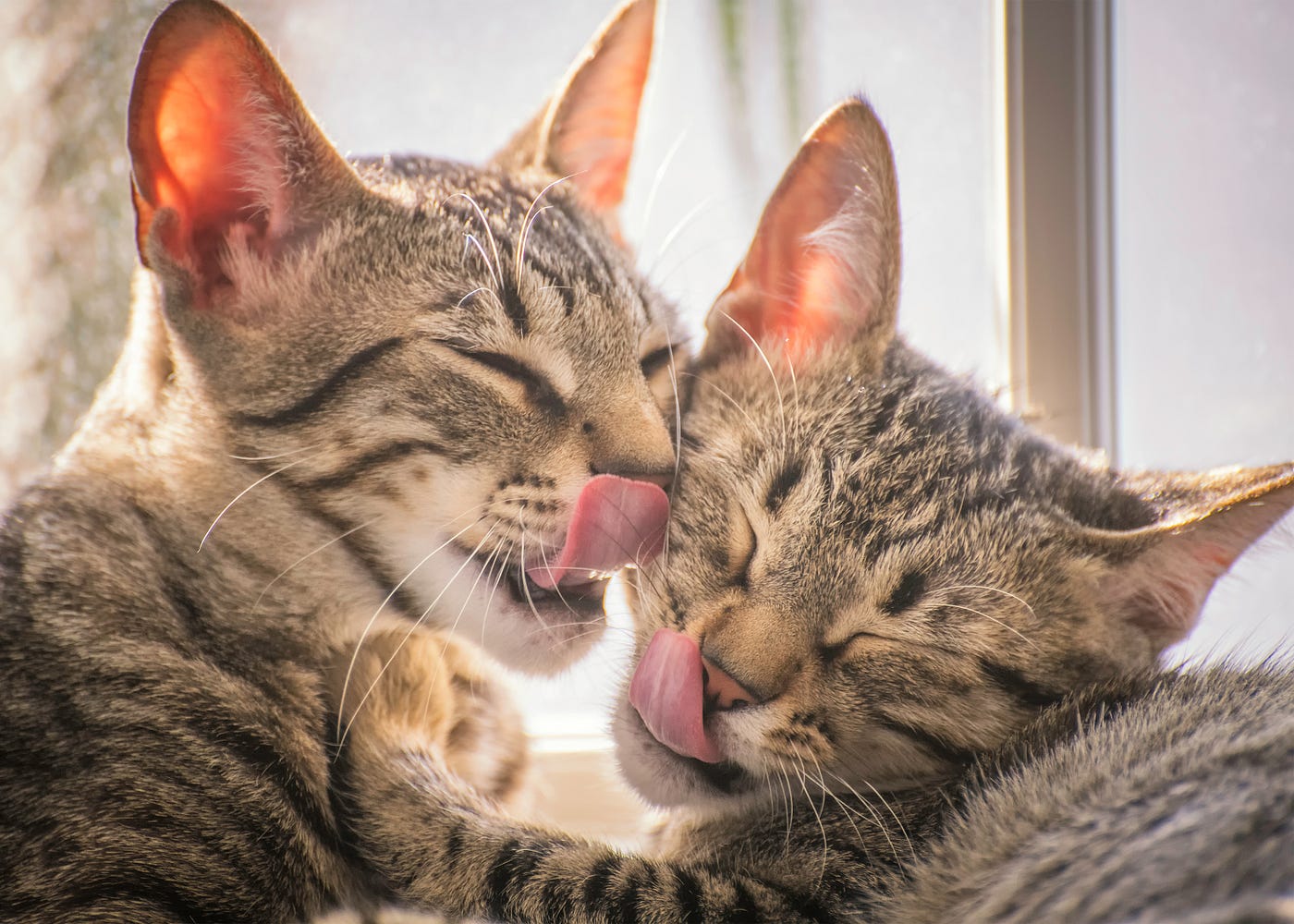
Cats use several grooming techniques during mutual grooming sessions. They often start by licking the fur, using their rough tongues to remove dirt and loose hair.
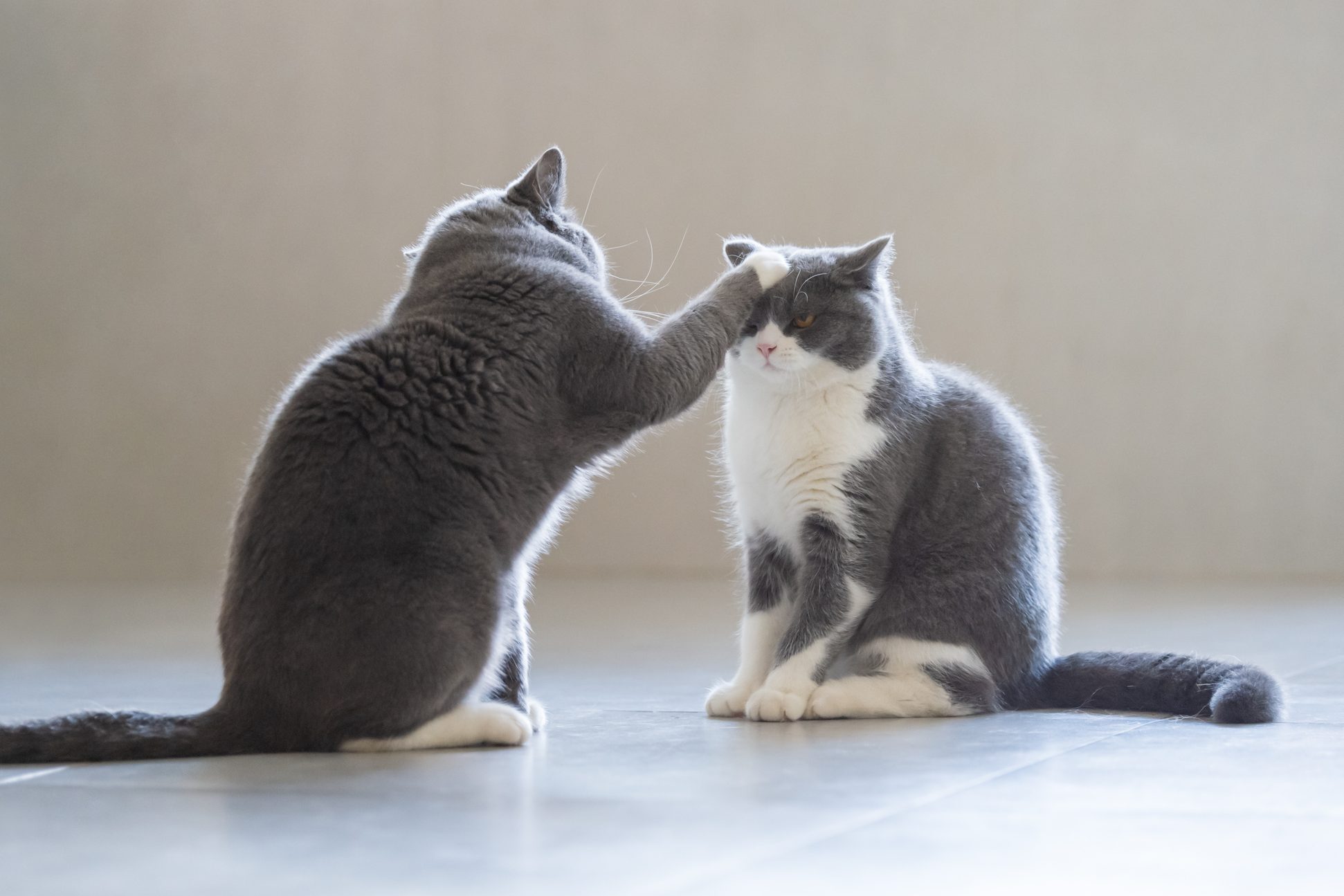
Nibbling or gentle biting is common too, especially around tricky spots that need extra attention. You might notice a cat softly pawing or holding the other cat steady to reach certain areas better.
This mix of licking, nibbling, and pawing creates a thorough grooming experience, and it’s all done with care and precision.
Common Areas Groomed
Cats usually focus on spots they can’t easily reach themselves. The head, neck, and ears are popular grooming targets, as these areas are difficult for cats to clean alone.
They also groom around the cheeks and under the chin. These areas carry important scent glands, so grooming here helps spread each other’s scent, reinforcing their connection.
Have you noticed your cats spending more time grooming these sensitive spots? It’s a sign they feel safe and connected.
Communication Through Grooming
Mutual grooming is more than hygiene; it’s a language cats use to communicate. When your cats groom each other, they show acceptance and reduce social tension.
It can also signal reassurance during stressful times. If you see your cats grooming each other after a visit to the vet, it’s their way of calming down together.
Next time you observe your cats grooming, watch their body language closely. It might reveal feelings and messages they can’t express in other ways.
Benefits Of Simultaneous Grooming
Simultaneous grooming among cats is more than just cleaning. It serves many social and health purposes. Cats enjoy grooming each other at the same time for comfort and bonding. This behavior strengthens their connection and keeps the group peaceful.
Strengthening Relationships
Grooming each other builds trust between cats. It shows care and friendship. Cats feel safe and loved during grooming sessions. This closeness helps them form stronger bonds. These bonds make their lives less stressful and more joyful.
Reducing Aggression
Sharing grooming time lowers tension in a group. It helps cats calm down and relax. When cats groom together, they are less likely to fight. Grooming acts as a peaceful signal that stops arguments. This keeps the group happy and safe.
Promoting Group Harmony
Simultaneous grooming creates balance in cat groups. It helps cats accept each other’s presence. Grooming spreads positive feelings among all cats. This behavior supports teamwork and cooperation. Group harmony makes living together easier for cats.
Credit: medium.com
When Grooming Signals Conflict
Cats grooming each other is a sign of trust and bonding. Yet, grooming can sometimes show tension or conflict. Recognizing these signals helps prevent fights and stress. Understanding the signs lets owners keep peace among cats.
Signs Of Over-grooming
Over-grooming means a cat licks or bites too much. It may cause bald spots or sore skin. This behavior can show stress or anxiety. Cats may groom themselves or others more than normal.
- Hair loss in patches
- Red or irritated skin
- Repeated licking or biting at one spot
- Restlessness or hiding
Over-grooming can harm cats physically and emotionally. Watch for these signs to act early.
Displacement Behaviors
Displacement behaviors happen when cats feel confused or stressed. Grooming during conflict may be a way to calm down. A cat might groom itself or another cat oddly. This is a sign they are uneasy or unsure.
- Sudden grooming during a tense moment
- Grooming that stops abruptly
- Fidgeting or avoiding eye contact
Recognizing displacement grooming helps understand hidden stress in cats.
Intervening In Grooming Disputes
Intervene gently if grooming turns into conflict. Avoid loud noises or sudden moves. Distract cats with toys or treats. Separate them calmly if needed to prevent fights.
- Use a soft voice to calm cats
- Offer a favorite toy or treat
- Give each cat space to relax
- Observe their body language carefully
Proper intervention keeps cats safe and reduces tension during grooming disputes.
Encouraging Grooming Behavior In Multi-cat Homes
Encouraging grooming behavior in homes with multiple cats helps build strong bonds. Cats that groom each other feel safer and more relaxed. This behavior reduces stress and creates harmony. You can support this natural habit by making small changes at home. Helping cats feel calm and connected is key to promoting grooming.
Creating A Comfortable Environment
Provide quiet spaces where cats can relax without disturbance. Soft bedding and warm spots invite comfort. Keep food, water, and litter boxes in separate areas to avoid competition. Avoid loud noises and sudden movements that may scare cats. A calm setting helps cats feel safe to groom each other.
Introducing Cats Gradually
Allow cats to meet slowly and in a controlled way. Start by letting them smell each other under a door. Use short, supervised visits before longer interactions. Watch for signs of stress or aggression and pause if needed. Gradual introductions build trust and reduce fear between cats.
Using Positive Reinforcement
Reward cats when they show friendly or grooming behavior. Give treats, gentle petting, or soft praise to encourage good actions. Avoid punishment or negative reactions, which cause fear. Positive rewards help cats link grooming with pleasant experiences. This support makes grooming a regular, happy activity.

Credit: www.freepik.com
Frequently Asked Questions
Why Do Cats Groom Each Other Simultaneously?
Cats groom each other simultaneously to strengthen social bonds. It promotes trust and reduces stress. This behavior, called allogrooming, also helps them clean hard-to-reach areas. It’s common among cats that share close relationships, like siblings or bonded pairs.
Is Mutual Grooming A Sign Of Cat Friendship?
Yes, mutual grooming is a strong sign of friendship. It shows affection and trust between cats. They exchange scents, reinforcing group identity. This behavior helps maintain peaceful coexistence and improves social harmony within cat groups.
Can Cats Groom Each Other To Reduce Stress?
Absolutely, grooming each other helps reduce stress in cats. It releases endorphins, which calm their nerves. Social grooming provides comfort and security, especially in multi-cat homes. It’s a natural way for cats to cope with anxiety or discomfort.
How Often Do Cats Groom Each Other Together?
Cats groom each other as often as they feel comfortable. Frequency depends on their relationship and environment. Some cats groom daily, while others do it less. Mutual grooming usually happens during relaxed, social moments or after playtime.
Conclusion
Cats grooming each other shows trust and friendship. It helps keep their fur clean and healthy. This behavior also reduces stress and builds strong bonds. Watching cats groom together feels calm and peaceful. It reminds us how animals care for one another.
Understanding this helps us appreciate our pets more. Next time you see cats grooming, enjoy the moment. It’s a simple act full of meaning. Caring for cats means noticing these small, loving signs. Their teamwork in grooming is truly special.
