

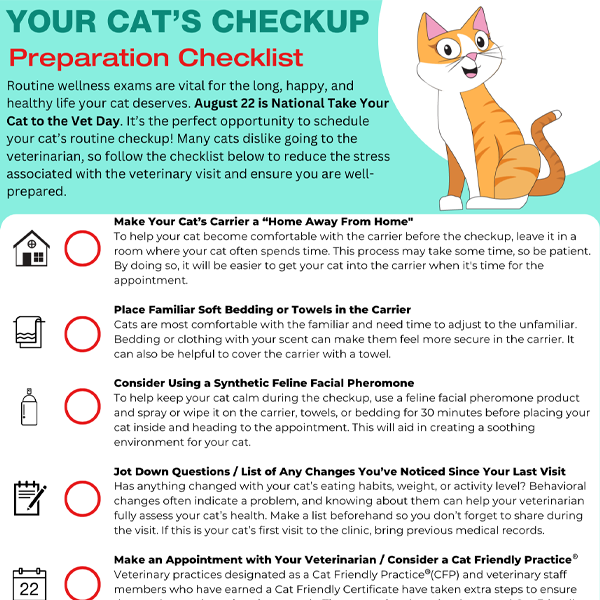
You love your cat and want to keep them healthy and happy. But how often do you check if your furry friend is feeling their best?
A DIY cat health checkup is easier than you think, and it can help you spot problems early before they become serious. In this guide, you’ll learn simple steps to assess your cat’s health right at home. By paying attention to small signs, you can protect your pet and save on costly vet visits.
Ready to become your cat’s health hero? Let’s get started!

Credit: www.checkupkit.com
Signs Of A Healthy Cat
Knowing the signs of a healthy cat helps you keep your pet safe and happy. Healthy cats show clear signals in their behavior, look, and body signs. Recognizing these signs early can prevent health problems and keep your cat feeling good every day.
Normal Behavior Patterns
A healthy cat is active and alert. It plays and explores its surroundings regularly. Eating and drinking habits stay steady without sudden changes. Cats usually rest but wake up easily and respond to sounds. Social cats may seek attention and enjoy petting. Sudden hiding or aggression can mean health issues.
Physical Appearance Indicators
- Coat is shiny and smooth, not dull or patchy.
- Eyes are clear and bright, without discharge.
- Nose is clean and moist, no crust or sneezing.
- Ears are clean inside, free from odor or redness.
- Teeth and gums look pink and healthy without bad breath.
- Body weight stays stable, neither too thin nor overweight.
Vital Signs To Note
| Vital Sign | Normal Range | What to Watch For |
|---|---|---|
| Heart Rate | 140-220 beats per minute | Too fast or slow may signal problems |
| Respiration | 20-30 breaths per minute | Labored or very rapid breathing is a concern |
| Temperature | 100.5°F to 102.5°F (38°C to 39.2°C) | Higher or lower needs vet attention |
| Hydration | Skin snaps back quickly when pinched | Slow skin return or dry gums show dehydration |

Credit: www.splootvets.com
Tools For Home Checkup
Checking your cat’s health at home requires some essential tools. These tools help you spot any changes in your cat’s condition quickly. Using the right equipment makes the process easier and safer for both you and your cat. Preparing everything before starting ensures a smooth checkup.
Basic Equipment Needed
- Digital thermometer for measuring temperature
- Soft-bristle brush for coat inspection
- Small flashlight to look inside eyes, ears, and mouth
- Clean cloth or cotton pads for gentle cleaning
- Pet-safe nail clippers for trimming claws
- Notebook or app to record observations
Choosing Safe Products
Always select products made specifically for pets. Human products may harm your cat’s skin or health. Use gentle, non-toxic shampoos and wipes. Avoid strong chemicals or sprays near your cat. Check labels carefully and choose items recommended by veterinarians.
Setting Up A Calm Environment
Pick a quiet room with soft lighting for the checkup. Remove distractions and loud noises. Place your cat on a comfortable surface like a blanket or towel. Speak softly and move slowly to keep your cat relaxed. Have treats ready to reward calm behavior.
Step-by-step Health Check
Performing a health check on your cat at home helps catch problems early. This step-by-step health check guides you through simple actions to assess your cat’s well-being. It takes only a few minutes and builds your bond with your pet.
Observe your cat calmly and gently. Use a quiet room with good light. Speak softly to keep your cat relaxed. Each check focuses on a specific body part or function.
Inspecting Eyes And Ears
Look at your cat’s eyes for clear color and brightness. The eyes should be free of redness or discharge. Check both eyes carefully.
Examine the ears for cleanliness. The inside should be pink, not red or swollen. No strong smell or dark wax should be present.
Checking Teeth And Gums
Gently lift your cat’s lips to see teeth and gums. Teeth should be clean without heavy tartar buildup. Gums must be pink, not pale or red.
Watch for bad breath or swollen spots. These signs may mean dental problems.
Feeling The Coat And Skin
Run your hands over your cat’s fur. The coat should feel smooth and soft. Look for dry, flaky, or bald patches.
Check the skin for bumps, wounds, or parasites like fleas. Healthy skin is clean and free of irritation.
Monitoring Breathing And Heartbeat
Watch your cat’s breathing rate and rhythm. Breaths should be smooth and quiet. Count breaths for 15 seconds and multiply by four.
Feel the heartbeat by placing your hand on the chest behind the front leg. The heartbeat should be steady and not too fast or slow.
Assessing Mobility And Reflexes
Observe your cat walking and jumping. Movements should be smooth without limping or stiffness. Check for any signs of pain.
Test reflexes gently by touching paws or tail. Your cat should respond quickly and normally.
Common Health Issues To Spot
Spotting common health issues in cats early can save their lives. Knowing what signs to watch helps you act fast. Cats often hide sickness, so careful observation is key.
Signs Of Infection
Infections may show as redness, swelling, or pus around wounds. Look for sneezing, coughing, or nasal discharge. Eyes might be watery or have crusty buildup. Fever causes lethargy and loss of appetite. Check your cat’s mouth for bad breath or sores.
Indicators Of Parasites
Parasites cause itching and hair loss. Fleas leave small black specks on the skin. Worms may cause vomiting or diarrhea. Your cat might scratch or bite its tail often. Look for tiny white spots near the anus or in the stool.
Behavioral Changes
Sudden changes in behavior can signal health problems. A normally active cat may become quiet or hide. Aggression or irritability can also mean pain or discomfort. Watch for changes in sleeping or grooming habits. These subtle signs need your attention.
Weight Fluctuations
Weight loss or gain can indicate illness or diet issues. Rapid weight loss may mean diabetes or kidney problems. Sudden weight gain could be due to fluid buildup or thyroid problems. Regularly weigh your cat to spot changes early. Keep a record to share with your vet.
When To Seek Vet Help
Knowing when to seek veterinary help is crucial for your cat’s well-being. Not every health issue can be handled at home, and timely vet visits can prevent serious problems. Recognizing the signs that need professional attention keeps your feline friend safe and healthy.
Emergency Symptoms
Some symptoms require immediate vet care. If your cat is having trouble breathing, experiences severe vomiting or diarrhea, or is unresponsive, don’t wait. Sudden injuries, seizures, or bleeding also demand urgent attention.
Have you noticed your cat suddenly limping or showing signs of intense pain? These could be emergencies too. Acting fast can make all the difference in recovery.
Routine Vet Visits
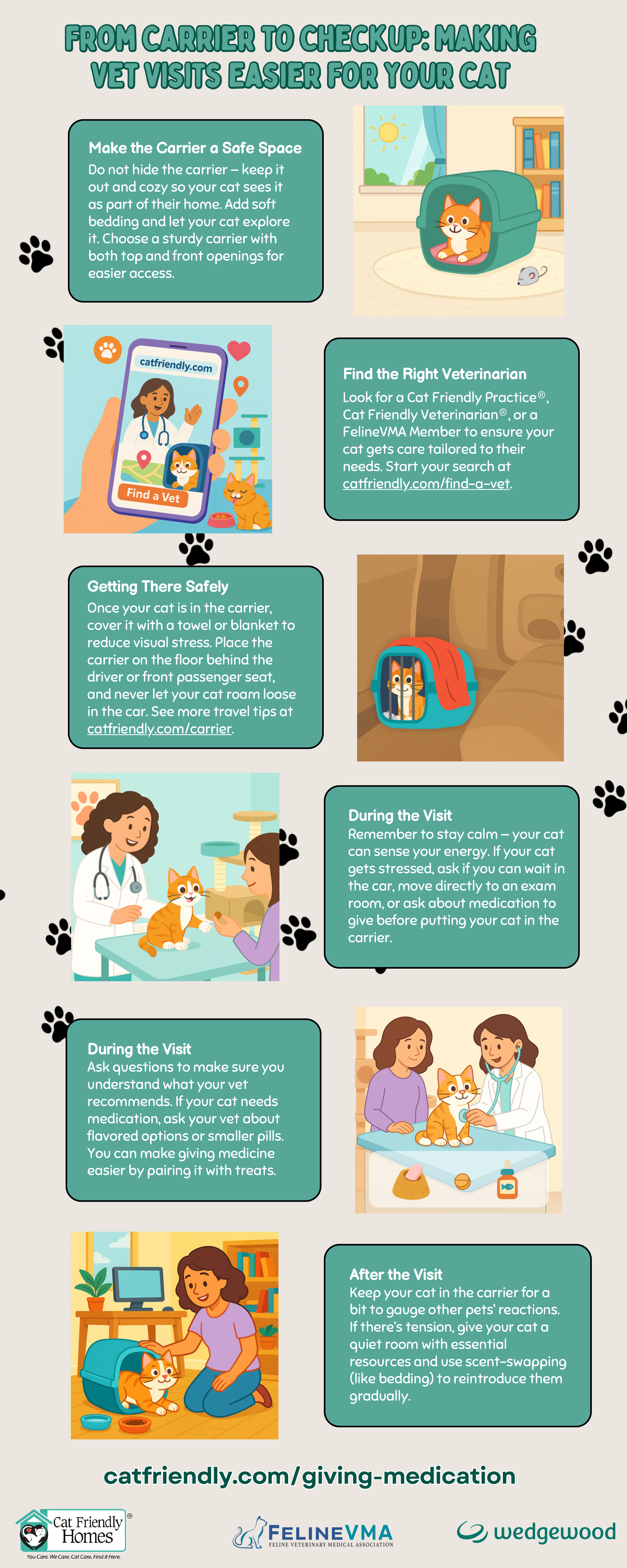
Routine checkups are key to catching health issues early. Aim for at least one visit per year, or more if your cat is older or has chronic conditions. Vaccinations, dental care, and parasite prevention happen during these visits.
Do you keep track of your cat’s last vet appointment? Scheduling regular visits helps maintain their health and avoids surprises. Think of these visits as a chance to ask questions and learn more about your pet’s needs.
Keeping Medical Records
Keeping detailed medical records helps you and your vet. Note down vaccinations, medications, and any symptoms you observe. This information speeds up diagnosis and treatment during vet visits.
Have you ever struggled to remember when your cat had their last vaccine? A simple folder or digital app can keep everything organized. Your cat’s health history is a valuable tool in providing the best care.
Credit: catfriendly.com
Maintaining Feline Wellness
Maintaining your cat’s wellness is essential for a happy, healthy life. Regular care supports their body and mind. It helps spot problems early and keeps your feline friend active and content. Simple daily habits can improve your cat’s overall health greatly.
Balanced Nutrition Tips
Feed your cat a diet rich in protein and low in fillers. Choose high-quality cat food with essential vitamins and minerals. Provide fresh water every day. Avoid giving your cat human food, which can harm their health. Monitor their weight and adjust food portions as needed.
Exercise And Play
Encourage your cat to move daily with toys and games. Use feather wands, laser pointers, or balls for short play sessions. Play helps keep muscles strong and joints flexible. It also reduces boredom and destructive behavior. Create safe spaces for climbing and jumping.
Grooming Routines
Brush your cat’s fur regularly to prevent mats and hairballs. Check their ears and eyes for dirt or signs of infection. Trim nails carefully to avoid scratching accidents. Clean their litter box often to keep a healthy environment. Grooming time builds trust and comfort between you and your cat.
Stress Reduction Strategies
Keep a calm and quiet environment for your cat. Provide hiding spots and cozy beds for rest. Maintain a consistent daily routine to reduce anxiety. Use calming pheromone sprays or diffusers if needed. Avoid loud noises and sudden changes that may scare your cat.
Frequently Asked Questions
How Often Should I Perform A Diy Cat Health Checkup?
Perform a DIY cat health checkup monthly to monitor your pet’s health. Regular checks help detect early signs of illness or injury. Consistency ensures timely intervention and keeps your cat healthy and happy.
What Are The Basic Steps In A Diy Cat Health Check?
Start by examining your cat’s eyes, ears, nose, and mouth for abnormalities. Check their coat, skin, and paws for signs of parasites or wounds. Monitor breathing, behavior, and appetite. Always handle your cat gently during the checkup.
When Should I Consult A Vet After A Diy Checkup?
Consult a vet immediately if you notice unusual lumps, bleeding, persistent coughing, or changes in appetite. Also seek help for behavioral changes or signs of pain. Early professional diagnosis ensures proper treatment and care.
Can I Check My Cat’s Temperature At Home?
Yes, you can check your cat’s temperature using a digital rectal thermometer. Normal cat temperature ranges between 100. 5°F and 102. 5°F. If it’s higher or lower, contact your veterinarian promptly for advice.
Conclusion
Regular health checkups help keep your cat happy and safe. Watch for changes in behavior or eating habits. Check eyes, ears, teeth, and fur often. These simple steps catch problems early. A healthy cat means less worry for you. Always ask a vet if something seems wrong.
Caring for your cat is easy with small daily checks. Your pet will thank you with love and purrs. Keep your cat healthy, one step at a time.
