

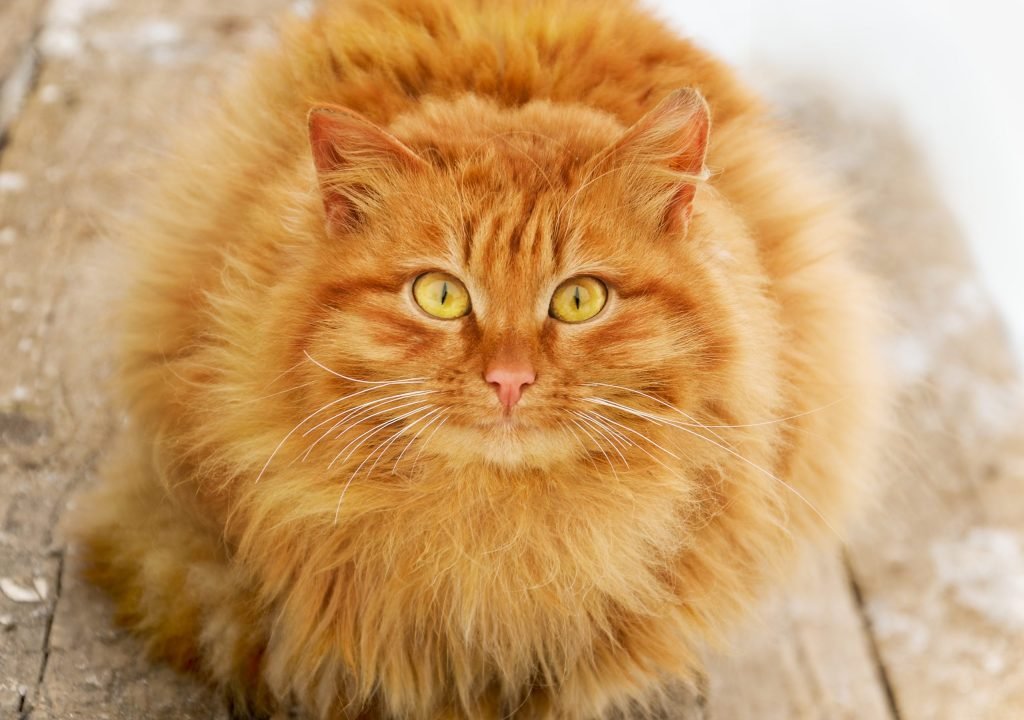
Have you noticed your cat spending way too much time licking or biting its fur? Excessive grooming can be more than just a quirky habit—it might signal that your furry friend is uncomfortable or stressed.
Understanding why your cat grooms excessively can help you protect their health and happiness. Keep reading to discover the surprising reasons behind this behavior and what you can do to help your cat feel better.
Reasons For Excessive Grooming
Excessive grooming in cats can be puzzling and concerning. It often signals that something beneath the surface needs your attention. Understanding the reasons behind this behavior helps you provide the right care and comfort to your feline friend.
Medical Causes
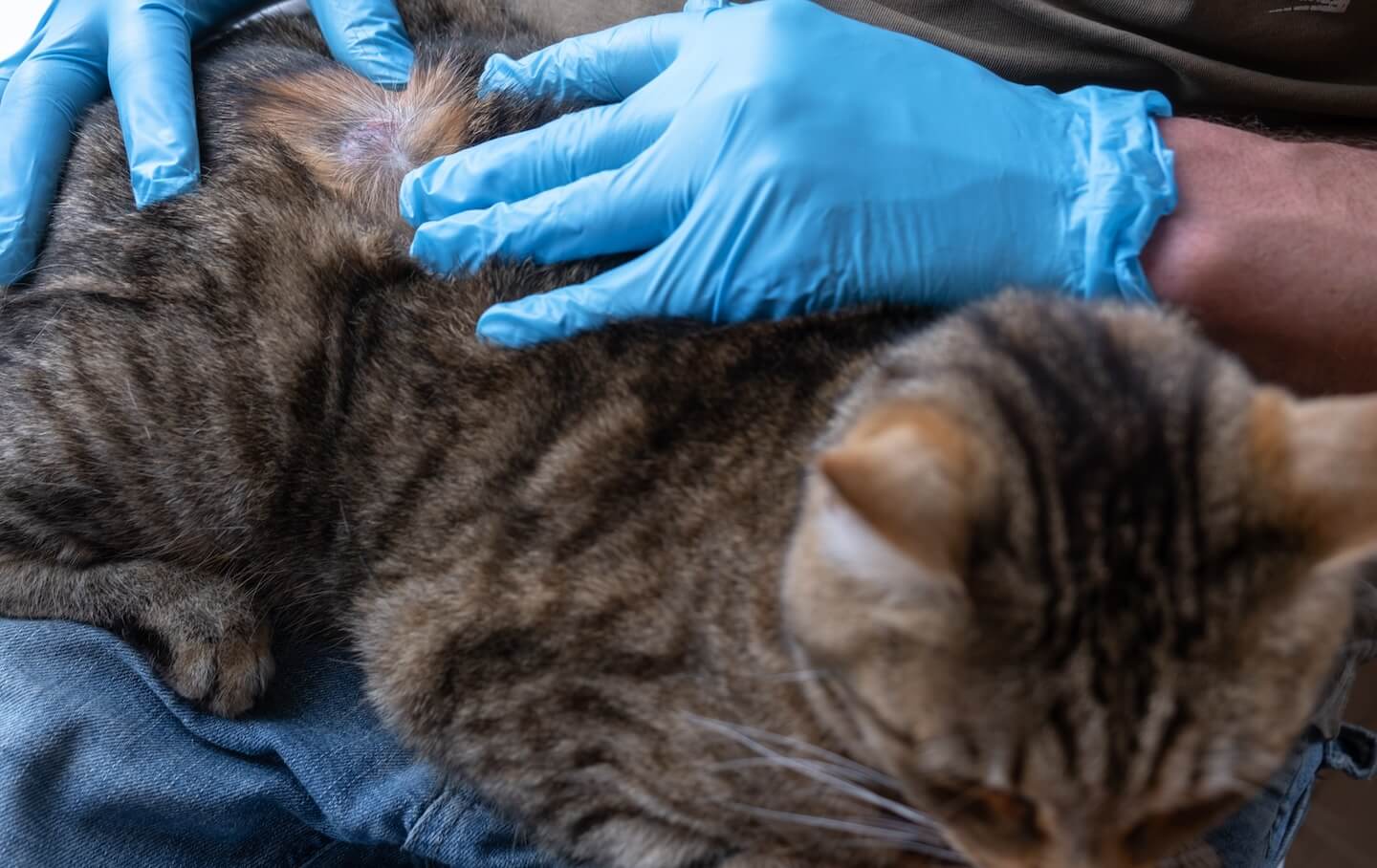
Health issues like skin infections, allergies, or parasites can make your cat lick and scratch more than usual. Sometimes, arthritis or pain in a specific area causes focused grooming. If you notice bald patches or sores, a vet visit is essential to rule out medical problems.
Behavioral Triggers
Cats might groom excessively due to boredom or frustration. Without enough playtime or mental stimulation, your cat may turn to grooming as a way to fill the void. Have you noticed your cat grooming more when left alone for long hours?
Environmental Factors
Changes in your cat’s surroundings can lead to increased grooming. New furniture, other pets, or even loud noises might unsettle your cat, causing her to groom more. Creating a calm and stable environment often helps reduce this behavior.
Stress And Anxiety
Stress is a powerful driver of excessive grooming. Cats use grooming to soothe themselves during anxious moments, much like how people might bite their nails. If your cat grooms obsessively after a visit to the vet or a move, consider ways to reduce her stress with safe spaces and calming routines.
Credit: najupets.com
Signs To Watch For
Recognizing the signs of excessive grooming in your cat early can save them from discomfort and potential health issues. Excessive grooming often signals that something is wrong, whether it’s physical pain, stress, or an underlying medical problem. Paying close attention to both physical symptoms and behavioral changes can help you act quickly and effectively.
Physical Symptoms
Look closely at your cat’s fur and skin. Excessive grooming often leads to bald patches, especially on the belly, legs, or sides. You might notice redness, sores, or scabs where your cat has been licking or biting repeatedly.
Watch for unusual hairballs or patches of hair around your home—these can indicate over-grooming. Some cats develop dry, flaky skin or even infections due to constant licking. If you see any of these signs, it’s a clear signal your cat needs attention.
Behavioral Changes
Your cat’s habits can reveal a lot about their grooming issues. Excessive grooming often comes with restlessness or irritability, where your cat might seem more anxious or agitated than usual. You may notice your cat grooming at odd times or for longer periods than normal.
Have you seen your cat avoiding interaction or hiding more than before? These changes can be linked to stress or discomfort causing the over-grooming. Keep an eye on whether your cat’s grooming increases after specific events, like loud noises or visits to the vet.
Veterinary Diagnosis
Veterinary diagnosis plays a key role in understanding why a cat grooms excessively. It helps find the root cause and guides proper treatment. A vet examines your cat carefully and may suggest tests. Early diagnosis improves your cat’s comfort and health.
Common Tests
Several tests help identify reasons behind excessive grooming:
- Skin scrapings to check for mites or infections
- Allergy tests to find food or environmental triggers
- Blood tests to detect hormonal imbalances or illness
- Fungal cultures to spot ringworm or other fungi
- Behavioral assessments if stress or anxiety is suspected
These tests give clear clues about your cat’s condition.
When To See A Vet
Visit a vet if your cat:
- Grooms so much that fur is missing or skin is raw
- Shows signs of itching, redness, or swelling
- Suddenly changes grooming habits without clear reason
- Appears restless or stressed for long periods
- Has wounds or infections from licking
Prompt vet care prevents complications and helps your cat heal.

Credit: www.reddit.com
Treatment Options
Excessive grooming in cats needs careful attention and proper treatment. Identifying the cause is key to choosing the right approach. Treatment options range from medical care to behavior changes and environment tweaks. Each option helps reduce stress and heal the skin.
Medical Treatments
Veterinarians may prescribe medications to ease symptoms. Anti-inflammatory drugs help reduce skin irritation. Antibiotics treat infections caused by over-grooming. Sometimes, allergy tests identify triggers that cause itching. These treatments protect your cat’s skin and stop damage.
Behavioral Therapies
Stress often causes excessive grooming in cats. Behavioral therapy helps manage anxiety and boredom. Techniques include:
- Providing regular play sessions
- Using calming pheromone sprays
- Training to redirect grooming to toys
These therapies improve your cat’s mental health and reduce grooming urges.
Environmental Adjustments
Changing your cat’s environment can lower grooming behavior. Make sure your cat has:
- Quiet, safe resting places
- Fresh water and balanced diet
- Interactive toys and scratching posts
- Consistent daily routine
Small changes create comfort and reduce stress triggers.
Home Care Tips
Managing excessive grooming in cats is possible with simple home care tips. These tips help reduce stress and improve your cat’s well-being. Small changes at home can make a big difference in your cat’s behavior and comfort.
Soothing Techniques
Use gentle petting to calm your cat. Soft brushing removes loose fur and feels relaxing. Try warm compresses on irritated spots to ease discomfort. Speak in a soft, calm voice to reduce anxiety. Play gentle music or nature sounds to create a peaceful atmosphere.
Diet And Nutrition
Provide a balanced diet rich in omega-3 and omega-6 fatty acids. These nutrients support healthy skin and reduce itching. Avoid foods that contain allergens or artificial additives. Fresh water should always be available to keep your cat hydrated. Consult your vet about supplements that promote skin health.
Creating A Calm Environment
Keep your cat’s living area quiet and free from sudden noises. Offer cozy hiding spots where your cat feels safe. Use pheromone diffusers to help lower stress levels. Maintain a regular feeding and play schedule for stability. Remove or limit access to items that trigger grooming behavior.
Preventing Excessive Grooming
Excessive grooming in cats can be more than just a quirky habit; it often signals discomfort or stress. Preventing this behavior early helps maintain your cat’s health and happiness. You can take simple yet effective steps to keep your cat calm and comfortable.
Regular Health Checks
Frequent visits to the vet catch underlying health issues that might cause your cat to over-groom. Skin allergies, parasites, or pain can lead to excessive licking. By staying on top of these health checks, you reduce the chances of grooming turning into a harmful habit.
I once noticed my cat constantly licking one paw. A quick vet visit revealed a small wound that I hadn’t seen. Treating it early stopped the licking before it became a bigger problem.
Mental Stimulation
Boredom and anxiety often trigger excessive grooming. Providing toys, puzzles, and interactive play keeps your cat’s mind busy and less focused on licking. Try rotating toys regularly to keep things fresh and interesting.
Have you noticed your cat grooming more when you’re busy or away? Adding a few minutes of playtime each day can make a big difference. Even simple games with a laser pointer or feather wand can distract your cat from over-grooming.
Consistent Routine
Cats thrive on predictability. A consistent daily schedule for feeding, play, and rest helps reduce stress that may cause over-grooming. Stick to regular times and avoid sudden changes in their environment.
When I switched my cat’s feeding time by just an hour, she started grooming more. Returning to the usual schedule calmed her down quickly. What small routine changes could you make to help your cat feel secure?

Credit: www.holistapet.com
Frequently Asked Questions
What Causes Excessive Grooming In Cats?
Excessive grooming in cats can be caused by stress, allergies, parasites, or skin infections. It may also indicate pain or behavioral issues. Identifying the root cause helps in providing proper treatment and relief for your cat.
How To Stop My Cat From Over-grooming?
To stop over-grooming, reduce stress and eliminate parasites. Consult a vet to check for allergies or infections. Providing environmental enrichment and regular playtime can also help minimize excessive grooming behaviors.
When Should I Worry About My Cat’s Grooming?
Worry if your cat grooms so much it causes bald patches, sores, or bleeding. Persistent licking or biting may signal underlying health problems needing veterinary attention.
Can Diet Affect A Cat’s Grooming Habits?
Yes, poor nutrition or food allergies can trigger skin irritation, causing excessive grooming. A balanced diet with essential nutrients supports healthy skin and reduces grooming issues.
Conclusion
Excessive grooming in cats can signal stress or health issues. Watch your cat’s behavior closely for changes. Providing a calm, safe space helps reduce anxiety. Regular vet visits ensure your cat stays healthy. Treat skin problems or allergies quickly to avoid worsening.
Understanding your cat’s needs strengthens your bond. Stay patient and gentle while helping your furry friend. Small steps make a big difference in their well-being. Care and attention keep your cat happy and comfortable.
