

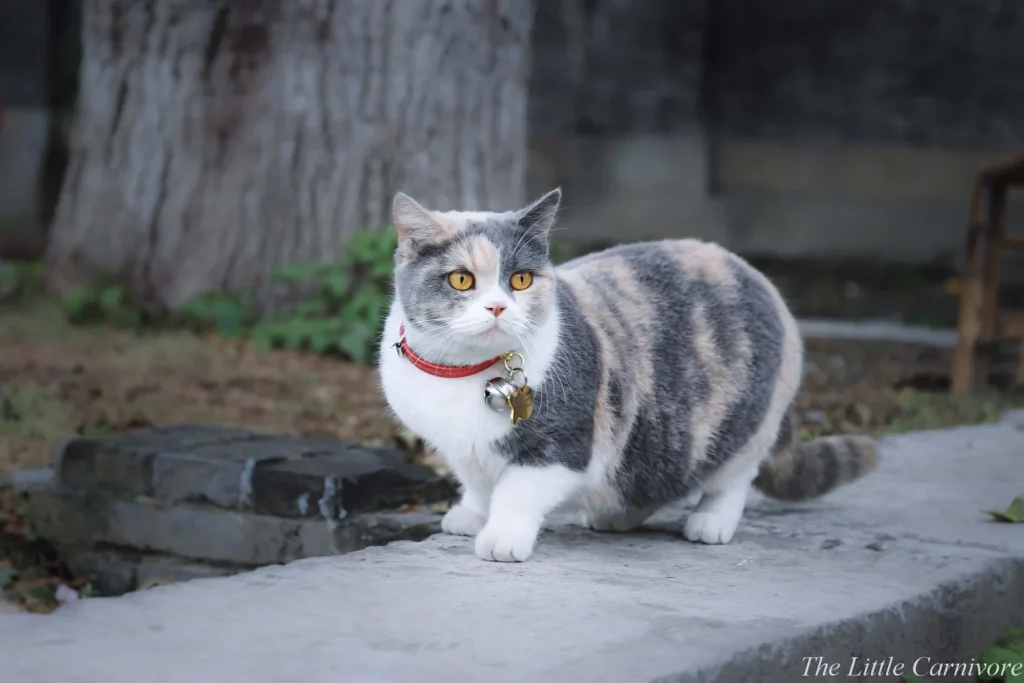
If you’re thinking about bringing a Munchkin cat into your home, it’s important to know about the health problems this unique breed might face. These adorable cats with their short legs capture hearts quickly, but their special body structure can come with certain risks.
Understanding these health issues early can help you keep your furry friend happy and healthy for years to come. Keep reading to discover what you need to watch out for and how to give your Munchkin the best care possible.
Common Health Issues
Munchkin cats are known for their short legs and playful nature. Their unique body structure can lead to some health challenges. Understanding common health issues helps owners care for their pets better. Regular check-ups and early detection improve their quality of life.
Spinal Problems
Munchkin cats have a higher risk of spinal problems. Their short legs put extra pressure on their spine. This pressure can cause pain and mobility issues. Some cats may develop lordosis, a condition where the spine curves abnormally. Early signs include stiffness and difficulty jumping. Regular vet visits help detect these problems early.
Joint Disorders
Joint disorders are common in Munchkin cats due to their body shape. Osteoarthritis can develop as they age, causing joint pain. Symptoms include limping and reluctance to move. Proper weight control reduces stress on joints. Providing soft bedding and gentle exercise supports joint health.
Obesity Risks
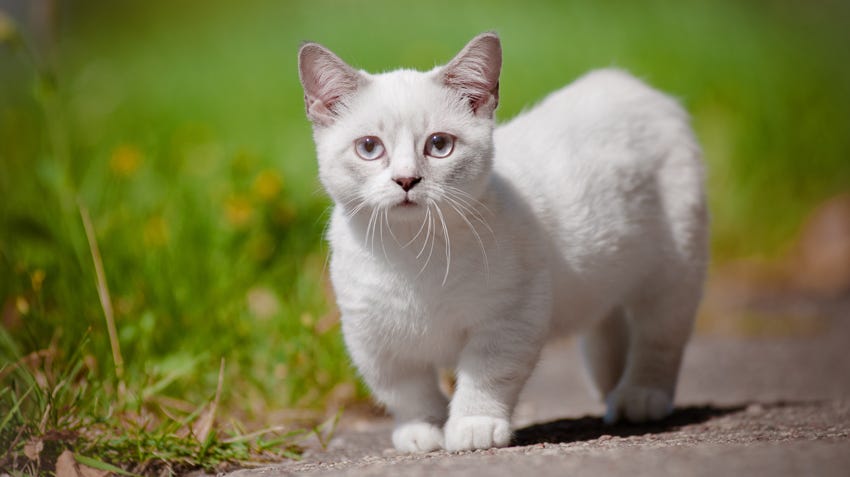
Obesity poses a serious risk for Munchkin cats. Extra weight strains their short legs and joints. Overfeeding and lack of exercise increase obesity chances. Balanced diet and regular playtime keep their weight in check. Maintaining a healthy weight lowers the risk of other health problems.
Credit: medium.com
Genetic Concerns
Munchkin cats are famous for their short legs and playful nature. These unique traits come from specific genes. Genetic concerns in this breed need careful attention. These concerns affect the cat’s health and well-being. Understanding these issues helps owners provide better care and prevent problems.
Inherited Diseases
Munchkin cats can inherit some health problems through their genes. One common issue is lordosis, a condition where the spine curves abnormally. This can cause pain or movement problems. Another inherited problem is pectus excavatum, where the chest is sunken in. It may affect breathing or heart function.
Genetic testing helps identify these diseases early. Breeders use tests to avoid passing harmful genes to kittens. Early diagnosis improves treatment options and quality of life.
Breeding Challenges
Breeding Munchkin cats is difficult because of their unique body shape. Breeders must be careful to avoid health problems. Mating two cats with short legs can cause serious genetic issues. Some kittens may not survive pregnancy or birth.
Responsible breeders mate Munchkins with cats that have normal legs. This reduces risks and keeps the breed healthy. Breeders also watch for signs of genetic diseases. Careful breeding improves the health of future generations.
Preventive Care Tips
Taking care of your Munchkin cat’s health means staying proactive. Preventive care helps catch problems early and keeps your furry friend happy. Knowing what steps to take can make a big difference in your cat’s quality of life.
Regular Vet Visits
Scheduling vet check-ups every six months lets you catch health issues before they become serious. Your vet can monitor your Munchkin’s unique body structure and spot potential problems like joint pain or spinal issues early.
Don’t wait for signs of illness. Regular visits allow for vaccinations, dental care, and parasite control, which all add up to a healthier life. If you’ve noticed your cat acting differently, bring it up at the next appointment.
Diet And Exercise
Your Munchkin’s short legs mean less natural exercise, so you need to help them stay active. Provide toys that encourage movement, like feather wands or laser pointers, to keep their muscles strong and joints flexible.
Nutrition also plays a huge role. Choose a balanced diet rich in protein and low in fillers to support healthy bones and muscles. Overweight Munchkins face more stress on their joints, so controlling food portions is key.
Early Detection Signs
How do you know if your Munchkin is in pain or discomfort? Watch for subtle signs like limping, reluctance to jump, or changes in grooming habits. These small clues often signal joint or spinal issues.
Behavior changes like hiding or sudden irritability can also indicate health problems. Pay attention to your cat’s normal routine and act fast if you notice anything unusual. Early action can prevent many serious complications.
Managing Chronic Conditions
Managing chronic conditions in Munchkin cats requires careful attention and ongoing care. These cats may face health challenges due to their unique body structure. Early detection and consistent treatment help improve their well-being. Owners must understand how to support their cat’s health over time.
Treatment Options
Treatment for chronic conditions varies depending on the illness. Vets often recommend medication to control symptoms and slow disease progression. Sometimes, dietary changes support overall health and manage weight. Regular check-ups help monitor the cat’s condition and adjust treatments. A tailored plan ensures the best care for each cat.
Pain Management
Pain is common in cats with chronic issues, especially joint or bone problems. Managing pain improves daily comfort and mobility. Vets may suggest pain relief medications or supplements. Gentle physical therapy can also reduce stiffness. Creating a quiet, cozy space helps cats rest and recover.
Quality Of Life
Maintaining quality of life is the main goal when managing chronic conditions. Providing a stress-free environment supports mental and physical health. Interactive toys and gentle play keep cats active without strain. Proper grooming prevents skin problems and boosts comfort. Loving attention strengthens the bond and eases anxiety.
Choosing A Healthy Munchkin
Choosing a healthy Munchkin cat is important for a happy pet and owner. This breed has unique features, but some health risks too. Careful choices help reduce problems and give your cat a better life.
Focus on where you get your Munchkin and what checks are done. Also, think about adopting from shelters or rescues. These steps support a strong, healthy cat.
Selecting Reputable Breeders
Choose breeders with good reputations. They breed cats with care and follow health rules. Check if breeders:
- Provide clear health records for parents
- Allow you to meet the kittens and their environment
- Answer your questions honestly
- Follow breed standards without risking health
Good breeders avoid breeding cats with known health problems. They focus on strong, healthy kittens.
Health Screenings
Health screenings catch problems early. Ask breeders about tests done on kittens and parents. Common checks include:
- Spinal and joint health tests
- Heart examinations
- Genetic screenings for inherited diseases
- General wellness exams
Health screenings improve your chances of getting a cat with fewer risks. Always request health certificates before deciding.
Adoption Advice
Adoption helps many cats find loving homes. Shelters and rescues sometimes have Munchkin cats. Adopting means:
- Saving a life
- Getting support from shelter staff
- Finding cats already checked for health
- Possibly lower costs than buying
Visit local shelters or search online for Munchkin cats needing homes. Patience is key; the right cat will come.

Credit: www.fidobiotics.com

Credit: purebredkitties.com
Frequently Asked Questions
What Are Common Health Issues In Munchkin Cats?
Munchkin cats often face spinal problems due to their short legs. They can develop lordosis and arthritis. Regular vet check-ups help detect issues early and maintain their health.
How Does Munchkin Cat’s Short Legs Affect Health?
Their short legs may cause joint stress and mobility issues. This can lead to arthritis or spinal problems. Proper exercise and a healthy weight reduce risks and improve their quality of life.
Are Munchkin Cats Prone To Genetic Diseases?
Yes, Munchkins may inherit genetic conditions like osteochondrodysplasia. This affects bone and cartilage development. Responsible breeding minimizes these risks, so always choose reputable breeders.
Can Munchkin Cats Live A Normal Lifespan?
With proper care, Munchkin cats can live 12-15 years. Regular veterinary visits, a balanced diet, and exercise promote longevity despite their unique body structure.
Conclusion
Munchkin cats can face some unique health challenges. Knowing these issues helps you care for them better. Regular vet visits catch problems early and keep your cat healthy. A good diet and exercise support strong bones and muscles. Watch for signs like trouble walking or pain.
Early action can make a big difference. Loving care and attention help your Munchkin live happily. Stay informed and give your cat the best life possible.
