

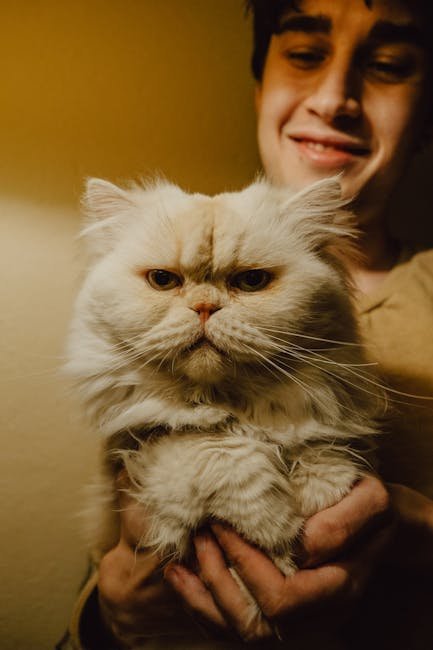
Are you ready to discover some of the most fascinating and unique domestic cat breeds? If you think all cats look the same, think again.
Exotic domestic cat breeds bring a splash of color, unusual patterns, and striking personalities right into your home. Whether you want a playful companion or a calm friend, these cats offer something truly special. Keep reading, and you’ll find out which exotic breed could be the perfect match for you and your lifestyle.
Your next feline friend might just surprise you!
Popular Exotic Breeds
Exotic domestic cat breeds capture attention with their unique looks and captivating personalities. These breeds offer something different from the usual cat companions, blending wild charm with affectionate behavior. If you’re considering adding a distinctive feline friend to your home, here are some popular exotic breeds to consider.
Bengal Cats
Bengal cats stand out with their striking leopard-like spots and energetic nature. They are playful and intelligent, often enjoying interactive toys and puzzles. If you want a cat that’s both beautiful and lively, Bengals might be the perfect match.
Many owners find Bengals can be quite vocal and demand attention. Are you ready for a cat that will keep you engaged and entertained every day?
Sphynx Cats
Sphynx cats are known for their hairless bodies and large, expressive eyes. Their lack of fur means they require regular skin care, but they make up for it with their loving and social personalities. They often act more like dogs, following you around and seeking warmth.
If you have allergies or prefer a cat with a unique look and affectionate nature, Sphynx cats can be a great choice. How would you feel having a cat that feels warm like a little puppy in your lap?
Savannah Cats
Savannah cats are a cross between domestic cats and the wild African serval, giving them a striking spotted coat and tall, lean build. They are highly active and curious, requiring plenty of space and mental stimulation. Their wild ancestry means they can be quite adventurous and bold.
Would you enjoy a cat that behaves more like a wild animal but lives with you? Savannah cats need an owner prepared for an energetic and sometimes unpredictable companion.
Scottish Fold Cats
Scottish Fold cats are famous for their unique folded ears, which give them an owl-like appearance. They tend to have calm and sweet temperaments, making them wonderful lap cats. Their playful yet gentle nature suits families and individuals alike.
Owning a Scottish Fold means appreciating a cat with distinctive looks and a loving personality. How important is a cat’s personality compared to its appearance for you?
Unique Traits
Exotic domestic cat breeds stand out with traits unlike common cats. Their unique features make them captivating pets and fascinating companions. These cats bring charm through their looks, behavior, and personality. Understanding these traits helps appreciate their special nature.
Distinctive Coat Patterns
Exotic cats display coats with striking patterns. Some have spots like wild leopards or rosettes. Others show marbled swirls or bold stripes. Their fur colors range from rich browns to silvery grays and creams. These patterns often appear in unexpected places like legs or tails. Coat texture varies from soft and plush to sleek and shiny.
Unusual Physical Features
Many exotic breeds have eye-catching physical traits. Some possess large, round eyes that seem to glow. Others have short, flat noses or wide-set ears. Their bodies might be muscular or slender, with long legs or compact frames. Some breeds have tufted ears or bushy tails, adding to their unique look. These features often reflect their wild ancestors.
Personality Highlights
Exotic cats offer diverse and charming personalities. They can be playful and curious, always exploring. Many show strong bonds with their owners, seeking attention and affection. Some breeds are calm and gentle, perfect for quiet homes. Others are energetic and vocal, eager to communicate. Their intelligence and social nature make them easy to train and love.
Care Requirements
Exotic domestic cat breeds often bring unique beauty and personality into your home, but they also come with specific care needs. Understanding these requirements is key to keeping your feline friend healthy and happy. Let’s break down the essential aspects of their care to help you provide the best environment for your exotic cat.
Diet And Nutrition
Exotic cats usually need a high-protein diet that mimics their natural eating habits. Look for quality cat food with real meat listed as the first ingredient. Avoid fillers like corn or soy, which can upset their digestive systems.
Some breeds may benefit from added supplements such as taurine, which supports heart and eye health. Ask your vet about the right balance of wet and dry food, as hydration plays a big role in maintaining their well-being.
Grooming Needs
Grooming varies widely among exotic breeds. Cats with short, dense fur like the Bengal need less frequent brushing—once or twice a week is usually enough. On the other hand, breeds with longer or thicker coats, such as the Scottish Fold, require daily grooming to prevent mats and tangles.
Pay attention to their ears and claws as well. Regular ear cleaning and nail trimming can prevent infections and discomfort. Have you noticed your cat’s coat looking dull or shedding excessively? It might be time to adjust your grooming routine.
Health Considerations
Exotic breeds often have unique health vulnerabilities. Some, like the Sphynx, are prone to skin conditions and need protection from sun exposure. Others may inherit genetic issues that affect their heart or joints.
Routine vet visits are crucial to catch problems early. Watch for signs like changes in appetite, energy, or litter box habits—these can indicate underlying health issues. How well do you know your cat’s normal behavior? Observing closely can make all the difference.
Choosing The Right Exotic Cat
Choosing an exotic domestic cat means finding a breed that fits your lifestyle and personality. Some cats need more attention, while others are calm and independent. Understanding their traits helps create a happy home for both you and your pet.
Choosing the Right Exotic Cat Selecting the perfect exotic cat for your home is an exciting yet crucial decision. These unique felines come with specific needs and characteristics that require careful consideration. Understanding your lifestyle, the space you can provide, and your budget will help ensure a harmonious relationship with your exotic cat.Lifestyle Compatibility
Consider your daily routine and how much time you can dedicate to your new pet. Exotic breeds like the Bengal or the Savannah are known for their high energy levels. They thrive in active homes where they can engage in play and mental stimulation. If you’re someone who travels frequently or works long hours, a more independent breed like the Egyptian Mau might be better suited for you. Think about how much interaction you can realistically offer your feline friend. Your lifestyle should align with the breed’s social and physical needs to ensure a happy coexistence.Space And Environment
The space in which you live plays a significant role in your cat’s happiness. Large breeds such as the Chausie or the Maine Coon require ample room to roam and explore. These cats flourish in homes with plenty of vertical space, like cat trees or shelves. Smaller breeds or those with a more relaxed demeanor, like the Singapura, can adapt well to apartment living. Assess your home environment and consider if it’s equipped to handle an adventurous cat. Creating a stimulating and safe environment is key to keeping your exotic pet content.Budget And Expenses
Owning an exotic cat can be a financial commitment. These breeds often come with higher upfront costs due to their rarity and breeding. Additionally, they may require specialized diets, grooming, and veterinary care. Consider the long-term costs of owning an exotic cat, including food, toys, and potential health issues. It’s essential to factor in these expenses to ensure you can provide the best care. Are you prepared for the financial responsibility that comes with owning an exotic breed? Understanding these costs will help you make an informed decision.Where To Find Exotic Cats
Finding an exotic domestic cat breed that fits your lifestyle can be exciting but challenging. You want a healthy, well-socialized pet, and the source matters. Knowing where to look makes all the difference in bringing home a unique feline companion.
Reputable Breeders
Reputable breeders are often the best place to find purebred exotic cats. They focus on the health and temperament of their cats, providing detailed background information and health clearances. Visiting a breeder in person lets you see the living conditions and meet the kitten’s parents.
Ask breeders about their breeding practices and request references from previous buyers. A trustworthy breeder welcomes your questions and offers ongoing support. Have you ever met a breeder who made you feel completely confident about your choice? That comfort is crucial.
Adoption Centers
Adoption centers and shelters sometimes have exotic breeds or mixed breeds with exotic traits. While less common, adopting from these centers gives a second chance to cats in need of homes. It’s also a more budget-friendly option compared to buying from breeders.
Check with specialty rescue groups focused on specific breeds like the Bengal or Sphynx. You might be surprised by the variety available. Could an adoption center hold your perfect exotic companion?
Online Resources
Online platforms offer a wide range of exotic cats, connecting you to breeders, rescues, and private sellers worldwide. Websites like The International Cat Association (TICA) and Cat Fanciers’ Association (CFA) list registered breeders and upcoming litters.
Social media groups and forums provide real-time updates and community advice. Be cautious and verify the credibility of sellers to avoid scams or unethical practices. What questions will you ask to ensure your online source is reliable?
Living With Exotic Cats
Living with exotic domestic cats offers a unique blend of beauty and personality that can transform your home into a lively and fascinating environment. These cats often have distinct traits that set them apart from typical house cats, making your experience both rewarding and challenging. Understanding their behavior, building a strong bond, and anticipating potential difficulties will help you create a harmonious life together.
Behavior And Training
Exotic cats can be highly intelligent and curious, which means they often get bored easily. Without enough mental and physical stimulation, they might develop unwanted habits like scratching furniture or excessive meowing.
Training these cats requires patience and consistency. Use positive reinforcement—treats and praise work better than punishment. Teaching simple commands like “sit” or “come” can help channel their energy in a productive way.
Have you noticed how some exotic cats enjoy interactive toys more than others? Tailoring activities to their preferences can make training more effective and enjoyable for both of you.
Bonding Tips
Building a strong bond with your exotic cat starts with understanding their unique personality. Some may be more independent, while others crave attention and affection.
Spend quality time daily through play sessions or quiet petting moments. Using toys that mimic hunting behaviors, like feather wands or laser pointers, can deepen your connection.
Try talking to your cat in a calm voice and observe their reactions. Over time, you’ll learn what makes them comfortable and happy. Have you tried creating a special routine that your cat looks forward to every day?
Common Challenges
Exotic cats can sometimes be more sensitive to changes in their environment. Moving to a new home or introducing new pets might cause stress or anxiety.
They might also have higher grooming needs, especially breeds with longer or denser coats. Regular brushing is essential to prevent mats and hairballs.
Another challenge is their health; some exotic breeds are prone to specific conditions. Staying informed about these risks and scheduling regular vet visits can keep your cat healthy and thriving.
Frequently Asked Questions
What Are Exotic Domestic Cat Breeds?
Exotic domestic cat breeds have unique appearances and rare traits. They are hybrids or selectively bred for distinct looks. These breeds include the Bengal, Sphynx, and Scottish Fold. They combine exotic features with friendly domestic temperaments, making them popular among cat lovers.
How Do Exotic Cat Breeds Differ From Common Breeds?
Exotic cat breeds differ in appearance, personality, and rarity. They often have unusual coats, colors, or body shapes. Their temperaments can be more playful or affectionate. These breeds require special care, making them distinct from common domestic cats.
Are Exotic Cat Breeds Suitable For Families?
Yes, many exotic cat breeds are family-friendly. They are social, affectionate, and adapt well to homes. However, some may need extra grooming or attention. Research each breed’s needs to ensure a good fit for your family lifestyle.
What Health Issues Affect Exotic Cat Breeds?
Exotic cat breeds may face breed-specific health problems. For example, Scottish Folds can have cartilage issues. Bengals might need regular dental care. Regular vet visits and proper care help maintain their health and longevity.
Conclusion
Exotic domestic cat breeds bring unique beauty to any home. They offer playful energy and loving companionship. Each breed has its own special traits and charm. Choosing the right cat means thinking about your lifestyle. These cats can brighten your days with their curious nature.
Enjoy the adventure of caring for a one-of-a-kind pet. Every exotic cat has a story waiting to be told. Their striking looks and friendly hearts make them great friends. Embrace the joy these special cats can bring to life.
