


Do you get cats groomed? If you’re a cat owner, this question might have crossed your mind more than once.
You love your furry friend, but grooming can feel like a tricky task. Maybe you wonder if it’s really necessary or how often it should be done. What if there was a simple way to keep your cat healthy, happy, and looking great without stress?
Keep reading to discover everything you need to know about cat grooming—and how it can make a real difference in your pet’s life.
)
Credit: www.northroadvet.com.au
Benefits Of Grooming Cats
Grooming your cat offers more than just a neat appearance. It plays a key role in keeping your feline friend healthy and comfortable. Regular grooming helps maintain their coat, reduces shedding, prevents hairballs, and even lets you spot health problems early.
Improving Coat Health
Brushing your cat removes dirt, debris, and loose fur from their coat. This encourages the natural oils to spread evenly, making the fur shinier and softer. Have you noticed how a well-groomed cat often looks more vibrant and feels smoother to the touch? That’s the direct benefit of regular grooming.
Reducing Shedding
Shedding can be overwhelming, especially during seasonal changes. Regular grooming helps catch loose fur before it falls all over your furniture. This means less fur on your clothes and floors, which makes your home cleaner and your cat more comfortable.
Preventing Hairballs
Cats groom themselves constantly, which means they swallow a lot of loose fur. This fur can form hairballs in their stomach, which are uncomfortable and sometimes harmful. By brushing your cat often, you reduce the amount of loose hair they ingest, lowering the chances of hairballs.
Detecting Health Issues Early
Grooming sessions give you a chance to check your cat’s skin and body closely. You might spot unusual lumps, bumps, or skin irritations before they become serious. Early detection can save your cat from pain and costly treatments later on—do you regularly check your pet during grooming?
When To Groom Your Cat
Knowing when to groom your cat is key to keeping them healthy and happy. Grooming isn’t just about looks; it helps prevent matting, reduces shedding, and can even spot health issues early. But how do you tell the right time to pick up that brush or schedule a professional grooming session?
Signs Your Cat Needs Grooming
Watch for these clear signs your cat could use some grooming attention:
- Matting or tangles:If your cat’s fur feels clumpy or knotted, it’s time to groom.
- Excessive shedding:Notice more fur around the house or on your clothes? Grooming helps manage this.
- Dirty or greasy coat:A dull or oily coat can mean your cat isn’t grooming enough on their own.
- Skin irritation or odor:Grooming can reveal skin problems or infections early.
- Behavior changes:If your cat seems uncomfortable or avoids being touched, check their fur and skin closely.
Ignoring these signs can lead to discomfort for your cat and more work for you later.
Seasonal Grooming Tips
Different seasons affect your cat’s grooming needs. In spring and fall, cats shed more, so brushing daily can help manage loose fur and prevent hairballs.
Winter often means a thicker coat, but less shedding. Still, grooming helps remove dead hair and keeps the coat healthy.
Summer requires extra attention to check for ticks or fleas your cat might pick up outdoors. Use grooming time to inspect their skin closely.
Have you noticed your cat’s shedding patterns change with the seasons? Adjust your grooming routine to match those shifts for best results.
Frequency Based On Fur Type
Short-haired cats usually need grooming once a week to remove dead hair and reduce shedding. Long-haired breeds demand more frequent care—often daily brushing—to prevent mats and tangles.
Sphynx or hairless cats benefit from weekly baths and gentle wiping to remove oils and dirt that would normally be absorbed by fur.
Consider your cat’s lifestyle too. Indoor cats often need less grooming than active outdoor explorers who encounter more dirt and debris.
How often do you groom your cat? Tailoring the frequency to their fur type and lifestyle makes grooming easier and more effective.
Grooming Tools For Cats
Proper grooming tools help keep cats clean and healthy. They make grooming easier and safer for both pets and owners. Using the right supplies can reduce hairballs, mats, and skin problems. Each cat’s fur type and needs differ. Choosing suitable tools improves comfort and effectiveness.
Choosing The Right Brush
Select brushes based on your cat’s coat type. Short-haired cats need soft bristle brushes. Long-haired cats benefit from wide-toothed combs or slicker brushes. Regular brushing removes loose fur and prevents tangles.
- Soft bristle brushes: gentle for sensitive skin
- Slicker brushes: good for thick or curly fur
- Wide-toothed combs: detangle mats carefully
Test brushes gently. Watch your cat’s reaction. Stop if it causes discomfort.
Using Nail Clippers Safely
Trim your cat’s nails carefully to avoid pain. Use clippers made for cats or small pets. Hold the paw firmly but gently. Cut only the sharp tip, avoiding the pink quick.
- Use bright light to see nails clearly
- Trim small amounts at a time
- Stop if your cat struggles or shows stress
Keep styptic powder nearby for accidental cuts. Regular trims prevent scratching and nail damage.
Specialized Grooming Supplies
Some cats need extra care beyond brushing and nail trimming. Specialized tools help with sensitive skin or heavy shedding.
- Deshedding tools: reduce loose fur effectively
- Grooming gloves: remove hair with gentle strokes
- Ear cleaners: keep ears free from wax and dirt
- Pet-safe wipes: clean fur without water
Choose products made for cats only. Avoid harsh chemicals or strong scents.
Step-by-step Grooming Process
Grooming your cat keeps its coat healthy and shiny. It also helps spot health issues early. A calm and gentle approach makes grooming easier for both of you. This step-by-step guide covers key parts of the grooming routine. Follow these tips for a smooth experience.
Preparing Your Cat
Find a quiet, comfortable spot for grooming. Use soft voices to relax your cat. Offer treats to create positive feelings. Check your cat’s fur and skin for mats or dirt. Gather all grooming tools before starting. This saves time and avoids interruptions.
Brushing Techniques
Choose the right brush for your cat’s fur type. Use gentle strokes in the direction of hair growth. Focus on areas prone to tangles like behind ears and under legs. Brush regularly to reduce shedding and hairballs. Stop if your cat shows signs of stress. Praise and reward with treats to encourage good behavior.
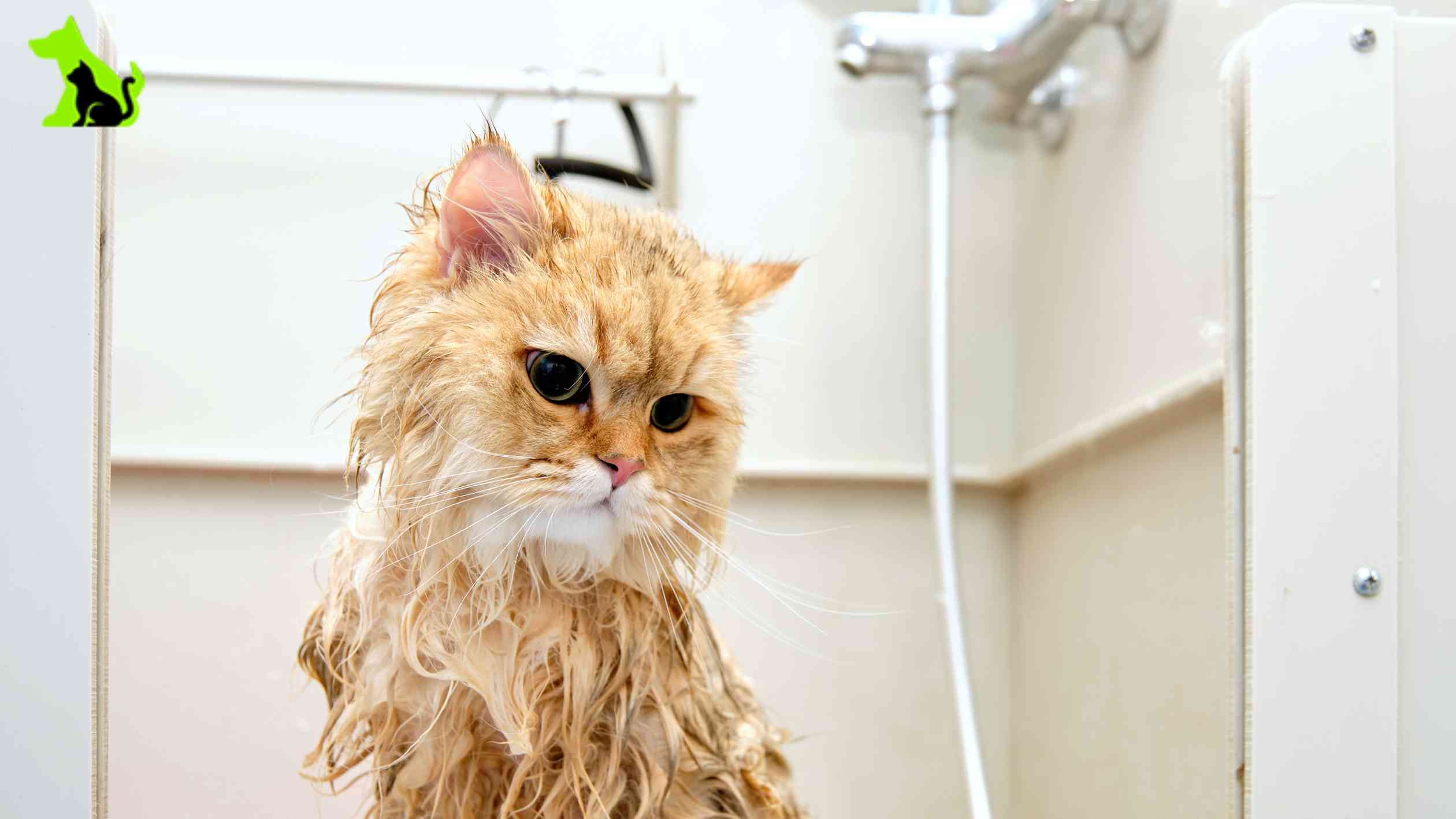
Bathing Your Cat
Use warm water and cat-safe shampoo. Fill the sink or tub with a few inches of water. Wet your cat slowly, avoiding the head. Apply shampoo gently and rinse thoroughly. Dry your cat with a soft towel. Keep the room warm to prevent chills. Bathing is not needed often unless your cat is very dirty.
Nail Trimming Tips
- Use sharp, small nail clippers designed for cats.
- Hold your cat’s paw firmly but gently.
- Trim only the sharp tip, avoiding the pink quick.
- If unsure, trim a little at a time.
- Stop if your cat resists or you see bleeding.
- Use styptic powder to stop bleeding if needed.
- Reward your cat with treats after trimming.
Handling Grooming Challenges
Grooming cats can sometimes be challenging. Cats may resist or show signs of stress during grooming sessions. Understanding how to handle these challenges helps keep grooming safe and effective.
Patience and calmness are key. Small steps and gentle handling build trust. Recognizing common problems helps prepare for smoother grooming.
Dealing With Aggressive Cats
Some cats react aggressively to grooming. They may scratch, bite, or run away. Staying calm is essential. Use soft voices and slow movements.
Try these tips:
- Trim nails before grooming to reduce injury risk.
- Use a towel to gently hold the cat if needed.
- Offer treats to reward calm behavior.
- Take breaks if the cat becomes too stressed.
Never force grooming. It can worsen aggression and fear.
Managing Matting And Tangles
Matting causes discomfort and skin problems. Regular brushing reduces mats. Start with a wide-tooth comb for tough tangles.
For mats:
- Hold the fur close to the skin to avoid pulling.
- Use detangling sprays made for cats.
- Work gently from the outer edges toward the skin.
- Cut mats only if brushing fails and with care.
Prevent mats by grooming often, especially for long-haired cats.
When To Seek Professional Help
Some grooming challenges require expert care. Professional groomers handle difficult cats safely. They have tools and skills for tough mats and hygiene.
Consider professional help if:
- Your cat shows extreme fear or aggression.
- Mats are large or close to the skin.
- Your cat needs nail trimming but resists strongly.
- You are unsure about safe grooming techniques.
Professionals protect your cat’s health and comfort during grooming.
Grooming Long-haired Vs Short-haired Cats
Grooming cats depends a lot on their coat type. Long-haired cats need more care than short-haired ones. Their fur can easily tangle and mat. Short-haired cats usually groom themselves well but still need some help.
Specific Needs Of Long-haired Cats
Long-haired cats require daily brushing to stop mats and tangles. Use a wide-toothed comb or slicker brush. Check for dirt and debris in their fur. Long-haired cats may need occasional trimming around sensitive areas. Bathing helps reduce oil and dirt buildup. Pay attention to their ears and paws during grooming. Regular grooming keeps their coat shiny and healthy.
Care Tips For Short-haired Cats
Short-haired cats need less brushing, about once or twice a week. Use a soft bristle brush or grooming glove. Brushing helps remove loose fur and reduces hairballs. Check their skin for any signs of irritation or fleas. Bathing is rarely needed unless very dirty. Grooming short-haired cats is quicker but still important for their health.
Health Benefits Beyond Appearance
Grooming your cat isn’t just about making them look nice. It plays a crucial role in their overall health and well-being. Beyond the shiny coat and tidy fur, regular grooming can bring several surprising health benefits that impact both your cat and your home environment.
Reducing Allergens
Regular grooming helps to remove loose fur, dander, and dust from your cat’s coat. This can significantly reduce allergens that trigger sneezing, watery eyes, or even asthma attacks in sensitive individuals.
Brushing your cat frequently traps these particles before they spread around your living space. Have you noticed how a well-groomed cat seems less likely to cause allergy flare-ups?
Promoting Better Behavior
Grooming isn’t only about cleanliness; it helps your cat feel more comfortable and less stressed. Cats with matted or dirty fur often become irritable or hide away, affecting their mood and behavior.
By keeping their coat clean, you reduce discomfort and the urge to over-groom or scratch excessively. This simple act can prevent behavioral issues like aggression or anxiety.
Enhancing Bonding With Your Cat
Spending time grooming your cat creates a special bond between you. It’s a quiet, gentle interaction that builds trust and strengthens your relationship.
Many cat owners find grooming sessions become moments of calm connection. Could this be the key to a happier, more affectionate pet?
Credit: hellopetsinc.com

Credit: services.petsmart.com
Frequently Asked Questions
How Often Should You Get Cats Groomed?
Cats generally need grooming every 4 to 6 weeks. Regular grooming prevents matting and reduces shedding. Long-haired cats may require more frequent care. Grooming keeps their coat clean and healthy. It also helps detect skin issues early.
What Are The Benefits Of Professional Cat Grooming?
Professional grooming keeps cats clean, healthy, and comfortable. It removes mats, excess fur, and dirt. Groomers can trim nails safely and clean ears. They also spot skin problems or parasites early. This reduces stress and improves your cat’s overall well-being.
Can All Cats Be Groomed Professionally?
Yes, most cats can be groomed professionally. However, shy or aggressive cats may need special handling. Long-haired and older cats benefit most from grooming. Always inform groomers about your cat’s health. Choose experienced groomers for the best care.
Is Grooming Stressful For Cats?
Grooming can be stressful if done incorrectly. Gentle handling and short sessions reduce stress. Professional groomers use calming techniques to ease anxiety. Regular grooming helps cats get used to the process. Positive reinforcement also improves their grooming experience.
Conclusion
Cats need grooming to stay clean and healthy. Regular brushing helps reduce hairballs and mats. Some cats enjoy baths, but many do not. Professional grooming can help with tricky areas like nails and ears. Grooming also lets you check for skin problems or parasites.
It can strengthen the bond between you and your cat. Keep grooming sessions short and gentle to avoid stress. Clean cats are happier and more comfortable every day. So, consider grooming as part of your cat care routine. It benefits both you and your furry friend.
