

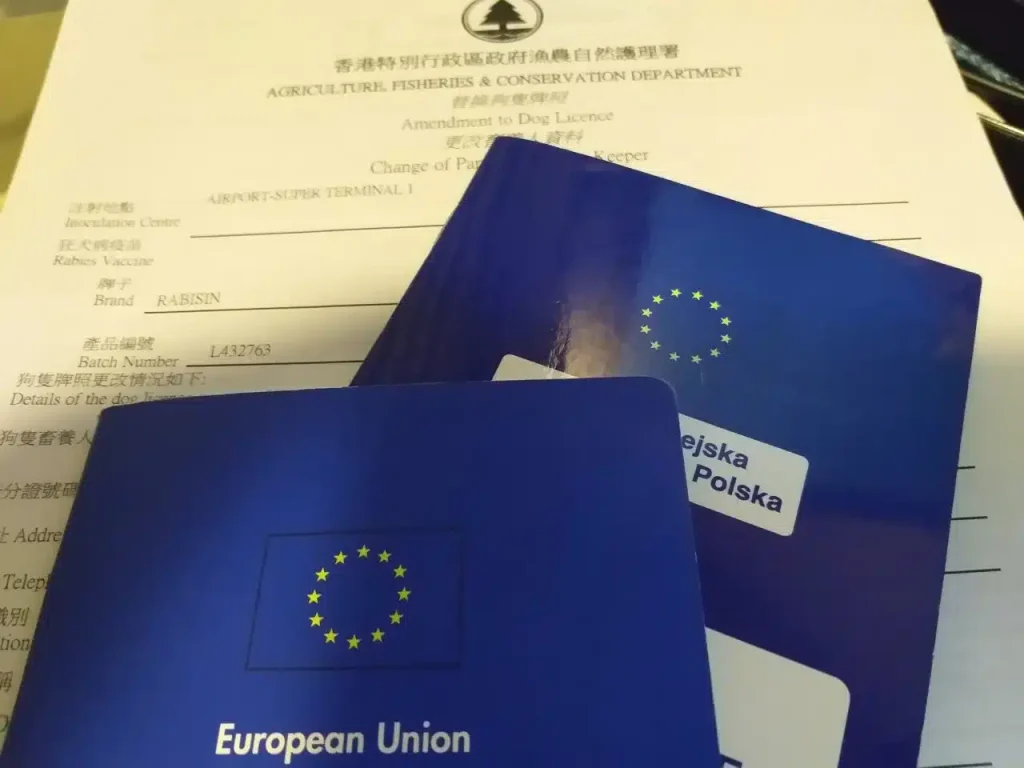
Planning to travel with your cat? Before you pack your bags, there’s one important document you need: the International Health Certificate for Cats.
This certificate proves your furry friend is healthy and ready to cross borders safely. Without it, your trip could face delays or even cancellations. You’ll discover exactly what this certificate is, why it matters, and how to get it hassle-free.
Keep reading to make sure your cat’s next adventure goes smoothly from start to finish.

Credit: www.goodshepherd-hs.org
Purpose Of International Health Certificates
The International Health Certificate for cats plays a key role in pet travel. It serves as proof that your cat meets health standards. This document helps protect your cat and other animals during travel. It also makes crossing borders smoother and safer.
Ensuring Pet Health
The certificate confirms your cat is free from diseases. It shows your cat has received necessary vaccinations. A vet examines your cat to check its health. This step prevents the spread of illness across countries. It keeps your cat safe and healthy during trips.
Meeting Import Requirements
Many countries require this certificate for pet entry. It proves your cat meets local health rules. Officials use it to verify your cat’s status quickly. Without it, your cat may face quarantine or denial. The certificate simplifies customs and border control procedures.
When You Need A Health Certificate
Knowing when you need an International Health Certificate for your cat can save you from last-minute travel headaches and legal troubles. This document proves your pet is healthy and meets the destination country’s requirements. It’s not just a formality—it’s a critical step that protects your cat and ensures smooth travel or adoption processes.
Traveling Across Borders
If you plan to take your cat on an international trip, a health certificate is usually mandatory. Airlines and border officials require it to confirm your cat has no contagious diseases and has received necessary vaccinations.
Each country sets its own rules about the timing and type of health checks. For example, some countries demand the certificate be issued within 10 days before arrival. Check these details early to avoid surprises at the airport.
Have you ever faced delays because paperwork wasn’t ready? Preparing this certificate in advance keeps your journey stress-free and your cat safe.
Adopting Or Exporting Cats
When adopting a cat from another country or exporting one yourself, a health certificate is essential. It assures the new owner that the cat is healthy and free from diseases.
Exporting cats involves strict regulations, often including quarantine requirements and specific vaccinations. Without the right certificate, your cat may be refused entry or sent back, causing distress and expense.
Think about the peace of mind you want for both you and the new owner. A valid health certificate helps build trust and smooths the adoption or export process.
Key Components Of The Certificate
The International Health Certificate for Cats is more than just a piece of paper. It confirms that your feline friend meets all health requirements for travel, keeping both your cat and others safe. Understanding the key components of this certificate helps you prepare everything needed for a smooth journey.
Vaccination Records
Vaccination records are a crucial part of the certificate. They show your cat has received all necessary vaccines, such as rabies, which many countries require. Keep these records up-to-date and make sure they include the dates and types of vaccines administered.
Have you ever experienced last-minute travel delays because a vaccine was missing or expired? Staying ahead with accurate vaccination records can save you from that hassle.
Parasite Treatments
Parasite treatments protect your cat from ticks, fleas, and worms that can spread diseases across borders. The certificate must list recent treatments, including the medication used and the date given. Some countries require treatment within a specific timeframe before arrival, so timing matters.
Think about how a tiny parasite could disrupt your travel plans or your cat’s health. Providing proof of treatment reassures border officials and keeps your trip stress-free.
Veterinarian’s Examination
A thorough vet examination confirms your cat is healthy and fit to travel. The vet checks for signs of illness or contagious diseases and records their findings on the certificate. This step is vital because even if your paperwork is perfect, a sick cat won’t be allowed to travel.
Remember the last time you took your cat to the vet for a check-up? That visit can make all the difference between a smooth trip and unexpected quarantine.

Credit: www.goodshepherd-hs.org
Steps To Obtain The Certificate
Getting an International Health Certificate for your cat might seem like a hassle, but knowing the exact steps can make the process much smoother. This certificate is crucial for traveling across borders with your feline friend, ensuring they meet health standards and avoid quarantine. Understanding what you need to do will save you time and stress before your trip.
Scheduling The Vet Visit
Start by booking an appointment with a licensed veterinarian who is authorized to issue international health certificates. Don’t wait until the last minute—some countries require the certificate to be issued within a specific time frame before travel.
Ask your vet about any additional vaccinations or treatments your cat might need based on your destination. This proactive approach can prevent unexpected delays at the border.
Required Documentation
Bring your cat’s complete medical records to the vet visit, including vaccination history and any previous health issues. Your vet will need this information to confirm your cat’s health status.
You may also need proof of microchip implantation if required by the country you’re visiting. Double-check the specific document requirements for your destination to avoid missing anything important.
Timing And Validity
Understand the timing rules for issuing the certificate: many countries require it to be dated within 10 days of travel. Planning ahead ensures the certificate is valid when you need it.
Remember, the certificate’s validity can vary—some accept it for a few days, others for several weeks. Keep track of these details to avoid last-minute surprises.
Country-specific Requirements
Understanding country-specific requirements is essential when preparing an International Health Certificate for your cat. Each destination enforces its own rules to protect local animal populations and prevent the spread of diseases. Knowing these regulations beforehand saves you time, money, and stress during travel.
Common Regulations
Most countries require proof that your cat is vaccinated against rabies, often within a specific timeframe before travel. A veterinary health check confirming your cat is free from contagious diseases is also standard. Additionally, some countries ask for microchipping as a form of permanent identification.
Many destinations demand that the health certificate be issued within a limited period, usually 10 days before entry. You may also need to provide parasite treatments, such as ticks and tapeworms, administered shortly before travel. The certificate must often be endorsed by an official government veterinary authority to be valid.
Examples From Popular Destinations
| Country | Key Requirements | Additional Notes |
|---|---|---|
| United States |
| Some states may have extra rules; check local regulations |
| United Kingdom |
| Certificate must be endorsed by an official vet |
| Australia |
| Strict entry rules; early planning is vital |
Have you checked the latest requirements for your destination? Regulations can change, and missing a small detail might delay your trip. Always consult the official government websites or a trusted vet experienced in international pet travel before finalizing your plans.
Common Challenges And Solutions
Obtaining an International Health Certificate for your cat can be a complex process filled with unexpected bumps. Challenges often arise that can delay your plans or even cause your paperwork to be rejected. Understanding these common issues—and how to tackle them—can save you time and stress.
Delays In Documentation
One common hurdle is the delay in getting the necessary paperwork ready. Veterinary offices may require appointments weeks in advance, especially if specific tests or vaccinations are needed.
To avoid delays, schedule your vet visits early and confirm all required documents with the destination country’s regulations. Double-check if your cat needs treatments like rabies shots or parasite control within a certain timeframe.
Have you ever waited last minute only to find out a crucial test wasn’t done on time? Planning ahead prevents these frustrating surprises.
Dealing With Rejections
Even after submitting all paperwork, you might face rejection due to minor errors or missing information. Authorities are strict about details like signature authenticity, date accuracy, and proper forms.
If your certificate is rejected, don’t panic. Contact the issuing vet immediately to correct errors. Keep copies of all documents and a checklist to ensure nothing is overlooked.
Consider these tips to reduce rejection risk:
- Use a checklist based on the country’s official pet import requirements.
- Verify that every page is signed and stamped correctly.
- Keep digital and physical copies of all paperwork.
Have you prepared everything meticulously, yet still faced rejection? What adjustments did you make to succeed next time? Sharing your experience could help others avoid similar pitfalls.
Tips For Smooth International Travel With Cats
Traveling internationally with your cat can be a rewarding experience, but it requires careful preparation to keep your furry friend safe and comfortable. Understanding what your cat needs and how to prepare them helps reduce stress for both of you. Here are some practical tips that make the journey smoother and more enjoyable.
Preparing Your Cat
Start by getting your cat used to their carrier at home. Leave it open with familiar blankets and toys inside. This encourages your cat to see it as a safe space rather than a trap.
Check your cat’s health and vaccinations well before the trip. Many countries require up-to-date vaccinations and a valid International Health Certificate. Make sure all paperwork is ready to avoid last-minute issues.
Consider your cat’s feeding schedule on travel day. Feeding a small meal a few hours before departure can prevent nausea. Always have fresh water available during the journey.
Choosing The Right Carrier
Your choice of carrier impacts your cat’s comfort and safety. Look for a carrier that is well-ventilated and sturdy enough to protect your cat during travel. Soft-sided carriers work well for car trips, but hard-sided carriers often meet airline regulations better.
Size matters. The carrier should be big enough for your cat to stand, turn around, and lie down comfortably. Too tight, and your cat will feel trapped; too loose, and they might get tossed around.
Don’t forget to label the carrier with your contact information and your cat’s name. This simple step can be crucial if your cat gets separated from you.

Credit: www.goodshepherd-hs.org
Frequently Asked Questions
What Is An International Health Certificate For Cats?
An International Health Certificate verifies a cat’s health for travel. It includes vaccination records and a vet’s inspection. This document is essential for crossing borders and meeting pet import regulations.
How Do I Get An International Health Certificate For Cats?
Visit a licensed veterinarian to examine your cat. The vet will complete the certificate after confirming health and vaccinations. Make sure to schedule this before your travel date as some countries require recent certificates.
Why Is An International Health Certificate Important For Cats?
It ensures your cat meets health and vaccination requirements abroad. This certificate helps prevent disease spread and facilitates smooth entry at customs. Without it, your cat might face quarantine or denied entry.
How Long Is An International Health Certificate Valid?
Typically, the certificate is valid for 10 days from the vet’s signature. Some countries may have different validity periods, so check specific travel rules well in advance of your trip.
Conclusion
Getting an international health certificate for your cat is important. It helps keep your pet safe during travel. The certificate shows your cat meets health rules. This makes crossing borders easier and faster. Always check the rules of the country you visit.
Talk to your vet early to prepare all papers. Keep your cat’s health records ready. This small step can save stress and trouble. Safe travels start with proper planning and care. Your cat will thank you with a happy journey.
