

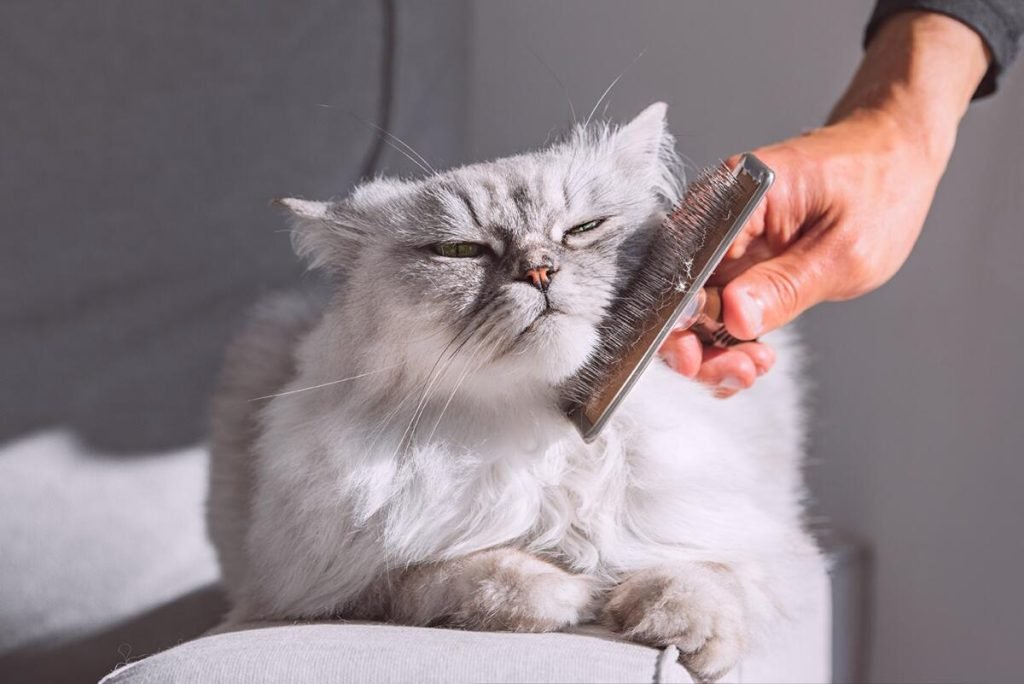
Do you ever wonder if your cat really needs grooming? You might think cats can take care of themselves, but the truth is, your furry friend could benefit more than you realize.
Grooming isn’t just about keeping your cat looking good—it can boost their health and happiness too. If you want to learn simple ways to keep your cat comfortable and shining, keep reading. This guide will help you understand why grooming matters and how you can make it a stress-free part of your routine.
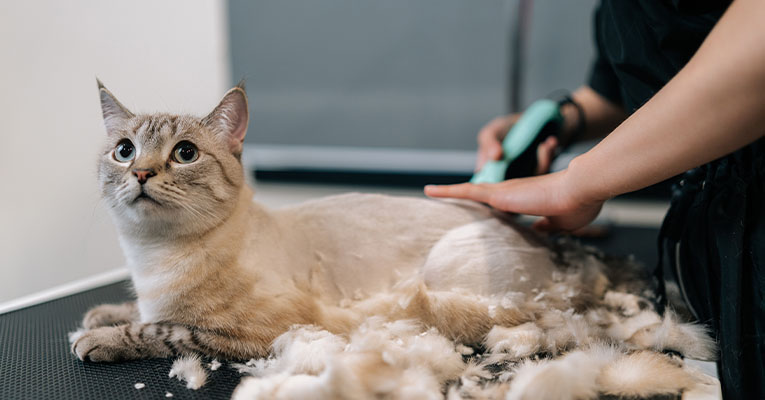
Credit: www.zoomzoomgroom.com
Why Grooming Matters
Grooming is more than just keeping your cat looking good. It plays a key role in their overall well-being. Regular grooming helps maintain your cat’s health, behavior, and your relationship with them. Understanding why grooming matters can improve your cat’s quality of life and happiness.
Health Benefits
Grooming removes dirt, loose fur, and dead skin from your cat’s coat. It helps prevent hairballs and skin infections. Regular brushing improves blood flow and stimulates natural oil production. It also allows you to spot health issues like lumps or parasites early. Clean fur means less shedding and fewer allergens in your home.
Behavioral Impact
Grooming calms many cats and reduces stress. It helps control shedding and matting, which can cause discomfort. Cats that are groomed often feel more relaxed and less anxious. Grooming routines create a sense of security and routine for your cat. It can reduce aggressive or nervous behaviors linked to poor coat care.
Bonding With Your Cat
Grooming time strengthens the bond between you and your cat. It’s a quiet moment of trust and care. Your cat learns to feel safe and loved during grooming sessions. This time together builds a deeper connection and improves your cat’s social skills. Grooming is a simple way to show affection daily.

Credit: www.latimes.com
Types Of Cat Coats
Cats come with different types of coats, each requiring unique grooming care. Understanding your cat’s coat helps you decide how much attention and effort to give during grooming. Your cat’s comfort and health depend on how well you manage their specific coat needs.
Short Hair Cats
Short hair cats have smooth, dense fur that lies close to their skin. Their grooming needs are generally low, but they still benefit from regular brushing to remove loose hair and reduce shedding. Brushing once or twice a week can keep their coat shiny and skin healthy.
Have you noticed how your short-haired cat loves a quick brush? It’s a great bonding moment and also helps spot any skin problems early.
Long Hair Cats
Long hair cats have thick, flowing fur that can easily tangle and mat. They require daily brushing to prevent knots and hairballs. If neglected, their coat can become uncomfortable and lead to skin issues.
Pay close attention to areas like behind the ears and under the legs, where mats often start. You might find that using a wide-tooth comb and a slicker brush works best to keep their coat smooth.
Hairless Breeds
Hairless cat breeds, like the Sphynx, might seem like they don’t need grooming, but they do. Without fur, their skin produces oils that build up and require regular cleaning. You’ll need to gently wipe their skin with a damp cloth or give occasional baths.
Do you know your hairless cat’s skin can get dry or oily quickly? Regular care prevents skin problems and keeps your cat comfortable and healthy.
Grooming Essentials
Grooming is a key part of keeping cats healthy and happy. It helps remove loose fur and dirt. Grooming also prevents hairballs and skin problems. Understanding the basics helps you care better for your cat. Here are the grooming essentials every cat owner should know.
Brushing Techniques
Use a brush that fits your cat’s fur type. Long-haired cats need a wide-tooth comb or slicker brush. Short-haired cats do well with a soft bristle brush. Brush gently in the direction of hair growth. Focus on areas like the neck, back, and tail. Brushing daily reduces shedding and mats. Be calm and patient to keep your cat relaxed.
Bathing Tips
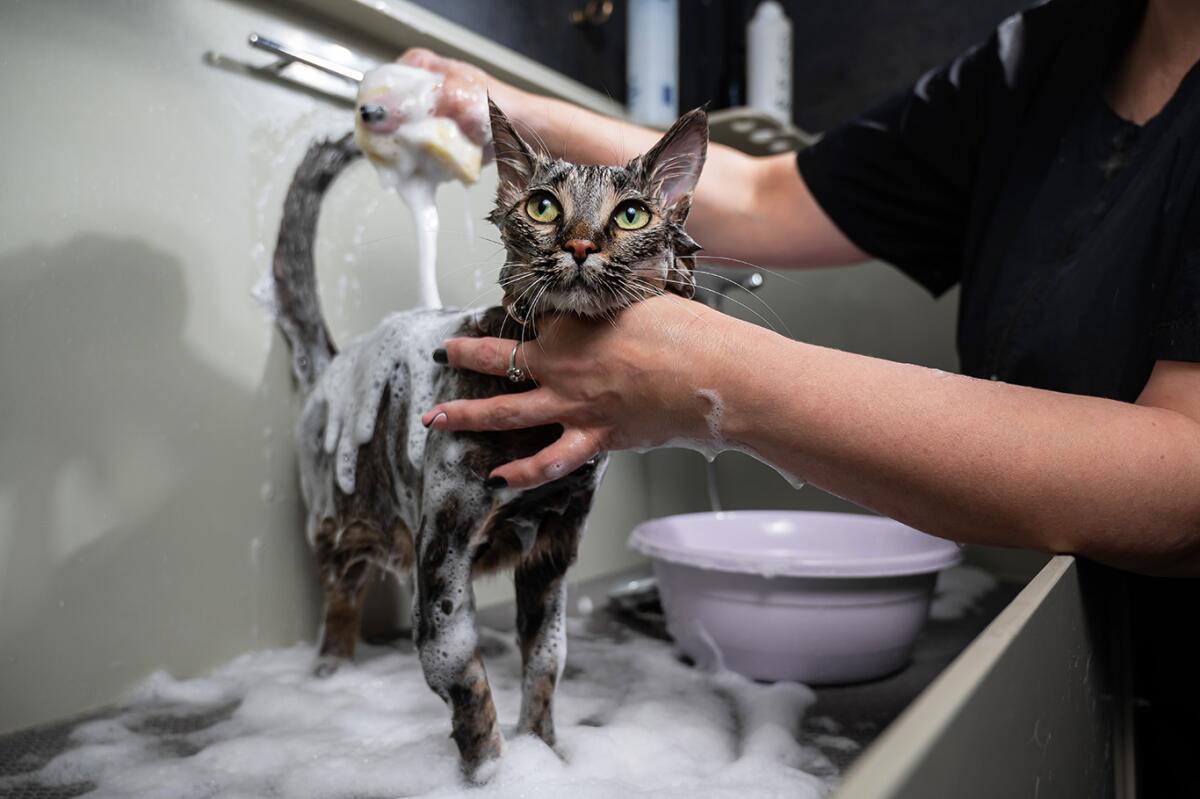
Bathing cats is usually not needed often. Use water that is warm but not hot. Choose a shampoo made specifically for cats. Avoid getting water in their eyes and ears. Rinse well to remove all shampoo. Dry your cat with a towel and keep them warm. Bathing too often can dry out their skin.
Nail Trimming
Trim nails every two to four weeks. Use special cat nail clippers for safety. Hold your cat gently and press the paw to extend nails. Cut only the sharp tip, avoiding the pink quick. If you cut too deep, it may bleed. Offer treats to keep your cat calm. Regular nail care prevents scratches and damage to furniture.
Signs Your Cat Needs Grooming
Recognizing when your cat needs grooming helps keep them healthy and happy. Cats may not always show obvious signs. Observing changes in their fur and skin can guide you. Watch for common signals that grooming is overdue. Acting early prevents discomfort and health problems.
Matting And Tangles
Matted fur feels tight and hard to the touch. Tangles form knots in your cat’s coat. These can pull on the skin and cause pain. Cats with long hair often face this issue. Untreated mats can trap dirt and moisture. They create a breeding ground for infections.
Excessive Shedding
Shedding is normal but too much is a concern. Look for large clumps of fur around your home. Your cat may leave fur on furniture or clothes. Excess shedding can signal stress or poor grooming. It may also indicate health problems like allergies or parasites.
Skin Issues
Dry, flaky, or red skin is a warning sign. You might notice bald patches or sores. Your cat may scratch or lick the same spot often. This behavior suggests irritation or infection. Regular grooming helps spot these issues early. It also improves skin health by distributing natural oils.
Common Grooming Mistakes
Grooming your cat is important but easy to get wrong. Common mistakes can hurt your cat or make grooming harder. Avoiding these errors helps keep your cat healthy and happy. Pay attention to tools, timing, and your cat’s feelings during grooming sessions.
Using The Wrong Tools
Using tools not made for cats can cause pain or skin damage. Human brushes or combs may pull fur or scratch skin. Choose brushes and combs designed for your cat’s fur type. Soft bristle brushes work well for short hair. Long-haired cats need wide-tooth combs or slicker brushes. Sharp tools can hurt your cat and make grooming unpleasant.
Over-grooming
Grooming too often can irritate your cat’s skin. Over-brushing removes natural oils that protect fur. It can cause dryness and itching. Some cats may get stressed by frequent grooming. Keep sessions short and gentle. Let your cat rest between sessions. Watch for signs of discomfort or redness on the skin.
Ignoring Your Cat’s Comfort
Ignoring your cat’s mood makes grooming difficult. Cats may resist if they feel scared or hurt. Watch your cat’s body language for signs of stress. Stop if your cat struggles or hides. Use calm voices and gentle strokes. Create a quiet, comfortable space for grooming. Patience and care improve your cat’s grooming experience.
Credit: www.latimes.com
Professional Grooming Services
Professional grooming services can be a game changer for your cat’s health and comfort. While some cats manage their grooming well, others might need expert help to stay clean and mat-free. These services go beyond basic brushing, offering specialized care that can address your cat’s unique needs.
When To Visit A Groomer
Knowing when to take your cat to a groomer isn’t always obvious. If your cat’s fur looks tangled or matted, it’s a clear sign. Also, older cats or those with health issues may struggle to groom themselves properly.
Watch for signs like excessive shedding, a strong odor, or skin problems. If you notice your cat avoiding touch or showing discomfort while grooming, professional help could make a big difference. Regular visits can prevent problems before they start.
Choosing The Right Groomer
Finding a groomer who understands cats is key. Not all groomers have experience with feline behavior or needs. Look for someone certified or recommended by your vet or local pet community.
Visit the grooming salon beforehand to check cleanliness and how staff handle animals. Ask about their approach to calming nervous cats. You want a groomer who treats your pet with patience and care.
Costs And Benefits
| Cost Range | What You Get | Benefits |
|---|---|---|
| $40 – $70 per session | Bath, brushing, nail trimming | Improved hygiene, less shedding, healthier skin |
| $70 – $120+ | De-shedding treatments, flea control, ear cleaning | Prevents infections, reduces allergens, keeps coat shiny |
Spending on professional grooming may seem high but think about the health benefits. Regular grooming can save you vet bills by preventing skin issues and infections. Plus, a well-groomed cat feels more comfortable and behaves better.
Have you considered how much stress grooming at home causes your cat? Sometimes, letting a pro handle it can make everyone’s life easier.
Grooming Older Cats
Grooming older cats needs special care and patience. Their skin and fur can become fragile. They might feel pain or discomfort from usual grooming. Changing how you groom helps keep them calm and healthy.
Adjusting Techniques
Use gentle strokes and soft brushes. Avoid pulling on mats or tangles. Short grooming sessions work best. Watch your cat’s reactions to avoid stress. Use warm water if bathing is needed. Trim nails carefully to prevent injury.
Health Considerations
Older cats may have arthritis or sensitive skin. Check for lumps, bumps, or wounds during grooming. Keep an eye on their teeth and ears too. Grooming can reveal health problems early. Consult a vet if you notice anything unusual.
Maintaining Comfort
Choose a quiet, cozy spot for grooming. Use a soft towel or blanket. Speak softly to soothe your cat. Take breaks if your cat seems restless. Reward with treats or gentle pets after grooming. Comfort helps build trust and ease future sessions.
Frequently Asked Questions
Do Cats Need Regular Grooming At Home?
Yes, regular home grooming helps remove loose fur and prevents matting. It also reduces hairballs and keeps your cat clean and healthy.
How Often Should I Groom My Cat?
Grooming frequency depends on your cat’s coat. Short-haired cats need weekly brushing, while long-haired cats require daily grooming to prevent tangles.
Can Grooming Improve My Cat’s Health?
Grooming stimulates blood circulation, removes dirt, and detects skin issues early. It also reduces shedding and improves your cat’s overall hygiene and comfort.
What Tools Are Best For Cat Grooming?
Use a soft-bristle brush for short fur and a wide-tooth comb for long hair. Nail clippers and grooming wipes are also useful for maintenance.
Conclusion
Cats need grooming to stay healthy and happy. Brushing helps remove loose fur and dirt. It also prevents hairballs and skin problems. Regular grooming makes your cat feel comfortable. It strengthens the bond between you and your pet. Short-haired cats need less grooming but still benefit from it.
Long-haired cats require more frequent care to avoid mats. Grooming is a simple way to keep your cat clean. It supports their natural beauty and well-being. Taking time for grooming shows you care.
