

Planning to fly with your cat? One important step you can’t overlook is getting a health certificate for your furry friend.
This simple document can make or break your travel plans. Without it, your cat might be denied boarding or face unexpected delays. You’ll learn exactly what a health certificate is, why you need it, and how to get one quickly and easily.
Keep reading to make sure your cat’s trip is smooth and stress-free.

Credit: www.goodshepherd-hs.org
Why Cats Need Health Certificates
Traveling with cats requires careful planning, especially regarding health documentation. Health certificates confirm that your cat is fit to fly and meets all travel rules. These papers protect your pet, other animals, and people during the journey. Understanding why cats need health certificates helps pet owners prepare better for trips.
Airline Requirements
Most airlines ask for a health certificate before allowing cats on board. This certificate shows your cat is healthy and free from contagious diseases. Airlines set these rules to keep flights safe and smooth. Without a valid certificate, your cat may not be allowed to travel.
Preventing Disease Transmission
Health certificates help stop the spread of illnesses between animals. They ensure your cat has the necessary vaccinations and is not sick. This protects other passengers, pets, and wildlife from harmful diseases. Preventing disease is important for public health and animal welfare.
Legal And Safety Reasons
Many countries have laws requiring health certificates for pet travel. These laws help control animal health and safety during transport. The certificate proves your cat meets all legal travel standards. It also shows your cat poses no risk to others on the plane or at your destination.
Types Of Health Certificates
Health certificates are essential for cats traveling by air. They prove your pet is healthy and fit to fly. Different types of certificates suit different travel needs and destinations. Understanding these types helps you prepare the right documents for your cat’s journey.
Standard Veterinary Certificate
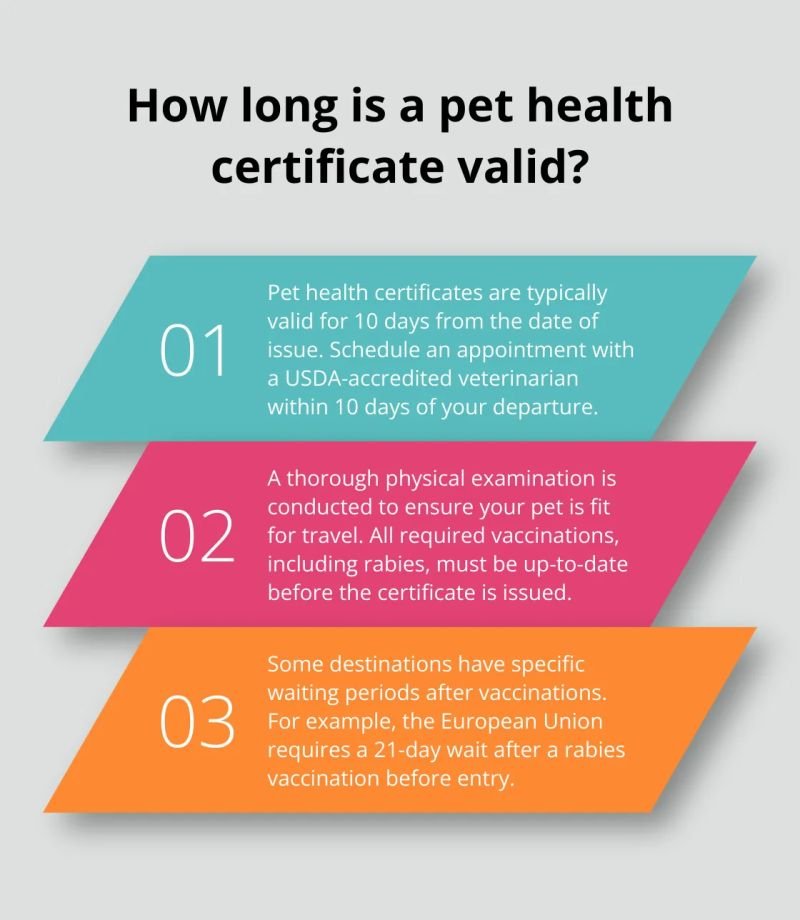
This certificate is issued by your local veterinarian. It confirms your cat is free from contagious diseases. The vet checks vaccinations and overall health. This certificate is valid for a short time, usually 10 days. Airlines often require this document for domestic flights.
International Pet Passport
This document is popular in Europe. It records your cat’s identification details, vaccinations, and medical history. The passport makes crossing borders easier within certain countries. It helps avoid repeated health checks. Your vet or authorized office issues this passport.
Usda Endorsed Certificates
This certificate is needed for international flights from the United States. The USDA verifies your vet’s health certificate. It confirms compliance with the destination country’s rules. Endorsement can take several days, so plan ahead. It is mandatory for many countries to protect animal health.
Steps To Obtain A Health Certificate
Obtaining a health certificate is essential for flying with your cat. This document proves your pet is healthy and fit to travel. The process involves several important steps. Each step ensures your cat meets airline and destination requirements. Follow these steps carefully to avoid travel delays or issues.
Scheduling A Veterinary Appointment
Book an appointment with a licensed veterinarian well before your flight date. The vet will examine your cat thoroughly. This checkup confirms your pet is free from illnesses or conditions that could affect travel. Bring any previous health records to the appointment. Early scheduling helps handle unexpected health concerns in time.
Required Vaccinations And Tests
Your cat needs certain vaccinations before flying. Common vaccines include rabies and feline distemper. The vet may also recommend additional tests, such as parasite checks. These measures protect your cat and other animals during travel. Keep a record of all vaccinations and tests completed. Airlines and countries often require proof of these health measures.
Timing For Certificate Issuance
The health certificate must be issued close to your travel date. Usually, it is valid for 10 days from the vet’s visit. Some destinations may require a shorter validity period. Plan your vet visit accordingly to get the certificate at the right time. Carry the original certificate during your trip to avoid issues at check-in.

Credit: www.goodshepherd-hs.org
Airline Policies And Documentation
Traveling with cats requires careful attention to airline policies and documentation. Each airline sets its own rules for pet travel. Understanding these rules helps avoid last-minute issues. Preparing the right paperwork is essential for smooth check-in and boarding. Knowing what to expect at the airport reduces stress for you and your cat.
Airline-specific Rules
Every airline has unique pet travel policies. Some allow cats only in the cabin, while others offer cargo options. Weight limits and carrier dimensions often vary. Certain airlines require advance reservations for pets. Vaccination and health certificate requirements differ by carrier. Checking the airline’s official pet policy saves time and trouble.
Required Paperwork For Check-in
Most airlines ask for a recent health certificate from a vet. This certificate proves your cat is healthy to fly. It usually must be issued within 10 days before departure. Some airlines require proof of vaccinations, especially rabies. A pet passport may be needed for international flights. Always carry original documents and extra copies.
Tips For Smooth Airport Experience
- Arrive early to allow extra time for pet check-in.
- Keep your cat in a secure, comfortable carrier.
- Label the carrier with your contact information.
- Bring a small blanket or familiar item for comfort.
- Follow airline instructions carefully at the check-in counter.
- Remain calm; your cat can sense your mood.
Preparing Your Cat For Travel
Preparing your cat for travel is essential for a smooth journey. Cats feel stressed with new environments and loud noises. Careful preparation helps keep them calm and safe. Start by choosing a proper carrier that fits your cat’s size and comfort needs.
Choosing The Right Carrier
Select a carrier sturdy enough for travel. It should be well-ventilated and secure. The carrier must allow your cat to stand and turn around. Soft-sided carriers work well for air travel. Check airline rules for carrier size limits. Add a cozy blanket or towel inside for comfort.
Acclimating Your Cat To The Carrier
<pintroduce and="" anxiety.="" at="" before="" can="" carrier="" cat="" create="" days="" door="" explore="" feelings.="" flight.="" freely.="" gradually="" home="" in="" increase="" inside="" inside.Feeding And Hydration Before Flight
<pavoid a="" and="" at="" avoid="" before="" bottle="" bowl="" carry="" cat="" during="" earlier.="" emergencies="" feed="" feeding="" flight="" for="" four="" fresh="" hours="" least="" light="" meal="" motion="" offer="" overfeeding="" p="" prevent="" right="" sickness.="" small="" the="" time.="" to="" travel.="" travel.Common Challenges And Solutions
Traveling with cats requires a health certificate to ensure their safety and meet airline rules. This process can bring challenges. Knowing common issues helps pet owners prepare and act fast. Solutions make flying easier for cats and their humans.
Handling Last-minute Certificate Issues
Sometimes, the health certificate is missing or incomplete just before the flight. This can cause delays or denied boarding. Call your vet immediately to get a quick checkup or updated certificate.
Keep digital copies of the certificate on your phone. Check airline and destination rules early to avoid surprises. Some airports offer veterinary services that help with urgent needs.
Dealing With Stress And Anxiety
Cats feel scared in new places and loud airports. Stress affects their health and behavior. Prepare your cat by practicing with the carrier at home.
Use calming sprays or pheromone diffusers approved by vets. Bring familiar toys or blankets to comfort your cat. Speak softly and remain calm to help reduce anxiety.
Alternate Travel Options
Sometimes flying is not the best choice. Consider driving if the distance is short. This reduces stress and allows more control over stops.
Look for pet-friendly trains or buses that accept animals. Some services offer climate-controlled pet transport. Choose options that suit your cat’s health and temperament.

Credit: www.ferndalekennels.com
Frequently Asked Questions
What Is A Health Certificate For Cats To Fly?
A health certificate is an official document confirming your cat is healthy for air travel. It is issued by a licensed vet, ensuring your cat meets airline and destination health requirements.
How Long Before Flying Should I Get The Certificate?
You should obtain the health certificate within 10 days before your flight. Most airlines require the certificate to be recent to ensure your cat’s current health status.
What Information Does The Health Certificate Include?
The certificate includes your cat’s identification, vaccination records, and a vet’s health assessment. It confirms your cat is free from contagious diseases and fit to travel.
Is A Health Certificate Mandatory For All Airlines?
Most airlines require a health certificate for cats flying in-cabin or cargo. Always check your airline’s specific pet travel policies to ensure compliance.
Conclusion
Flying with your cat needs careful planning and the right documents. A health certificate proves your pet is fit to travel. It helps avoid delays and keeps your cat safe. Make sure to get the certificate close to your travel date.
Always check the airline’s rules before flying. This small step makes the trip easier for you and your cat. Safe travels start with good preparation. Don’t forget, your cat’s health matters most.
