

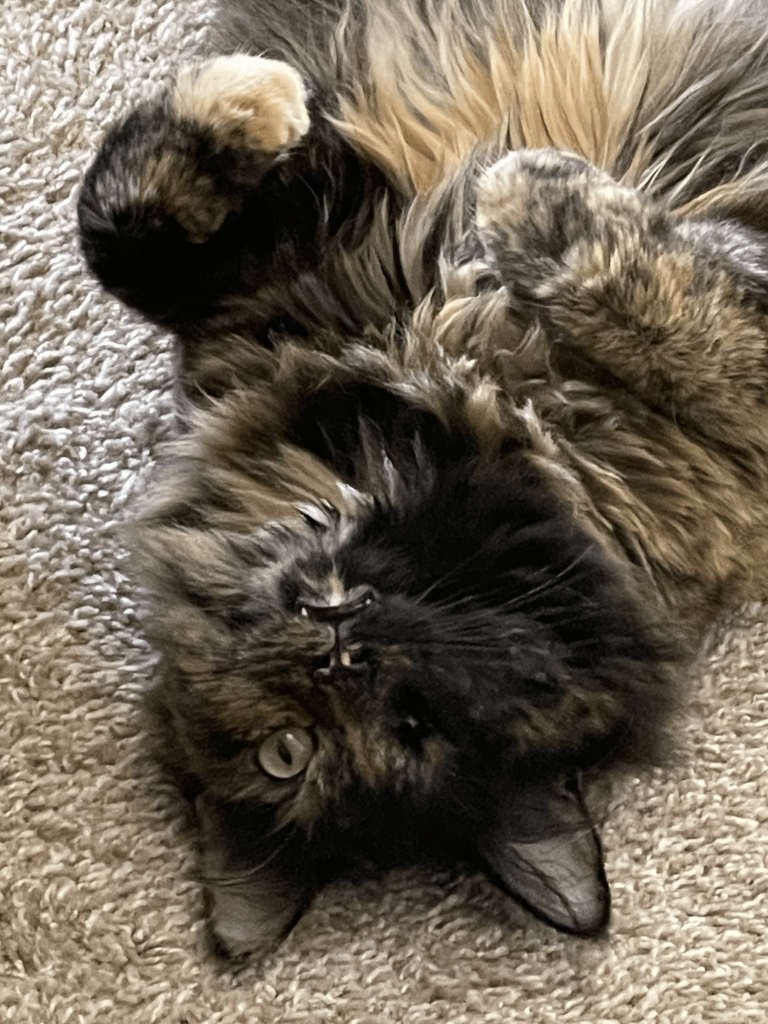
Have you ever caught your dog licking or gently nibbling your cat, and wondered, “Why does my dog groom my cat?” It might seem unusual, but this behavior says a lot about the bond between your pets. Understanding why your dog takes care of your cat can deepen your connection with them and help you create a more peaceful home.
Keep reading to discover the surprising reasons behind this sweet act and what it means for your furry family.
Reasons Dogs Groom Cats
Seeing your dog groom your cat might surprise you, but it reveals a lot about their relationship and natural instincts. Understanding why dogs groom cats can help you appreciate their unique bond and what it means for their comfort and social behavior. Let’s look at some key reasons behind this behavior.
Social Bonding
Grooming is a strong way animals show friendship and trust. When your dog licks or cleans your cat, it’s a sign they feel close and want to strengthen their connection. This behavior often appears when pets live together peacefully and see each other as part of the same family.
Have you noticed how your dog might nudge your cat or gently lick its fur after a play session? That’s more than care—it’s a way to build and maintain their social bond. This can help reduce tension and promote harmony in your home.
Instinctual Behavior
Dogs have instincts to groom others, which come from their pack nature. In the wild, grooming helps keep the group clean and healthy. Even though cats aren’t dogs, your pet’s instincts can extend to grooming any member of their “pack.”
Sometimes, your dog might lick your cat’s ears or face, areas cats can’t easily reach themselves. This shows how instinct drives your dog to care for others, even if it’s a different species. Do you think your dog sees your cat as part of its pack?
Comfort And Stress Relief
Grooming releases feel-good hormones like oxytocin in dogs. This helps them feel calm and happy. When your dog grooms your cat, it’s also a way to reduce its own stress and anxiety.
Imagine your dog licking your cat after a loud noise or a busy day. This behavior isn’t just about the cat—it’s a way for your dog to soothe itself too. Could this be your dog’s way of coping with stress while showing care?
Marking Territory
Dogs use grooming to leave their scent on other animals. This helps mark territory and signals ownership or familiarity. When your dog grooms your cat, it might be a way to claim the cat as part of its space and pack.
This scent-marking can make both pets feel safer and more secure in their shared environment. Have you seen your dog grooming your cat more after meeting new animals or visitors? This might be their way of reinforcing boundaries.
How Cats Respond To Dog Grooming
Observing a dog grooming a cat can be surprisingly heartwarming and puzzling at the same time. How your cat reacts to such an unusual display of affection reveals a lot about their personality and the bond they share with your dog. Cats have unique ways of showing acceptance, discomfort, or trust, and recognizing these signals helps you understand their relationship better.
Acceptance And Reciprocity
Some cats genuinely enjoy the grooming attention from dogs. They may lean into the dog’s touch, purr softly, or even start grooming the dog back. This mutual grooming strengthens their bond and creates a peaceful atmosphere at home.
Notice if your cat nudges the dog or gently licks them after being groomed. These are clear signs your cat accepts and appreciates the gesture. Have you seen your cat return the favor or invite more grooming sessions?
Signs Of Discomfort
Not every cat welcomes dog grooming with open paws. Look for signals like flattened ears, swishing tails, or attempts to move away. These behaviors often mean your cat feels uneasy or stressed.
Hissing or gentle swats are more obvious warnings that your cat wants the grooming to stop. Respecting these signs prevents tension and helps maintain harmony between your pets.
Building Trust
Trust between your dog and cat develops slowly, especially with grooming involved. Consistent positive interactions, like calm grooming sessions, help your cat feel safe. Over time, your cat may even seek out your dog’s company.
Try encouraging short grooming moments and reward your cat afterward. This approach builds confidence and deepens their connection. How patient are you in letting your pets set the pace for their relationship?
Differences Between Dog And Cat Grooming
Understanding the differences between dog and cat grooming can help explain why your dog might try to groom your cat. Both animals have unique grooming habits shaped by their instincts and physical needs. Recognizing these differences sheds light on the behaviors you see at home.
Grooming Techniques
Cats use their tongues to groom, which helps remove dirt and loose fur while distributing natural oils. Their tongues have tiny, hook-like structures that act like a comb. Dogs, on the other hand, rely more on licking with a rougher tongue and often use their teeth and paws to scratch or nibble at certain spots.
Have you noticed your dog’s grooming looks less delicate than your cat’s? That’s because dogs don’t have the same tongue texture or grooming precision. They might lick your cat more like a way to show affection or curiosity rather than thorough cleaning.
Purpose And Frequency
Cats groom multiple times a day to keep their fur clean, regulate body temperature, and reduce stress. Grooming is a vital part of their daily routine and social bonding when done with other cats. Dogs groom less often on their own and usually need help from you for thorough cleaning and fur care.
When your dog licks your cat, it might be trying to participate in this grooming ritual but doesn’t fully understand the purpose or frequency. Think about how often you see your dog licking itself compared to your cat’s constant grooming. This difference can explain why your dog’s grooming appears sporadic or overly enthusiastic.

Credit: www.reddit.com
Benefits Of Cross-species Grooming
Cross-species grooming between dogs and cats is more than a quirky behavior. It offers several benefits that improve their well-being and bond. This unique interaction helps build trust and comfort between different animals in the same home.
Improved Relationship
Grooming creates a strong connection between your dog and cat. It shows trust and friendship. This behavior helps reduce rivalry and builds a peaceful home environment. Pets that groom each other often feel safer and happier together.
Reduced Stress
Grooming lowers anxiety in both dogs and cats. The gentle licking and cleaning release calming hormones. This action can soothe nervous pets and reduce tension. Stress relief leads to healthier, more relaxed animals overall.
Enhanced Hygiene
Cross-species grooming helps keep your pets clean. Dogs can reach spots cats cannot, and vice versa. Regular grooming removes dirt, loose fur, and parasites. This natural cleaning supports better skin and coat health for both animals.
When To Intervene
Knowing when to step in as your dog grooms your cat is key to keeping both pets happy and safe. Grooming can be a sign of affection, but it can also lead to problems if it gets out of hand. Paying attention to certain warning signs will help you decide when to intervene and protect your pets’ well-being.
Signs Of Aggression
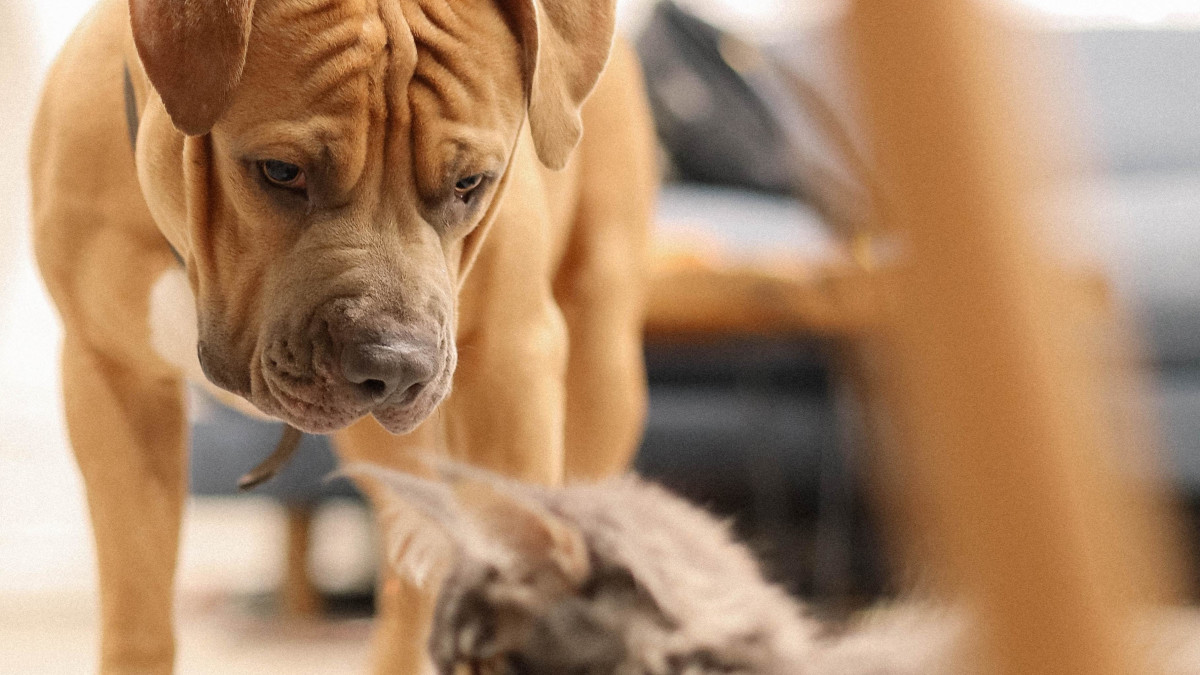
Not all grooming is gentle. If your dog starts growling, snapping, or showing stiff body language while grooming your cat, it’s a red flag. Your cat might hiss, swat, or try to escape—these are clear signs that your dog’s behavior is making them uncomfortable or scared.
Have you noticed your pets suddenly avoiding each other after grooming sessions? That tension means it’s time to step in before things escalate. Always watch for changes in their usual calm interactions.
Over-grooming Concerns
Sometimes a dog may groom a cat too much, causing irritation or hair loss. Over-grooming can stress your cat and damage its skin. If you see bald patches or redness, it means the grooming is no longer healthy.
Keep track of how long and how often grooming happens. Short, occasional sessions are usually okay, but constant licking or nibbling signals a problem. Your cat’s comfort should always come first.
Health Risks
Grooming might spread parasites like fleas or ticks between your dog and cat. Also, bacteria from one pet’s mouth can cause infections in the other. If either pet has a cut, sore, or skin condition, grooming might make it worse.
Watch for signs like itching, swelling, or unusual odors after grooming. These could mean infections or allergies. Protect your pets by keeping their health in check and consulting your vet if you see anything unusual.
Credit: pethelpful.com
Encouraging Positive Interactions
Encouraging positive interactions between your dog and cat builds trust and friendship. Grooming is a gentle way animals show care and acceptance. Support these moments to help them bond and feel safe together.
Creating Safe Spaces
Provide quiet, cozy spots for each pet to retreat. Separate beds, blankets, or rooms help reduce stress. Safe spaces let pets relax and approach each other on their terms.
Supervised Social Time
Watch your dog and cat closely during their interactions. Stay calm and gentle to keep the mood peaceful. Step in if play becomes too rough or one pet seems scared.
Rewarding Gentle Behavior
Praise and give treats when your dog grooms the cat softly. Positive feedback encourages kindness and patience. Pets learn to enjoy each other’s company more this way.

Credit: services.petsmart.com
Frequently Asked Questions
Why Does My Dog Groom My Cat Frequently?
Dogs groom cats to show affection and build social bonds. Grooming helps reduce stress and creates a sense of security between them.
Is Dog Grooming Cat A Sign Of Friendship?
Yes, grooming indicates trust and friendship. It signals that your dog feels comfortable and accepts your cat as part of its social group.
Can Dog Grooming Harm My Cat?
Usually, no. Dog grooming is gentle and meant to help. However, always supervise to prevent accidental scratches or stress for your cat.
Does Grooming Mean My Dog Wants To Dominate The Cat?
Not necessarily. Grooming is more about care and bonding than dominance. It reflects positive social interaction rather than control or hierarchy.
Conclusion
Seeing your dog groom your cat shows a strong bond between them. This behavior means trust and friendship. Dogs often groom to show care and comfort. Cats usually accept this as a sign of safety. Such moments help pets feel happy and calm.
Watching these actions reminds us of how animals communicate love. Enjoy these special times with your furry friends. Keep encouraging positive interactions for a peaceful home. Your pets’ friendship grows with every gentle lick and touch.
