

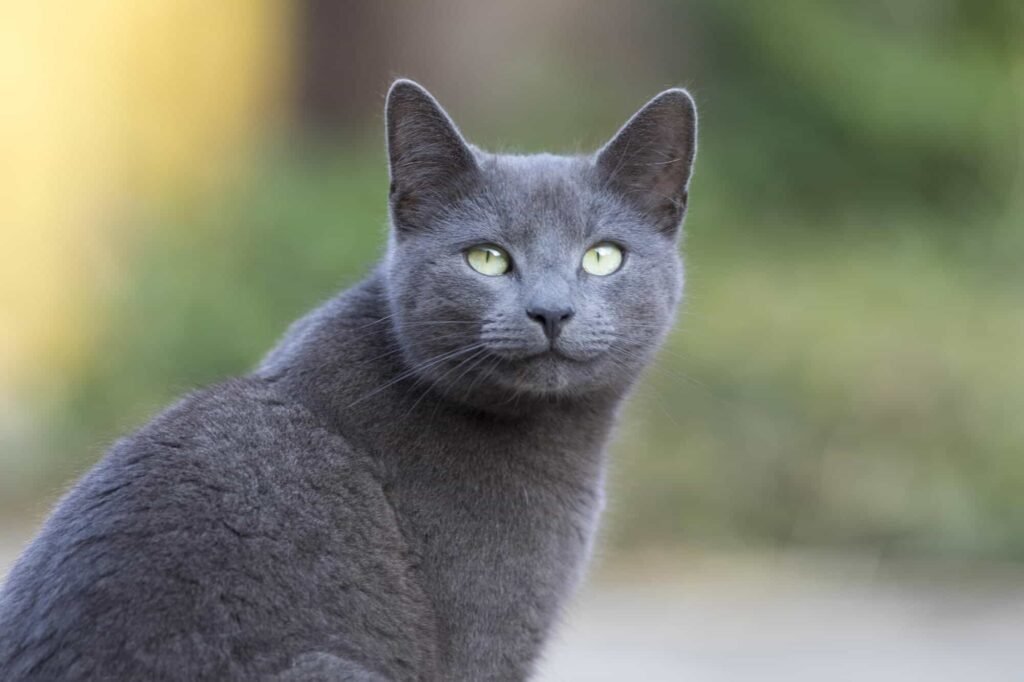
If you have a Russian Blue cat or are thinking about bringing one into your home, understanding their health is crucial. You want your furry friend to live a long, happy, and healthy life.
But like all breeds, Russian Blues can face certain health challenges. Knowing what to watch for can help you catch problems early and give your cat the best care possible. Keep reading to discover the common health issues that affect Russian Blue cats and how you can keep your beloved pet feeling their best every day.

Credit: www.yahoo.com
Common Health Issues
Understanding the common health issues of Russian Blue cats helps you keep your furry friend happy and thriving. These cats are generally healthy, but certain conditions can affect their well-being. Knowing the signs and preventive measures can make a big difference in your cat’s life.
Hypertrophic Cardiomyopathy
Hypertrophic Cardiomyopathy (HCM) is a heart condition where the walls of the heart thicken. This makes it harder for the heart to pump blood effectively. You might notice your cat getting tired easily or having trouble breathing.
Regular vet check-ups can catch HCM early. Your vet may recommend an ultrasound of the heart. Early detection allows you to manage the condition with medication and lifestyle changes.
Bladder Stones
Bladder stones are hard mineral deposits that form in your cat’s urinary tract. They can cause pain, difficulty urinating, and blood in the urine. If your cat is licking its genital area frequently or seems uncomfortable, these could be warning signs.
Diet plays a crucial role in preventing bladder stones. Feeding your cat wet food and ensuring plenty of water intake helps keep the urinary tract healthy. If stones develop, your vet may suggest special diets or even surgery.
Respiratory Problems
Respiratory problems like infections or allergies can affect Russian Blue cats. Symptoms include sneezing, coughing, nasal discharge, or difficulty breathing. These issues can disrupt your cat’s daily life and energy levels.
Keeping your cat’s environment clean and free from irritants reduces the risk of respiratory problems. If your cat shows persistent symptoms, get a vet evaluation immediately. Timely treatment prevents complications and keeps your cat comfortable.
Genetic Concerns
Genetic concerns play a crucial role in the health of your Russian Blue cat. Understanding these risks helps you provide better care and make informed decisions about your cat’s well-being. Knowing what to watch for can prevent complications before they arise.
Inherited Disorders
Russian Blue cats are generally healthy, but some inherited disorders may affect them. One common issue is hypertrophic cardiomyopathy (HCM), a heart condition that can be passed down through generations. Early symptoms might be subtle, so regular vet checkups are essential.
Another inherited concern is bladder stones, which can cause discomfort and urinary problems. These issues often have a genetic basis, making diet and hydration key factors in management. Keeping an eye on your cat’s litter box habits can alert you to potential problems early.
Screening And Testing
Screening your Russian Blue for genetic disorders is a smart step to ensure long-term health. Many breeders offer genetic testing to identify risks before adopting or breeding cats. This testing can detect conditions like HCM and help you plan appropriate health care.
Regular veterinary screening, including heart ultrasounds and blood tests, can catch inherited problems early. Would you want to wait for symptoms to appear, or take proactive steps now? Early detection often means less stress and better outcomes for your cat.
Diet And Nutrition
Diet and nutrition play a crucial role in maintaining your Russian Blue cat’s health. Feeding your cat the right nutrients supports their sleek coat, muscular build, and overall well-being. Poor diet choices can lead to common health issues like obesity, urinary problems, or weakened immunity.
Balanced Diet Tips
Ensure your Russian Blue gets a mix of high-quality protein, fats, and essential vitamins. Cats are obligate carnivores, so meat should be the main ingredient in their food. Look for cat foods with named meat sources like chicken, turkey, or fish listed first.
Adding wet food can help keep your cat hydrated and support urinary tract health. You might notice your Russian Blue prefers a certain texture or flavor—listen to their preferences but keep variety in their diet.
Supplements like omega-3 fatty acids can improve coat shine and reduce inflammation. Always consult your vet before adding supplements to avoid overdosing. How often do you check the ingredient list on your cat’s food? It’s a simple step that can make a big difference.
Foods To Avoid
Never feed your Russian Blue onions, garlic, chocolate, or caffeine—they’re toxic to cats and can cause serious health issues. Dairy products are another common trap; many cats are lactose intolerant and can develop digestive upset.
Avoid giving your cat bones or raw fish regularly, as bones can cause choking and raw fish may carry parasites. Human junk food, especially anything salty or sugary, should be off-limits to keep your cat healthy and prevent obesity.
Did you know some cats react badly to certain grains? Watch for signs like vomiting or diarrhea after eating grain-containing foods. Sticking to grain-free or limited ingredient diets can sometimes help sensitive Russian Blues feel better.

Credit: www.pumpkin.care
Preventive Care
Preventive care is vital for keeping your Russian Blue cat healthy. It helps catch health issues early and avoids serious problems. Regular care supports your cat’s long life and happiness.
Regular Vet Checkups
Schedule vet visits at least once a year. The vet checks your cat’s weight, teeth, and coat condition. Early signs of illness can be spotted and treated fast. Vaccinations and parasite control are also reviewed during visits. Keep a health record to track your cat’s progress.
Vaccination Schedule
Vaccines protect your Russian Blue from common diseases. Kittens need several shots in the first months. Adult cats require boosters to maintain immunity. Follow your vet’s advice on timing and types of vaccines. Vaccination helps prevent serious infections and keeps your cat safe.
Signs Of Illness
Recognizing the signs of illness in a Russian Blue cat helps keep your pet healthy. Early detection of health problems allows quick care and better recovery. Cats often hide pain or sickness, so watch closely for subtle changes.
Behavioral Changes
Changes in behavior can signal health issues in your cat. Notice if your Russian Blue:
- Becomes less active or hides more than usual
- Shows loss of appetite or refuses favorite foods
- Exhibits unusual aggression or irritability
- Stops grooming or grooms excessively
- Has trouble jumping or moving around
- Vocalizes more or less than normal
These shifts often appear before physical symptoms. Pay close attention to sudden or gradual changes.
Physical Symptoms
Physical signs can also indicate illness in Russian Blue cats. Watch for:
- Weight loss or gain without explanation
- Changes in coat quality like dullness or hair loss
- Visible wounds, lumps, or swelling
- Discharge from eyes, nose, or ears
- Difficulty breathing or coughing
- Frequent vomiting or diarrhea
- Unusual breath odor
- Limping or stiffness in joints
Noticing these signs early can prompt timely veterinary care. Always observe your cat closely for any unusual symptoms.

Credit: vetslovepets.com.au
Grooming And Hygiene
Grooming and hygiene play a key role in keeping your Russian Blue cat healthy. This breed has a short, dense coat that needs regular care to stay shiny and clean. Proper grooming also helps spot health issues early. Maintaining good hygiene supports overall well-being and comfort for your cat.
Coat Care
Russian Blue cats have a soft, double-layered coat. Brushing twice a week removes loose hair and reduces shedding. Use a soft-bristle brush for gentle grooming. Bathing is rarely needed unless your cat gets dirty. Clean your cat’s fur gently and dry it well. Regular brushing also helps prevent hairballs. Keep an eye on skin for irritation or dryness.
Dental Health
Dental care is important to avoid gum disease and bad breath. Brush your cat’s teeth using a soft toothbrush and pet-safe toothpaste. Start slowly to make your cat comfortable with brushing. Offer dental treats or toys to help clean teeth naturally. Watch for signs like red gums or difficulty eating. Regular vet check-ups can catch dental problems early.
Emergency Situations
Emergency situations with your Russian Blue cat can arise suddenly, and knowing how to respond quickly can make all the difference. These cats are generally healthy, but they are not immune to accidents or sudden illnesses. Being prepared to recognize urgent signs and act appropriately ensures your feline friend gets the help they need without delay.
When To Seek Immediate Help
It’s crucial to identify when your Russian Blue needs emergency care. Look out for symptoms like difficulty breathing, severe bleeding, unconsciousness, or persistent vomiting. If your cat suddenly collapses or shows signs of extreme pain, don’t wait—call your vet or an emergency animal hospital immediately.
Sudden seizures or inability to stand are also red flags. Even if your cat seems to recover, these signs indicate serious underlying problems. Time is critical, so trust your instincts and seek help right away.
First Aid Tips
Knowing basic first aid can stabilize your Russian Blue until professional help arrives. If your cat is bleeding, apply gentle pressure with a clean cloth to slow it down. Avoid using human medications unless directed by a vet, as many are toxic to cats.
If your cat is choking, carefully check their mouth for obstructions. Never poke blindly; instead, try to remove the object with tweezers if visible and reachable. Keep your cat calm and warm, and transport them carefully to avoid further injury.
- Keep a pet first aid kit accessible at home.
- Have emergency vet contact details saved on your phone.
- Practice staying calm; your cat picks up on your anxiety.
Have you ever faced a pet emergency and felt unprepared? Taking a moment now to learn these steps could save your Russian Blue’s life someday. What first aid skills do you think every cat owner should know?
Frequently Asked Questions
What Are Common Health Issues In Russian Blue Cats?
Russian Blue cats often face bladder stones, obesity, and dental problems. Regular vet check-ups help detect these early and maintain their health.
How Can I Prevent Health Problems In Russian Blue Cats?
Provide a balanced diet, regular exercise, and routine veterinary visits. Early detection and proper care reduce risks of common health issues.
Are Russian Blue Cats Prone To Genetic Diseases?
Yes, they may inherit hypertrophic cardiomyopathy and bladder stones. Responsible breeding and health screenings minimize these genetic risks.
How Often Should I Take My Russian Blue To The Vet?
It’s best to visit the vet at least once a year. Older cats or those with health issues may need more frequent check-ups.
Conclusion
Russian Blue cats can face specific health issues. Knowing these problems helps you care for them well. Regular vet visits keep your cat healthy and happy. Watch for signs like weight loss or changes in behavior. Good food and a safe home support their well-being.
Early action can prevent serious health troubles. Keep your Russian Blue active and loved every day. Their unique needs deserve your attention and care. Stay informed to enjoy many happy years together.
