

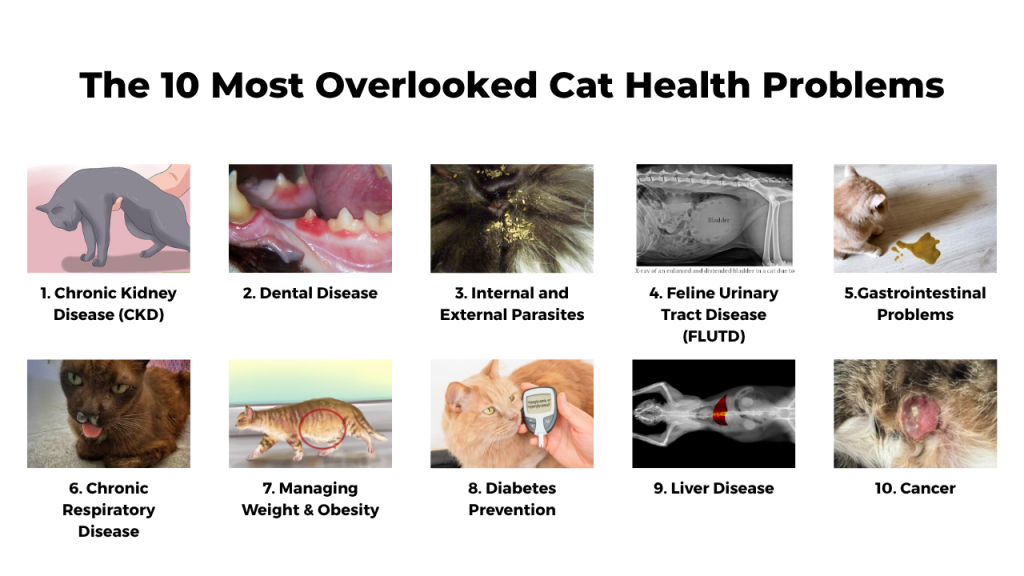
Your cat is more than just a pet—they are a beloved member of your family. But how well do you know the signs that something might be wrong with their health?
Spotting cat health issues early can make a huge difference in keeping your furry friend happy and safe. You’ll discover the common problems cats face and simple ways to recognize them before they become serious. Keep reading to learn how to protect your cat’s well-being and enjoy many more healthy, joyful years together.
Common Cat Illnesses
Common cat illnesses can affect your furry friend’s quality of life in many ways. Recognizing these health issues early helps you take quick action, potentially saving your cat from discomfort or serious complications. Understanding the symptoms and causes is key to keeping your cat happy and healthy.
Respiratory Infections
Respiratory infections in cats often show up as sneezing, coughing, or nasal discharge. These symptoms may seem mild at first but can quickly worsen without treatment. Your cat might also have difficulty breathing or lose appetite, signaling a need for veterinary care.
Viruses like feline herpesvirus and calicivirus commonly cause these infections. If your cat spends time outdoors or interacts with other cats, the risk increases. You can help by keeping your cat indoors during outbreaks and ensuring their vaccinations are up to date.
Digestive Problems
Digestive issues such as vomiting, diarrhea, or constipation are frequent complaints among cat owners. These problems might result from dietary changes, eating something toxic, or underlying illnesses. Monitoring your cat’s litter box habits is a practical way to catch these issues early.
Food intolerance or allergies can also cause digestive discomfort. Have you noticed your cat avoiding certain foods or showing signs of tummy trouble after meals? Adjusting their diet gradually and consulting your vet can make a big difference.
Skin Conditions
Skin problems often appear as itching, redness, or hair loss. Fleas, allergies, and infections are usual suspects. Your cat might scratch or lick excessively, which can worsen the condition and lead to sores.
Regular grooming helps you spot skin issues before they escalate. Have you checked your cat’s coat for bumps or unusual patches lately? Simple steps like flea prevention and hypoallergenic diets can improve your cat’s skin health dramatically.
Chronic Diseases
Chronic diseases such as diabetes, kidney disease, and arthritis develop over time and require ongoing management. Symptoms like increased thirst, weight loss, or difficulty moving may be subtle at first. Catching these signs early lets you provide better care and comfort for your cat.
Living with a cat who has a chronic illness is challenging but rewarding. Do you know the warning signs to watch for in your cat’s behavior or appearance? Regular vet visits and tailored treatment plans are essential to maintain their quality of life.

Credit: prckc.org
Recognizing Symptoms
Spotting health problems in cats early helps them get the right care fast. Cats often hide pain or sickness, making it hard to see signs. Owners must pay close attention to small changes in behavior, body, and habits. Recognizing symptoms early can prevent serious illness and keep cats happy.
Behavioral Changes
Watch for unusual behavior in your cat. Sudden aggression or hiding more than usual can signal distress. Less play or less interest in surroundings may show discomfort or pain. Vocal changes, like more meowing or silence, can also mean health issues.
Physical Signs
Look for visible signs of illness on your cat’s body. Limping, swelling, or wounds need attention. Changes in coat texture or excessive shedding may indicate problems. Notice eye or nose discharge and unusual lumps or bumps on the skin.
Appetite And Weight Fluctuations
Changes in eating habits often reveal health issues. Eating less or more than usual can be a warning. Sudden weight loss or gain should never be ignored. Keep track of your cat’s food intake and body condition regularly.
Litter Box Habits
Changes in litter box use can signal problems. Straining, going less or more often, or accidents outside the box need checking. Urine color or stool consistency changes also matter. Monitor your cat’s bathroom habits closely for early signs of illness.
Preventive Care
Preventive care keeps cats healthy and happy. It stops many serious illnesses before they start. This care includes vaccines, regular check-ups, parasite control, and good food. Each part plays a key role in your cat’s well-being.
Vaccinations
Vaccinations protect cats from harmful diseases. They help build strong immunity. Core vaccines include rabies, feline distemper, and respiratory viruses. Follow your vet’s schedule for booster shots. This keeps your cat safe throughout life.
Regular Vet Visits
Routine vet visits catch health issues early. Vets check weight, teeth, and overall condition. Early detection means easier treatment. Annual exams are important for young and adult cats. Older cats need more frequent visits for age-related care.
Parasite Control
Parasites cause discomfort and illness in cats. Fleas, ticks, and worms are common threats. Use vet-recommended treatments regularly. Keep your home clean to reduce risk. Parasite prevention improves your cat’s comfort and health.
Proper Nutrition
Good nutrition supports strong immunity and energy. Feed a balanced diet designed for your cat’s age and health. Avoid overfeeding to prevent obesity. Fresh water must be available at all times. Healthy food helps your cat live longer.

Credit: www.amazon.com
Emergency Situations
Emergency situations with cats require fast and careful action. Recognizing the signs and knowing what to do can save your cat’s life. Some health issues escalate quickly and need immediate care. Being prepared helps you stay calm and effective during crises.
When To Seek Immediate Help
- Difficulty breathing or choking
- Unconsciousness or seizures
- Severe bleeding or wounds
- Sudden collapse or inability to stand
- Swallowing poison or toxic substances
- Extreme vomiting or diarrhea lasting more than a few hours
- Signs of pain, such as crying or hiding
These signs mean your cat needs urgent veterinary care. Do not wait or try to treat serious symptoms at home.
First Aid Tips
- Keep your cat calm and warm
- Stop bleeding by applying gentle pressure with a clean cloth
- Clear the airway if something blocks breathing
- Do not give food or water before vet advice
- Handle your cat gently to avoid stress or injury
- Transport your cat safely to the vet as soon as possible
Poisoning And Toxicity
Many household items and plants can poison cats. Common toxins include:
- Chocolate and caffeine
- Household cleaners and chemicals
- Certain plants like lilies and poinsettias
- Human medicines not prescribed for cats
If you suspect poisoning, call your vet immediately. Do not try to induce vomiting unless instructed. Bring any packaging or substances involved to the vet for faster treatment.
Senior Cat Care
Caring for a senior cat means understanding the changes your feline friend experiences as they age. Their needs shift, and your approach to their health should too. Paying close attention to these changes can help your cat enjoy their golden years comfortably and happily.
Age-related Health Issues
Older cats often face common health problems like kidney disease, arthritis, and dental issues. These conditions can develop slowly, so regular vet visits are essential to catch problems early. Have you noticed any changes in your cat’s behavior or appetite? Even subtle signs can indicate underlying health concerns that need attention.
Adjusting Diet And Exercise
Your senior cat’s diet should support their changing metabolism and health needs. Foods lower in calories but rich in nutrients help maintain a healthy weight and energy levels. Consider adding wet food to increase hydration, especially if your cat isn’t drinking enough water.
Exercise remains important, but it should be gentle and suited to their abilities. Short play sessions with softer toys or encouraging them to move around the house can make a big difference. How do you keep your cat active without overexerting them?
Monitoring Mobility
Mobility often declines with age due to arthritis or muscle loss. Watch how your cat moves, jumps, and climbs—any hesitation or stiffness is a sign to act. You might need to add ramps or soft bedding to help them get around and rest comfortably.
Keeping track of these changes helps you adjust their environment to reduce stress and pain. Have you created spaces in your home that make moving easier for your senior cat?

Credit: www.youtube.com
Mental Well-being
Mental well-being plays a big role in a cat’s overall health. Cats can feel stress, anxiety, or boredom just like people. These feelings affect their behavior and physical health. Understanding how to support a cat’s mind helps keep them happy and healthy.
Stress And Anxiety
Cats often show stress through hiding, aggression, or loss of appetite. Loud noises, changes in routine, or new pets can cause anxiety. Signs include pacing, excessive grooming, or vocalizing more than usual. Reducing stress means creating a calm and safe space for your cat.
- Keep a consistent daily schedule.
- Provide quiet areas where your cat can relax.
- Avoid sudden changes in the environment.
Environmental Enrichment
Enrichment keeps a cat’s mind active and prevents boredom. Toys, scratching posts, and climbing spaces provide stimulation. Simple activities like puzzle feeders encourage natural hunting behavior. A varied environment helps reduce stress and improves mental health.
- Offer different toys daily.
- Use interactive feeders to challenge your cat.
- Create vertical spaces with shelves or cat trees.
Social Interaction
Cats need social contact to feel secure and happy. Some enjoy human company more, others prefer feline friends. Playtime and gentle petting help build trust and reduce loneliness. Watching your cat’s reactions helps understand their social needs.
- Spend quiet time petting or playing with your cat.
- Introduce new pets slowly and carefully.
- Respect your cat’s need for alone time.
Frequently Asked Questions
What Are Common Cat Health Issues To Watch For?
Common cat health issues include fleas, urinary tract infections, dental disease, obesity, and kidney problems. Early detection and treatment are vital for your cat’s well-being. Regular vet visits help identify these issues promptly and keep your cat healthy.
How Can I Prevent Cat Health Problems Effectively?
Prevent cat health problems by providing a balanced diet, regular exercise, and routine vet check-ups. Keep vaccinations up to date, and maintain flea and parasite control. Early detection and a clean environment also reduce health risks for your cat.
What Are Signs Of Illness In Cats To Recognize?
Signs of illness in cats include lethargy, loss of appetite, vomiting, diarrhea, coughing, and changes in behavior. Early recognition of these symptoms helps seek timely veterinary care and improves the chances of successful treatment.
When Should I Take My Cat To The Vet?
Take your cat to the vet if you notice persistent vomiting, difficulty breathing, loss of appetite, or unusual behavior. Regular annual check-ups are essential for preventive care and early detection of health issues.
Conclusion
Cats need regular care to stay healthy and happy. Watch for signs of illness early. A good diet and exercise help prevent many problems. Visit the vet for check-ups and vaccines. Keep your cat’s environment clean and safe. Understanding common cat health issues helps you act fast.
Your care makes a big difference in their life. Stay aware, be gentle, and love your cat well. Healthy cats mean joyful homes for everyone.
