

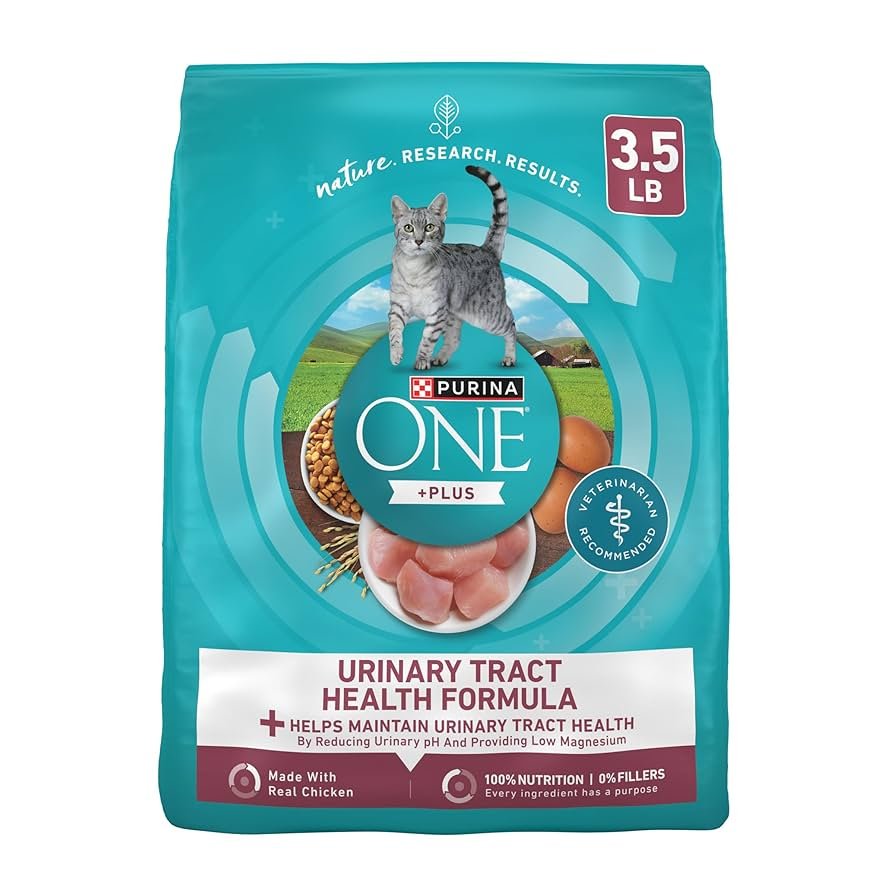
If you care about your cat’s health, you know how important their urinary tract is. Problems here can cause pain, discomfort, and serious health risks.
But did you know that the right cat food can make a huge difference? Choosing the best food for your cat’s urinary tract health isn’t just about nutrition—it’s about keeping your furry friend happy and active for years to come.
Keep reading to discover how the right diet can protect your cat and what to look for when picking their food. Your cat’s well-being depends on it.
Credit: www.walmart.com
Causes Of Urinary Issues In Cats
Understanding the causes of urinary issues in cats is crucial to keeping your feline friend healthy and comfortable. Urinary problems can be painful and sometimes life-threatening if not addressed promptly. By knowing what triggers these issues, you can take steps to protect your cat’s urinary tract health effectively.
Common Urinary Tract Problems
Urinary tract infections (UTIs) and feline lower urinary tract disease (FLUTD) are among the most frequent issues cats face. UTIs occur when bacteria invade the urinary tract, causing pain and frequent urination. FLUTD is a broader term that includes various conditions such as bladder inflammation, urinary stones, and urethral blockages.
Have you noticed your cat straining to urinate or spending too much time in the litter box? These could be signs of an underlying urinary problem that needs immediate attention. Male cats are particularly vulnerable to blockages, which can become emergencies quickly.
Dietary Factors Affecting Urinary Health
Your cat’s diet plays a significant role in urinary tract health. Diets high in magnesium, phosphorus, and certain minerals can contribute to the formation of urinary crystals and stones. Dry food alone may not provide enough moisture, increasing the risk of urinary issues.
Choosing a diet formulated for urinary health can help balance the minerals and reduce crystal formation. Have you checked if your cat’s food supports urinary tract care? Sometimes, switching to specialized cat food can make a noticeable difference in your cat’s wellbeing.
Role Of Hydration In Prevention
Hydration is a simple but powerful factor in preventing urinary problems. Cats naturally have a low thirst drive, so they often don’t drink enough water. This can cause urine to become concentrated, increasing the risk of crystal and stone formation.
Adding wet food to your cat’s diet or providing multiple fresh water sources can encourage better hydration. Have you tried using water fountains or adding broth to their meals? These small changes can significantly improve your cat’s urinary health and comfort.
Credit: www.chewy.com
Choosing The Right Cat Food
Choosing the right cat food is crucial for maintaining your cat’s urinary tract health. Not all foods support this important aspect of your cat’s wellbeing, so knowing what to look for can make a big difference. Your choice affects hydration, mineral balance, and overall urinary function.
Key Ingredients For Urinary Health
Ingredients like controlled levels of magnesium, phosphorus, and calcium help prevent crystal formation in the urinary tract. Cranberry extracts and antioxidants can support bladder health and reduce inflammation. Always check the label for these components to ensure the food targets urinary health effectively.
Have you ever noticed your cat drinking less water? Foods with added moisture or ingredients that encourage hydration might help reduce urinary issues by diluting urine and flushing the system.
Wet Vs. Dry Food Benefits
Wet food naturally contains more water, which promotes better hydration and supports urinary tract health. It can be especially beneficial for cats that don’t drink enough water on their own.
Dry food, on the other hand, is convenient and helps with dental health but usually lacks moisture. You might consider combining both types to balance hydration and convenience for your cat.
Specialized Urinary Health Formulas
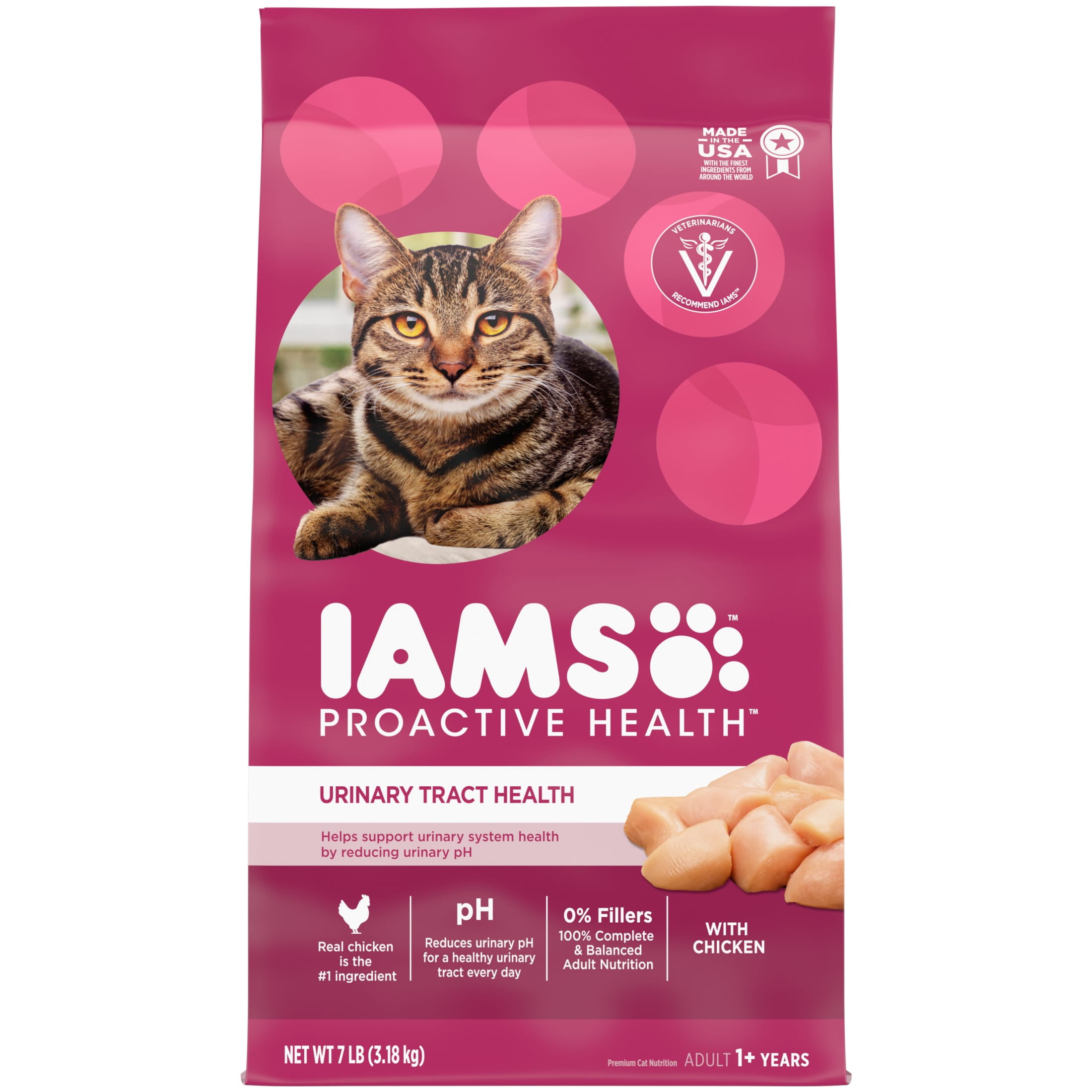
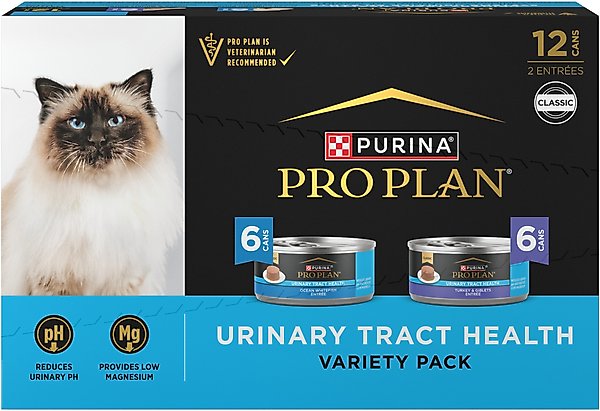
Many brands offer formulas specifically designed to support urinary tract health by adjusting mineral levels and adding beneficial ingredients. These foods often come with clinical evidence supporting their effectiveness.
Choosing a specialized formula can provide targeted benefits, but always consult your vet to select the right one for your cat’s unique needs. Have you tried switching your cat to a urinary health formula, and noticed any changes?
Supplements And Additives
Supplements and additives can help support your cat’s urinary tract health. They provide extra nutrients that may not be in regular cat food. These additions can reduce the risk of urinary problems and promote overall well-being. Choosing the right supplements ensures your cat stays healthy and comfortable.
Essential Nutrients For Urinary Support
Some nutrients play key roles in maintaining a healthy urinary tract. These include:
- Magnesium:Helps prevent crystal formation in urine.
- Vitamin C:Supports the immune system and acidifies urine.
- Taurine:An amino acid that promotes kidney health.
- Omega-3 Fatty Acids:Reduce inflammation in the urinary tract.
- Potassium:Maintains proper fluid balance and kidney function.
Balanced amounts of these nutrients reduce urinary risks and improve comfort.
Natural Supplements To Consider
Natural supplements can add extra protection for your cat’s urinary tract. Some good options include:
- Cranberry Extract:Prevents bacteria from sticking to the bladder walls.
- D-Mannose:A sugar that helps flush out harmful bacteria.
- Marshmallow Root:Soothes the urinary tract lining.
- Glucosamine:Supports bladder health and repairs tissues.
- Probiotics:Balance gut bacteria, which can impact urinary health.
Consult a vet before starting any new supplement for safety and proper dosage.
Feeding Tips For Better Urinary Health
Feeding your cat with urinary tract health in mind can make a big difference in their comfort and well-being. Small changes in how and what you feed your cat can reduce the risk of urinary problems and help maintain a healthy bladder. Let’s look at practical tips that you can easily apply to support your feline friend’s urinary system.
Meal Frequency And Portion Control
Feeding your cat smaller, more frequent meals can help stabilize their urinary system. Instead of one or two large meals, try dividing their daily food amount into three or four portions. This approach encourages steady hydration and prevents the bladder from becoming overly concentrated.
Portion control also matters. Overfeeding can lead to obesity, which increases the risk of urinary issues. Watch your cat’s weight and adjust portions accordingly to keep them lean and healthy.
Encouraging Water Intake
Water is key for flushing out the urinary tract and preventing crystal buildup. You can encourage your cat to drink more by placing multiple water bowls around your home. Some cats prefer running water, so a cat water fountain might catch their interest.
Adding wet food to your cat’s diet is another effective way to boost hydration. Cats naturally get most of their water from food, so including canned or fresh-moisture-rich options can make a big impact. Have you noticed how your cat responds to different water sources or food textures? Paying attention to these preferences can help you keep them well hydrated.
Monitoring And Recognizing Symptoms
Monitoring your cat’s urinary health is crucial for early detection of problems. Cats often hide symptoms, so careful observation helps catch issues early. Knowing what to watch for can prevent serious health complications and keep your cat comfortable.
Signs Of Urinary Tract Problems
- Frequent attempts to urinate with little output
- Straining or pain during urination
- Blood in the urine or pink discoloration
- Excessive licking of the genital area
- Urinating outside the litter box
- Strong or unusual urine odor
- Changes in drinking habits, either more or less water intake
- Lethargy or signs of discomfort
When To Visit The Vet
Seek veterinary care immediately if your cat shows any signs of distress during urination. Delaying treatment can cause blockages or infections to worsen. Persistent symptoms lasting more than 24 hours require professional evaluation. Early diagnosis improves treatment success and helps avoid serious complications.

Credit: www.amazon.com
Lifestyle Changes To Support Urinary Health
Lifestyle changes play a key role in supporting your cat’s urinary health. Small adjustments at home can reduce risks and improve well-being. Focus on creating a calm, clean environment and lowering your cat’s stress levels. Both have a strong impact on urinary tract health.
Stress Reduction Techniques
Stress can cause urinary problems in cats. It leads to inflammation and discomfort. Try these ways to keep your cat calm:
- Provide quiet spaces where your cat feels safe.
- Use pheromone sprays or diffusers to create a soothing atmosphere.
- Maintain a regular feeding and play schedule.
- Offer gentle petting and positive attention daily.
- Introduce new changes slowly to avoid anxiety.
Environmental Adjustments
A clean and well-organized space supports urinary health. Urine buildup or dirty litter boxes cause infections. Follow these tips:
- Keep litter boxes clean and place them in quiet areas.
- Provide multiple litter boxes if you have more than one cat.
- Ensure fresh water is always available to encourage drinking.
- Use water fountains to increase water intake.
- Limit access to stressful zones or loud noises.
Frequently Asked Questions
What Ingredients Support Cat Urinary Tract Health?
Ingredients like cranberries, omega-3 fatty acids, and antioxidants help maintain urinary health. These support bladder function and reduce inflammation.
How Does Hydration Affect Cat Urinary Health?
Proper hydration dilutes urine, preventing crystal and stone formation. Wet cat food or added water boosts hydration effectively.
Can Diet Prevent Urinary Tract Infections In Cats?
Yes, a balanced diet with controlled minerals lowers infection risk. It helps maintain a healthy urinary pH and reduces bacterial growth.
What Foods Should Be Avoided For Cat Urinary Health?
Avoid high magnesium, excessive dry kibble, and artificial additives. These can irritate the urinary tract and promote crystal formation.
Conclusion
Feeding your cat the right food helps keep its urinary tract healthy. Good nutrition can prevent infections and stones. Choose foods with balanced minerals and plenty of water. Watch your cat’s habits for any changes. Early care means fewer health problems later.
A healthy cat is a happy cat. Simple steps make a big difference every day. Keep learning and caring for your furry friend. Your effort shows in their health and comfort.
