

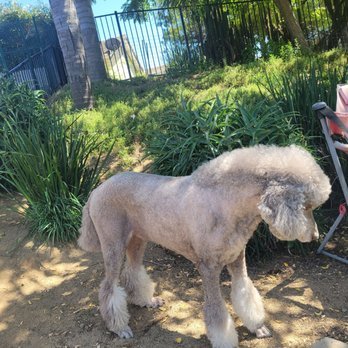
Have you ever felt overwhelmed trying to keep your furry friend clean and happy? Grooming your pet can sometimes feel like a storm you just can’t escape.
That’s where Raining Cats And Dogs Grooming comes in — your go-to solution for making pet care simple, enjoyable, and stress-free. Imagine your dog or cat looking their best without the hassle or mess. Ready to discover how you can transform grooming from a chore into a joyful experience?
Keep reading to find out!
Choosing The Right Products
Choosing the right grooming products makes a big difference for pets. It keeps their coat healthy and skin comfortable. Using suitable items helps avoid irritation and enhances grooming results. Focus on gentle, safe, and effective products for your furry friend.
Shampoos And Conditioners
Select shampoos made for your pet’s coat type. Look for natural ingredients and avoid harsh chemicals. Conditioners add softness and reduce tangles. They also help with dry skin. Choose mild formulas that hydrate without residue. Always rinse thoroughly to prevent irritation.
Brushes And Combs
Brushes and combs suit different coat lengths and textures. Soft bristle brushes work well for short hair. Slicker brushes remove loose fur and mats in long coats. Metal combs help detangle knots gently. Use tools that fit your pet’s size and fur type. Regular brushing improves blood flow and reduces shedding.
Nail Care Tools
Proper nail tools keep pets comfortable and safe. Clippers with sharp blades make clean cuts. Nail files smooth edges and prevent splitting. Guillotine-style clippers suit small nails. Scissor-style works better for thick nails. Choose tools with non-slip handles for control. Trim nails carefully to avoid hurting your pet.

Credit: www.freepik.com
Bathing Tips For Pets
Bathing your pet can be a rewarding experience for both of you, but it requires some preparation and attention to detail. Proper bathing helps maintain your pet’s health and keeps their coat shiny and clean. Let’s go through some practical tips to make bath time smooth and enjoyable.
Preparing The Bath Area
Set up a comfortable space before you start. Use a non-slip mat to prevent your pet from slipping, which helps reduce stress. Gather all your supplies—pet shampoo, towels, and a cup for rinsing—within arm’s reach to avoid leaving your pet unattended.
Consider the height of the tub or sink. If you need to lift your pet, make sure you have help or use a pet-friendly bath stand to avoid injury. Also, think about lighting and noise levels; a calm environment helps your pet stay relaxed.
Water Temperature And Pressure
Check the water temperature carefully. Lukewarm water is best, as water that’s too hot or too cold can shock your pet’s system and cause discomfort. Test it with your wrist or elbow before starting the bath.
Keep water pressure gentle. Strong jets can frighten your pet and make rinsing difficult. Using a handheld sprayer or a cup to pour water slowly helps control pressure and directs water exactly where you want it.
Drying Techniques
After rinsing, start drying immediately to prevent your pet from getting cold. Use a soft towel to blot excess water rather than rubbing, which can tangle fur and irritate skin. For long-haired pets, gently separate the fur with your fingers during drying to speed up the process.
If your pet tolerates it, a blow dryer on a low, cool setting can help. Keep the dryer moving and hold it at a safe distance to avoid burns. Watching your pet’s reaction closely will tell you if the noise or air is too much.
Brushing And Detangling
Brushing and detangling are essential parts of pet grooming at Raining Cats And Dogs. Regular brushing keeps your pet’s coat healthy and shiny. It removes loose hair, dirt, and prevents mats from forming. Detangling helps avoid painful knots that can harm your pet’s skin. Proper brushing also improves blood flow and spreads natural oils across the fur.
Frequency And Timing
Brush your pet’s coat regularly to maintain its health. Most pets benefit from brushing at least twice a week. Some breeds with long or thick fur need daily brushing. Choose a time when your pet feels calm and relaxed. Brushing after a bath helps remove loose fur and tangles easily. Short sessions work best to keep your pet comfortable.
Handling Mats And Tangles
Mats and tangles can cause discomfort and skin problems. Gently work through mats with a detangling spray and a wide-tooth comb. Hold the fur close to the skin to reduce pulling. Cut out severe mats carefully if needed, but avoid hurting your pet. Patience and gentle strokes make the process easier. Never force a brush through tight knots.
Coat Types And Brush Selection
Different coats need different brushes for the best care. Use a slicker brush for long, curly, or thick coats. A bristle brush works well on short, smooth fur. Pin brushes suit medium-length coats and help remove loose hair. Undercoat rakes are ideal for double-coated breeds. Choosing the right brush ensures gentle and effective grooming.

Credit: www.theflorentine.net
Nail Trimming Essentials
Nail trimming is a key part of pet grooming. It helps keep pets comfortable and healthy. Regular nail care stops pain and injuries. Knowing the basics of nail trimming saves stress for pets and owners.
Tools And Safety
Use sharp nail clippers made for pets. Dull tools can crush nails. A nail file smooths rough edges after clipping. Keep styptic powder ready to stop bleeding. Trim nails in a calm, well-lit space. Hold the paw gently but firmly. Avoid cutting the quick, the pink part inside nails.
Signs Of Overgrown Nails
- Nails touch the floor when standing.
- Clicking sounds on hard floors.
- Pain or limping during walking.
- Difficulty scratching or digging.
- Curved or curling nails.
Overgrown nails cause discomfort and affect walking. Watch for these signs to trim nails on time.
Aftercare Tips
- Check paws for cuts or irritation.
- Offer treats to reward good behavior.
- Keep nails clean and dry after trimming.
- Trim nails regularly, about every 3-4 weeks.
- Use pet-safe balm to soothe paw pads.
Proper aftercare makes nail trimming less stressful. It helps pets stay happy and healthy.
Ear And Teeth Care
Ear and teeth care is a vital part of pet grooming. Clean ears and healthy teeth prevent infections and pain. Pets feel happier and more comfortable with regular care. This section highlights cleaning methods, common problems, and products that help maintain ear and teeth health.
Cleaning Methods
Use a soft cloth or cotton ball to clean your pet’s ears gently. Avoid inserting anything deep into the ear canal. Use pet-specific ear cleaner to remove dirt and wax. Brush your pet’s teeth daily with a soft-bristled toothbrush. Use pet-safe toothpaste, never human toothpaste. Regular brushing helps reduce plaque and bad breath. Always be gentle to keep the experience calm and stress-free.
Common Issues To Watch For
- Redness or swelling in the ears
- Unpleasant odor from the ears
- Excessive scratching or shaking of the head
- Yellow or brown discharge in the ears
- Bad breath or foul smell from the mouth
- Visible tartar or plaque buildup on teeth
- Difficulty eating or chewing
- Bleeding or swollen gums
Spot these signs early to avoid serious health problems. Visit a vet if you notice any of these symptoms.
Recommended Products
| Product Type | Purpose | Features |
|---|---|---|
| Ear Cleaner | Removes dirt and wax | Gentle, alcohol-free, with natural ingredients |
| Toothbrush | Brushes teeth effectively | Soft bristles, easy grip handle |
| Pet Toothpaste | Cleans teeth, freshens breath | Safe to swallow, flavors pets like |
| Dental Chews | Helps reduce plaque | Chewable, tasty, supports oral health |

Credit: www.orangepet.in
Seasonal Grooming Adjustments
Seasonal Grooming Adjustments help pets stay comfortable all year. Each season brings unique challenges for pet coats and skin. Adjusting grooming routines supports health and happiness.
Changing weather affects pet fur thickness and skin moisture. Grooming needs vary to protect from cold, heat, or shedding. Careful attention prevents discomfort and skin problems.
Winter Care Tips
Winter cold can dry pet skin and cause irritation. Use moisturizing shampoos to keep skin hydrated. Brush fur often to remove dead hair and prevent mats.
Trim hair around paws to avoid ice buildup and salt irritation. Check ears and paws for cracks or redness daily. Provide a warm, dry place for pets to rest.
Summer Grooming Needs
Summer heat can cause overheating and skin issues. Trim thick fur to help pets stay cool. Use gentle shampoos to wash away sweat and dirt.
Brush frequently to prevent tangles and remove loose hair. Check for ticks and fleas after outdoor time. Apply pet-safe sunscreen on sensitive areas if needed.
Dealing With Shedding
Shedding increases during seasonal changes, especially spring and fall. Regular brushing removes loose fur and reduces hair around the house. Use tools like deshedding brushes or grooming gloves.
Feed a balanced diet to support healthy skin and coat. Bathe pets occasionally with gentle shampoo to clean fur and skin. Keep vacuuming and cleaning areas where pets rest.
Professional Grooming Services
Professional grooming services at Raining Cats And Dogs Grooming go beyond just keeping your pet looking good. They ensure your furry friend stays healthy and comfortable. Skilled groomers use the right tools and techniques tailored to your pet’s unique coat and skin needs.
When To Visit A Groomer
Knowing when to take your pet to a groomer can be tricky. Watch for signs like excessive shedding, matted fur, or an unpleasant odor. Regular visits every 4 to 8 weeks keep your pet clean and reduce the risk of skin problems.
If your pet starts scratching more or seems uncomfortable, it might be time for a grooming session. Don’t wait for a problem to arise; preventive care is key.
Choosing A Grooming Salon
Picking the right grooming salon affects your pet’s experience. Look for salons that are clean, well-organized, and have friendly staff who love animals. Ask about their grooming techniques and whether they handle pets with care and patience.
Does the salon require vaccinations? Are the groomers trained in handling anxious or special-needs pets? These questions help you find a place that matches your pet’s needs.
Preparing Your Pet
Preparing your pet before a grooming appointment reduces stress for both of you. Brush your pet’s coat at home to remove loose hair and tangles. This makes the groomer’s job easier and faster.
Bring your pet’s favorite toy or blanket to keep them calm. Also, discuss any special instructions or health concerns with the groomer beforehand to ensure the best care.
Diy Grooming Safety
Taking care of your pet’s grooming at home can be rewarding, but safety must always be your top priority. DIY grooming safety isn’t just about avoiding cuts or scrapes—it’s about creating a calm, controlled environment where your pet feels secure and you feel confident. Knowing how to prevent common errors, handle anxious behavior, and be ready for emergencies can make all the difference.
Avoiding Common Mistakes
Many pet owners try to rush through grooming, which often leads to mistakes like trimming too close or missing mats. Take your time and work in small sections to avoid injuries.
Use the right tools for your pet’s coat type. Dull scissors or clippers can pull hair and cause discomfort.
Check your pet’s skin regularly for redness or irritation. Grooming shouldn’t hurt—if it does, stop and reassess your approach.
Handling Anxious Pets
Pets pick up on your emotions, so stay calm and patient throughout the grooming process. Speaking softly and offering treats can help build trust.
If your pet struggles, try short sessions instead of one long appointment. This helps reduce stress and allows your pet to get used to grooming gradually.
Consider using calming products like pheromone sprays or anxiety wraps if your pet is especially nervous.
Emergency Preparedness
Keep a pet first aid kit handy with essentials like styptic powder, antiseptic wipes, and bandages.
Know how to quickly stop bleeding if you accidentally nick your pet’s skin—apply gentle pressure and use styptic powder to seal the wound.
Have your veterinarian’s contact info easily accessible. In case of a serious injury, prompt professional care is crucial.
Frequently Asked Questions
What Services Does Raining Cats And Dogs Grooming Offer?
Raining Cats And Dogs Grooming offers pet bathing, hair trimming, nail clipping, and ear cleaning. They cater to both cats and dogs with gentle, professional care.
How Often Should I Groom My Pet At Raining Cats And Dogs?
Pets should be groomed every 4 to 6 weeks. Regular grooming keeps pets clean, healthy, and comfortable, preventing matting and skin issues.
Are Raining Cats And Dogs Grooming Staff Trained And Certified?
Yes, the grooming staff are professionally trained and certified. They use safe techniques to ensure your pet’s wellbeing throughout the grooming process.
Can Raining Cats And Dogs Grooming Handle Pets With Sensitive Skin?
Yes, they use hypoallergenic products and gentle methods. Their team customizes grooming to protect pets with sensitive or allergy-prone skin.
Conclusion
Raining Cats And Dogs Grooming helps keep pets clean and happy. Regular grooming stops mats and tangles. It also keeps skin healthy and shiny. A calm pet makes grooming easier for everyone. Simple steps at home can save time and money.
Trust experts who love animals and work gently. Your pet will feel fresh and cared for. Healthy pets bring joy to any home. Try Raining Cats And Dogs Grooming for a better pet care routine.
