

Have you ever noticed your cat’s bad breath or reluctance to eat? These could be signs of dental problems that many cat owners overlook.
Taking care of your cat’s dental health is more important than you might think. Healthy teeth not only keep your furry friend’s smile bright but also prevent pain and serious health issues. You’ll discover simple and effective ways to protect your cat’s teeth and keep them strong for years to come.
Don’t wait until it’s too late—your cat’s comfort and happiness depend on it.
Importance Of Cat Dental Care
Caring for your cat’s teeth is essential for their overall health. Poor dental care can lead to pain, infection, and serious illnesses. Many cats hide dental problems, making regular care vital. Healthy teeth help cats eat well and stay active. Regular dental care improves their quality of life and lifespan.
Prevents Pain And Discomfort
Dental issues cause pain in cats. Problems like tooth decay and gum disease hurt their mouths. Cats may stop eating or become irritable. Proper dental care stops these problems early. It keeps cats comfortable and happy.
Reduces Risk Of Serious Illness
Bacteria from dental disease can enter the bloodstream. This spreads infection to the heart, kidneys, and liver. Dental care lowers the chance of these serious health issues. It helps keep cats healthy beyond their mouths.
Supports Good Eating Habits
Healthy teeth let cats chew food properly. Painful teeth make eating difficult or unpleasant. This can lead to weight loss and poor nutrition. Dental care ensures cats enjoy their meals and stay strong.
Detects Problems Early
Regular dental checks catch issues before they worsen. Early treatment prevents costly and painful procedures. It also helps vets track your cat’s health over time. Routine care is key to early problem detection.
Maintains Fresh Breath
Bad breath signals dental disease in cats. Clean teeth and gums keep breath fresh. Dental care reduces plaque and tartar buildup. This makes your cat more pleasant to be around.

Credit: www.vetriscience.com
Common Dental Issues In Cats
Cats often hide their dental pain well. Many common dental problems go unnoticed until serious damage occurs. Regular checks can help catch these issues early. Understanding these common dental issues helps keep your cat healthy and comfortable.
Gingivitis And Periodontal Disease
Gingivitis is the inflammation of the gums. It causes redness, swelling, and bleeding. If untreated, it can lead to periodontal disease. This disease damages tissues and bones supporting the teeth. Cats may show reluctance to eat or paw at their mouths. Early treatment prevents tooth loss and pain.
Tooth Resorption
Tooth resorption is a condition where the tooth structure breaks down. It starts at the root and moves upward. Many cats develop this painful problem as they age. Signs include drooling, difficulty eating, and bleeding gums. Veterinary care is necessary to remove affected teeth safely.
Bad Breath Causes
Bad breath in cats often signals dental trouble. Plaque and tartar build-up cause foul odors. Infections and gum disease worsen the smell. Sometimes, bad breath may indicate other health issues. Regular dental cleaning and check-ups reduce bad breath and improve oral health.
Signs Of Dental Problems
Recognizing signs of dental problems in your cat early can save them from pain and serious health issues. Cats often hide discomfort, making it tricky to spot trouble right away. Paying attention to both behavioral changes and physical symptoms helps you catch dental issues before they worsen.
Behavioral Changes
Your cat’s behavior can tell you a lot about their dental health. If you notice your cat suddenly avoiding their favorite foods or chewing only on one side, it might indicate tooth pain. Cats may also paw at their mouth or seem less playful than usual.
Has your cat started drooling more or dropping food while eating? These subtle changes often point to discomfort. Sometimes, a cat with dental problems becomes more withdrawn or irritable, which you might not immediately link to their teeth.
Physical Symptoms
Look closely at your cat’s mouth for physical signs of dental trouble. Red, swollen gums or visible tartar buildup on teeth are clear indicators. Bad breath that doesn’t go away after brushing is another common symptom.
Loose or broken teeth, bleeding gums, or sores inside the mouth require immediate attention. You might notice your cat’s mouth appears dry or they have difficulty opening it fully. These signs mean your cat’s dental health needs a checkup from the vet as soon as possible.
Daily Dental Care Tips
Daily dental care helps keep your cat’s mouth clean and healthy. It prevents bad breath, gum disease, and tooth loss. Small daily actions make a big difference in your cat’s comfort and health.
Brushing Techniques
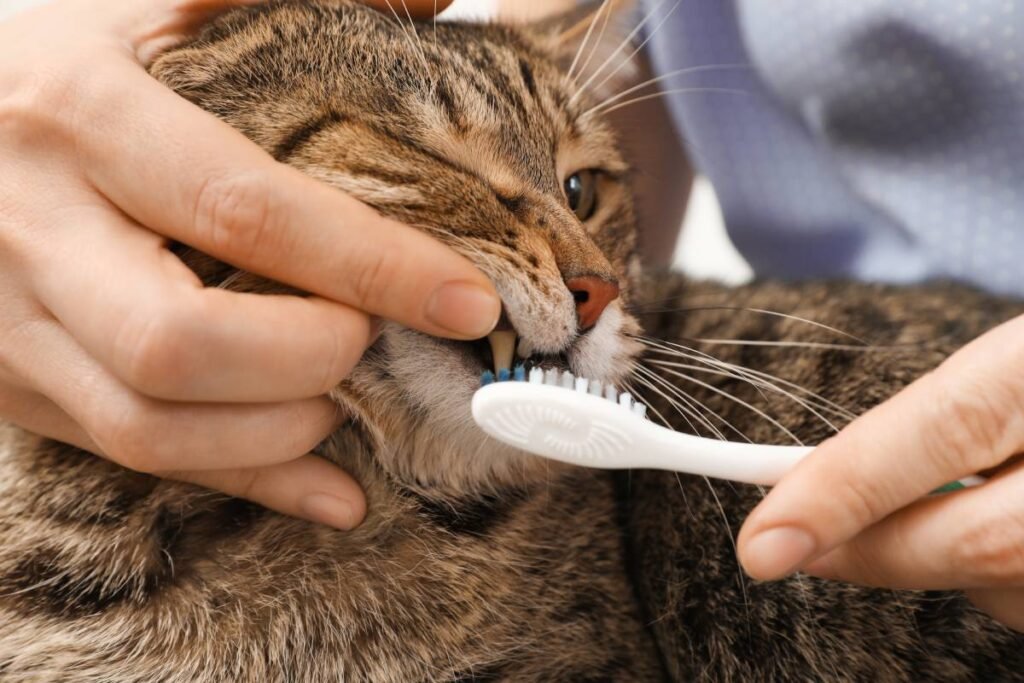
Use a soft-bristled toothbrush made for cats. Gently brush in small circles. Focus on the gum line where plaque builds up. Start slowly to help your cat get used to it. Short sessions work best to avoid stress.
Choosing The Right Toothpaste
Pick toothpaste made specifically for cats. Human toothpaste can harm your pet. Cat toothpaste comes in tasty flavors like poultry or fish. This encourages cats to accept brushing. Always follow the product instructions carefully.
Dental Chews And Toys
Dental chews help reduce plaque naturally. Choose chews that are safe and sized for your cat. Toys with textured surfaces also clean teeth during play. These keep your cat entertained and support dental health. Supervise your cat to avoid choking hazards.
Diet And Dental Health
Diet plays a key role in keeping a cat’s teeth healthy. The right food helps reduce plaque and tartar. It also supports strong gums and fresh breath. Feeding a balanced diet improves overall dental health. Poor diet choices can lead to tooth decay and gum disease. Understanding which foods benefit your cat’s mouth is essential.
Best Foods For Healthy Teeth
Dry kibble is often better for dental health than wet food. Crunchy pieces help scrape plaque from teeth. Some brands add special ingredients to fight bacteria. Look for foods labeled “dental health” or “oral care.” Raw meaty bones can also help clean teeth naturally. Always supervise cats with bones to prevent choking.
- High-quality dry cat food
- Dental-specific kibble formulas
- Raw meaty bones (with supervision)
- Foods rich in omega-3 fatty acids for gum health
Avoiding Harmful Treats
Many treats are sugary or sticky. These can cause plaque buildup and cavities. Avoid giving your cat human snacks like bread or candy. Some commercial treats have too many fillers and artificial additives. Choose dental treats designed to reduce tartar. Limit treats to keep your cat’s diet balanced.
- No sugary or sticky snacks
- No human sweets or bread
- Dental chews made for cats
- Moderate treat intake to prevent obesity
Professional Dental Care
Professional dental care plays a crucial role in maintaining your cat’s overall health. While daily brushing and at-home care help, only a vet can thoroughly evaluate and treat dental issues that might not be visible to you. Knowing when to seek professional help and understanding what happens during dental cleaning can protect your feline friend from pain and serious health problems.
When To Visit The Vet
Keep an eye out for signs like bad breath, difficulty eating, or excessive drooling. These symptoms often indicate dental problems that need a vet’s attention.
Regular vet check-ups are essential even if your cat shows no obvious signs. Dental diseases can develop silently, so your vet can catch issues early through routine exams.
Consider scheduling a dental visit if your cat is older or has a history of dental troubles. Early intervention can save your cat from discomfort and costly treatments later.
Dental Cleaning Procedures
Professional dental cleaning is more than just polishing teeth. It involves scaling to remove plaque and tartar both above and below the gum line.
Your cat will be under anesthesia during the procedure to ensure comfort and safety. This allows the vet to clean thoroughly and examine each tooth for damage or infection.
After cleaning, the vet may apply a protective sealant to slow down plaque buildup. They might also extract any severely damaged teeth to prevent further issues.
Have you ever wondered how much healthier your cat could feel after a professional dental cleaning? Many owners notice their pets eat better and act more playful post-procedure.
Preventive Measures
Taking preventive measures is the best way to keep your cat’s teeth healthy and avoid painful dental problems later on. Small daily habits and regular professional care can make a huge difference in your cat’s oral health. Have you ever noticed your cat hiding or showing less interest in food? It might be a sign of dental discomfort that you can prevent.
Regular Checkups
Scheduling regular dental checkups with your veterinarian is crucial. These visits allow the vet to spot early signs of dental disease that aren’t visible at home. Your vet can clean your cat’s teeth professionally, removing plaque and tartar that brushing alone can’t handle.
During these visits, ask your vet about signs to watch for between appointments. Knowing what to look for helps you catch problems early. How often should your cat visit the vet? Typically, every 6 to 12 months is recommended, but your vet can advise based on your cat’s specific needs.
Home Dental Exams
Getting comfortable checking your cat’s mouth at home is a simple way to stay on top of their dental health. Use a gentle touch to lift their lips and look for redness, swelling, or bad breath. These can be early warning signs of dental issues.
Make the exam a positive experience by choosing a calm moment and rewarding your cat afterwards. Over time, your cat will tolerate the checks better, making it easier for you to notice changes. Could your daily routine include a quick dental check to prevent problems?
- Look for loose or broken teeth
- Check for swollen or bleeding gums
- Notice any buildup of yellow or brown tartar
- Pay attention to your cat’s breath smell

Credit: www.vetriscience.com

Credit: www.amazon.com
Frequently Asked Questions
How Often Should I Brush My Cat’s Teeth?
Brushing your cat’s teeth daily is ideal for maintaining dental health. If daily brushing isn’t possible, aim for at least a few times a week. Regular brushing helps prevent plaque and tartar buildup, reducing the risk of dental diseases. Use a toothbrush and toothpaste designed specifically for cats.
What Are Signs Of Dental Problems In Cats?
Common signs include bad breath, drooling, and difficulty eating. Cats may also have swollen gums or lose interest in food. If you notice any of these symptoms, consult your veterinarian. Early detection and treatment can prevent more serious dental issues and improve your cat’s overall health.
Can Diet Affect My Cat’s Dental Health?
Yes, diet plays a crucial role in dental health. Dry kibble can help reduce plaque buildup. Some veterinary diets are specifically formulated to promote dental health. Always provide a balanced diet and fresh water. Consult your veterinarian for dietary recommendations tailored to your cat’s needs.
Are Dental Treats Effective For Cats?
Dental treats can help reduce plaque and tartar buildup. They are designed to promote chewing, which helps clean teeth. However, they should not replace regular brushing or veterinary care. Use them as a supplement to your cat’s dental hygiene routine for the best results.
Conclusion
Healthy teeth keep cats happy and pain-free. Regular brushing helps stop plaque build-up. Feeding dental-friendly food supports strong teeth. Watch for signs like bad breath or drooling. Visit the vet for check-ups and cleaning. Good dental care can prevent serious health problems.
Small daily steps make a big difference. Keep your cat’s smile bright and healthy!
