

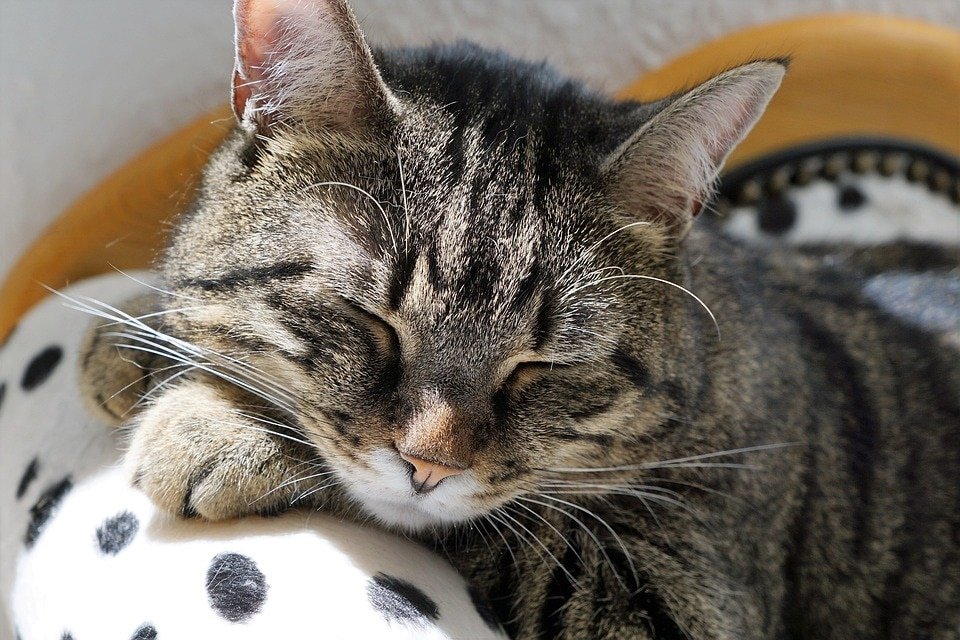
Have you ever noticed your cat acting strangely and wondered if something is wrong? Just like people, cats can face mental health issues that affect their mood and behavior.
Understanding these problems can help you provide the care your furry friend truly needs. You’ll discover common signs of cat mental health struggles and learn simple steps to support your cat’s well-being. Keep reading to make sure your beloved pet stays happy and healthy.
Signs Of Feline Anxiety
Recognizing signs of anxiety in your cat can be tricky, especially since they often hide their stress well. Yet, subtle changes in behavior, physical health, and vocal patterns can reveal when your feline friend is feeling uneasy. Paying close attention to these signs helps you take action before anxiety worsens.
Behavioral Changes
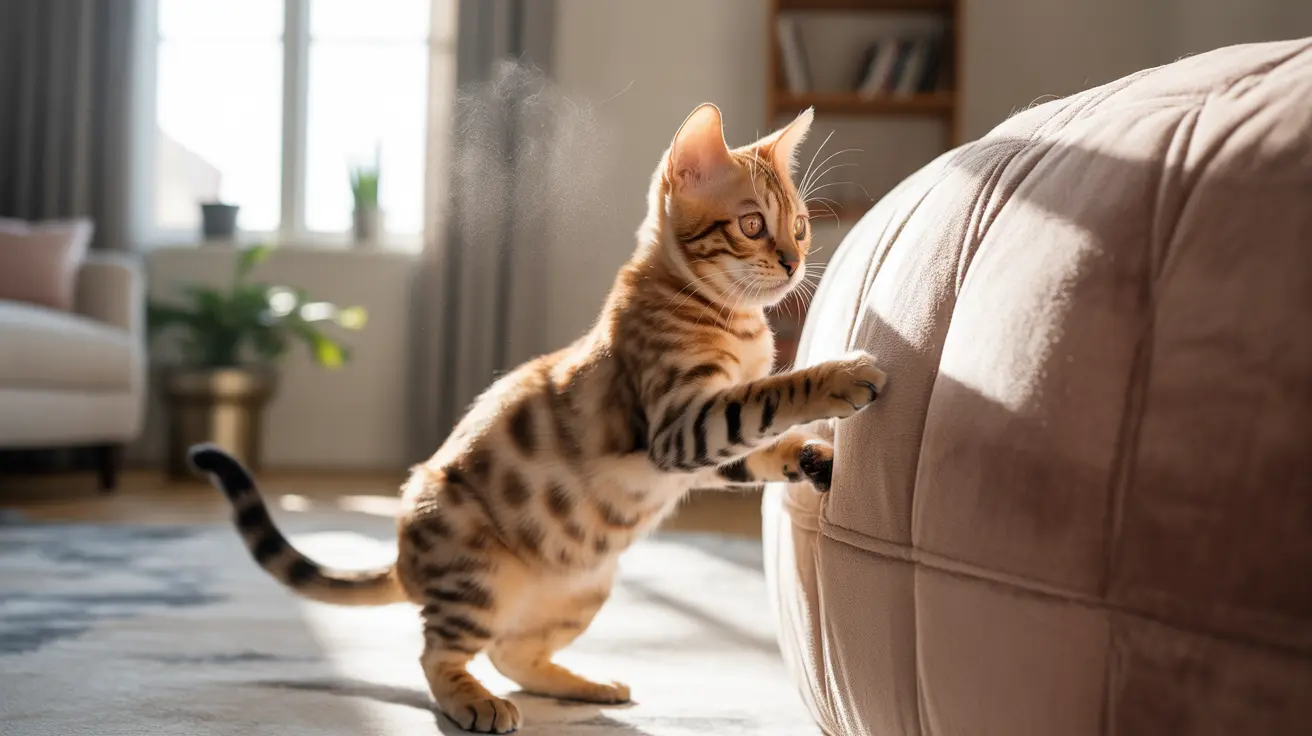
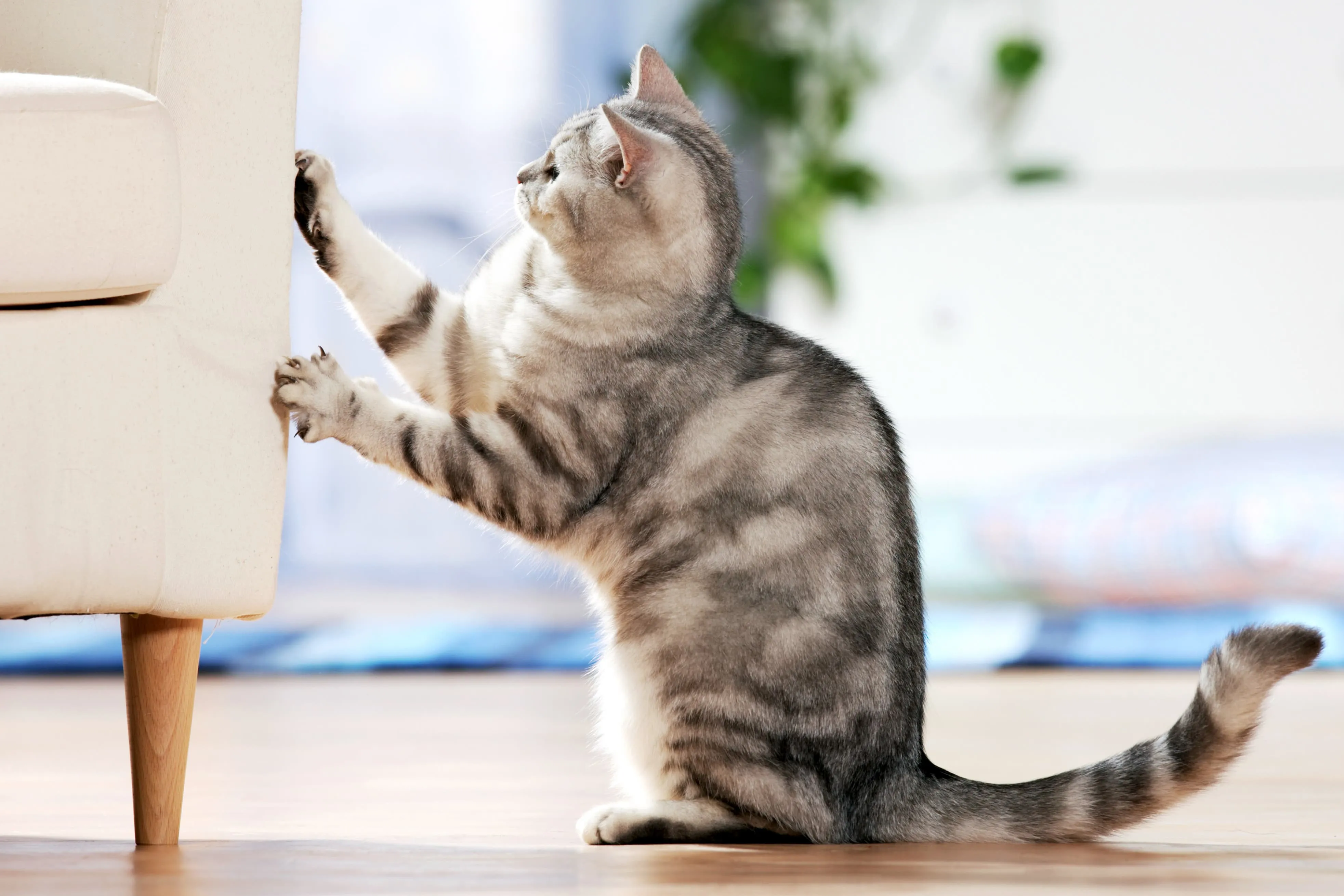
Your cat might suddenly avoid interaction or hide more than usual. You may notice they scratch furniture excessively or stop using their litter box. These shifts can signal nervousness or discomfort.
Does your cat pace or seem restless when you’re home? Such repetitive behaviors often indicate anxiety. Observing these habits early can guide you to create a calmer environment for them.
Physical Symptoms
Physical signs like excessive grooming can point to stress. Cats might lick or bite their fur until it thins or becomes irritated. You might also see changes in appetite or weight loss.
Watch for signs like dilated pupils or rapid breathing, which often accompany anxious feelings. If your cat’s coat looks dull or they seem lethargic, these could be physical manifestations of mental strain.
Vocalization Patterns
Increased meowing, yowling, or even sudden silence can indicate anxiety. Your cat may vocalize more when you leave or during unfamiliar situations. This is their way of seeking comfort or expressing distress.
Have you noticed your cat’s usual calm meows turning into loud, persistent calls? These changes are worth noting and can help you understand their emotional state better.
Common Causes Of Cat Anxiety
Cat anxiety is a common problem affecting many feline companions. It can cause changes in behavior and reduce their quality of life. Understanding the common causes of cat anxiety helps in managing and preventing it effectively.
Environmental Stressors
Noise, unfamiliar places, and loud sounds often stress cats. Crowded spaces or new pets can also cause anxiety. Cats are sensitive to their surroundings and may hide or act fearful.
Changes In Routine
Cats thrive on consistency and predictability. Sudden changes in feeding times, moving homes, or new family members can upset them. Even small disruptions can trigger stress and anxiety.
Health Issues
Illness and pain often lead to anxious behavior. Conditions like arthritis, dental problems, or infections cause discomfort. Regular vet check-ups can help identify and treat these issues early.
Impact On Cat Behavior
Cats show clear signs of mental health struggles through their behavior. Changes often reveal stress, anxiety, or depression. Understanding these signs helps owners provide better care. Behavioral shifts can affect the cat’s happiness and home harmony.
Aggression And Withdrawal
A stressed or anxious cat may act aggressively. They might hiss, bite, or scratch more than usual. Some cats withdraw instead. They hide, avoid people, and stop playing. Both aggression and withdrawal signal emotional problems. Owners should watch for sudden changes.
Litter Box Problems
Mental health issues often cause litter box problems. Cats may stop using the box or urinate outside it. This behavior can indicate stress or illness. Changes in routine or environment may trigger this. Addressing the cause quickly prevents bad habits.
Excessive Grooming
Cats groom to clean themselves and feel calm. Mental health issues may lead to too much grooming. This causes bald spots or skin irritation. Excessive grooming shows anxiety or boredom. It needs attention to avoid serious skin problems.

Credit: justcatsclinic.com
Diagnosing Anxiety In Cats
Diagnosing anxiety in cats requires careful observation and professional evaluation. Cats often hide their stress, making it hard to spot anxiety. Early diagnosis helps improve their quality of life and prevents worsening symptoms. Understanding the signs and seeking expert help is key.
Veterinary Assessments
Veterinarians perform thorough physical exams to rule out medical issues. Some health problems mimic anxiety symptoms. Blood tests and neurological exams may be necessary. Vets also discuss your cat’s history and behavior changes. This helps identify stress triggers or underlying conditions. Accurate diagnosis begins with eliminating physical causes.
Behavioral Evaluations
Behaviorists observe how cats react in different situations. They note signs like hiding, excessive grooming, or aggression. Evaluations may involve:
- Watching the cat’s response to new environments
- Assessing interaction with people and other pets
- Identifying patterns linked to anxiety
These evaluations guide customized behavior plans. They also help track progress after treatment starts. Understanding the root of anxiety leads to better care and happier cats.
Managing Feline Anxiety
Managing feline anxiety is essential for a happy, healthy cat. Anxiety can cause many problems like hiding, aggression, or loss of appetite. Helping cats feel calm improves their quality of life and strengthens your bond. Small changes and thoughtful care can make a big difference in reducing stress.
Creating A Safe Environment
Cats need a quiet space to feel safe and relaxed. Provide cozy hiding spots like boxes or cat trees. Keep loud noises and sudden movements to a minimum. Use soft lighting and gentle sounds in your cat’s area. Consistent daily routines help cats feel secure and calm.
Behavioral Therapy Techniques
Positive reinforcement teaches cats to respond well to new situations. Use treats and praise to reward calm behavior. Gradually expose your cat to triggers causing anxiety in short sessions. Avoid punishment as it increases fear and stress. Playtime helps release nervous energy and builds confidence.
Use Of Calming Products
Calming products can support anxiety management. Pheromone diffusers release comforting scents similar to a mother cat’s. Soft collars infused with calming scents help during travel or vet visits. Herbal supplements and natural remedies may reduce stress. Always consult a vet before starting new products.
Credit: www.petscare.com
Medical Treatments For Anxiety
Medical treatments for anxiety in cats can help manage stress and improve their quality of life. Anxiety affects many cats, causing symptoms like hiding, aggression, or excessive grooming. Treating anxiety often requires a combination of approaches, including medication and behavioral changes. Understanding medical options allows pet owners to support their cats effectively.
Medication Options
Several medications can help reduce anxiety in cats. Vets may prescribe:
- Selective serotonin reuptake inhibitors (SSRIs) to balance mood chemicals.
- Tricyclic antidepressants to calm nerves and reduce stress.
- Anti-anxiety drugs for short-term relief during stressful events.
- Natural supplements like pheromone products to promote relaxation.
Medications should be used carefully and under veterinary guidance. Dosage varies based on the cat’s weight and health.
When To Consult A Vet
Consult a vet if your cat shows signs of anxiety that affect daily life. Look for:
- Changes in appetite or litter box habits.
- Excessive hiding or aggression.
- Constant vocalization or destructive behavior.
Early consultation helps prevent worsening symptoms. A vet can diagnose underlying causes and recommend the best treatment plan.
Preventing Anxiety In Cats
Preventing anxiety in cats is essential for their well-being and your peace of mind. Anxiety can lead to behavior problems and health issues, but simple strategies can help keep your feline friend calm and happy. Understanding what triggers anxiety and how to minimize those triggers can create a safe and comforting environment for your cat.
Early Socialization
Introducing your cat to different people, sounds, and environments early on helps them build confidence. Kittens exposed to gentle handling and varied experiences tend to be less fearful as adults. Have you noticed how your cat reacts to new visitors or changes? Early positive interactions can make those moments less stressful.
Try to expose your kitten to different household noises, like vacuum cleaners and doorbells, in a controlled way. This reduces the shock factor later. Socializing doesn’t stop at kittenhood—slowly introducing new experiences throughout life can help maintain your cat’s comfort level.
Consistent Routine
Cats thrive on predictability. A steady schedule for feeding, playtime, and rest helps reduce anxiety by creating a sense of security. Have you ever seen your cat get upset when you come home late or skip a usual activity? That’s a sign they rely on routine.
Keep feeding times consistent and set aside regular moments for interaction. This structure helps your cat know what to expect, which lowers stress. Even small changes, like moving a feeding bowl, can cause unease, so keep things familiar whenever possible.
Enrichment Activities
Boredom can quickly turn into anxiety. Providing your cat with toys, climbing spaces, and puzzle feeders keeps their mind engaged and reduces nervous energy. How often do you see your cat staring out the window or pacing around? That could be a sign they need more stimulation.
Rotate toys regularly to keep them interesting and create new challenges with treat-dispensing puzzles. Interactive play sessions strengthen your bond and help release pent-up energy. Think about your cat’s natural hunting instincts and try to mimic those with toys and games.
Credit: www.webmd.com
Frequently Asked Questions
What Are Common Cat Mental Health Issues?
Common cat mental health issues include anxiety, depression, stress, and compulsive behaviors. These can affect their mood and behavior significantly.
How Can I Tell If My Cat Is Stressed?
Signs of stress in cats include hiding, excessive grooming, loss of appetite, and changes in litter box habits. Early detection helps in managing stress.
Can Environmental Changes Affect Cat Mental Health?
Yes, sudden changes like moving homes or new pets can cause anxiety and stress in cats. Maintaining routine helps reduce mental strain.
How Do I Improve My Cat’s Mental Well-being?
Provide a stimulating environment with toys, playtime, and safe spaces. Regular interaction and a stable routine support positive mental health.
Conclusion
Cats can face mental health problems just like people do. Signs like changes in behavior or mood need attention. Regular play and affection help keep cats happy and calm. A good environment makes a big difference for their well-being. Talk to a vet if you see worrying changes.
Taking care of your cat’s mind is key to a joyful pet. Small steps make a strong bond and a healthy life. Remember, mental health matters for your furry friend too.
