


Grooming your cat might seem like a simple task, but it’s more important than you think. When you take the time to groom your feline friend, you’re not just keeping them clean—you’re boosting their health and happiness.
Imagine your cat feeling soft, comfortable, and free of mats or shedding fur. Plus, regular grooming helps you spot any health issues early on. If you want to make grooming easy and stress-free for both you and your cat, keep reading.
This guide will show you exactly how to groom cats the right way, step by step.
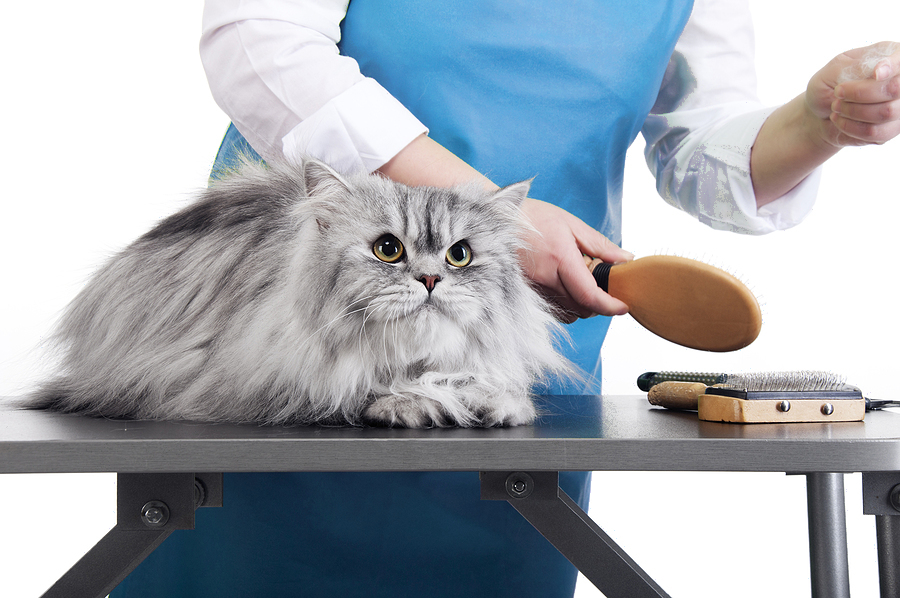
Credit: tipptotail.com
Grooming Essentials
Grooming your cat is more than just keeping them clean; it’s about comfort, health, and bonding. Before you even start brushing or trimming, having the right essentials ready makes the process smoother for both you and your feline friend. Let’s look at what you truly need to gather and how to prepare the perfect environment to keep your cat calm and cooperative.
Choosing The Right Tools
Not all grooming tools suit every cat. Think about your cat’s fur type—short, long, thick, or thin—and pick tools that match.
- Brushes:Slicker brushes work well for long-haired cats to remove tangles. For short-haired cats, rubber brushes help remove loose fur without irritating the skin.
- Combs:Use fine-toothed combs for delicate areas like the face and paws to catch small knots.
- Nail Clippers:Choose clippers designed specifically for cats to avoid discomfort.
- Grooming Wipes:These come handy for quick cleanups or when your cat resists baths.
Have you noticed how your cat reacts to different brushes? Watching their preference can guide you to the right tools.
Setting Up A Comfortable Space
Your cat’s grooming experience depends heavily on the environment you create. Pick a quiet, familiar spot where your cat feels safe.
Keep distractions low and have all your tools within reach. This reduces the time your cat spends waiting and getting anxious.
- Place a soft towel or blanket on a stable surface to help your cat feel secure.
- Consider gentle background noise like soft music if your cat responds well to it.
- Ensure good lighting so you can see what you’re doing without startling your cat.
Have you tried grooming your cat in different rooms or at different times? Finding the right place can change the whole experience.
Brushing Techniques
Brushing your cat is more than just a grooming task; it’s a chance to connect and ensure their coat stays healthy and shiny. Different coat types need different brushing approaches. Understanding these brushing techniques will make the process smoother for both you and your cat.
Short-haired Cats
Short-haired cats usually have less tangling, but they still need regular brushing to remove loose fur and reduce shedding. Use a soft-bristle brush or a rubber grooming glove to gently stroke your cat’s coat in the direction of hair growth.
Spend extra time on areas like the neck, behind the ears, and under the legs where fur tends to shed more. Notice how your cat reacts—if they enjoy the brushing, it’s a great sign you’re doing it right.
Long-haired Cats
Long-haired cats require more attention to prevent mats and tangles. Use a wide-toothed comb first to gently detangle knots, then follow with a slicker brush to smooth the coat and remove loose hair.
Be patient and work in small sections, especially around sensitive spots like the belly and tail. If your cat resists, try brushing after playtime or when they’re relaxed in your lap to make it a positive experience.
Frequency And Timing
How often you brush depends largely on your cat’s coat type and lifestyle. Short-haired cats benefit from brushing once or twice a week, while long-haired cats usually need daily attention to keep their fur in top shape.
Choose moments when your cat is calm, such as after a meal or during quiet evenings. Consistency helps your cat expect and accept grooming sessions, making them less stressful for both of you.
Bathing Tips
Bathing cats can be a challenge but is sometimes necessary. Proper bathing keeps your cat clean and healthy. It removes dirt, allergens, and loose fur. Many cats dislike water, so gentle care is important. Use the right techniques to make the bath less stressful. This section offers practical tips for successful cat bathing.
When To Bathe Your Cat
Bathe your cat only when needed. Cats usually groom themselves well. Bathing helps if your cat is very dirty or has fleas. Also bathe if they get sticky substances on fur. Bathing may be needed for some medical conditions. Avoid frequent baths as they dry out the skin. Check with a vet if unsure about bathing timing.
Step-by-step Bathing Process
- Brush your cat gently to remove loose fur.
- Use warm water, not hot or cold.
- Place a non-slip mat in the sink or tub.
- Wet your cat carefully, avoiding the face.
- Apply cat-safe shampoo and lather softly.
- Rinse thoroughly to remove all shampoo.
- Use a cup or sprayer for controlled rinsing.
- Keep calm and speak softly to your cat.
- Do not force your cat; take breaks if needed.
Drying Methods
Wrap your cat in a soft towel immediately after bath. Pat dry gently without rubbing. Change towels if they get wet. Use a hairdryer on low and cool settings if your cat tolerates it. Keep the dryer moving to avoid hot spots. Dry your cat in a warm room to prevent chills. Let your cat groom to finish drying naturally.
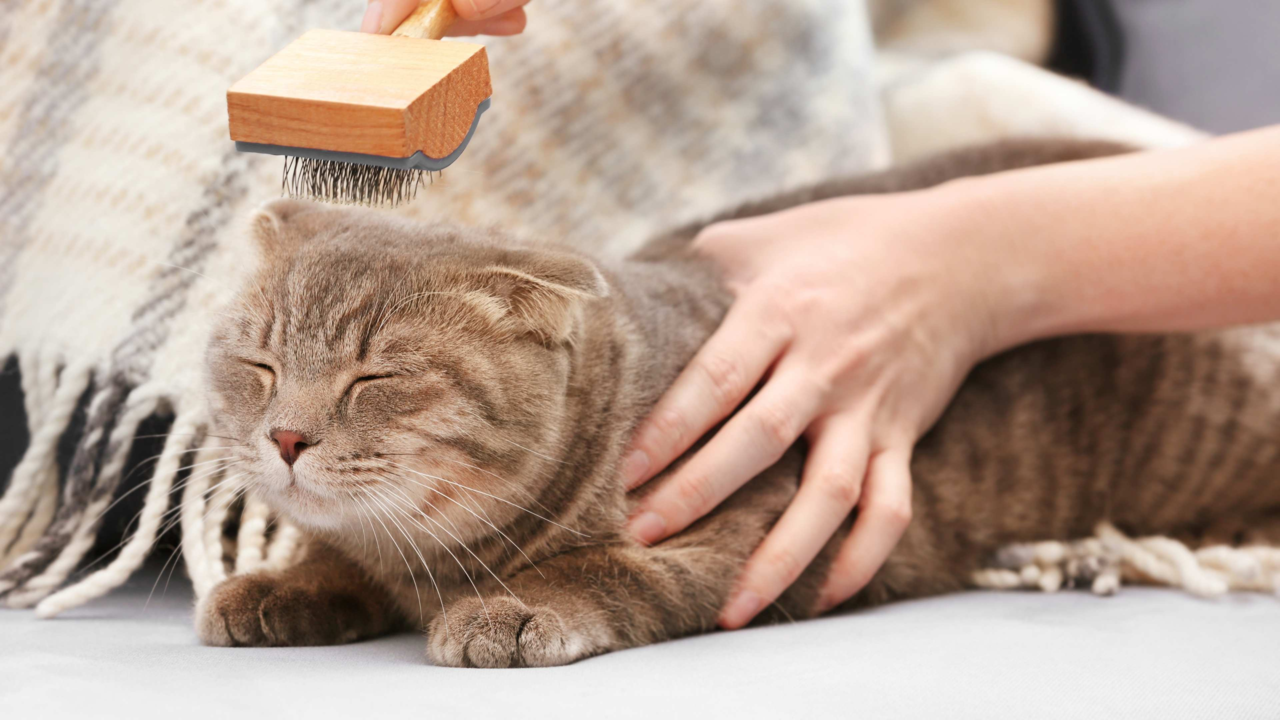
Credit: petdirect.co.nz
Nail Care
Nail care is a key part of grooming your cat, helping to keep their claws healthy and prevent damage to your furniture or skin. Regular trimming reduces the risk of overgrown nails that can curl into the paw pads, causing pain or infection. It also helps your cat stay comfortable, especially if they spend most of their time indoors.
Trimming Tips
Choose a quiet spot where your cat feels relaxed. Use a sharp, cat-specific nail clipper for clean cuts. Avoid cutting too close to the pink part of the nail, called the quick, to prevent bleeding and discomfort.
Trim just the sharp tip of each nail. If your cat has clear or light-colored nails, the quick is easier to see. For darker nails, trim small amounts gradually to avoid cutting too deep.
Offer treats and gentle praise to create a positive experience. Trim nails every two to three weeks to keep them at a healthy length.
Handling Difficult Cats
Not all cats enjoy nail trimming, and some may resist strongly. Try wrapping your cat in a towel, leaving only one paw exposed at a time. This can help keep them calm and prevent scratching.
Break the session into short, manageable steps. Trim one or two nails, then pause to reward your cat before continuing. Patience and calmness are essential to reduce stress for both of you.
Consider asking a vet or professional groomer for help if your cat is very anxious or aggressive. Have you noticed how your cat reacts to nail trimming? Understanding their behavior can guide you to the best approach.
Ear And Eye Care
Keeping your cat’s ears and eyes clean is essential for their overall health. These areas can easily collect dirt, wax, and discharge, which might lead to discomfort or infections if ignored. Paying attention to ear and eye care helps your cat feel comfortable and avoids costly vet visits.
Cleaning Ears Safely
Start by inspecting your cat’s ears regularly. Look for redness, swelling, or a bad smell, which could signal an infection.
Use a soft cloth or cotton ball dampened with a vet-approved ear cleaner. Gently wipe the outer ear—never insert anything deep into the ear canal. Your cat’s ear is sensitive, and pushing too far can cause pain or damage.
If your cat resists, stop and try again later. Patience is key. You can also reward your cat with treats to create a positive association with ear cleaning.
Managing Eye Discharge
It’s normal for cats to have a small amount of eye discharge, but excessive tearing or crusting needs attention. Wipe away discharge with a clean, damp cloth or cotton pad.
Always use a fresh cloth for each eye to avoid spreading any potential infection. Gently wipe from the inner corner outward to keep dirt from entering the eye.
If you notice persistent redness, swelling, or your cat frequently scratches their eyes, consult your vet. Prompt action can prevent more serious eye problems.
Dealing With Shedding
Shedding is a natural process for cats, but it can create a mess in your home. Regular grooming helps manage loose fur and keeps your cat comfortable. Understanding how to handle shedding reduces fur around the house and prevents skin problems.
Reducing Hairballs
Hairballs form when cats swallow loose fur during grooming. Frequent brushing removes loose hair before your cat can ingest it. Use a soft-bristle brush or grooming glove to collect fur gently.
Feeding your cat a high-fiber diet helps move hair through the digestive system. Offering plenty of water also prevents hairballs by keeping digestion smooth.
- Brush your cat daily to catch loose fur early.
- Choose food formulated to reduce hairballs.
- Keep fresh water available at all times.
Seasonal Shedding Management
Cats shed more during spring and fall. Their bodies adjust to temperature changes by losing thick winter or summer coats. Increase grooming sessions during these periods.
Use tools designed for heavy shedding, like a deshedding brush. Groom your cat outside if possible to avoid fur buildup indoors. Regular grooming prevents mats and skin irritation.
- Brush more often in shedding seasons.
- Pick the right grooming tools for your cat’s fur type.
- Keep your cat calm with gentle strokes.
Behavioral Tips
Grooming your cat isn’t just about keeping their coat shiny; it’s about building trust and making the experience positive. Understanding your cat’s behavior during grooming can help you avoid struggles and make sessions smoother. Paying attention to how your cat reacts will guide you to adjust your approach and keep grooming stress-free.
Making Grooming Enjoyable
Start grooming when your cat is calm and relaxed, like after a nap or meal. Choose a quiet spot where your cat feels safe, and use gentle, slow strokes with a soft brush.
Try to link grooming with treats or praise. I once gave my shy cat a small treat after each brushing session, and over time, she started looking forward to it.
Keep sessions short at first—just a few minutes—and gradually increase the time. This helps your cat get used to the routine without feeling overwhelmed.
Signs Of Stress To Watch For
Know your cat’s warning signs to prevent stress from escalating. Common signs include:
- Flattened ears or twitching tail
- Hissing, growling, or sudden biting
- Rapid breathing or wide eyes
- Trying to escape or hide
If you notice any of these, pause the grooming and give your cat space. Ask yourself, is your cat ready to continue, or do they need a break?
Recognizing these signs early saves both you and your cat from frustration and helps turn grooming into a bonding experience rather than a battle.
Health Benefits
Grooming your cat isn’t just about keeping them looking good. It plays a vital role in maintaining their overall health and well-being. Regular grooming helps you spot potential health issues early and keeps your cat’s coat in the best condition possible.
Detecting Skin Issues Early
Grooming gives you a chance to closely examine your cat’s skin. You can catch problems like fleas, ticks, or infections before they become serious. Have you noticed any unusual bumps or redness during grooming? These signs often go unnoticed without regular checks.
Early detection means quicker treatment, which can prevent discomfort and costly vet visits. Your cat can avoid itching, hair loss, or painful sores when you catch issues early. Plus, you develop a deeper understanding of what’s normal for your cat’s skin.
Improving Coat Quality
Brushing your cat regularly removes dirt, loose fur, and dead skin cells. This simple act stimulates natural oils that keep the coat shiny and soft. Cats with well-maintained coats tend to shed less, which means less mess around your home.
Have you ever noticed how a smooth, glossy coat reflects good health? Grooming supports this by preventing mats and tangles that can trap moisture and cause irritation. A healthy coat also protects your cat from harsh weather and helps regulate body temperature.

Credit: www.latimes.com
Frequently Asked Questions
How Often Should I Groom My Cat?
Groom your cat at least once a week. Long-haired cats need daily grooming to prevent mats. Regular grooming reduces shedding and hairballs. It also promotes healthy skin and bonding.
What Tools Do I Need For Cat Grooming?
Use a soft-bristle brush for short hair cats. A wide-tooth comb is ideal for long hair. Nail clippers, grooming wipes, and flea combs help maintain hygiene. Always choose cat-safe grooming tools.
Can Grooming Prevent Cat Hairballs?
Yes, grooming removes loose fur and reduces hairballs. Regular brushing stops cats from swallowing excess hair. It also improves digestion and decreases vomiting caused by hairballs.
How To Make Grooming Stress-free For Cats?
Create a calm environment with soft tones. Use gentle strokes and avoid sudden movements. Reward your cat with treats and praise. Start grooming sessions short and gradually increase time.
Conclusion
Grooming your cat helps keep their coat clean and healthy. It also reduces hairballs and matting. Regular brushing creates a strong bond between you and your pet. Make grooming a calm and gentle routine. Watch your cat’s behavior and adjust as needed.
Healthy grooming habits lead to a happier, more comfortable cat. Start today and enjoy the benefits of good care. Your cat will thank you with purrs and affection. Simple steps make a big difference in your cat’s life.
