

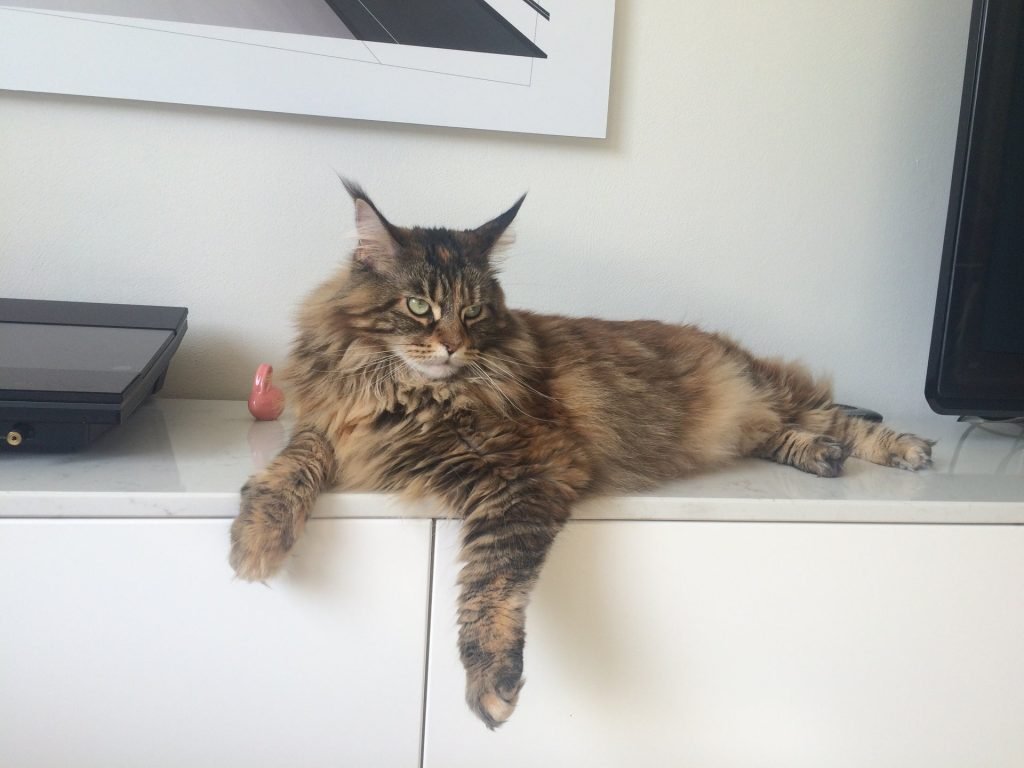
If you have a Maine Coon cat, you want to keep your furry friend happy and healthy. But did you know these gentle giants can face some unique health problems?
Understanding these issues early can save you time, money, and heartache. You’ll discover the common health challenges Maine Coons face and what signs you should watch for. Knowing this can help you protect your cat’s well-being and enjoy many more years together.
Keep reading to learn what every Maine Coon owner needs to know.
Credit: bellspurr.com
Common Health Issues
Maine Coon cats are generally strong and healthy. Yet, they can face certain health problems more often than other breeds. Knowing these common issues helps owners keep their cats safe and well. Regular checkups and early care are key to managing these conditions.
Hypertrophic Cardiomyopathy
This heart disease causes thickening of the heart muscles. It can reduce blood flow and lead to heart failure. Symptoms include difficulty breathing and weakness. Regular heart screenings can help detect this problem early.
Hip Dysplasia
Hip dysplasia affects the hip joint and causes pain. It may lead to arthritis and difficulty walking. Larger cats like Maine Coons are more prone to this condition. Maintaining a healthy weight reduces strain on the hips.
Spinal Muscular Atrophy
This genetic disorder weakens muscles in the spine. It causes muscle loss and trouble moving. Maine Coons with this condition often show signs early in life. Testing can identify carriers and help prevent passing it to kittens.
Polycystic Kidney Disease
This disease causes cysts to form in the kidneys. Over time, it can lead to kidney failure. Symptoms include increased thirst and urination. Early diagnosis helps manage the disease and improve quality of life.
Symptoms To Watch
Recognizing early signs of health issues in your Maine Coon can make a big difference in their well-being. These cats are generally robust, but subtle symptoms often indicate underlying problems. Paying close attention to changes in their usual habits can help you act before minor concerns become serious.
Changes In Appetite
Is your Maine Coon suddenly eating less or more than usual? A drop in appetite might signal dental problems, digestive issues, or even kidney disease. On the other hand, increased hunger could suggest diabetes or hyperthyroidism.
Watch for additional signs like drooling, difficulty chewing, or vomiting. These clues can help you decide when a vet visit is urgent. You know your cat’s eating habits best—any sudden shift deserves your attention.
Mobility Challenges
Have you noticed your Maine Coon hesitating to jump, climb, or even walk? These could be signs of arthritis or hip dysplasia, conditions common in this large breed. Limping or stiffness after rest is a red flag.
Your cat might also avoid playing or grooming due to pain. Observing these subtle changes early can help you provide relief and improve their quality of life.
Breathing Difficulties
Rapid breathing, coughing, or wheezing are not normal for Maine Coons. These symptoms could indicate heart problems or respiratory infections. If your cat seems tired easily or breathes with an open mouth, don’t delay consulting a vet.
Even slight breathing changes should be taken seriously. How often do you check your cat’s breathing rate during rest? It’s a simple way to catch trouble early.
Behavioral Shifts
Sudden changes in behavior often hint at discomfort or illness. If your Maine Coon becomes unusually aggressive, withdrawn, or restless, it’s worth investigating.
Look for less obvious signs like increased vocalization or hiding more than usual. These behaviors may reflect pain, cognitive issues, or stress from an underlying health problem.
Preventive Care Tips
Keeping your Maine Coon healthy means more than just love and playtime. Preventive care is key to spotting problems early and avoiding serious health issues. You can take simple, effective steps every day to protect your cat’s wellbeing and ensure a long, happy life together.
Regular Vet Checkups
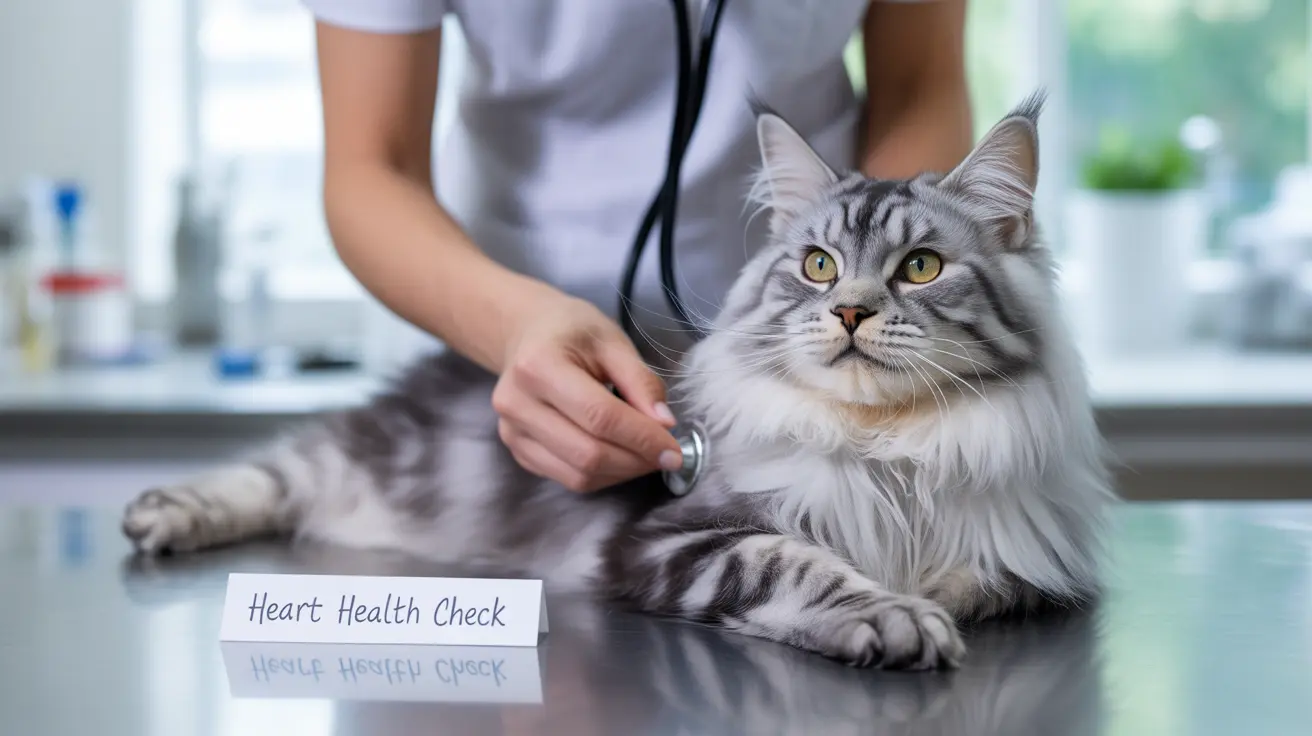
Scheduling routine vet visits helps catch health problems before they become serious. Maine Coons are prone to conditions like hypertrophic cardiomyopathy and hip dysplasia, which may not show obvious signs initially. Your vet can perform screenings and recommend timely treatments to keep these issues under control.
Think about how often you visit your doctor for a checkup. Shouldn’t your furry family member get the same attention? Regular exams also allow your vet to update vaccinations and discuss any behavioral changes you might have noticed.
Balanced Nutrition
Your Maine Coon’s diet directly affects its health and energy levels. Feeding a high-quality, balanced diet supports strong bones, a glossy coat, and a healthy heart. Avoid generic cat food and choose formulas rich in protein and low in fillers.
Have you noticed your cat’s energy drop or coat becoming dull? These can be signs of poor nutrition. Adding supplements like omega-3 fatty acids can improve joint health and reduce inflammation, which is especially important for this large breed.
Exercise And Weight Control
Keeping your Maine Coon active prevents obesity, a common trigger for many health problems. Regular playtime with toys or interactive games helps maintain muscle tone and keeps joints flexible. Even a few minutes daily can make a big difference in your cat’s health.
Is your cat gaining weight without changes in diet? Lack of activity might be the cause. Consider rotating toys or creating climbing spaces to encourage movement and mental stimulation.
Genetic Testing
Genetic testing can reveal inherited risks specific to Maine Coons, such as polycystic kidney disease or spinal muscular atrophy. Knowing your cat’s genetic makeup allows you to tailor preventive care and avoid unnecessary stress later on.
Have you talked with your breeder or vet about genetic tests? Early knowledge empowers you to watch for symptoms and seek early treatment. It’s a smart move for any Maine Coon owner who wants to stay ahead of potential health challenges.
Credit: www.petscare.com
Treatment Options
Treating health problems in Maine Coon cats requires a careful approach. Different issues need different treatments. The goal is to ease pain and improve quality of life. This section covers key treatment options for common health concerns.
Medications
Medications help manage symptoms and control diseases. Pain relievers reduce discomfort in joint or muscle problems. Antibiotics fight infections when necessary. Anti-inflammatory drugs lower swelling and improve mobility. Always follow the vet’s dosage instructions carefully. Regular check-ups ensure the medicine works effectively.
Surgical Interventions
Some conditions need surgery for best results. Examples include severe heart defects or torn ligaments. Surgery can repair damage and restore normal function. Recovery depends on the type of operation performed. Post-surgery care is crucial for healing and success. The vet will provide detailed aftercare guidelines.
Physical Therapy
Physical therapy improves movement and strength. It benefits cats with arthritis or injury. Techniques include gentle massage and guided exercises. Therapy helps reduce stiffness and increase flexibility. Consistency is key to seeing positive results. A trained professional can design a safe therapy plan.
Alternative Therapies
Alternative therapies support traditional treatments. Acupuncture can relieve pain and promote healing. Herbal supplements may boost overall health. Always discuss these options with your vet first. Not all alternative treatments suit every cat. Monitoring your cat’s response ensures safety and effectiveness.
Breeding Considerations
Breeding Maine Coon cats requires careful attention to their health. This ensures strong, healthy kittens and reduces risks of hereditary problems. Responsible breeders focus on specific steps to protect the breed’s wellbeing. Understanding these breeding considerations helps maintain the Maine Coon’s quality and vitality.
Screening For Hereditary Diseases
Testing breeding cats for genetic conditions is essential. Common hereditary diseases in Maine Coons include hypertrophic cardiomyopathy (HCM) and spinal muscular atrophy (SMA). Screening uses DNA tests and heart exams. Only cats free from these diseases should be bred. Early detection prevents passing problems to kittens.
Responsible Breeding Practices
Good breeders follow strict guidelines to keep cats healthy. They avoid breeding close relatives to reduce inherited risks. Breeders also provide proper nutrition and care for the mother cat. Monitoring the cats’ health before and after birth is vital. This approach creates a safer environment for kittens.
Impact On Kitten Health
Healthy breeding leads to strong kittens with fewer health issues. Proper breeding lowers chances of genetic diseases and improves lifespan. Kittens from tested parents show better growth and activity levels. Early health checks and vaccinations support their development. This care builds a happy future for Maine Coons.
Supporting Your Cat’s Wellbeing
Supporting your Maine Coon’s wellbeing requires more than just feeding and occasional playtime. These gentle giants need a safe, nurturing space to thrive physically and emotionally. Paying attention to their environment, health, and social needs can make a huge difference in their quality of life.
Creating A Safe Environment
Your Maine Coon loves to explore, but their size and curiosity can sometimes lead to accidents. Make sure your home is free of small objects they could swallow or areas where they might get stuck. Secure windows and balconies to prevent falls, especially since Maine Coons enjoy high perches.
Providing sturdy scratching posts and climbing trees designed for large cats helps them stay active and reduces destructive behavior. How often do you check your cat’s play area for potential hazards? Regularly updating their space keeps them safe and happy.
Monitoring Health Regularly
Regular vet checkups are essential for catching health problems early, especially with breeds prone to specific issues like hypertrophic cardiomyopathy or hip dysplasia. Keep a close eye on changes in appetite, weight, or behavior—they can signal underlying problems.
Track their vaccinations, dental care, and parasite prevention consistently. You might find it helpful to keep a simple health journal to note any concerns or improvements. Have you noticed subtle signs that your cat might not be feeling well? Trust your instincts and seek advice promptly.
Emotional And Social Needs
Maine Coons are known for their friendly, social nature and can become lonely if left alone for long periods. Spend quality time interacting through gentle play, grooming, or simply sitting together. These moments strengthen your bond and reduce stress for your cat.
Consider adopting another cat if your Maine Coon shows signs of boredom or anxiety. Social companions can keep each other entertained and emotionally balanced. How do you ensure your cat feels loved and mentally stimulated every day?
Credit: walkinpets.com
Frequently Asked Questions
What Are Common Health Problems In Maine Coon Cats?
Maine Coon cats often face hypertrophic cardiomyopathy, hip dysplasia, and spinal muscular atrophy. These genetic issues can affect their heart, joints, and muscles. Early diagnosis and regular vet check-ups help manage these conditions effectively.
How Can I Prevent Heart Disease In Maine Coon Cats?
Regular veterinary screenings and genetic testing help identify heart disease risks early. Maintaining a healthy diet and weight supports heart health. Avoiding stress and providing regular exercise also reduce the chances of hypertrophic cardiomyopathy.
Are Maine Coons Prone To Joint Problems?
Yes, Maine Coons are susceptible to hip dysplasia, causing joint pain and mobility issues. Maintaining a healthy weight and providing joint supplements can improve their quality of life. Early veterinary intervention is essential for managing symptoms.
What Signs Indicate Spinal Muscular Atrophy In Maine Coons?
Symptoms include muscle weakness, difficulty walking, and reduced coordination. This genetic disorder affects muscle strength but not lifespan. If you notice these signs, consult a vet for proper diagnosis and care.
Conclusion
Maine Coon cats face some health challenges. Knowing these problems helps you care better. Regular vet visits catch issues early. Good food and exercise keep them strong. Watch for signs like tiredness or limping. Early action can save your cat’s life.
Love and care make a big difference. Healthy Maine Coons live long, happy lives. Stay informed to protect your furry friend. Caring well means more joyful years together.
