

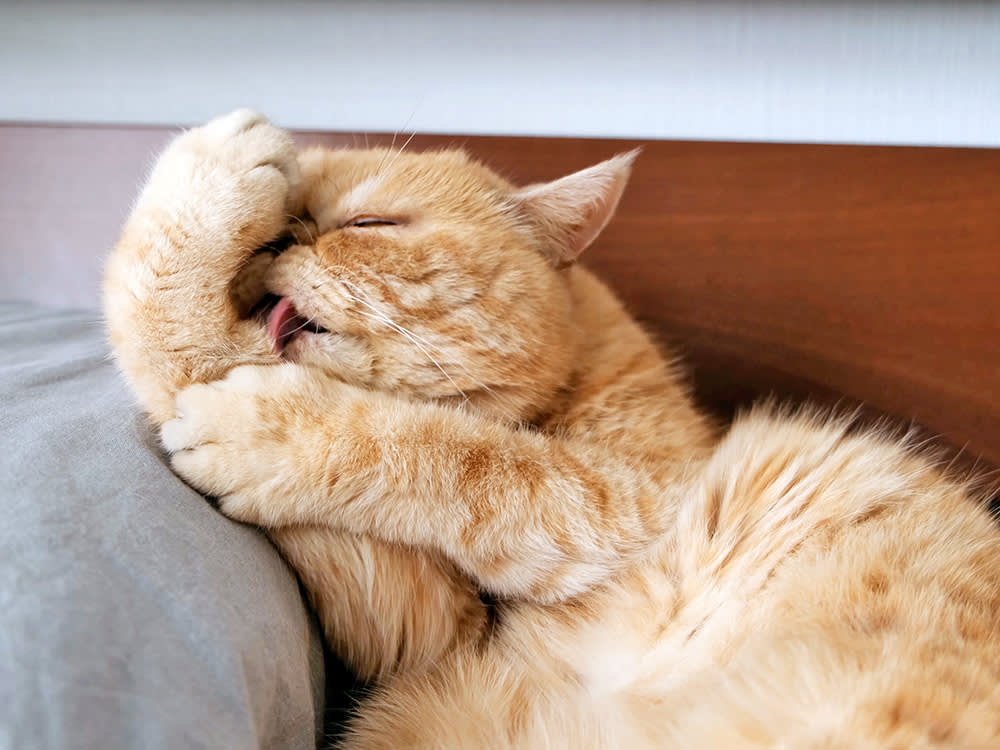
Have you ever watched your cat spend what feels like hours licking its fur? You might wonder, why do cats groom themselves so much?
It’s not just a quirky habit—they have good reasons for this behavior that affect their health, happiness, and even how they connect with you. Understanding why your feline friend is so focused on grooming can help you care for them better and deepen your bond.
Keep reading, and you’ll discover surprising facts about your cat’s grooming routine that you never knew before.
)
Credit: www.northroadvet.com.au
Reasons Cats Groom
Cats spend a lot of time grooming themselves. This behavior is natural and very important. Grooming helps cats stay healthy and comfortable. It serves several key purposes that keep cats happy and safe.
Maintaining Cleanliness
Cats use their tongues to clean dirt and debris from their fur. This keeps their coat smooth and free of pests. Grooming also removes loose hair and dead skin. Clean fur helps cats avoid infections and skin problems.
Regulating Body Temperature
Grooming helps cats cool down in hot weather. When cats lick their fur, saliva evaporates and lowers their body temperature. This natural cooling method keeps cats comfortable without sweating. It also helps them warm up by spreading oils in cold weather.
Scent Marking
Cats have scent glands on their bodies. Grooming spreads their unique scent across their fur. This scent marks their territory and signals ownership. It also helps cats feel safe and secure in their environment.
Reducing Stress
Grooming calms cats during stress or anxiety. It acts as a soothing activity that lowers tension. Cats often groom after scary or new experiences. This behavior helps them relax and regain control.
Credit: www.viva.co.id
Grooming Techniques
Cats use different grooming techniques to keep clean and healthy. Their methods focus on removing dirt, loose fur, and parasites. Grooming also helps cats cool down and relax. Each technique plays a special role in maintaining their well-being.
Licking And Biting
Cats lick their fur with their rough tongues. The tongue helps remove dirt and loose hair. Sometimes, cats use gentle bites to get rid of stubborn debris. This action also helps untangle mats in their fur. Licking spreads natural oils that keep the fur shiny and soft.
Using Paws For Cleaning
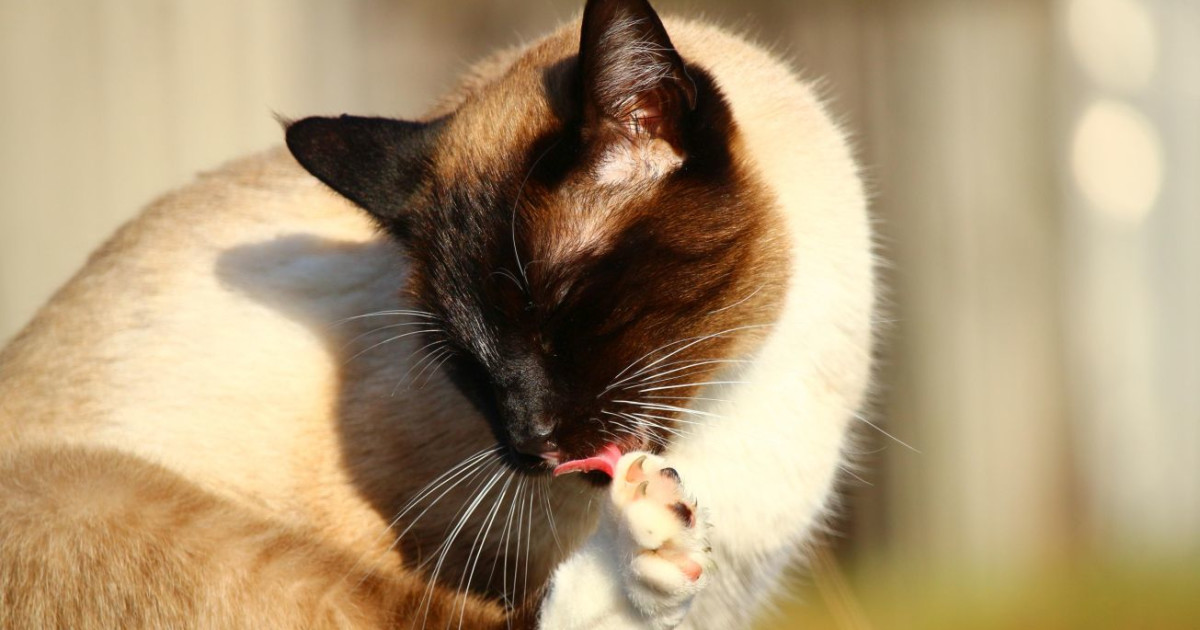
Cats often use their front paws as a cleaning tool. They lick their paws until wet and then rub them over their face and head. This method reaches areas the tongue cannot. It helps clean the eyes, ears, and nose gently. Paws also remove dirt from hard-to-reach spots.
Stretching And Twisting
Stretching and twisting allow cats to reach all parts of their bodies. They bend and turn to groom areas like the back and sides. This flexibility helps keep fur smooth and clean everywhere. It also keeps cats limber and comfortable during grooming sessions.
Health Benefits
Cats spend a lot of time grooming themselves. This behavior is not just about looking clean. Grooming offers many health benefits that help cats stay strong and happy. It protects their skin and fur and keeps their body working well.
Removing Parasites
Grooming helps cats get rid of parasites like fleas and ticks. Their rough tongues catch and remove these pests. This reduces itching and prevents diseases caused by parasites. Regular grooming keeps their coat free from harmful bugs.
Promoting Skin Health
When cats lick their fur, they spread natural oils across their skin. These oils keep the skin soft and hydrated. Grooming also removes dirt and dead skin cells. This helps prevent infections and keeps the skin healthy.
Stimulating Blood Flow
The motion of licking and scratching boosts blood circulation under the skin. Better blood flow brings oxygen and nutrients to the skin and muscles. This helps the skin heal faster and supports overall body health.
Social Grooming
Social grooming plays a big role in why cats spend so much time cleaning themselves and each other. It’s not just about staying clean; it’s a way cats connect and communicate. Understanding social grooming helps you see your cat’s behavior in a new light.
Bonding With Other Cats
When cats groom one another, they build strong social bonds. This act creates trust and shows affection, much like a handshake or hug for humans. If you’ve ever seen cats licking each other’s heads or necks, that’s a clear sign they consider each other friends.
Social grooming helps reduce tension and makes living together easier. It’s common to notice cats in the same household grooming each other after a nap or playtime. If your cat suddenly seeks out another to groom, it might be their way of saying, “I value you.”
Establishing Hierarchy
Grooming is also a way cats figure out who’s in charge. Dominant cats often groom those lower in the hierarchy, showing control without aggression. This behavior keeps peace within the group, preventing fights over resources like food or sleeping spots.
Have you noticed one cat grooming another more often? This could indicate their higher status in the group. Watching these interactions helps you understand your cats’ social structure and can guide you if conflicts arise.
Excessive Grooming Causes
Excessive grooming in cats can be more than just a neat habit. When your cat licks or scratches themselves too much, it might signal underlying issues that need your attention. Understanding these causes can help you ensure your cat stays healthy and happy.
Stress And Anxiety
Stress can push cats to groom themselves excessively as a way to cope. If your cat has recently experienced changes like moving to a new home or the arrival of another pet, you might notice more licking or biting. Have you ever observed your cat cleaning themselves nonstop after a vet visit or loud noise?
Stress-related grooming often leads to bald patches or raw skin. To help, create a calm environment and maintain a consistent routine for your cat. You might also consider pheromone diffusers that can reduce anxiety.
Allergies And Irritations
Allergies can cause itchiness, making your cat groom excessively to relieve discomfort. These allergies might come from food, flea bites, or environmental factors like pollen or dust. Watch for redness, swelling, or scabs, which are signs your cat might be reacting to something.
Checking your cat’s diet and flea control is a good starting point. Sometimes, simple changes like switching food or improving cleanliness can ease the problem. Have you noticed if your cat’s grooming spikes during certain seasons?
Medical Conditions
Underlying medical problems can also drive excessive grooming. Conditions like skin infections, parasites, or hormonal imbalances often cause itching and discomfort. If grooming becomes obsessive and causes wounds, a vet visit is essential to diagnose and treat the issue.
Don’t ignore sudden changes in your cat’s behavior or grooming habits. Early detection can prevent complications and keep your furry friend comfortable. What signs have you noticed that made you seek veterinary advice?
Credit: pethelpful.com
When To Seek Help
Cats groom themselves to stay clean and calm. Sometimes, grooming becomes too much. This can mean your cat needs help. Watching your cat’s grooming habits can protect their health. Early action can prevent serious problems. Knowing signs to watch for is important.
Signs Of Overgrooming
- Hair loss or bald patches on the skin
- Red, raw, or irritated skin
- Frequent licking or biting in one area
- Scabs or sores that do not heal
- Changes in behavior like restlessness or hiding
Veterinary Diagnosis
A vet examines your cat’s skin and fur. They may ask about diet and environment. Tests might include skin scrapings or allergy checks. The vet looks for infections, parasites, or allergies. Accurate diagnosis helps find the right treatment fast.
Treatment Options
- Medications for infections or parasites
- Special shampoos to soothe irritated skin
- Diet changes for food allergies
- Stress reduction techniques or environmental changes
- Follow-up visits to track healing progress
Frequently Asked Questions
Why Do Cats Groom Themselves Frequently?
Cats groom to clean their fur, remove dirt, and regulate body temperature. Grooming also reduces stress and strengthens their bond with themselves.
How Does Grooming Benefit A Cat’s Health?
Grooming helps control parasites, prevents skin infections, and promotes healthy fur. It also aids in distributing natural oils evenly across their coat.
Can Excessive Grooming Indicate Health Problems?
Yes, excessive grooming may signal allergies, parasites, or stress. If a cat grooms too much, it’s best to consult a veterinarian promptly.
Do Cats Groom To Communicate With Others?
Yes, grooming releases scent from their glands, marking territory and signaling comfort. It also helps build social bonds when cats groom each other.
Conclusion
Cats groom themselves to stay clean, healthy, and calm. This habit helps remove dirt and loose fur. It also cools them down on hot days. Grooming reduces stress and keeps their skin healthy. You might notice your cat licking more when nervous or sick.
Understanding this behavior shows how much cats care for themselves. Their grooming is natural and important for their well-being. Next time you see your cat cleaning, remember it’s a sign of good health. It’s just one way cats stay happy and comfortable every day.
