

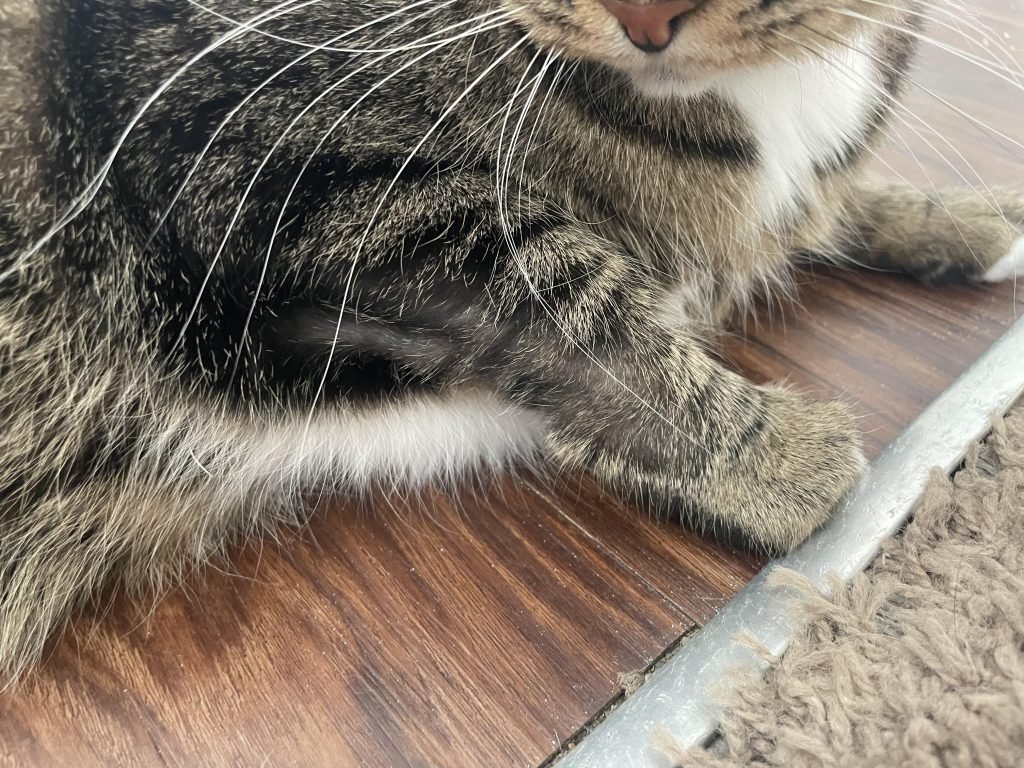
Have you noticed your cat licking its belly and legs more than usual? Over grooming can be a sign that something is bothering your furry friend.
It’s not just a quirky habit—it could mean your cat is stressed, itchy, or facing an underlying health issue. Understanding why your cat over grooms these areas can help you take the right steps to keep your pet happy and healthy.
Keep reading to discover the common causes, warning signs, and simple solutions you can try at home. Your cat’s comfort is just a few insights away.
Causes Of Over Grooming
Over grooming in cats, especially on the belly and legs, often signals that something is off balance. Understanding the causes behind this behavior can help you address the root problem rather than just the symptoms. Let’s break down the common triggers that make your feline friend lick or chew excessively.
Stress And Anxiety
Stress can cause cats to over groom as a way to soothe themselves. Changes like moving to a new home, new pets, or loud noises can make your cat anxious. Have you noticed if your cat’s over grooming started after a stressful event? Watching for these patterns can guide you toward creating a calmer environment.
Allergies And Irritations
Allergies are a frequent cause of itching and discomfort leading to over grooming. These can be triggered by food, dust, pollen, or even certain cleaning products. If your cat’s skin looks red or irritated, consider whether something new in their environment or diet could be the culprit.
Parasites And Infections
Fleas, mites, and other parasites often cause intense itching that results in over grooming. Sometimes, bacterial or fungal infections also make the skin sore, prompting excessive licking or chewing. Regular vet check-ups and parasite prevention are key to keeping your cat comfortable.
Pain And Discomfort
Hidden pain from arthritis, injury, or internal issues can make your cat focus on certain spots. Over grooming may be their way of coping with discomfort in those areas. If you see your cat licking the same place repeatedly, it’s worth consulting a vet to rule out underlying pain.
Identifying Over Grooming Signs
Noticing that your cat is grooming its belly and legs more than usual can be worrying. Over grooming is often a sign that something is wrong, and catching it early can prevent further problems. But how can you tell if your cat’s grooming is normal or if it’s crossing the line into over grooming?
Bald Patches And Redness
One of the first signs of over grooming is bald patches on your cat’s belly and legs. These areas may look smooth and shiny where fur should be thick. You might also see redness around these patches, indicating irritation.
Have you ever touched your cat’s skin and felt it warmer or rougher than usual? That’s a clue that the skin might be inflamed from excessive licking or biting. Checking regularly can help you spot these changes early.
Scabs And Sores
Over grooming can cause scabs and sores, especially if your cat is biting or scratching repeatedly. These wounds might look small at first but can become painful and infected if left untreated.
If you notice crusty spots or open sores on your cat’s legs or belly, it’s a clear sign they are over grooming. These areas may also be sensitive when you gently touch them, so handle with care to avoid causing pain.
Behavioral Changes
Your cat’s behavior often changes when over grooming becomes a problem. They might seem restless, anxious, or more irritable than usual. Sometimes they lick or chew themselves even when you’re trying to distract them.
Have you seen your cat grooming in the middle of the night or obsessively after a stressful event? These behavioral shifts are signals your cat is trying to cope with discomfort or stress through over grooming. Observing these patterns can guide you toward finding the right solution.
Home Remedies To Soothe Skin
Cat over grooming on the belly and legs can cause redness and irritation. Home remedies help calm your cat’s skin naturally. They reduce discomfort and support healing. Using simple treatments, you can protect your cat from further damage. These easy steps promote comfort and skin health.
Soothing Baths And Moisturizers
Use a mild, cat-safe shampoo to give your cat gentle baths. Warm water helps relax your cat’s skin and eases itching. Avoid harsh soaps that dry out the skin. After bathing, apply a moisturizer designed for pets. Look for products with natural ingredients like aloe vera or oatmeal. These soothe inflammation and hydrate dry areas. Bathing once a week can keep the skin calm and clean.
Diet Adjustments
Nutrition plays a key role in skin health. Add omega-3 fatty acids to your cat’s diet. Fish oil supplements improve skin moisture and reduce inflammation. High-quality protein supports skin repair and fur growth. Avoid foods that cause allergies or sensitivities. Consult your vet to find the best diet plan. A balanced diet strengthens the skin’s barrier and lowers over grooming urges.
Environmental Enrichment
Boredom and stress often cause over grooming. Provide toys and scratching posts to keep your cat busy. Play with your cat daily to reduce anxiety. Create quiet, safe spaces for rest and relaxation. Use pheromone diffusers that calm nervous cats. A stimulating environment lessens stress and stops excessive licking. Happy cats tend to groom less and enjoy healthier skin.

Credit: www.reddit.com
When To Visit A Vet
Over grooming on a cat’s belly and legs can signal health issues. Knowing when to visit a vet helps protect your cat’s well-being. Early vet visits can prevent worsening of the problem. Watch for signs that need professional care.
Persistent Symptoms
If your cat keeps licking or biting the same spots, it is a warning sign. Bald patches, redness, or sores that do not heal need a vet’s check. Constant scratching or licking can cause pain and infection. Do not wait if symptoms last more than a few days.
Skin Testing And Diagnosis
The vet may perform skin tests to find the cause of over grooming. Tests check for allergies, parasites, or infections. A proper diagnosis guides the right treatment. Sometimes blood tests or skin scrapings are needed. This step is key to stop your cat’s discomfort.
Medical Treatments
Vets offer treatments based on the diagnosis. These can include medications for allergies or infections. Anti-itch creams and shampoos may soothe the skin. In some cases, special diets help reduce allergic reactions. Follow the vet’s advice carefully for best results.
Preventing Future Over Grooming
Preventing future over grooming in your cat’s belly and legs takes more than just treating the immediate symptoms. It requires a thoughtful approach that tackles the root causes and helps your feline friend feel comfortable and secure. You can make a big difference by focusing on simple, consistent habits that protect your cat’s skin and fur over time.
Regular Parasite Control
Parasites like fleas and mites often trigger over grooming due to itchiness. Keep your cat parasite-free by scheduling regular treatments recommended by your vet. Check your cat’s fur weekly for signs of pests or irritation, especially in the belly and leg areas.
Have you ever noticed sudden scratching or licking outbursts? These could be early signs of parasites. Acting quickly can stop the cycle of discomfort and prevent your cat from developing a habit of over grooming.
Stress Reduction Techniques
Stress can lead cats to over groom as a way to cope. Observe your cat’s environment for changes like new pets, loud noises, or altered routines that may cause anxiety. Creating a calm space with hiding spots and familiar toys helps your cat feel safe.
Try spending quiet time with your cat, using gentle petting or interactive play to build trust and reduce nervous energy. Have you noticed if your cat’s over grooming spikes during certain events or times? Identifying triggers is key to calming your pet.
Proper Grooming Routine
Maintaining a regular grooming schedule prevents mats and skin irritation that can prompt excessive licking. Brush your cat’s belly and legs gently but thoroughly, using tools suited to their coat type. This keeps fur smooth and skin healthy.
Bathing your cat occasionally, only if necessary and with vet-approved shampoos, can also reduce allergens and dirt that cause itchiness. How often do you groom your cat? Small, consistent grooming sessions can build a positive habit for both of you.
Credit: www.preventivevet.com
Credit: www.petforums.co.uk
Frequently Asked Questions
Why Is My Cat Over Grooming Belly And Legs?
Cats over groom belly and legs due to stress, allergies, or skin infections. It may also indicate parasites like fleas. Identifying the cause helps in proper treatment and prevents further skin damage.
How Can I Stop My Cat’s Over Grooming Behavior?
Reduce stress, treat allergies, and use vet-approved medications for infections or parasites. Providing environmental enrichment and regular play also helps minimize over grooming.
Can Over Grooming Cause Health Problems In Cats?
Yes, over grooming can lead to skin wounds, infections, and hair loss. Untreated issues may cause pain and discomfort, requiring veterinary care.
When Should I See A Vet For Cat Over Grooming?
Visit a vet if over grooming causes bald spots, sores, or persistent itching. Early diagnosis ensures effective treatment and prevents complications.
Conclusion
Cat over grooming on the belly and legs can signal stress or health problems. Watch your cat’s behavior closely and note any changes. Seek advice from a vet to find the cause. Treating the problem early helps your cat feel better.
Keep your pet’s environment calm and safe. Regular check-ups prevent many skin and health issues. A happy cat means less over grooming and more play. Taking small steps makes a big difference. Caring for your cat’s needs shows how much you love them.
