

Planning to travel with your cat? Before you pack your bags, there’s one important document you need to know about: the Cat Health Certificate for Travel.
This certificate isn’t just paperwork—it’s your key to smooth, stress-free trips with your furry friend. Without it, you might face delays, extra fees, or even be denied entry. You’ll discover exactly what a Cat Health Certificate is, why it matters, and how to get one quickly.
Keep reading to make sure your cat’s next adventure is safe and hassle-free.
Why A Cat Health Certificate Matters
Traveling with your cat can be exciting, but it also comes with responsibilities. One essential document you need is a Cat Health Certificate. This certificate is more than just paper; it plays a crucial role in making your journey smooth and stress-free.
Legal Travel Requirements
Many countries and airlines require a Cat Health Certificate before allowing your pet to travel. This certificate proves your cat is healthy and free from contagious diseases.
Without it, you risk being denied boarding or entry into your destination. Have you ever faced last-minute travel cancellations? This document can save you from that hassle.
Ensuring Pet Safety
Your cat’s health matters most during travel. A health certificate confirms your cat has received necessary vaccinations and is fit to fly.
It helps identify any medical issues that could become serious during the trip. Imagine your cat falling ill mid-flight—this certificate helps prevent such emergencies.
Avoiding Travel Delays
Delays at airports or borders often happen due to incomplete or missing paperwork. A valid Cat Health Certificate helps you avoid these frustrating hold-ups.
It speeds up the check-in and customs process, letting you focus on your trip rather than paperwork. Wouldn’t you prefer spending your travel time relaxing instead of waiting in long lines?
When To Get The Certificate
Knowing the right time to get a cat health certificate is crucial for smooth travel. This certificate proves your cat is healthy and fit to fly or cross borders. Planning ahead saves last-minute stress and ensures compliance with rules.
Timing Before Travel
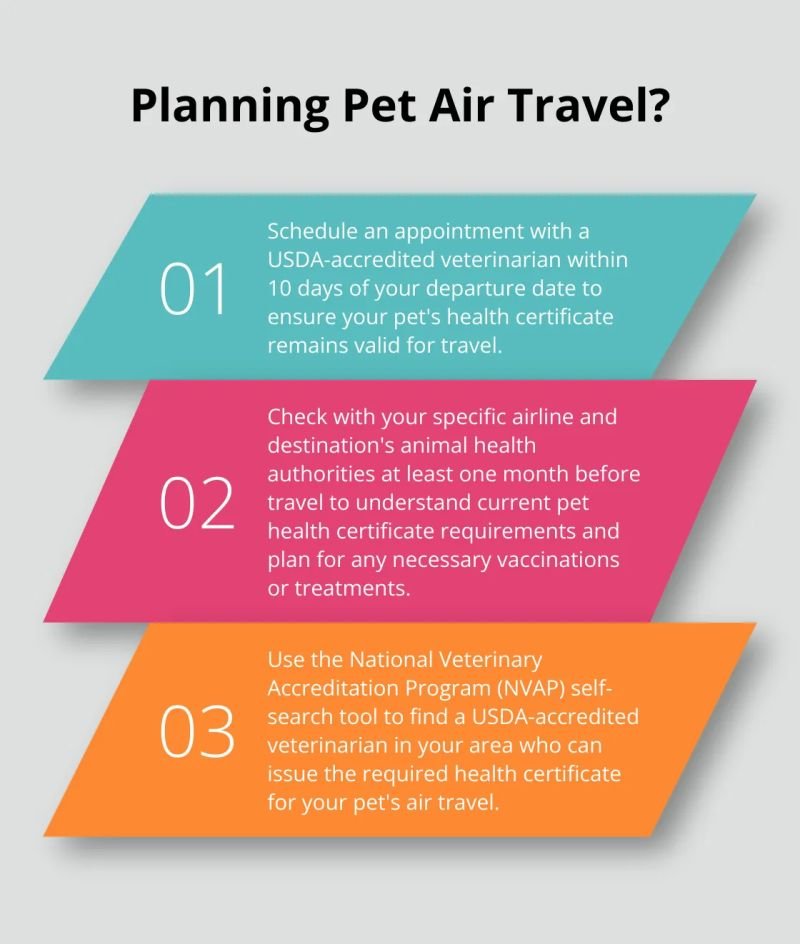
Get the certificate close to your travel date. Most airlines and countries require it within 10 days before travel. Some demand it within 7 days or even 3 days. Check specific rules early to avoid surprises.
Allow extra time for the vet appointment and any tests. Book your vet visit at least two weeks before travel. This schedule helps if vaccinations or treatments are needed.
Validity Periods
Cat health certificates are valid for a limited time. Usually, they last from 7 to 30 days after issue. Some countries accept certificates valid for up to 10 days only. Others may allow longer.
Keep the certificate ready for the entire journey. If your trip is long or has multiple stops, verify the certificate’s validity for each point. Renew or update it as necessary to avoid travel issues.
Who Can Issue The Certificate
Knowing who can issue a Cat Health Certificate is crucial for smooth travel plans with your feline friend. Not every document you get will be accepted at borders or by airlines. Understanding the authorized issuers helps you avoid last-minute hassles and keeps your cat’s journey safe and legal.
Licensed Veterinarians
Licensed veterinarians are the primary professionals authorized to issue Cat Health Certificates. They perform the necessary health checks, vaccinations, and tests to confirm your cat is fit for travel. These vets have the training and legal authority to certify that your pet meets the health requirements set by transport and border agencies.
When you visit your vet, ask if they have experience with travel certificates. Some vets specialize in pet travel and know exactly what details the certificate must include. This saves you time and ensures the document won’t be rejected.
Authorized Officials
In some cases, government or animal health officials authorized by agricultural or veterinary departments can issue or endorse the Cat Health Certificate. These officials often verify the certificate after your vet completes it, adding an extra layer of validation.
This step is common in international travel where countries require official endorsement to prevent the spread of diseases. You might need to visit a designated government office or an animal health center for this process. Checking with your destination’s regulations will clarify if this endorsement is necessary.

Credit: www.goodshepherd-hs.org
Information Included In The Certificate
The Cat Health Certificate for Travel is more than just a piece of paper. It holds critical details that prove your feline friend is fit for the journey ahead. Knowing exactly what information is included helps you prepare better and avoid last-minute surprises at the airport or border.
Health Status Details
This section outlines your cat’s overall health condition at the time of examination. It includes a vet’s assessment confirming your pet is free from contagious diseases and fit to travel.
You’ll find notes on physical exams, such as weight, temperature, and any signs of illness. If your cat recently recovered from an illness, this part might mention any restrictions or follow-up tests needed.
Vaccination Records
Vaccinations are a must for safe travel. This part lists all the vaccines your cat has received, along with the dates they were given.
Common vaccines include rabies, feline distemper, and respiratory diseases. Your certificate will also state when the next booster shots are due.
Have you checked if the destination requires specific vaccinations? This section ensures you meet those rules, preventing entry delays or quarantine.
Identification Information
Your cat’s ID details are crucial for matching the certificate to your pet. This includes the cat’s name, breed, age, sex, and color.
Microchip or tattoo numbers are also recorded to provide a unique identifier. Without this info, officials might not accept the certificate, causing travel complications.
Double-check this section to make sure every detail matches your cat’s actual ID. It’s a small step that saves big headaches later.
Steps To Obtain The Certificate
Obtaining a Cat Health Certificate is essential before traveling with your pet. The certificate proves your cat is healthy and meets travel requirements. Follow clear steps to get this important document. Proper preparation helps avoid travel delays and ensures a smooth journey for your cat.
Scheduling The Vet Visit
Contact your vet early to book an appointment. Choose a date close to your travel time, usually within 10 days of departure. Confirm the vet is authorized to issue health certificates for travel. Keep your cat calm and comfortable for the visit. Early scheduling helps avoid last-minute issues.
Required Examinations
The vet will perform a full health check. This includes:
- Checking your cat’s temperature, heart rate, and weight
- Inspecting for parasites or infections
- Confirming vaccinations are up to date
- Testing for any signs of illness
These checks prove your cat is fit to travel. The vet may also discuss travel tips and care during the journey.
Documentation Process
The vet will complete the health certificate form. It must include:
- Your cat’s identification details
- Results of the health examination
- Vaccination records
- Vet’s signature and license number
- Date of issue and validity period
Review the document carefully before leaving the clinic. Store the certificate safely to present at travel checkpoints. Some countries require additional forms, so check specific travel rules ahead.
Common Travel Destinations And Their Rules
Traveling with your cat requires careful attention to health certificates and regulations. Different destinations have unique rules for pet travel. Understanding these rules helps avoid last-minute issues. Here is an overview of common travel destinations and their specific requirements.
Domestic Travel Guidelines
Most countries allow cats to travel within their borders with a valid health certificate. This certificate confirms your cat is healthy and vaccinated. Some states or regions may require additional tests or forms.
- Check if your destination needs a recent vet examination.
- Ensure vaccinations like rabies are up to date.
- Keep the health certificate dated within the required timeframe.
- Some airlines ask for specific pet documents.
Domestic travel rules are often simpler but still demand preparation. Confirm rules early to ensure smooth travel.
International Travel Requirements
International travel involves stricter rules for cats. Countries want to prevent diseases from spreading across borders. A health certificate alone may not suffice.
- Many countries require a microchip for identification.
- Rabies vaccination must be current and documented.
- Some require blood tests or quarantine periods.
- Import permits or advance approval may be necessary.
Each country has specific forms and deadlines. Research your destination’s official pet travel site. Preparing these documents well in advance reduces stress.
Tips For A Smooth Travel Experience
Traveling with a cat requires careful planning and attention to detail. A Cat Health Certificate is important, but there are other steps to ensure a smooth trip. These tips help reduce stress for you and your cat during travel.
Preparing Your Cat
Start by getting your cat used to the carrier. Place treats and toys inside to create positive feelings. Visit the vet to complete the health certificate and discuss any travel concerns. Keep your cat calm by maintaining a regular feeding and resting schedule before the trip.
Packing Essentials
- Health certificate and vaccination records
- Comfortable carrier with soft bedding
- Food and water bowls
- Enough cat food for the journey
- Litter box and litter
- Favorite toys and a blanket with familiar scents
- Leash and collar with ID tags
- Medications, if prescribed
Handling Arrival Procedures
At arrival, have the health certificate ready for inspection. Follow the rules of the destination country or state carefully. Keep your cat secure in the carrier during customs checks. Allow time for your cat to adjust before introducing new surroundings. Offer water and a quiet space as soon as possible.

Credit: www.pettravelcertificates.co.uk

Credit: www.goodshepherd-hs.org
Frequently Asked Questions
What Is A Cat Health Certificate For Travel?
A cat health certificate is an official document from a vet. It confirms your cat is healthy and fit for travel. This certificate is often required by airlines and border authorities to ensure safe transport.
How To Get A Cat Health Certificate For Travel?
Visit a licensed veterinarian at least 10 days before travel. The vet will examine your cat and check vaccinations. If your cat is healthy, the vet issues the health certificate.
When Do I Need A Cat Health Certificate?
You need this certificate for international or interstate travel. Airlines and customs officials usually require it. Always check specific travel regulations before your trip.
What Information Does The Cat Health Certificate Contain?
The certificate includes your cat’s health status, vaccinations, and vet details. It also states the date of examination and the vet’s signature. This confirms your cat meets travel health requirements.
Conclusion
A cat health certificate helps your pet travel safely and smoothly. It shows your cat is healthy and ready for the trip. Airlines and countries need this document. Without it, your cat might not be allowed to travel. Plan ahead and get the certificate from a vet.
Keep it with you during the journey. This small step makes a big difference for your cat’s travel experience. Safe travels start with the right paperwork. Your cat will thank you with a happy, stress-free trip.
