

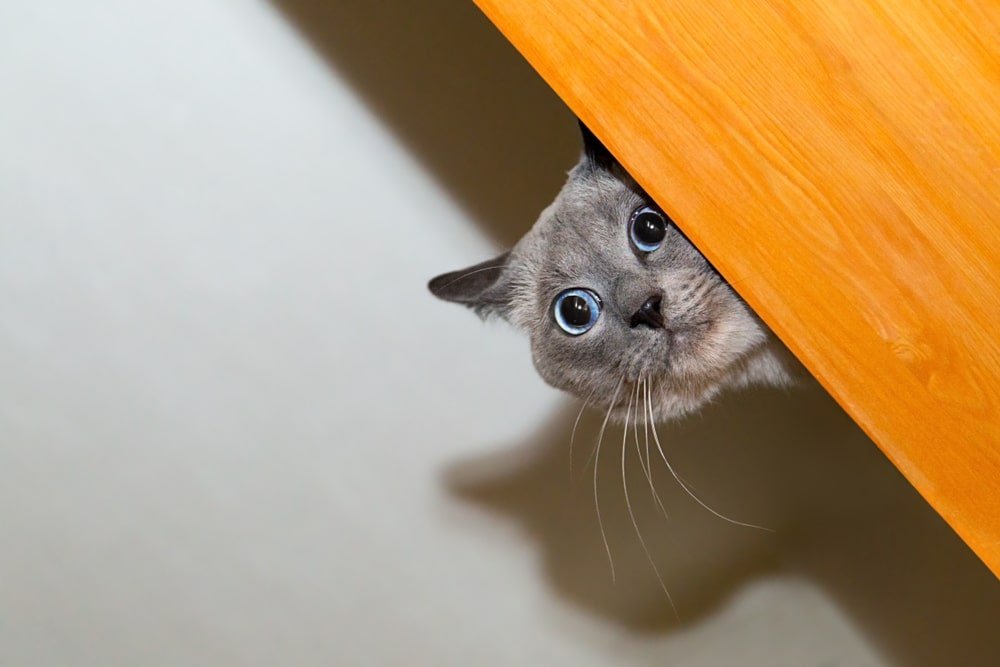
Have you ever noticed your cat acting strange or withdrawn? Just like people, cats can face mental health problems that affect their happiness and behavior.
Understanding these issues is key to helping your furry friend feel better and live a joyful life. You’ll discover the common signs of cat mental health problems and simple steps you can take to support your pet’s well-being. Keep reading to learn how to spot the warning signals and make a real difference in your cat’s life.
Credit: www.webmd.com
Signs Of Feline Anxiety
Feline anxiety can affect a cat’s well-being and daily life. Recognizing the signs early helps to provide comfort and care. Cats often hide their stress, making it tricky to spot. Watch closely for changes in behavior or health.
Behavioral Changes
- Avoiding interaction with people or other pets
- Excessive grooming or scratching
- Hiding in unusual places
- Increased vocalization or meowing
- Aggression or irritability towards family members
- Loss of appetite or refusal to eat
Physical Symptoms
- Rapid breathing or panting
- Trembling or shaking
- Dilated pupils
- Restlessness and pacing
- Changes in litter box habits
- Vomiting or diarrhea
Common Triggers
- New environments or moving homes
- Loud noises like fireworks or thunderstorms
- Introduction of new pets or people
- Changes in daily routine
- Separation from owners
- Medical issues causing discomfort
Causes Of Anxiety In Cats
Anxiety in cats can be puzzling and distressing, both for the feline and their human companions. Understanding what triggers this anxiety is crucial to helping your cat feel safe and secure. Various factors can cause anxiety, ranging from their surroundings to underlying health or inherited traits.
Environmental Stressors
Your cat’s environment plays a huge role in their emotional well-being. Changes like moving to a new home, loud noises, or the arrival of a new pet can make them feel uneasy. Even small shifts, such as rearranged furniture or visitors, may cause stress.
Have you noticed your cat hiding or acting withdrawn after a neighbor’s party or a thunderstorm? These are clear signs that environmental factors are affecting their mood.
Health Issues
Physical discomfort often leads to anxiety in cats. Pain, illness, or hormonal imbalances can make your cat more irritable or nervous. Sometimes, anxiety is a symptom of an underlying medical problem that needs attention.
For example, a cat with dental pain might become more skittish or avoid interaction. Regular vet check-ups can help catch these issues early, preventing anxiety from worsening.
Genetic Factors
Your cat’s genes can influence their temperament and susceptibility to anxiety. Some breeds are naturally more prone to nervous behaviors. If your cat’s parents had anxiety issues, there is a higher chance your cat might experience similar challenges.
Understanding this can help you set realistic expectations and tailor your care approach. Have you considered how your cat’s breed or family history might affect their behavior?
Impact Of Anxiety On Cats
Anxiety affects cats in many serious ways. It changes how they act and impacts their health. Cats with anxiety feel stressed and unsafe. This stress can cause lasting problems if not addressed. Understanding the effects helps owners support their cats better.
Effects On Behavior
Anxiety often makes cats restless and nervous. They may hide more than usual or avoid people. Sudden aggression or frequent vocalizing can appear. Cats might also groom themselves too much, causing bald spots. These changes show their inner stress and discomfort.
Physical Health Consequences
Stress from anxiety harms a cat’s body too. It can weaken their immune system, leading to illness. Digestive problems like vomiting or diarrhea are common. Cats might lose or gain weight quickly. Long-term anxiety can cause chronic health issues.
Social Interaction Challenges
Anxiety makes it hard for cats to connect with others. They may avoid playing or being petted. Fear of strangers or other pets grows stronger. This isolation can worsen their anxiety over time. Helping cats feel safe is key to improving their social life.
Credit: www.rd.com
Diagnosis And Assessment
Diagnosing mental health problems in cats requires a careful and thorough approach. It involves understanding both physical and behavioral signs. Early detection helps provide better care and improves the cat’s quality of life. Assessment combines veterinary checks, behavior study, and owner feedback.
Veterinary Evaluation
A full veterinary exam rules out medical causes of symptoms. Health issues like pain or illness can affect behavior. Vets may perform blood tests, X-rays, or neurological exams. This step ensures that physical problems do not mask mental health concerns.
Behavioral Observation
Watching the cat in its normal environment reveals important clues. Observing interactions, activity levels, and reactions helps identify stress or anxiety. Noting changes in eating, grooming, or sleeping patterns also matters. Behavior observation captures subtle signs that tests might miss.
Use Of Questionnaires
Questionnaires gather detailed information from cat owners. They cover behavior changes, triggers, and daily routines. These tools help vets and behaviorists understand the cat’s mental state. Questionnaires also track progress over time during treatment.
Treatment Options
Treating mental health problems in cats requires a gentle, patient approach. Each cat reacts differently to treatments. The goal is to improve their well-being and reduce stress. Combining several treatment options often works best. Focus on methods that fit your cat’s needs and lifestyle.
Behavioral Therapy
Behavioral therapy helps cats learn new, positive habits. It involves training to change negative behaviors. Techniques include:
- Rewarding calm and relaxed behavior
- Redirecting attention from harmful actions
- Using consistent routines to reduce anxiety
Working with a cat behaviorist can provide guidance. Therapy sessions build trust between cat and owner. Patience and consistency are key for success.
Medication
Medication can assist cats with severe mental health issues. Vets may prescribe drugs to:
- Reduce anxiety and stress
- Manage aggression
- Help with obsessive behaviors
Medicines must be used carefully and under vet supervision. Monitoring for side effects is essential. Medication usually works best combined with behavioral therapy.
Environmental Enrichment
Improving a cat’s environment supports mental health. Enrichment means adding stimulating activities and comforts. Ideas include:
- Interactive toys to keep cats engaged
- Safe spaces for hiding and resting
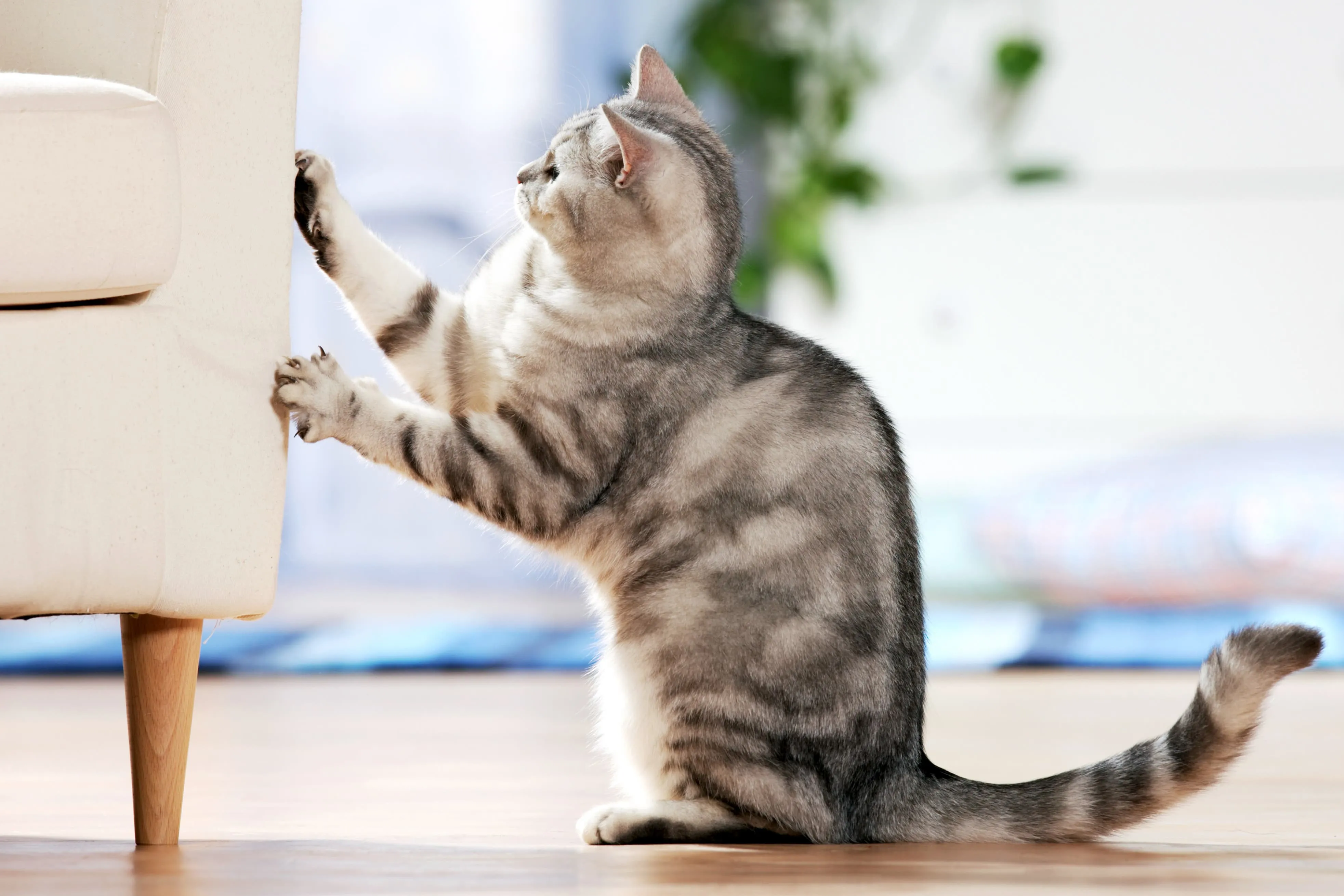
- Scratching posts to release energy
- Regular playtime with owners
Changes in the environment reduce boredom and stress. A happy cat shows fewer mental health problems.
:max_bytes(150000):strip_icc()/VWH-GettyImages-1795133707-57a2884a3f0c442e9447c59cf4d52a7b.jpg)
Credit: www.verywellhealth.com
Preventing Anxiety In Cats
Preventing anxiety in cats is essential for their overall well-being. Cats can’t tell you when they feel stressed, but their behavior often speaks volumes. Understanding how to create a calm environment can help you keep your feline friend happy and relaxed.
Routine And Consistency
Cats thrive on routine. Feeding, playtime, and even grooming should happen at roughly the same time every day. This predictability makes your cat feel safe and reduces stress.
Think about the last time your schedule suddenly changed—didn’t it make you uneasy? Your cat feels the same way. Try to avoid sudden changes in their daily life.
Safe Spaces
Every cat needs a place to retreat when feeling overwhelmed. A cozy corner, a quiet room, or even a high perch can become their sanctuary. Make these spots comfortable with blankets or favorite toys.
Have you noticed your cat hiding under the bed during loud noises? That’s their way of coping. Providing easy access to safe spaces helps them handle stressful situations better.
Positive Reinforcement
Reward your cat for calm behavior with treats or gentle petting. This encourages them to feel secure and relaxed around you. Avoid punishing anxious behavior—it only makes things worse.
Try using clicker training or simple praise when your cat handles new experiences well. Could a little extra affection be the key to reducing your cat’s anxiety?
Supporting Anxious Cats
Supporting anxious cats requires patience and understanding. Anxiety can make cats hide, refuse food, or become aggressive. Helping your cat feel safe is key to improving their mental health. Small changes in their environment and your behavior can make a big difference.
Calming Products
Calming products help reduce stress in cats naturally. Pheromone diffusers release comforting scents cats recognize. These scents create a safe space and reduce anxiety.
Soft collars with calming scents or sprays can also soothe your cat. Herbal supplements or treats with calming ingredients may help relax them. Always check with a vet before using new products.
Interactive Play
Playtime distracts anxious cats and helps burn nervous energy. Use toys like feather wands, laser pointers, or balls to engage them. Short, frequent play sessions work best for stressed cats.
Interactive play builds your cat’s confidence and trust in you. It also strengthens your bond and creates positive experiences. Avoid rough play, which can increase anxiety or fear.
Owner’s Role
Your calm behavior affects your cat’s mood. Speak softly and move slowly to avoid startling them. Maintain a consistent routine for feeding and playtime to provide stability.
Provide quiet, cozy spaces where your cat can retreat. Respect their need for alone time and avoid forcing interaction. Watch for signs of stress and respond with gentle care.
Frequently Asked Questions
What Are Common Cat Mental Health Problems?
Common cat mental health issues include anxiety, depression, and stress. These problems affect behavior and overall wellbeing. Identifying symptoms early helps in providing effective care and treatment. Environmental changes, trauma, or illness often trigger these conditions in cats.
How Can I Tell If My Cat Is Stressed?
Signs of cat stress include hiding, excessive grooming, and loss of appetite. Vocalization changes and aggression are also common indicators. Observing these behaviors helps owners address stress causes promptly. Reducing stress improves a cat’s mental and physical health significantly.
Can Cat Mental Health Affect Their Physical Health?
Yes, poor mental health can lead to physical issues in cats. Stress and anxiety may cause digestive problems and weakened immunity. Maintaining mental wellbeing supports overall health and prevents illness. Regular vet checkups and a stable environment are essential for cats.
What Treatments Help Improve Cat Mental Health?
Treatment options include behavioral therapy, environmental enrichment, and medication if needed. Providing toys, scratching posts, and safe spaces reduces stress. Consulting a veterinarian ensures proper diagnosis and treatment plans. Early intervention improves recovery and quality of life.
Conclusion
Cats can face mental health problems just like people do. Watching for changes in behavior helps catch issues early. Stress, fear, and loneliness often cause problems. A calm, loving home supports a cat’s well-being. Play, routine, and attention keep cats happy and healthy.
Don’t ignore signs like hiding or aggression. Talking to a vet can guide you to help your cat. Caring for their mental health improves their whole life. Keep your cat’s mind strong and full of joy.
