

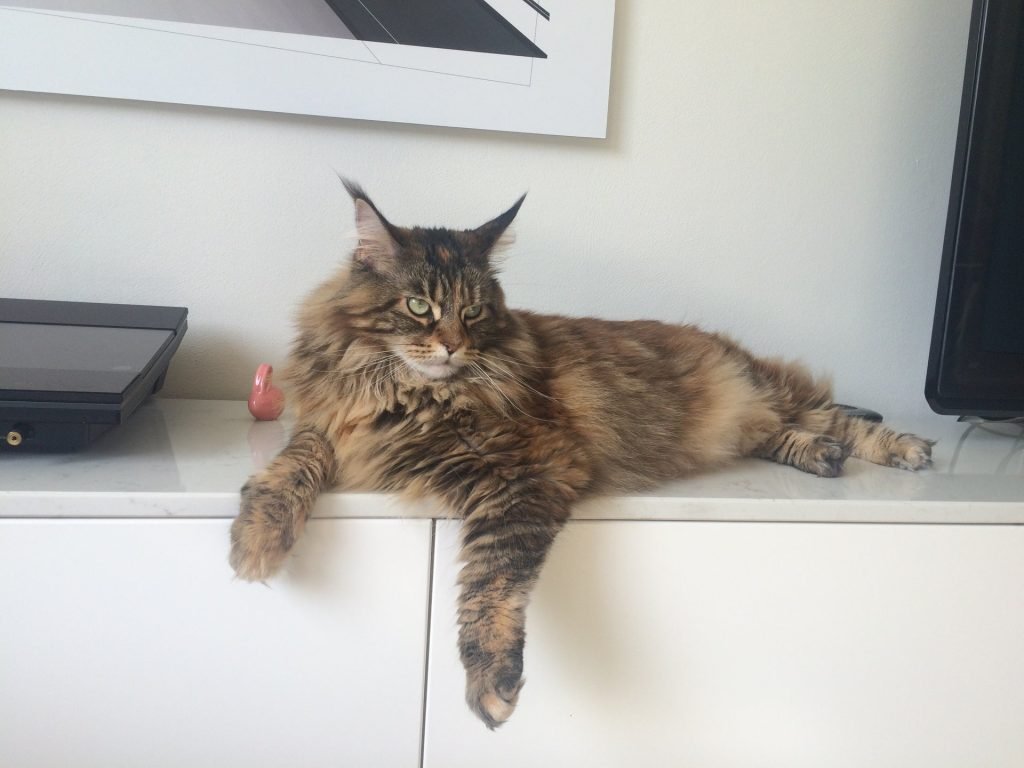
If you have a Maine Coon cat or are thinking about getting one, it’s important to know about the health problems they might face. These gentle giants are known for their size and friendly nature, but like all pets, they can be prone to certain issues.
Understanding these health risks early can help you keep your furry friend happy and healthy for years. You’ll discover the most common health problems Maine Coon cats experience and what signs to watch for. Keep reading to make sure you’re prepared to give your cat the best care possible.
Credit: bellspurr.com
Common Health Issues
Maine Coon cats are large and strong but face some common health problems. These issues can affect their quality of life and need early attention. Knowing about these health problems helps in spotting symptoms early. Regular vet visits are essential for maintaining good health.
Understanding common health issues helps owners provide better care. Some conditions are genetic, while others develop with age. Awareness of these problems supports timely treatment and prevention.
Hypertrophic Cardiomyopathy
Hypertrophic cardiomyopathy (HCM) is a heart disease common in Maine Coons. It causes the heart muscle to thicken, reducing its ability to pump blood. Symptoms include difficulty breathing, lethargy, and fainting. Some cats show no signs until the disease is advanced. Regular heart check-ups can detect HCM early.
Hip Dysplasia
Hip dysplasia affects the hip joint, causing pain and difficulty walking. It is less common but can occur in Maine Coons due to their large size. Signs include limping, stiffness, and reluctance to jump. Maintaining a healthy weight and providing joint supplements may help manage symptoms. Surgery might be needed in severe cases.
Spinal Muscular Atrophy
Spinal muscular atrophy (SMA) is a genetic disorder affecting muscle strength. It causes muscle weakness and loss of coordination. Affected cats may have trouble walking or jumping. SMA does not cause pain but reduces mobility. Testing breeding cats can help prevent passing SMA to kittens.
Polycystic Kidney Disease
Polycystic kidney disease (PKD) causes cysts to grow in the kidneys. These cysts affect kidney function over time. Symptoms include increased thirst, urination, and weight loss. PKD can lead to kidney failure if untreated. Ultrasound exams help diagnose PKD early in Maine Coons.
Credit: www.dutch.com
Symptoms To Watch
Maine Coon cats are strong and friendly pets. Still, they can face health problems. Spotting symptoms early helps protect their health. Watch for signs that show your cat might need care. These signs often fall into behavior, physical changes, activity, or eating habits.
Behavioral Changes
A Maine Coon acting different is a key warning. They may hide more or seem less friendly. Sudden aggression or restlessness can also signal trouble. Pay attention if your cat stops using the litter box or vocalizes more than usual.
Physical Signs
Look closely for changes in your cat’s body. Swelling, lumps, or wounds that do not heal need attention. Notice if their eyes are red or have discharge. Watch for unusual breathing sounds or coughing. Coat condition matters too; dull or patchy fur can indicate illness.
Activity Levels
Healthy Maine Coons are playful and curious. A drop in energy or reluctance to jump and climb may mean pain. Excessive sleeping or restlessness can also be signs. Observe if your cat suddenly avoids favorite toys or spaces.
Appetite Shifts
Changes in eating habits can reveal health issues. A loss of appetite or eating much less is worrisome. Overeating or drinking too much water might also indicate problems. Keep track of any sudden changes in food and water intake.
Preventive Care
Preventive care is key to keeping your Maine Coon healthy and happy for years. These gentle giants can face specific health challenges, but many problems can be caught early or avoided with the right routine. Taking proactive steps helps you spot issues before they become serious and supports your cat’s overall well-being.
Regular Vet Checkups
Scheduling regular vet visits is essential. Your vet can detect early signs of common Maine Coon issues like hypertrophic cardiomyopathy or joint problems. You might not notice subtle symptoms, but a professional can catch them during a thorough exam.
Try setting reminders every six months for checkups. Consistency helps maintain your cat’s health records and makes it easier to track any changes over time. Have you noticed your cat acting differently? Don’t wait—consult your vet promptly.
Balanced Diet
Feeding your Maine Coon a balanced diet supports their large frame and long lifespan. High-quality protein, essential fats, and vitamins keep their muscles strong and coat shiny. Avoid overfeeding, as obesity can worsen joint pain and heart conditions.
Choose foods formulated for large breeds or discuss options with your vet. Adding wet food can boost hydration, which benefits kidney health. Have you checked the ingredients lately? Some brands add fillers that don’t contribute to your cat’s nutrition.
Exercise Needs
Maine Coons are playful and active cats. Regular exercise helps maintain a healthy weight and prevents boredom. Simple activities like interactive toys or climbing trees keep their muscles flexible and joints healthy.
Encourage your cat to move daily, even if it’s just a few minutes at a time. Watch how they react to different toys or games—you might discover their favorite way to stay fit. Could your cat benefit from a new activity routine?
Vaccinations
Keeping vaccinations up to date protects your Maine Coon from contagious diseases. Core vaccines like rabies and feline distemper are vital, especially if your cat goes outdoors or interacts with other pets. Discuss a vaccination schedule with your vet tailored to your cat’s lifestyle.
Some owners hesitate about vaccines, but the risks of disease far outweigh potential side effects. Tracking vaccination dates and boosters is easier with a pet health app or calendar. Are you confident your cat’s shots are current?
Genetic Testing
Genetic testing plays a crucial role in understanding and managing the health problems that Maine Coon cats may face. This type of testing allows you to identify inherited conditions early, giving you a chance to provide the best care possible. It also helps breeders make informed decisions to promote healthier generations of these majestic cats.
Available Tests
Several genetic tests are available specifically for Maine Coon cats. These tests commonly screen for hypertrophic cardiomyopathy (HCM), spinal muscular atrophy (SMA), and hip dysplasia. You can find simple cheek swab kits that collect DNA samples without causing stress to your cat.
Many veterinarians or specialized labs offer these services, and results usually come back within a few weeks. Knowing which tests to consider depends on your cat’s family history and any symptoms you notice.
Benefits For Breeders
Breeders gain significant advantages by using genetic testing. It helps them avoid breeding cats that carry harmful genes, reducing the risk of passing health problems to kittens. This practice leads to stronger, healthier Maine Coons and protects the breed’s reputation.
Breeders can also provide transparency to potential buyers, showing commitment to responsible breeding. Would you trust a breeder who openly shares health test results of their cats?
Early Detection
Genetic testing allows for early detection of diseases before symptoms appear. This early warning can make a huge difference in treatment options and quality of life for your Maine Coon. For example, catching HCM early means regular heart monitoring and timely medication can keep your cat comfortable and active.
Early detection also helps you plan for your cat’s future health needs. Are you prepared to act on genetic information to give your cat the longest, healthiest life possible?
Treatment Options
Treating health problems in Maine Coon cats requires a careful approach. Different issues need different care methods. Choosing the right treatment can help your cat live a longer, happier life.
Some conditions respond well to medicines. Others may need surgery or special therapies. Home care also plays a key role in managing your cat’s health.
Medications
Medications help control symptoms and fight infections. Common drugs include pain relievers, antibiotics, and anti-inflammatory pills. Cats with heart or joint issues often need daily medicine. Always follow the vet’s instructions closely to avoid side effects.
Surgical Interventions
Surgery might be necessary for serious problems. Examples include removing tumors or fixing heart defects. Early diagnosis increases surgery success rates. Recovery care after surgery is important to prevent complications.
Therapies
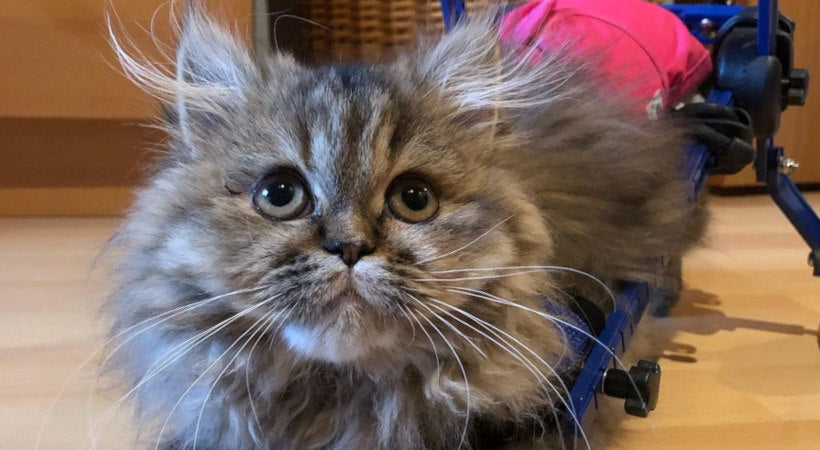
Physical therapy helps cats with joint or muscle problems. Hydrotherapy and gentle exercises improve mobility. Some cats benefit from acupuncture or laser therapy. These treatments reduce pain and enhance quality of life.
Home Care Tips
- Keep your cat’s living area clean and comfortable.
- Provide a balanced diet tailored to their health needs.
- Monitor weight to avoid obesity, which worsens health issues.
- Regular grooming prevents skin problems and detects lumps early.
- Keep fresh water available at all times.
- Schedule regular vet check-ups for early problem detection.
Credit: walkinpets.com
Lifespan And Quality
The lifespan and quality of life are key concerns for Maine Coon cat owners. These cats are known for their large size and gentle nature. Knowing what affects their lifespan helps owners provide better care. Health problems can impact how long and well they live. Understanding these factors supports a happy and healthy pet.
Average Lifespan
Maine Coons usually live between 12 and 15 years. Some cats reach 18 years or more with good care. Their size and genetics influence their lifespan. Larger cats sometimes face more health challenges. Regular vet visits help catch problems early. Early detection can extend their life.
Improving Longevity
Proper diet plays a big role in a Maine Coon’s health. Feeding balanced food keeps them strong and active. Exercise is important to prevent obesity and joint issues. Regular grooming reduces skin problems and improves comfort. Vaccinations protect from common diseases. Routine health checks spot issues before they worsen.
- Feed high-quality, species-appropriate food
- Keep a consistent exercise routine
- Schedule annual vet visits
- Maintain dental hygiene
- Provide a safe and stress-free environment
Mental Wellbeing
Mental health affects a cat’s overall quality of life. Maine Coons are social and enjoy interaction. Lack of stimulation can lead to stress and behavior issues. Playtime and companionship keep their minds sharp. Safe spaces help them feel secure and relaxed. Mental wellbeing supports physical health and longevity.
Frequently Asked Questions
What Are Common Health Problems In Maine Coon Cats?
Maine Coon cats often face hypertrophic cardiomyopathy, hip dysplasia, and spinal muscular atrophy. These conditions affect their heart, joints, and muscles. Regular vet check-ups help detect these issues early and keep your cat healthy.
How Can I Prevent Maine Coon Cat Health Issues?
Prevent health problems by providing a balanced diet, regular exercise, and routine veterinary care. Genetic testing before breeding can reduce inherited diseases. Early detection and proper care improve your Maine Coon’s quality of life.
Are Maine Coon Cats Prone To Heart Disease?
Yes, hypertrophic cardiomyopathy (HCM) is common in Maine Coons. This heart disease thickens the heart walls, affecting function. Regular heart screenings by a vet are essential to monitor and manage this condition effectively.
What Symptoms Indicate Hip Dysplasia In Maine Coon Cats?
Look for limping, difficulty jumping, or stiffness in your Maine Coon. Hip dysplasia causes joint pain and mobility issues. Early diagnosis through veterinary exams can lead to better treatment and comfort for your cat.
Conclusion
Maine Coon cats can face health problems, but many stay healthy. Watch for signs of illness and visit the vet often. Good care, proper food, and exercise help them live longer. Knowing common issues lets you act fast and keep your cat happy.
Every Maine Coon deserves a safe, loving home. Stay aware, stay prepared, and enjoy your special pet’s company. Health matters, and you make the difference.
