

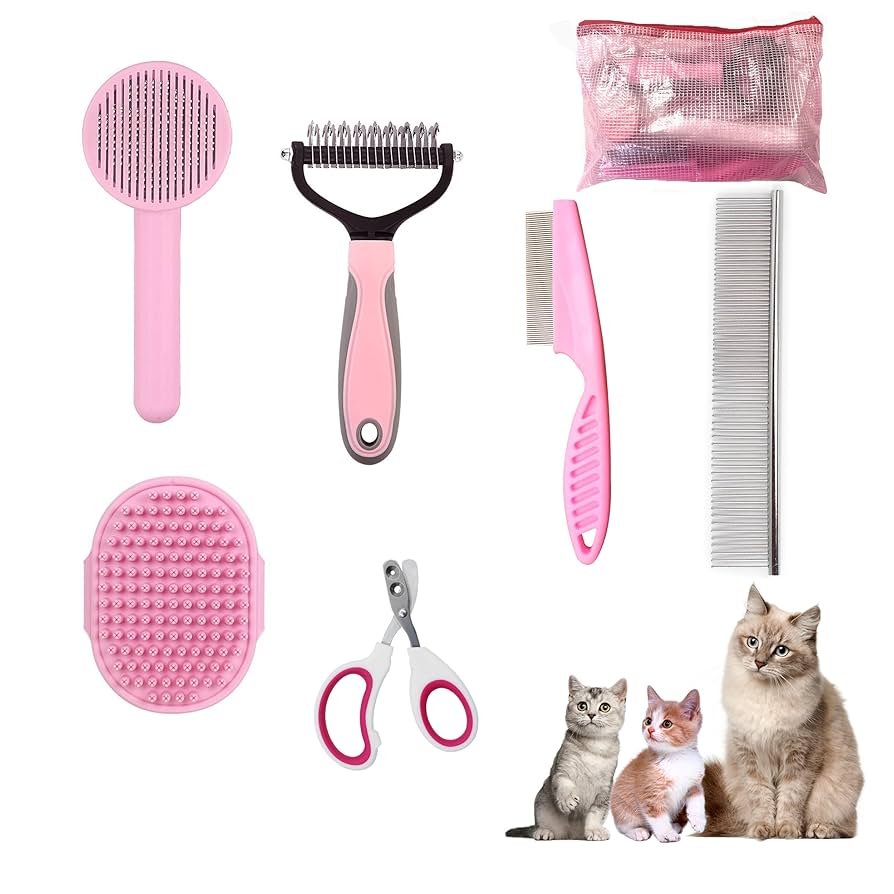
If you want your cat to look and feel their best, having the right grooming tools is a must. You might think grooming is just about keeping your cat clean, but it’s also about their health and happiness.
Imagine a tool that makes brushing easy, reduces shedding, and keeps your home free of fur. Sounds good, right? You’ll discover the must-have grooming tools that will transform your routine and strengthen the bond with your furry friend. Keep reading to find out which tools you really need and how they can make a difference for both you and your cat.
Credit: catit.ca
Types Of Cat Grooming Tools
Keeping your cat well-groomed requires the right tools, each designed for a specific part of your feline’s care routine. Understanding the types of grooming tools available helps you choose what suits your cat’s needs best. Let’s look at the essential grooming tools and how they can improve your cat’s health and comfort.
Brushes And Combs
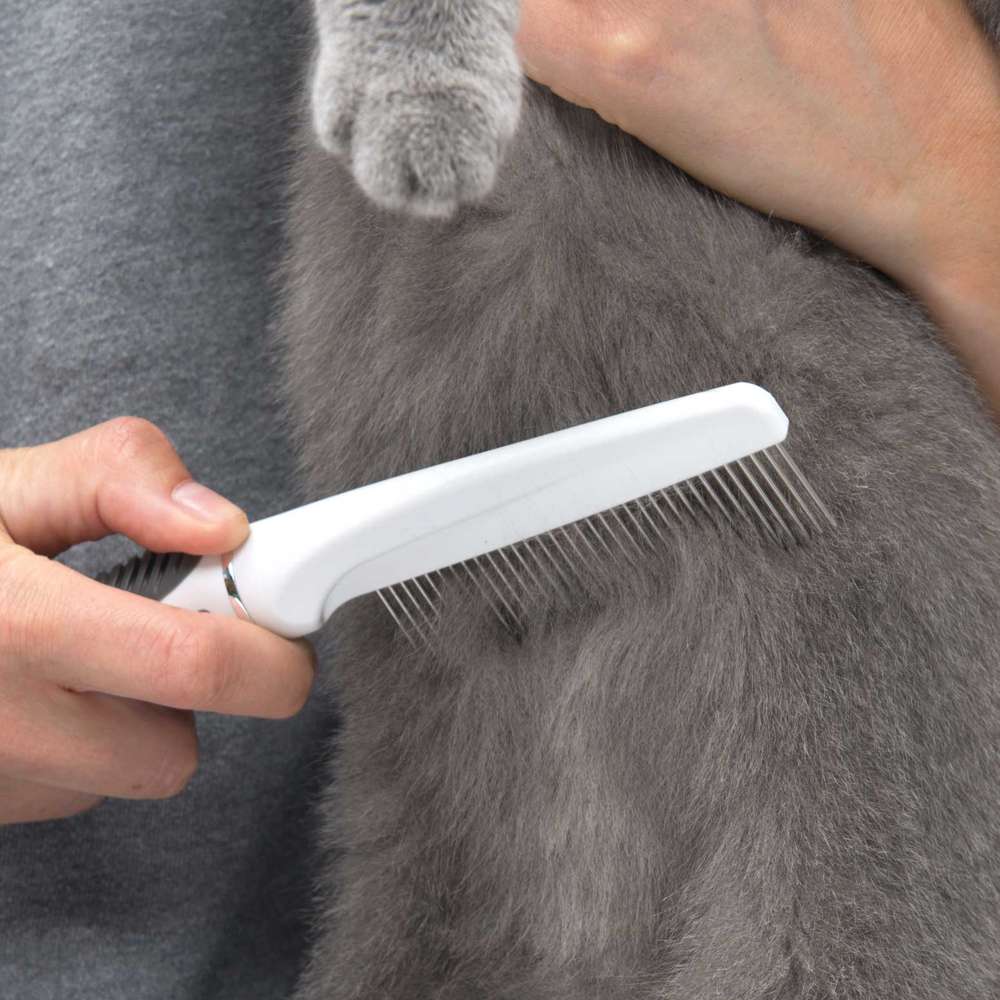
Brushes and combs are the foundation of cat grooming. They help remove loose fur, reduce shedding, and prevent mats from forming.
Different brushes serve different purposes: slicker brushes work well for long-haired cats, while bristle brushes are gentle on short fur. Combs with wide and narrow teeth can detangle knots and catch fleas.
Have you noticed how your cat reacts to brushing? Finding the right brush can make grooming a bonding experience, not a chore.
Nail Clippers And Grinders
Trimming your cat’s nails is crucial to prevent scratches and keep their paws healthy. Nail clippers are straightforward tools designed specifically for small, sharp cat claws.
Nail grinders offer a smooth finish and are less likely to cause splitting. They’re ideal for cats that are sensitive to clippers but require patience during use.
Which tool do you find easier to use on your cat? Trying both might reveal what fits your and your cat’s comfort level.
Ear And Eye Cleaning Tools
Keeping your cat’s ears and eyes clean reduces the risk of infections. Cotton balls, soft cloths, and specialized cleaning solutions are gentle yet effective.
Ear cleaners help remove wax and debris without causing irritation. For eye care, wipes designed for pets can gently clear discharge and prevent buildup.
Do you regularly check your cat’s ears and eyes? Early cleaning can prevent discomfort and serious health issues.
Bathing Supplies
Bathing a cat might seem daunting, but the right supplies make it manageable. Use cat-specific shampoos that protect their skin and coat.
Non-slip mats, gentle sprayers, and towels designed for quick drying improve the bath experience for both of you. Consider waterless shampoos if your cat hates water.
Have you tried different bathing techniques or products? Finding what soothes your cat’s nerves can turn bath time into a calmer routine.

Credit: catit.ca
Choosing The Right Brush
Choosing the right brush for your cat is key to good grooming. Each cat’s fur type and skin sensitivity need a specific brush. The right brush helps remove loose fur and prevents mats. It also keeps your cat’s coat shiny and healthy.
Understanding different brush types makes grooming easier. Some brushes work better for short hair, others for long hair. Some are gentle for sensitive skin. Knowing these options helps you pick the perfect tool.
Bristle Brushes
Bristle brushes have soft, closely packed bristles. They are gentle and good for short-haired cats. These brushes remove dirt and spread natural oils in the fur. They add shine and keep the coat smooth.
Slicker Brushes
Slicker brushes have fine, short wires close together. They help remove loose fur and mats. These brushes work best on medium to long hair. They also reduce shedding and prevent tangles.
Pin Brushes
Pin brushes have wide-spaced metal pins with rounded tips. They are gentle on sensitive skin and good for long-haired cats. These brushes detangle fur without pulling. They keep the coat soft and fluffy.
Deshedding Tools
Deshedding tools remove loose undercoat fur. They reduce heavy shedding and hairballs. These tools work well on all fur types. Use them carefully to avoid skin irritation.
Trimming Nails Safely
Trimming your cat’s nails is essential for their comfort and health, but it requires care to avoid causing pain or injury. Many pet owners feel nervous about clipping nails, fearing they might hurt their furry friend. Understanding the right tools and techniques can make this task easier and safer for both you and your cat.
Types Of Nail Clippers
You’ll find several nail clipper styles designed specifically for cats. The most common types are:
- Scissor-style clippers:These look like small scissors and offer precise control.
- Guillotine clippers:These have a hole where you insert the nail, then squeeze to cut.
- Electric nail grinders:These files trim the nail gradually instead of cutting it off.
Scissor-style clippers are often preferred for beginners because they allow a clean cut with less pressure. Have you noticed how your cat reacts differently to each tool? Choosing the right clipper can reduce stress during nail trims.
Using Nail Grinders
Nail grinders smooth and shorten nails without the risk of cutting too deep. They work by gently filing the nail down and are especially useful for cats with dark or black nails where the quick is hard to see.
Start by turning the grinder on and letting your cat get used to the sound. Gradually bring the tool to the nail’s edge, filing a little at a time. This method takes longer but can prevent accidental cuts and bleeding.
Preventing Nail Injuries
To avoid injuring your cat’s sensitive quick, trim nails in a well-lit area. Look closely for the pink area inside the nail; this is the quick and should never be cut. If your cat has dark nails, trim small bits at a time and stop if you see a black dot in the center of the cut edge.
Keep styptic powder or cornstarch nearby to stop bleeding in case of an accidental nick. Regular trimming also helps prevent nails from curling into the paw pads, which can cause pain and infections.
Cleaning Ears And Eyes
Cleaning your cat’s ears and eyes is a key part of grooming. Dirt and wax can build up quickly, causing discomfort. Regular cleaning helps keep infections away. It also helps your cat feel fresh and healthy.
Ear Cleaning Tools
Use soft cotton balls or pads for gentle cleaning. Avoid cotton swabs, which can hurt your cat’s ears. Special ear cleaning solutions help dissolve wax and debris. These solutions are safe and easy to use. A small syringe or dropper can apply the liquid carefully. Always follow the instructions on the product label.
Eye Wipes And Solutions
Eye wipes are gentle and safe for your cat’s eyes. They remove dirt and discharge without causing irritation. Use wipes made for pets only. Saline solutions help flush out debris and soothe the eyes. Use a clean cotton ball or pad for each eye. Wipe from the inner corner outward to avoid spreading dirt.
Signs Of Infection
- Redness or swelling around ears or eyes
- Discharge that is yellow, green, or thick
- Strong or bad odor from ears
- Frequent scratching or shaking of the head
- Squinting or excessive tearing in the eyes
Notice any of these signs? Visit a vet promptly. Early treatment prevents serious problems. Regular checks help catch issues before they get worse.
Bathing Essentials For Cats
Bathing your cat can be a challenge, but having the right tools makes a big difference. Cats have sensitive skin, so choosing the right bathing essentials is key to keeping them comfortable and clean. You want to make the experience smooth for both you and your feline friend.
Cat-friendly Shampoos
Not all shampoos are safe for cats. You need a shampoo specifically designed for feline skin to avoid irritation. Look for products that are free from harsh chemicals and fragrances.
Hypoallergenic shampoos or those with natural ingredients like oatmeal can soothe your cat’s skin. Have you ever noticed your cat scratching more after a bath? That might be a sign the shampoo was too harsh.
Bathing Brushes
A soft bathing brush helps spread shampoo evenly and gently massages your cat’s skin. This can calm your cat during the bath and remove loose fur at the same time.
Choose brushes with soft bristles to avoid hurting your cat. Some brushes even have rubber tips that stimulate the skin without discomfort. Have you tried using a bathing brush to make your cat’s bath less stressful?
Drying Techniques
After a bath, drying your cat carefully is important. Towels work well, but many cats dislike the rough texture or the noise of a blow dryer.
- Use a soft, absorbent towel to gently pat your cat dry.
- If your cat tolerates it, use a blow dryer on the lowest heat and speed setting.
- Keep the dryer moving to avoid overheating any spot.
Have you noticed how some cats become anxious during drying? Keeping calm and speaking softly can help them relax through this final step.

Credit: www.amazon.ca
Maintaining Grooming Tools
Maintaining grooming tools is essential for your cat’s health and comfort. Clean and sharp tools work best and keep your cat safe. Proper care also makes tools last longer, saving money and effort.
Cleaning And Sanitizing
Remove loose fur from brushes and combs after each use. Wash tools with warm water and mild soap. Rinse well to remove all soap residues. Use a soft cloth to dry tools completely. Sanitize metal parts with rubbing alcohol to kill germs. Avoid soaking wooden handles to prevent damage.
Storage Tips
Store grooming tools in a dry, cool place. Use a container or pouch to keep them organized. Avoid leaving tools in humid areas to prevent rust. Keep sharp tools away from children and pets. Regularly check storage areas for dirt or moisture.
Replacing Worn-out Tools
Inspect tools regularly for damage or wear. Replace brushes with bent or broken bristles. Swap out dull blades or scissors for new ones. Using worn tools can hurt your cat’s skin. Keep spare tools ready for quick replacement.
Grooming Tips For Different Cat Coats
Different cat coats need different grooming approaches to keep your feline friend healthy and happy. Understanding your cat’s coat type helps you choose the right tools and techniques. You’ll also avoid common mistakes that can cause discomfort or skin issues.
Short-haired Cats
Short-haired cats generally need less grooming, but regular brushing still matters. Using a soft-bristle brush or rubber grooming mitt helps remove loose hair and reduces shedding. Try brushing your cat a few times a week to keep their coat shiny and clean.
Don’t overlook the benefits of grooming beyond just removing fur. It also gives you a chance to check for skin problems or unusual bumps early. Have you noticed how your short-haired cat reacts to grooming? Some prefer gentle strokes, while others enjoy a firmer touch.
Long-haired Cats
Long-haired cats need more frequent grooming to prevent mats and tangles. A wide-toothed comb followed by a slicker brush works well to detangle and smooth the fur. Aim to groom your long-haired cat daily, especially around problem areas like behind the ears and under the legs.
Be patient and gentle—rushing through grooming sessions can stress your cat and make them resistant. If you’ve ever struggled with a stubborn knot, you know how important it is to start grooming early and keep it consistent. Does your long-haired cat have a favorite grooming spot?
Sensitive Skin Care
Cats with sensitive skin need extra care to avoid irritation. Use grooming tools with soft bristles and avoid harsh shampoos or wipes. Test any new products on a small patch of skin first to watch for reactions.
Keep an eye out for redness, flakes, or excessive scratching. These signs mean you should slow down and adjust your grooming routine. Have you tried natural oils or special grooming wipes designed for sensitive skin? They can soothe and protect your cat’s coat without causing discomfort.
Benefits Of Regular Grooming
Regular grooming is more than just keeping your cat looking good; it plays a crucial role in their overall health and happiness. By making grooming a routine, you help your cat avoid common issues that can affect their comfort and well-being. Have you noticed how a well-groomed cat often seems more relaxed and content?
Reducing Hairballs
Hairballs form when cats swallow loose fur during self-grooming. Regular brushing removes this loose fur before your cat can ingest it, cutting down the number of hairballs significantly.
Less hairballs mean fewer digestive upsets and less mess around your home. You might find that your cat coughs less or vomits hairballs less frequently, which is a clear sign that grooming is working.
Improving Skin Health
Grooming helps distribute natural oils across your cat’s coat, keeping their skin moisturized and healthy. It also removes dirt, debris, and dead skin cells that can cause irritation or infections.
If your cat has sensitive skin or allergies, regular grooming can reduce flare-ups by keeping their coat clean and free from irritants. Have you checked your cat’s skin during grooming? It’s a great way to spot early signs of problems.
Bonding With Your Cat
Grooming sessions offer a quiet time for you and your cat to connect. Many cats enjoy the gentle touch and attention, which strengthens your relationship.
Consistent grooming builds trust and helps your cat feel safe and cared for. Next time you brush your cat, notice how their behavior changes—they might purr more or relax completely in your lap.
Frequently Asked Questions
What Are Essential Grooming Tools For Cats?
Essential grooming tools include brushes, combs, nail clippers, and flea combs. These tools help maintain coat health and prevent matting. Regular grooming reduces shedding and promotes cleanliness. Choosing the right tools depends on your cat’s fur type and grooming needs.
How Often Should I Groom My Cat?
Grooming frequency depends on your cat’s coat length and lifestyle. Long-haired cats need daily grooming to avoid tangles. Short-haired cats benefit from weekly brushing to reduce loose fur. Regular grooming keeps your cat comfortable and healthy.
Can Grooming Reduce Cat Hair Shedding?
Yes, grooming significantly reduces shedding by removing loose hair. Brushing stimulates skin oils, promoting a healthy coat. Regular grooming minimizes hairballs and keeps your home cleaner. Use appropriate brushes for your cat’s fur type.
What Is The Best Brush For Long-haired Cats?
A slicker brush or wide-toothed comb works best for long-haired cats. These tools detangle and remove loose hair without damaging the coat. Gentle brushing prevents mats and keeps fur smooth and shiny. Regular use improves coat health.
Conclusion
Choosing the right grooming tools helps keep your cat healthy and happy. Regular brushing removes loose fur and reduces hairballs. Soft brushes and combs suit most cats’ sensitive skin. Nail clippers keep claws neat and prevent damage. Clean tools make grooming safe and comfortable.
Take time to groom gently and patiently. A calm cat enjoys this bonding moment. Good grooming supports a shiny coat and strong nails. Start with simple tools and learn what your cat likes best. Enjoy caring for your furry friend every day.
