

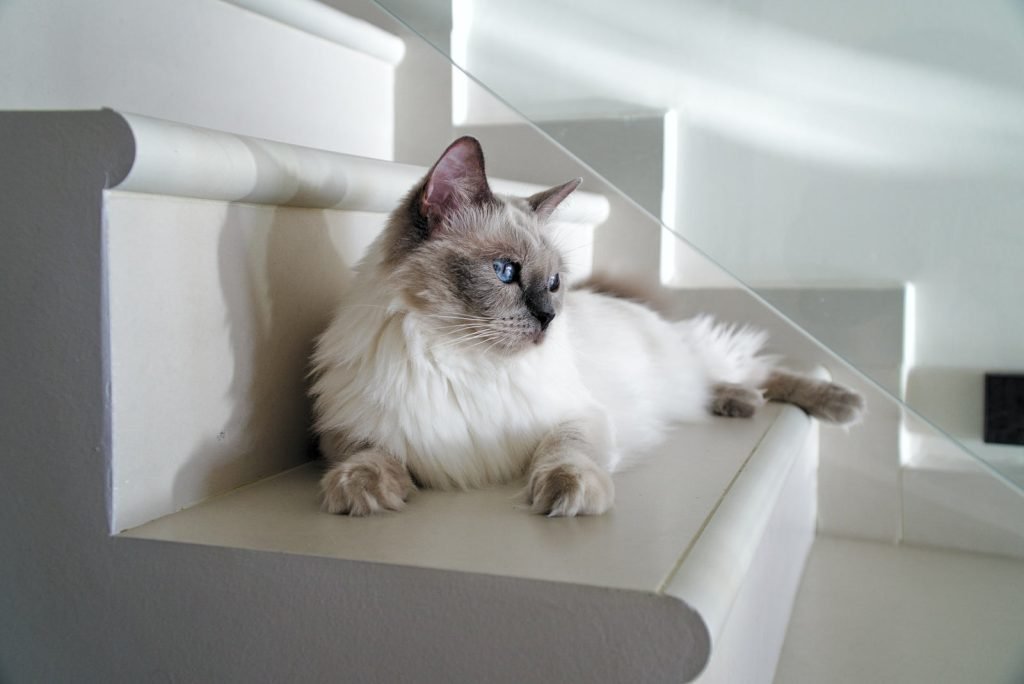
If you have a Ragdoll cat or are thinking about getting one, it’s important to know about the health problems they can face. These beautiful, gentle cats may seem perfect, but like all pets, they have their own risks.
Understanding these issues early can help you keep your furry friend happy and healthy for years to come. Keep reading to learn what signs to watch for and how you can protect your Ragdoll’s well-being.
Common Health Issues
Ragdoll cats are beloved for their gentle nature and stunning looks, but like all breeds, they have health concerns you should watch for. Knowing the common health issues can help you spot problems early and ensure your cat lives a happy, comfortable life. Let’s look at some of the key health problems Ragdolls face and what you can do to protect your furry friend.
Hypertrophic Cardiomyopathy
Hypertrophic Cardiomyopathy (HCM) is a heart condition where the walls of the heart thicken, making it harder for the heart to pump blood. Many Ragdolls carry genes that increase their risk of developing HCM. Regular vet check-ups, including heart ultrasounds, are crucial to catch this condition early.
You might not notice signs right away, but symptoms can include difficulty breathing, lethargy, or sudden collapse. How often do you monitor your cat’s breathing or energy levels? Early detection can be a lifesaver.
Polycystic Kidney Disease
Polycystic Kidney Disease (PKD) causes fluid-filled cysts to grow in the kidneys, gradually impairing their function. While more common in Persian cats, Ragdolls can also inherit this disease. Routine kidney function tests can help identify PKD before it causes serious damage.
Has your vet ever discussed kidney health with you? Even subtle changes in drinking or urination habits can be a warning sign. Staying alert to these changes means you can get treatment started sooner.
Bladder Stones
Bladder stones are hard mineral deposits that form in the bladder, causing pain and urinary problems. Ragdolls seem prone to this issue, which can lead to frequent urination or blood in the urine. If your cat shows signs of discomfort when peeing, don’t delay a vet visit.
Diet plays a big role in preventing bladder stones. Have you talked to your vet about feeding strategies to reduce stone formation? Simple dietary changes might save your cat from painful episodes.
Feline Infectious Peritonitis
Feline Infectious Peritonitis (FIP) is a viral disease that can be fatal, and certain breeds like Ragdolls may be more susceptible. It’s caused by a mutated form of the feline coronavirus and often strikes younger cats. Symptoms can be vague, such as fever, weight loss, or fluid buildup in the abdomen.
Have you noticed unexplained illnesses in your cat? Early veterinary attention is critical because there are new treatments showing promise. Staying informed about FIP can help you act fast if your cat becomes ill.

Credit: ca.news.yahoo.com
Genetic Risks
Ragdoll cats are beloved for their gentle nature and striking appearance. Yet, they carry specific genetic risks that can affect their health. Understanding these risks helps owners provide better care and avoid serious problems.
Genetic issues in Ragdolls often arise from inherited traits passed down through generations. Breeding practices impact the likelihood of these problems. Responsible breeding and early detection can reduce health risks significantly.
Inherited Disorders
Ragdolls are prone to several inherited disorders. One common condition is hypertrophic cardiomyopathy (HCM), a heart disease that thickens the heart muscle. This can lead to heart failure if untreated.
Another inherited issue is bladder stones, which cause urinary problems. Some Ragdolls also suffer from kidney disease, affecting their overall health and lifespan.
Genetic mutations may cause skeletal problems like hip dysplasia. These conditions cause pain and mobility challenges for cats.
Screening And Testing
Early screening helps detect genetic disorders before symptoms appear. DNA tests are available for many conditions, including HCM. These tests identify carriers and affected cats.
Regular veterinary check-ups, including heart scans, can catch problems early. Breeders should screen their cats to reduce passing on genetic issues.
Owners can ask vets about genetic testing options. Early diagnosis improves treatment success and quality of life.
Symptoms To Watch For
Noticing early symptoms in your Ragdoll cat can make a huge difference in their health and happiness. Cats are masters at hiding pain, so you need to be alert to subtle changes. Watching closely for signs can help you act quickly and keep your feline friend comfortable.
Behavioral Changes
Is your usually affectionate Ragdoll suddenly hiding or avoiding contact? Changes like increased irritability or excessive vocalization can signal discomfort or illness. You might see your cat grooming less or more obsessively, which often points to stress or skin problems.
Pay attention if your cat loses interest in play or social interaction. These shifts might seem small, but they’re often the first clues that something isn’t right. Have you noticed your cat acting differently lately?
Physical Signs
Look for visible indicators such as weight loss, swollen joints, or lumps. Ragdolls are prone to certain conditions like hypertrophic cardiomyopathy, so any unusual breathing or coughing should prompt a vet visit. Check their eyes and nose for discharge or redness, which can hint at infections.
Don’t ignore changes in coat quality either. A dull or patchy coat can indicate nutritional deficiencies or underlying illness. Small signs like these often get overlooked but are essential to catch early.
Activity Levels
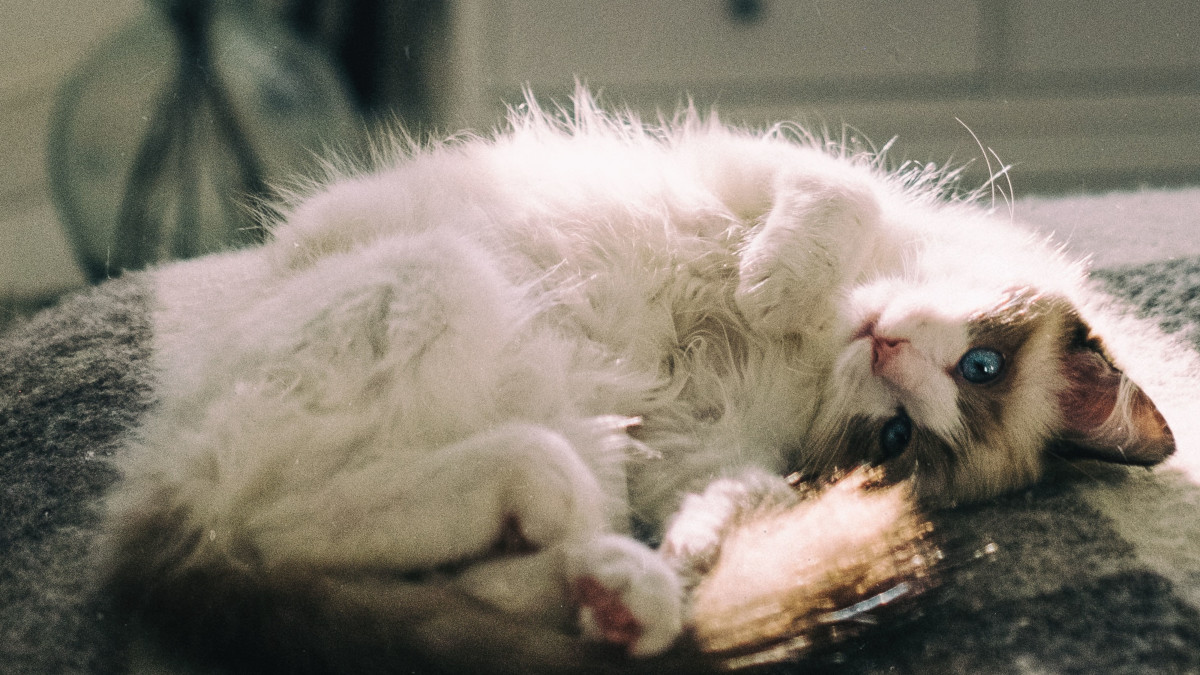
Has your Ragdoll become less active or reluctant to jump and climb? Decreased activity might mean joint pain or muscle weakness. Conversely, hyperactivity or restlessness can suggest discomfort or anxiety.
Track your cat’s daily energy patterns. Sudden drops in playfulness or increased sleeping hours should raise a red flag. How does your cat’s current energy compare to their usual self?
Credit: pethelpful.com
Preventive Care
Preventive care is the cornerstone of keeping your Ragdoll cat healthy and happy. This breed is known for its gentle nature, but they can be prone to specific health issues. Taking proactive steps helps you catch problems early and maintain your cat’s well-being over the long term.
Regular Vet Visits
Scheduling regular check-ups with your vet lets you track your Ragdoll’s health closely. These visits help detect early signs of conditions like hypertrophic cardiomyopathy (HCM) or kidney problems, which are common in the breed.
Don’t wait for symptoms to appear. Even if your cat seems fine, routine exams can spot subtle changes in weight, behavior, or vital signs before serious issues develop.
Vaccinations
Keeping vaccinations up to date protects your Ragdoll from contagious diseases like feline distemper and respiratory infections. Your vet will recommend a schedule tailored to your cat’s age, lifestyle, and local risks.
Have you ever wondered what might happen if your cat misses a vaccine? It can leave them vulnerable to illnesses that are preventable with a simple shot.
Diet And Nutrition
What your Ragdoll eats plays a huge role in their overall health. A balanced diet rich in protein supports their muscular build and helps prevent obesity, a common issue in this laid-back breed.
Feeding high-quality food with the right nutrients can reduce risks of urinary tract problems and diabetes. Monitor portion sizes and avoid frequent treats to keep your cat at a healthy weight.
Treatment Options
When your Ragdoll cat faces health challenges, knowing the right treatment options can make all the difference. Each health problem demands a tailored approach to ensure your pet recovers comfortably and quickly. Understanding these options helps you make informed decisions and provide the best care.
Medications
Medications often form the first line of defense against many common Ragdoll cat health issues. Antibiotics help fight infections, while pain relievers keep your cat comfortable during recovery. For chronic conditions like kidney disease, special prescription diets and supplements may be necessary to support your cat’s wellbeing.
Have you noticed your cat acting unusually lethargic or losing appetite? These signs might prompt your vet to prescribe medication that targets the root cause. Always follow dosage instructions carefully and monitor your cat for side effects to ensure safe treatment.
Surgery
Surgery becomes necessary when medications alone can’t fix the problem. Conditions like bladder stones or severe dental disease often require surgical intervention to prevent further complications. While surgery can sound scary, modern veterinary techniques make procedures safer and recovery smoother than ever before.
Consider the case of a Ragdoll with an obstructed urinary tract; surgery not only relieves pain but can save your cat’s life. Discuss with your vet the risks, benefits, and aftercare requirements before deciding on surgery. Your involvement in post-surgical care plays a huge role in your cat’s healing process.
Therapies
Therapies provide supportive care that enhances recovery and overall health. Physical therapy helps cats regain mobility after injury, while hydrotherapy can improve joint function in older Ragdolls. Some cats benefit from acupuncture or laser therapy, which reduce pain and inflammation without drugs.
Have you considered alternative therapies for your cat’s chronic issues? Many owners report improved quality of life after integrating these treatments. Always consult your vet before starting any new therapy to ensure it’s safe and suitable for your cat’s specific condition.
Lifestyle Tips
Keeping your Ragdoll cat healthy goes beyond regular vet visits. The right lifestyle choices can prevent many health problems and keep your furry friend happy and active. Paying attention to their daily needs helps you spot issues early and improve their overall well-being.
Exercise Needs
Ragdolls may look relaxed, but they need regular exercise to stay fit. Lack of activity can lead to weight gain, which puts extra strain on their joints and heart. Try using interactive toys or setting up climbing shelves to encourage movement.
Have you noticed how your cat responds to new toys? Switching up playtime routines can keep their interest alive and muscles strong.
Stress Reduction
Stress can trigger health issues like digestive problems and weakened immunity in Ragdolls. Creating a calm and predictable environment helps reduce anxiety. Consider using pheromone diffusers or providing quiet spaces where your cat can retreat.
Think about what might stress your cat out—loud noises, new pets, or sudden changes—and find ways to minimize those triggers.
Safe Environment
A safe home protects your Ragdoll from accidents and illnesses. Remove toxic plants, secure windows, and keep harmful chemicals out of reach. Regularly check for small objects that could be swallowed or cause injury.
Have you cat-proofed your space lately? Even small adjustments can make a big difference in preventing emergencies.
When To Seek Help
Knowing when to seek help for your Ragdoll cat is crucial. These cats may hide symptoms until problems worsen. Early attention can prevent serious health issues. Watch for signs that need quick response. Regular visits keep your pet healthy. Some problems require a specialist’s care. Understanding these moments helps you act fast and wisely.
Emergency Signs
- Sudden difficulty breathing or gasping
- Uncontrolled bleeding or deep wounds
- Severe vomiting or diarrhea lasting over 24 hours
- Loss of consciousness or seizures
- Extreme weakness or inability to stand
- Swollen abdomen or painful belly
- Choking or continuous coughing
Routine Checkups
Schedule checkups at least once a year. These visits catch hidden problems early. Your vet can check heart, lungs, and joints. Vaccinations and parasite control happen during these visits. Blood tests help detect kidney or liver issues. Dental exams prevent oral diseases. Keep records of vaccinations and treatments for your cat.
Specialist Consultations
Some conditions need expert care beyond the vet. Heart problems like hypertrophic cardiomyopathy require cardiologists. Skin allergies may need dermatologists. Eye issues need ophthalmologists. If your Ragdoll has genetic conditions, seek genetic counseling. Specialists offer targeted treatments and advanced tests. Ask your vet to recommend trusted experts.

Credit: felinefancy.co.uk
Frequently Asked Questions
What Common Health Issues Affect Ragdoll Cats?
Ragdoll cats often face hypertrophic cardiomyopathy, a heart condition. They may also suffer from kidney disease and urinary tract problems. Regular vet check-ups help detect these early. Proper diet and exercise support their health and longevity.
How To Spot Hypertrophic Cardiomyopathy In Ragdolls?
Watch for breathing difficulties, lethargy, and fainting spells. This heart disease thickens heart muscles, reducing efficiency. Early diagnosis through echocardiograms is crucial. Treatment can manage symptoms and improve life quality.
Are Ragdoll Cats Prone To Kidney Disease?
Yes, kidney disease is common in Ragdolls. Symptoms include increased thirst, frequent urination, and weight loss. Early detection via blood tests is important. Proper diet and hydration support kidney health.
Can Ragdoll Cats Have Urinary Tract Problems?
Urinary tract infections and blockages can affect Ragdolls. Signs include painful urination and blood in urine. Prompt veterinary care is essential. Preventive care includes hydration and a balanced diet.
Conclusion
Ragdoll cats need special care to stay healthy and happy. Watch for signs of common health problems early. Regular vet visits help catch issues before they grow. Feeding good food and giving exercise keeps them strong. Knowing their health risks helps you protect your pet better.
Love and attention make a big difference every day. Keep your Ragdoll safe with simple steps and care. Healthy cats bring joy to any home.
