

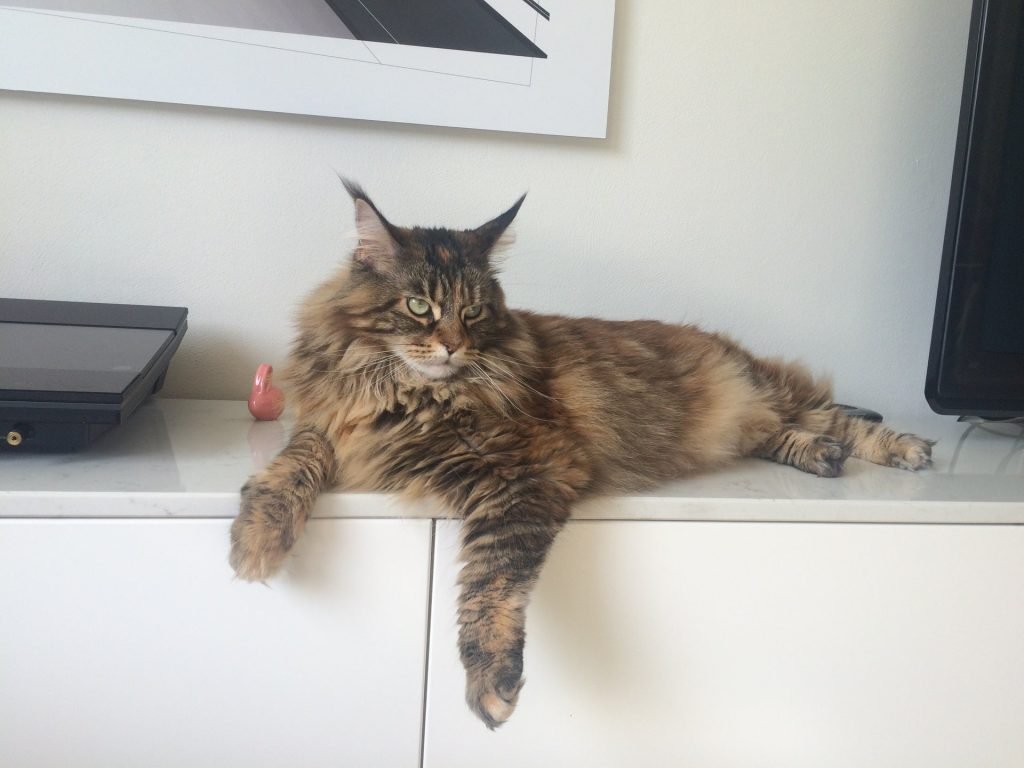
If you have a Maine Coon cat or are thinking about bringing one into your home, knowing about their health is crucial. These gentle giants are amazing companions, but they can face specific health challenges that you should be aware of.
Understanding these issues early can help you keep your furry friend happy and healthy for years to come. Keep reading to discover the most common Maine Coon cat health problems and what you can do to protect your beloved pet.
Common Health Problems
Maine Coon cats are known for their large size and friendly nature. Despite their hardiness, they face some common health problems. Awareness of these issues helps owners provide better care and timely treatment. Regular vet check-ups can catch problems early and improve life quality.
Hypertrophic Cardiomyopathy
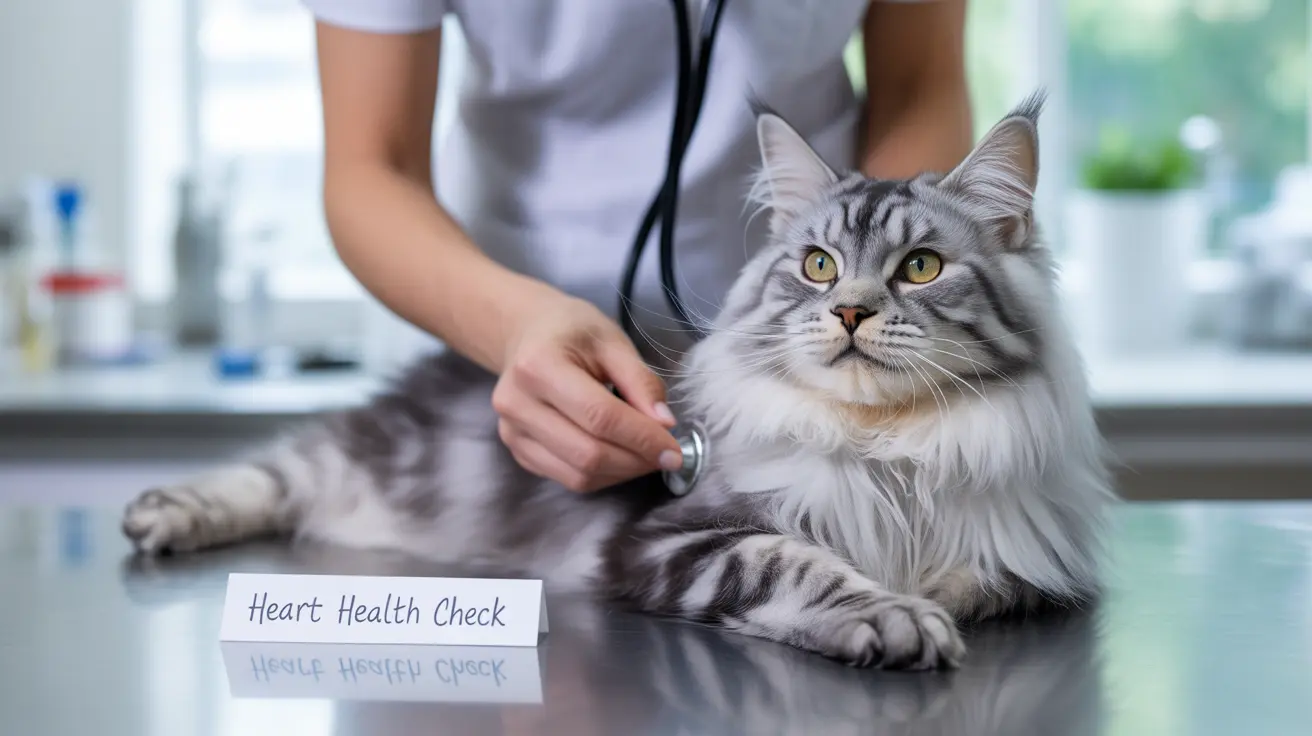
Hypertrophic Cardiomyopathy (HCM) is a heart disease common in Maine Coons. The heart muscle thickens, making it harder to pump blood. Cats may show no signs at first. Symptoms include difficulty breathing and lethargy as the disease progresses. Early detection through heart scans is vital.
Hip Dysplasia
Hip Dysplasia affects the hip joints, causing pain and stiffness. Maine Coons are prone to this due to their large size. It can lead to arthritis and difficulty walking. Maintaining a healthy weight helps reduce stress on joints. Regular exercise keeps muscles strong and supports joints.
Spinal Muscular Atrophy
Spinal Muscular Atrophy (SMA) is a genetic disorder in Maine Coons. It causes muscle weakness and loss of movement. This condition does not cause pain but affects mobility. Breeders often screen for SMA to reduce its occurrence. Physical therapy can help cats maintain muscle strength.
Polycystic Kidney Disease
Polycystic Kidney Disease (PKD) causes cysts to form in the kidneys. These cysts grow and reduce kidney function over time. Maine Coons with PKD may show signs like weight loss and increased thirst. Early diagnosis helps manage the disease with diet and medications. Regular kidney check-ups are important for early detection.
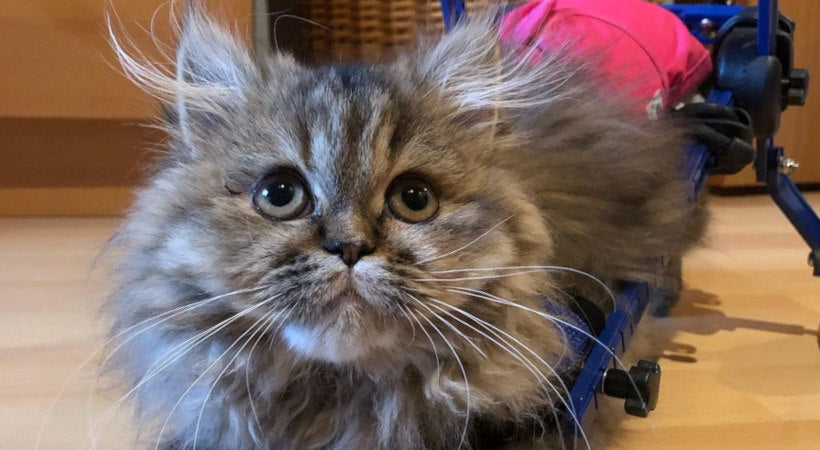
Credit: walkinpets.com
Symptoms To Watch For
Spotting health issues early in your Maine Coon can make a huge difference. These cats are sturdy, but they can develop specific problems that show up through subtle changes. Knowing what to watch for helps you act fast and get your furry friend the care they need.
Changes In Behavior
Has your Maine Coon suddenly become less playful or more withdrawn? Behavioral shifts like increased hiding, irritability, or unusual vocalizations can signal discomfort or pain. Pay attention if your cat avoids interaction or stops grooming, as these can be early clues to health problems.
Physical Signs
Look closely for visible changes such as swelling, lumps, or wounds that don’t heal. Eye discharge, excessive scratching, or bald patches might indicate infections or allergies. Even subtle signs like greasy fur or a dull coat can hint at underlying issues.
Appetite And Weight Shifts
Has your Maine Coon’s eating habits changed? A sudden loss of appetite or unexplained weight gain or loss should never be ignored. These shifts often point to digestive problems, dental pain, or metabolic conditions needing prompt attention.
Mobility Issues
Notice if your cat hesitates to jump or climb or seems stiff after resting. Limping, difficulty rising, or changes in gait may indicate joint pain or arthritis. Catching these signs early can help you manage your Maine Coon’s comfort and prevent worsening mobility problems.
Preventive Care Strategies
Keeping your Maine Coon healthy goes beyond just love and attention—it requires a smart approach to preventive care. This breed is generally robust, but certain health issues can sneak up without warning. You can reduce risks and catch problems early by staying proactive with your cat’s health routine.
Regular Vet Checkups
Scheduling regular vet visits is essential. These checkups help detect hidden issues like heart disease or joint problems early. You might not notice subtle changes at home, but a vet can spot warning signs before they become serious.
Think about how often you visit your doctor for a checkup—your cat deserves the same attention. Consistent vet visits create a health baseline, making it easier to track any changes over time.
Vaccinations And Parasite Control
Vaccinations protect your Maine Coon from dangerous diseases like feline leukemia and distemper. Staying up-to-date on shots is crucial to avoid preventable illnesses. Parasites like fleas, ticks, and worms can cause discomfort and serious health issues if left unchecked.
Ask your vet about the best parasite control options tailored to your cat’s lifestyle. Have you ever seen your cat scratching more than usual? It might be time to review their parasite protection plan.
Dental Health Maintenance
Dental problems often go unnoticed but can lead to pain and infections. Regular brushing of your cat’s teeth helps reduce plaque build-up and keeps their breath fresh. Dental treats and toys can support oral hygiene too.
Don’t wait for bad breath or difficulty eating to act—start dental care early. How often do you check your cat’s mouth? You might find that a quick daily brush makes a big difference in their comfort.
Balanced Nutrition
Your Maine Coon’s diet affects every aspect of their health. Feeding high-quality, balanced food supports their large frame and long lifespan. Avoid overfeeding to prevent obesity, which strains their joints and organs.
Consider foods rich in omega-3 fatty acids for healthy skin and fur. Have you noticed how your cat’s coat changes with different diets? Small tweaks can improve their energy and overall wellbeing.
Credit: bellspurr.com
Exercise And Enrichment
Maine Coon cats are large and active pets that need regular exercise. Exercise helps maintain their weight and muscle health. It also reduces stress and prevents boredom. Enrichment keeps their minds sharp and spirits high. Both physical and mental activities are vital for their well-being.
Indoor Play Ideas
Indoor play keeps Maine Coons active and happy. Use toys like feather wands and laser pointers. These encourage chasing and jumping. Puzzle feeders make them think while they eat. Cardboard boxes and paper bags become fun hiding spots. Rotate toys often to keep interest strong.
Safe Outdoor Access
Outdoor time benefits Maine Coons but must be safe. Use a secure cat harness and leash for walks. Build a catio or enclosed outdoor area. This lets them explore without danger. Check for plants and chemicals that could harm them. Supervise outdoor activities to avoid accidents.
Mental Stimulation Tips
Mental stimulation prevents boredom and destructive behavior. Teach simple tricks with treats as rewards. Offer interactive toys that move or make noise. Hide treats around the house for treasure hunts. Change their environment by moving furniture or adding climbing shelves. These ideas keep their brains active and engaged.
Grooming Essentials
Maine Coon cats need regular grooming to stay healthy and happy. Their thick fur and large size require special care. Grooming helps prevent mats and skin issues. It also keeps your cat comfortable and clean. Establish a grooming routine early to build trust and ease handling.
Coat Care
The Maine Coon’s long fur can tangle easily. Brush their coat at least twice a week. Use a wide-tooth comb or a slicker brush. Focus on areas behind the ears and under the legs. Remove loose hair to reduce shedding and mats. Bathing is rarely needed but can help if the fur is dirty.
Nail Trimming
Trim your cat’s nails every two to three weeks. Use sharp, small nail clippers made for cats. Hold the paw gently and press the pad to extend the nails. Avoid cutting the pink part called the quick. If unsure, trim only the sharp tips to prevent bleeding.
Ear And Eye Cleaning
Check ears weekly for dirt and wax build-up. Use a soft cloth or cotton ball dampened with a vet-approved cleaner. Wipe gently inside the ear flap without pushing deep. For eyes, remove discharge with a damp cotton ball. Never use harsh chemicals or share cloths between ears and eyes.
Credit: www.petscare.com
Special Considerations For Aging Cats
Aging Maine Coon cats need special care to stay healthy and happy. Their bodies change over time, which affects their needs. Paying attention to diet, health checks, and comfort can improve their quality of life.
Adjusting Diet And Activity
Older Maine Coons need balanced nutrition to maintain weight and energy. Choose food with fewer calories but rich in protein. It helps preserve muscle and supports aging joints. Limit treats and avoid overfeeding to prevent obesity.
Encourage gentle play and light exercise daily. It keeps muscles strong and joints flexible. Avoid strenuous activities that may cause injury.
Monitoring Chronic Conditions
Maine Coons can develop chronic issues like arthritis and heart disease as they age. Watch for signs such as limping, coughing, or changes in appetite. Regular vet visits help detect problems early.
Keep a health diary to track symptoms and medication. This helps vets adjust treatments quickly and effectively.
Comfort And Mobility Aids
Provide soft bedding in quiet, warm spots to ease joint pain. Use ramps or steps to help your cat reach favorite places. Avoid slippery floors that can cause falls.
Consider orthopedic beds and heated pads to improve comfort. These aids support better sleep and reduce stiffness.
Frequently Asked Questions
What Are Common Maine Coon Cat Health Issues?
Maine Coon cats often face hypertrophic cardiomyopathy, hip dysplasia, and spinal muscular atrophy. Regular vet check-ups help detect these early. Proper diet and exercise also support their health.
How Can I Prevent Health Problems In Maine Coons?
Provide a balanced diet, regular exercise, and annual vet visits. Early screenings for heart and joint conditions are vital. Avoid obesity by controlling food portions and promoting activity.
Are Maine Coons Prone To Genetic Diseases?
Yes, they have genetic risks like hypertrophic cardiomyopathy and spinal muscular atrophy. Responsible breeders screen for these conditions. Genetic testing can reduce disease transmission in kittens.
When Should I See A Vet For My Maine Coon?
Schedule a vet visit if your cat shows lethargy, breathing issues, or mobility problems. Early symptoms of heart or joint disease need prompt attention. Regular check-ups ensure ongoing health.
Conclusion
Maine Coon cats need regular health checks to stay strong. Watch for signs of common illnesses early. Good food, exercise, and vet visits help keep them well. Knowing their health issues helps you care better. These gentle giants deserve a happy and healthy life.
Keep love and care as your top priority. Simple steps can protect your Maine Coon’s health. Stay informed and enjoy many joyful years together.
