

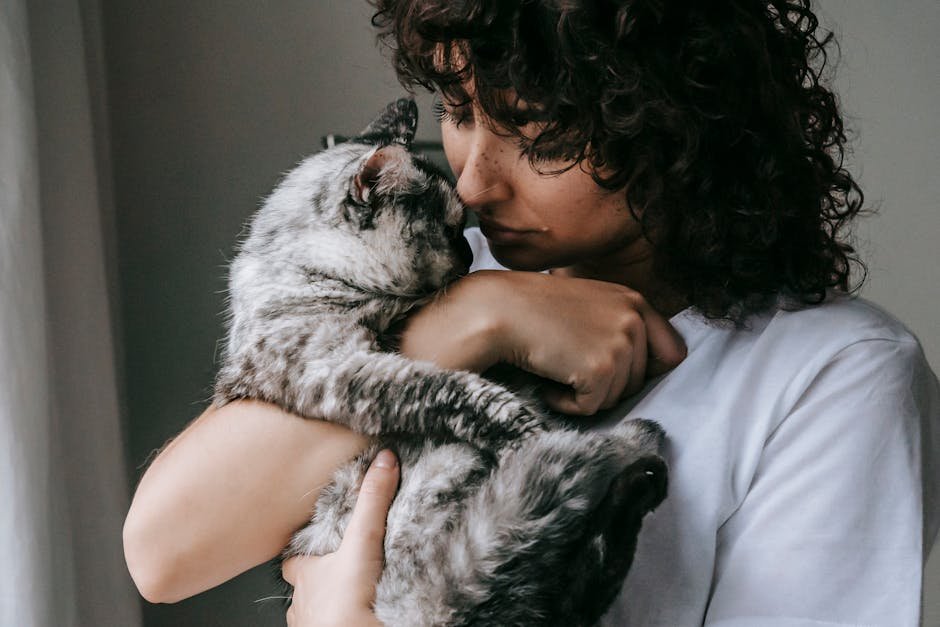
Are you thinking about bringing a furry friend into your home? Adopting a cat from the SPCA could be the perfect choice for you.
Not only will you give a loving animal a second chance, but you’ll also gain a loyal companion who can brighten your days. Imagine the joy of welcoming a playful kitten or a calm adult cat into your life—someone who truly needs your care.
You’ll discover everything you need to know about SPCA cat adoption, from how to find the right cat for you to tips for a smooth transition. Ready to find your new best friend? Keep reading!
Benefits Of Adopting From Spca
Adopting a cat from the SPCA offers many advantages. These benefits ensure a smoother transition for both the pet and owner. The process supports the health and well-being of the cats. It also helps promote responsible pet ownership and animal care.
Health And Behavior Checks
SPCA cats undergo thorough health screenings. Vaccinations and medical treatments are up to date. Behavioral assessments help match cats with suitable homes. This reduces surprises and adjustment issues later. Adopters receive guidance on care and training.
Supporting Animal Welfare
Choosing SPCA adoption supports animal rescue efforts. It helps reduce stray and homeless animal populations. Funds from adoptions support shelter operations and animal care. The process encourages more humane treatment of animals. Adopters join a community committed to animal welfare.
Cost-effective Pet Ownership
Adoption fees are lower than buying from breeders or stores. These fees often include vaccinations, spaying, or neutering. Veterinary checks are already completed, saving future expenses. SPCA cats are ready for a loving home. This makes pet ownership more affordable and accessible.
Preparing For Cat Adoption
Preparing for cat adoption requires thoughtful planning and care. It helps ensure your new pet feels safe and happy. Taking time before bringing a cat home makes the transition smooth. It also builds a strong bond from day one.
Assessing Your Lifestyle
Consider your daily routine and living situation. Cats need attention and care every day. Think about your work hours and travel plans. Some cats prefer quiet homes, while others enjoy activity. Choose a cat that fits your lifestyle well. This helps avoid stress for both you and your pet.
Essential Supplies
Gather basic items before your cat arrives. Important supplies include:
- Litter box and cat litter
- Food and water bowls
- Cat food suited to their age and health
- Comfortable bed or blanket
- Scratching posts or pads
- Toys for play and exercise
Having these ready helps your cat settle quickly. It also shows care and readiness.
Setting Up A Cat-friendly Space
Create a safe, quiet area for your new cat. This space should have their bed, litter box, and food bowls. Keep the area calm and away from loud noises. Add hiding spots like boxes or small tents. Cats feel secure with places to retreat. Keep harmful plants and small objects out of reach. This setup helps your cat feel at home fast.
Choosing The Right Cat
Adopting a cat from the SPCA offers many choices for different personalities and ages. Matching a cat’s temperament with your lifestyle ensures a happy home. Visiting the shelter helps find the perfect furry friend for your family.
Choosing the right cat is an important decision. It’s not just about finding a cute face. The bond between you and your new feline friend matters. You need to consider different factors. This ensures a perfect match for both of you.Age And Personality Traits
Kittens are playful and full of energy. They require more time and patience for training. Adult cats might be calmer and more independent. Seniors are often relaxed and affectionate. Each age group has its own charm. Consider your lifestyle when choosing.Breed Considerations
Different breeds have unique needs. Some cats may require more grooming. Others might be more active or vocal. Research breeds to find one that fits your home. Mixed breeds are also wonderful companions. They often have diverse and lovable traits.Matching Energy Levels
Your energy level should match your cat’s. Active households may enjoy a playful kitten. A quieter home might suit a relaxed adult cat. Spend time with potential adoptees. This helps gauge their energy and demeanor. Choose a cat that complements your lifestyle.The Adoption Process At Spca
The adoption process at SPCA is designed to make sure every cat finds a safe and loving home. The staff works closely with potential adopters to match pets with families. This careful approach helps cats settle into their new environment smoothly. The process is simple and clear to follow.
Application Steps
Start by filling out an adoption application form. The form asks about your home, lifestyle, and pet experience. It helps the SPCA team understand what kind of cat suits you best. You can submit the form online or in person at the shelter. Make sure to provide honest answers to speed up the process.
Interview And Home Visit
After the application is reviewed, the staff will contact you for an interview. This chat helps clarify your needs and your readiness for a cat. Sometimes, a home visit is arranged. The visit checks if your home is safe and comfortable for a cat. It is a friendly step to ensure the cat’s well-being.
Finalizing Adoption
Once approved, you can meet the cats available for adoption. Spend time with different cats to find your perfect match. After choosing, you sign the adoption agreement. This document outlines your responsibilities as a pet owner. Finally, you take your new cat home, starting a new chapter together.
Caring For Your New Cat
Bringing home a new cat from the SPCA is an exciting moment. Caring for your new cat helps them adjust to their new life and feel safe. It takes patience and attention to their needs. Creating a calm and loving environment is key for a happy cat and owner.
First Days At Home
Set up a quiet space with food, water, and a litter box. Let your cat explore slowly. Avoid loud noises or sudden movements. Give them time to rest and watch their behavior. Keep other pets away until your cat feels comfortable. Use soft voices and gentle touches. Watch for signs of stress like hiding or refusing food.
Nutrition And Health Care
Feed your cat high-quality food suited for their age and health. Fresh water should always be available. Schedule a visit to the vet for a health check and vaccinations. Follow vet advice on flea control and worming. Keep the litter box clean to prevent infections. Monitor your cat’s eating habits and weight regularly.
Building Trust And Bonding
Spend quiet time sitting near your cat without forcing interaction. Offer treats and toys to encourage play. Speak softly and move slowly to build trust. Groom your cat gently to strengthen your bond. Respect their boundaries and allow them to come to you. Patience and kindness help create a lifelong friendship.
Common Challenges And Solutions
Adopting a cat from the SPCA brings joy and companionship. It also brings some challenges. Understanding common issues helps create a smooth transition. Simple solutions make life easier for both the cat and owner.
Dealing With Shyness
Many SPCA cats feel shy in new homes. They may hide or avoid contact. Patience is key to building trust. Speak softly and avoid sudden moves. Let the cat come to you on its own time.
Provide a quiet space with familiar blankets or toys. Use gentle play to encourage interaction. Reward calm behavior with treats. This helps the cat feel safe and loved.
Litter Training Tips
Some cats need help with litter training. Place the litter box in a quiet, accessible spot. Keep it clean by scooping daily. Cats dislike dirty boxes and may avoid them.
Show the cat the litter box after meals and naps. Use clumping litter to make cleaning easier. If accidents happen, clean areas thoroughly to remove smells. Avoid punishment as it can cause fear.
Managing Behavioral Issues
Behavioral problems can include scratching furniture or biting. Provide scratching posts near favorite resting spots. Use toys to redirect biting or rough play. Never hit or yell at the cat.
Establish regular playtime to burn excess energy. Offer praise for good behavior. Consistency in rules and routines helps cats feel secure. Consult a vet if problems persist or worsen.
Resources For New Cat Owners
Bringing a cat home from the SPCA is just the start of a rewarding journey. New cat owners need support and guidance to help their pets settle in comfortably. Various resources exist to assist with health, socialization, and ongoing care. These resources build confidence and ensure cats thrive in their new homes.
Veterinary Support
Routine vet visits keep cats healthy and happy. Early checkups catch problems before they grow. Vaccinations, flea control, and spaying or neutering are vital. Many vets offer advice on diet, behavior, and grooming. Establishing a good relationship with a vet is key for long-term care.
Local Cat Communities
Joining local cat groups connects owners with others nearby. These communities share tips, organize meetups, and offer support. Online forums and social media groups provide answers to common questions. Meeting fellow cat lovers creates a sense of belonging and helps with challenges.
Spca Follow-up Services
The SPCA often provides post-adoption help. Follow-up calls or visits check how cats adjust. They offer training advice and resources on health issues. Some SPCA locations host workshops or events for new owners. This ongoing support helps owners build strong bonds with their cats.
Frequently Asked Questions
What Is The Process For Spca Cat Adoption?
SPCA cat adoption involves selecting a cat, completing an application, and an interview. A home visit may be required. After approval, you pay an adoption fee and bring your new cat home.
How Much Does Spca Cat Adoption Cost?
SPCA cat adoption fees usually range between $50 and $150. This fee covers vaccinations, spaying/neutering, and microchipping. It helps support the shelter’s care for other animals.
What Should I Prepare Before Adopting A Cat From Spca?
Prepare a safe space with food, water, litter box, and toys. Make sure your home is cat-proofed and family members are ready for a new pet.
Can I Adopt A Specific Cat From Spca Online?
Many SPCA branches offer online browsing of available cats. You can select a cat and start the adoption process online before visiting the shelter.
Conclusion
Adopting a cat from the SPCA brings joy and hope. Each cat waits for a loving home and care. You help save lives and offer a fresh start. Cats give comfort, friendship, and fun every day. Visit your local SPCA to meet cats in need.
Choose kindness and make a difference today. A new friend is ready to share your life. Simple steps lead to happiness for you and the cat. Consider adoption and open your heart to a furry friend.
