

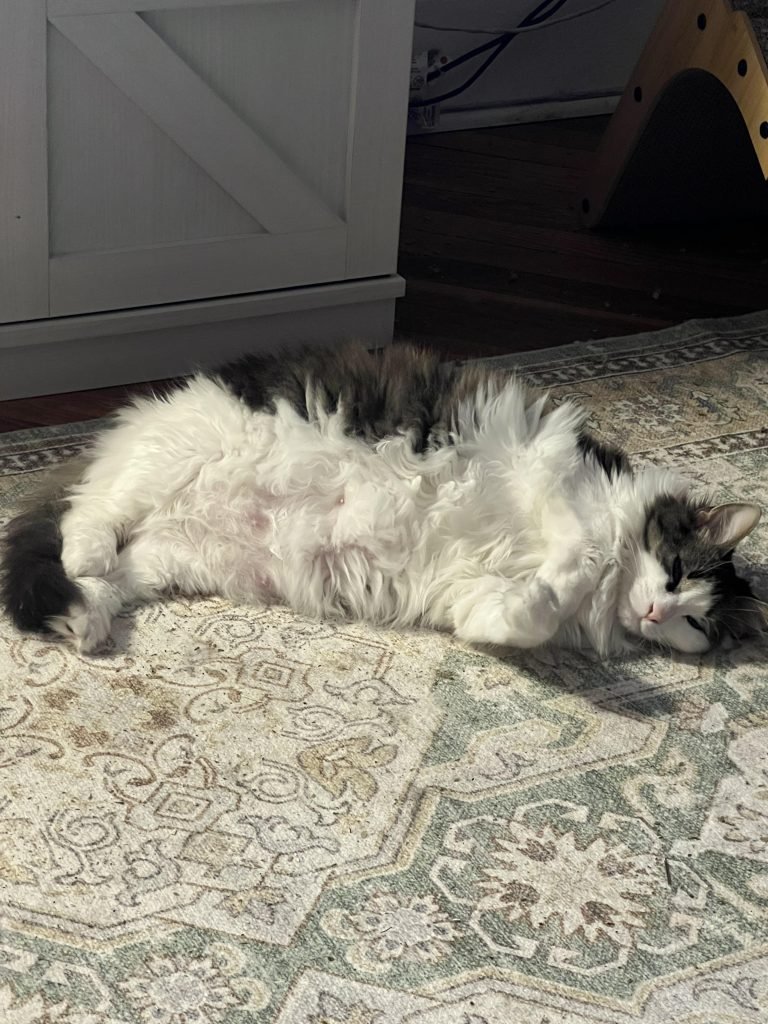
Have you noticed your cat licking or biting itself more than usual? If your cat is over grooming, it could be a sign that something is wrong.
Over grooming isn’t just a quirky habit—it can lead to skin problems, hair loss, and discomfort for your furry friend. You want your cat to feel happy and healthy, right? Keep reading to discover why your cat might be over grooming and what you can do to help stop it before it gets worse.
Your cat’s well-being depends on understanding this behavior—and you’re about to learn how to take action.

Credit: www.reddit.com
Signs Of Over Grooming
Over grooming in cats can signal deeper health or emotional issues. Recognizing the signs early helps prevent serious problems. Cats usually groom to stay clean, but over grooming can harm their skin and fur. Watch closely for changes in their grooming habits.
Excessive Licking And Biting
Excessive licking and biting is a clear sign of over grooming. Cats may focus on one spot, causing damage. This behavior can irritate the skin and worsen the problem. Notice if your cat licks or bites more than usual.
Bald Patches And Skin Irritation
Bald patches appear when hair falls out from constant grooming. Skin may look red, inflamed, or scabbed in these areas. These signs show the skin is hurting and needs care. Check for shiny, bare spots on your cat’s body.
Behavioral Changes
Over grooming can cause changes in your cat’s behavior. Your cat might become restless, anxious, or more withdrawn. It may hide or avoid being touched in certain areas. These changes often point to discomfort or stress.
Common Causes
Over grooming in cats is a common sign that something is wrong. It can cause hair loss, skin damage, and discomfort. Understanding the common causes helps owners address the problem quickly. Several factors can trigger this behavior. Knowing these can prevent serious health issues.
Allergies And Skin Conditions
Allergies often make cats itch and scratch a lot. Common allergens include food, pollen, dust, and chemicals. Skin conditions like eczema or fungal infections also cause irritation. Cats try to soothe the itch by licking or biting their skin. This leads to over grooming and skin damage.
Stress And Anxiety
Cats feel stress from changes in their environment. New pets, loud noises, or moving homes can upset them. Anxiety causes repetitive grooming as a coping mechanism. It works like a self-soothing habit but can harm their skin. Over grooming becomes a sign of emotional distress.
Parasites And Infections
Parasites such as fleas and mites irritate a cat’s skin intensely. These tiny pests cause itching and discomfort. Bacterial or yeast infections may develop from constant licking. Infections worsen the skin’s condition. Treating parasites and infections stops over grooming quickly.
Pain And Discomfort
Hidden pain can cause cats to lick certain body parts. Arthritis, injuries, or internal problems may trigger this behavior. Licking helps distract them from pain but damages the skin. Identifying and treating pain helps reduce over grooming. Vet visits are important for proper diagnosis.
Diagnosing The Problem
Diagnosing why your cat is over grooming is crucial to stop the behavior effectively. Over grooming can signal many underlying issues, from health problems to emotional stress. Understanding the root cause helps you and your vet create the right care plan.
Veterinary Examination
The first step is a thorough veterinary exam. Your vet will check your cat’s skin, coat, and overall health. They look for signs of infections, parasites, or injuries that might cause discomfort.
Sometimes, subtle issues like dental pain or arthritis can make cats over groom specific areas. Have you noticed if your cat favors one spot or grooms all over? Sharing these details with your vet can speed up diagnosis.
Skin Tests And Allergy Screening
Allergies often cause itching that leads to over grooming. Your vet might suggest skin tests or blood tests to identify allergens like pollen, dust mites, or certain foods.
Testing helps pinpoint if your cat needs a special diet or allergy medication. Keep a diary of your cat’s environment and diet to help track any patterns linked to flare-ups.
Behavioral Assessment
Sometimes, grooming is a response to stress or boredom. A behavioral assessment looks at your cat’s daily routine, environment, and interactions.
Ask yourself: Has there been a change in the household? New pets, moving, or changes in your schedule can unsettle your cat. Behavioral experts can guide you on how to enrich your cat’s life and reduce anxiety.

Credit: www.reddit.com
Treatment Options
Treating a cat that is over grooming requires a careful and multi-faceted approach. Understanding the root cause is key, but taking action with the right treatments can bring relief to your furry friend quickly. You might be surprised how small changes can make a big difference in stopping this behavior.
Medications And Topical Treatments
Sometimes, over grooming is linked to underlying medical issues like allergies or infections. Your vet may prescribe antihistamines or corticosteroids to reduce itching and inflammation. Topical ointments can also soothe irritated skin and prevent further damage.
Have you noticed any redness or sores on your cat’s skin? These signs often point to the need for targeted treatments that calm the skin and stop the urge to scratch.
Addressing Parasites
Parasites such as fleas or mites are common triggers for over grooming. Even if you don’t see them, they can cause intense discomfort. Regular flea prevention treatments are essential, especially if your cat goes outdoors or lives with other pets.
Consider a thorough parasite check if your cat’s grooming habits suddenly change. Removing these tiny pests often stops the cycle of irritation and licking immediately.
Managing Stress
Stress is a major factor in over grooming, but it’s not always obvious. Changes in routine, new pets, or loud noises can unsettle your cat. Identifying and reducing stressors can prevent your cat from using grooming as a coping mechanism.
Try creating quiet spaces or using calming pheromone diffusers. Have you noticed if your cat over grooms more after a vet visit or a loud event? Recognizing these patterns helps you act before the behavior worsens.
Environmental Enrichment
Boredom can lead cats to over groom as a way to entertain themselves. Adding toys, scratching posts, and interactive playtime gives your cat healthy outlets for energy. This keeps their mind and body busy, reducing the urge to groom excessively.
Think about your cat’s daily routine. Are there enough activities to keep them stimulated? Small changes like puzzle feeders or new climbing spots can transform their environment and behavior.
Preventing Over Grooming
Over grooming in cats can lead to skin damage and discomfort, but the good news is you can take steps to prevent it. Understanding what triggers this behavior and addressing those causes early helps keep your cat happy and healthy.
Regular Vet Checkups
Frequent vet visits are essential to spot any underlying health issues causing over grooming. Parasites, allergies, or skin infections often trigger excessive licking or scratching.
Make sure you discuss any changes in your cat’s grooming habits with your vet. Early detection can prevent more serious problems down the road.
Balanced Diet
Your cat’s diet plays a big role in skin and coat health. Nutrient deficiencies can lead to itchiness or irritation, prompting over grooming.
Include foods rich in omega-3 and omega-6 fatty acids, vitamins, and minerals. You might notice a smoother coat and less scratching once your cat gets proper nutrition.
Creating A Calm Environment
Stress is a common cause of over grooming. Cats are sensitive to changes in their environment, loud noises, or new pets.
Try to keep your home calm and predictable. Providing quiet spaces and consistent routines can ease your cat’s anxiety and reduce grooming urges.
Interactive Playtime
Engaging your cat in active play helps distract them from grooming out of boredom or stress. Toys like feather wands or laser pointers keep their focus on fun instead of licking.
Set aside time each day for interactive play to keep your cat mentally and physically stimulated. Have you noticed how a tired cat often stops fixating on grooming?

Credit: www.reddit.com
When To Seek Professional Help
Over grooming in cats can signal deeper issues needing expert care. Knowing when to seek professional help protects your cat’s health and comfort.
Some signs show that home care is not enough. Early action prevents serious problems and eases your cat’s distress.
Persistent Symptoms
Continuous licking or biting that lasts more than a few days is a warning. Persistent symptoms may hide allergies, parasites, or infections. A vet can diagnose and treat the root cause.
Worsening Skin Condition
Look for redness, sores, or hair loss that gets worse. Open wounds or thickened skin need medical attention. Untreated skin issues may cause pain and infection.
Behavioral Escalation
Notice if your cat becomes more anxious or aggressive. Over grooming linked to stress or anxiety often requires professional advice. Behavioral changes can harm your cat’s well-being.
Frequently Asked Questions
Why Is My Cat Over Grooming Itself?
Cats over groom due to stress, allergies, parasites, or skin infections. Over grooming can indicate discomfort or anxiety. Identifying the cause helps provide proper treatment and relief for your cat.
How Can I Stop My Cat From Over Grooming?
Reduce stress, check for allergies, and treat parasites promptly. Provide enrichment and regular vet visits. Using calming products or environmental changes can also help minimize over grooming behavior.
What Health Issues Cause Cat Over Grooming?
Skin allergies, fleas, mites, fungal infections, or pain often trigger over grooming. Underlying medical problems require veterinary diagnosis and treatment to prevent worsening and promote healing.
Is Over Grooming Harmful To Cats?
Yes, over grooming can cause hair loss, skin wounds, and infections. It may lead to chronic discomfort, requiring timely intervention to protect your cat’s health.
Conclusion
Cats grooming too much can mean stress or health problems. Watch your cat’s behavior closely. Offer comfort and check their environment for changes. Visit a vet if over grooming continues or skin looks bad. Early care helps your cat feel better fast.
Keep your furry friend happy and calm with gentle attention. Over grooming is a sign, not just a habit. Stay patient and supportive for your cat’s well-being.
