

Traveling with your cat can be exciting, but it also comes with important rules you need to follow. One key rule many airlines have is requiring a health certificate for cats traveling in the cabin.
If you’re planning a trip with your furry friend, you might wonder which airlines need this document and why it matters. Knowing this information can save you from last-minute surprises and make your journey smooth. Keep reading to discover exactly which airlines ask for a health certificate and how you can prepare your cat for a safe flight.
Airlines With Health Certificate Policies
Understanding which airlines require a health certificate for cats traveling in the cabin is crucial for a smooth journey. Airlines have different rules based on their policies and the regions they serve. Knowing these requirements ahead of time can save you from last-minute stress and ensure your furry friend’s comfort and safety.
Major Us Airlines
Most major US airlines ask for a health certificate issued within 10 days of travel. This document verifies your cat’s good health and vaccination status.
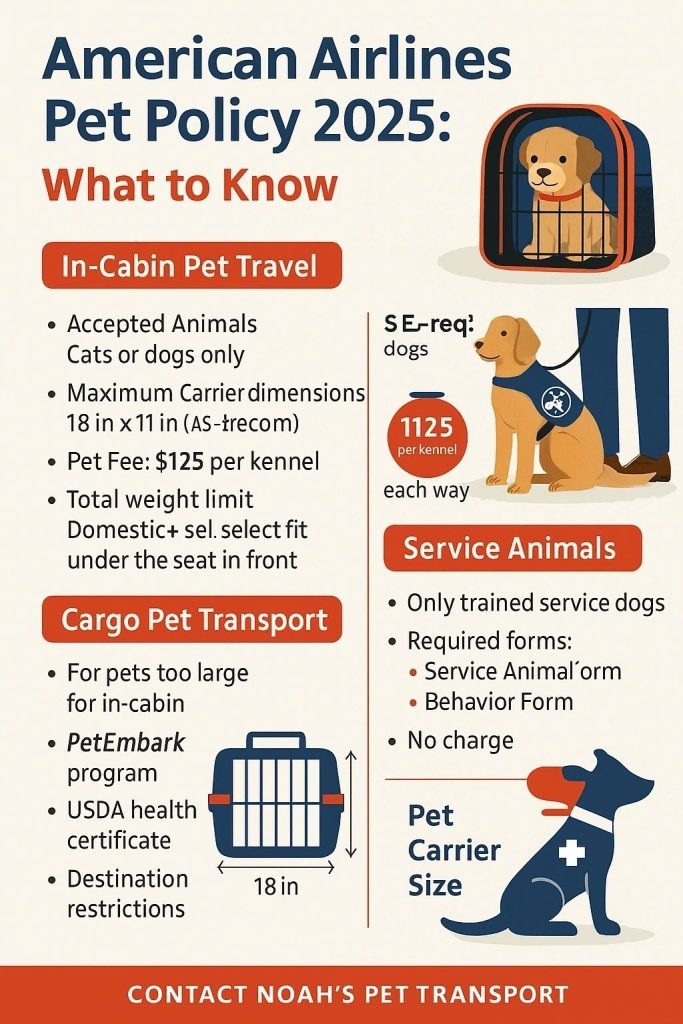
- American Airlinesrequires a health certificate for pets in the cabin on international flights and recommends one for domestic trips.
- Delta Air Linesinsists on a health certificate for all pets traveling internationally and may request it for some domestic flights.
- United Airlinesasks for a health certificate for international flights and strongly suggests it for domestic travel.
- Southwest Airlinesdoes not require a health certificate for cats in the cabin on domestic flights, but it’s good practice to have one.
Have you checked your airline’s pet travel policy recently? It changes often, so staying updated is key.
Popular European Airlines
European airlines tend to have strict health certificate rules, especially for pets crossing borders. Most require a certificate that confirms vaccination against rabies and other diseases.
- Lufthansademands a health certificate for all pets, including cats, traveling in the cabin, especially on international routes.
- British Airwaysrequires a valid health certificate and proof of vaccinations for cats on international flights.
- Air Franceasks for a recent health certificate and may require additional documents depending on the destination country.
It’s smart to contact the airline directly before booking to avoid surprises at the airport.
Asian Airlines
Asian carriers often require health certificates to control disease risks. The certificates typically need to be issued within a week before your flight.
- Japan Airlinesrequires a health certificate for cats traveling in the cabin, especially on international flights.
- Singapore Airlinesdemands a health certificate with proof of vaccinations and sometimes additional quarantine paperwork.
- Cathay Pacificasks for a health certificate and clear documentation of your cat’s health status.
Have you prepared all veterinary papers well in advance? Last-minute vet visits rarely end well when travel is imminent.
Other International Carriers
Many other international airlines have their own health certificate requirements, often influenced by the country’s import rules.
- Emirates Airlinesrequires a health certificate and vaccination records for cats traveling in the cabin on international flights.
- Qatar Airwaysasks for a health certificate issued within 7 days before departure.
- Air Canadamandates a health certificate for international travel and suggests one for domestic trips.
Don’t forget to check the entry requirements of your destination country as well. Sometimes, the airline’s rules align with local regulations, but other times they add extra steps.

Credit: www.goodshepherd-hs.org
Health Certificate Requirements
Many airlines ask for a health certificate for cats traveling in the cabin. This certificate shows the cat is healthy and fit to fly. Airlines want to keep pets safe and avoid spreading diseases. Each airline has its own rules about the certificate. Knowing these rules helps avoid travel problems.
Timing For Certificate Issuance
The health certificate must be issued close to your travel date. Most airlines require it within 10 days before the flight. Some may ask for a certificate dated within 5 days. Check the airline’s specific timing rules early. Late certificates might not be accepted at check-in.
Veterinary Details Needed
The certificate must include details from a licensed vet. It should confirm the cat is free from contagious diseases. Vaccination records, especially rabies shots, are often required. The vet must state the cat is healthy to travel. The certificate usually carries the vet’s signature and stamp.
Certificate Validity Period
Health certificates have a limited valid period. Most airlines accept certificates valid for 10 days after issuance. Some accept up to 30 days, depending on the destination. Always check the airline’s rules on validity. Using an expired certificate can cause denied boarding.
Booking And Documentation Tips
Booking your cat’s flight requires careful attention to health certificates and other documents. Airlines have strict rules about these papers. Preparing your paperwork early helps avoid last-minute problems. Knowing what to submit and when makes your trip smoother.
When To Submit Health Certificates
Submit the health certificate before booking or at check-in, depending on the airline. Some need it days before departure. Others accept it at the airport. Check the airline’s policy to avoid delays. Keep the certificate valid, usually within 10 days of travel.
Additional Paperwork
Besides the health certificate, some airlines ask for:
- Vaccination records
- Pet identification tags or microchip details
- Entry permits for certain countries
- Proof of flea and tick treatment
Gather all papers early to avoid missing anything important.
Handling Last-minute Travel
Last-minute trips can be tricky. Call the airline to confirm their rules. Some allow digital copies of health certificates. Others require printed versions. Keep your vet’s contact handy for quick health checks. Stay calm and organized to keep stress low for your cat.
Special Cases And Exceptions
Airlines often have specific rules about health certificates for cats flying in the cabin. However, there are special cases and exceptions that change these requirements. Understanding these nuances can save you time, money, and stress before your trip.
Service Cats
Service cats usually do not require a health certificate to fly in the cabin. Airlines recognize them as working animals trained to assist with disabilities. However, you must provide proper documentation proving your cat’s status as a service animal.
Some airlines ask for a letter from a licensed healthcare provider or proof of training. This can be easier than obtaining a full health certificate but varies by carrier. Always check with the airline beforehand to avoid surprises at the airport.
Emotional Support Animals
Rules for emotional support cats have changed recently. Many airlines no longer consider emotional support animals as service animals. This means emotional support cats often need a health certificate and additional paperwork.
You may have to show a recent health certificate from your vet, plus a letter from a mental health professional. The letter should state your need for the cat during travel. Since policies differ widely, double-check the airline’s current rules before booking.
International Travel Variations
Flying internationally with your cat adds more complexity to health certificate requirements. Each country sets its own rules for pet entry, including vaccinations and quarantine rules. Sometimes, multiple health certificates or official veterinary endorsements are necessary.
Some countries require certificates issued within a specific timeframe before travel, often within 10 days. Others ask for documents in a specific language or format. Planning ahead and contacting the destination’s embassy or a pet travel expert can help you avoid last-minute problems.
Preparing Your Cat For Travel
Preparing your cat for air travel requires careful planning and attention. Ensuring your cat’s health and comfort is key for a smooth journey. This preparation helps meet airline rules and keeps your pet safe.
Health Checkups
Schedule a vet visit before the flight. The vet checks your cat’s overall health and fitness to travel. Some airlines require a recent health certificate from a vet. This certificate shows your cat is free from illness and fit to fly.
Vaccinations
Confirm your cat’s vaccinations are current. Airlines often require proof of vaccinations, especially rabies shots. Keep a copy of vaccination records handy during travel. Vaccinations protect your cat and others from diseases.
Travel Safety Measures
Choose a comfortable, airline-approved carrier. The carrier should be well-ventilated and secure. Place familiar blankets or toys inside to reduce stress. Avoid feeding your cat right before the flight to prevent nausea. Plan bathroom breaks before and after the trip.

Credit: www.goodshepherd-hs.org

Credit: www.goodshepherd-hs.org
Frequently Asked Questions
Which Airlines Require Health Certificates For Cats In Cabin?
Many airlines, including Delta, United, and American Airlines, require a health certificate for cats in cabin. This certificate must be issued within 10 days of travel, confirming your cat is healthy and fit to fly. Always check the specific airline’s pet policy before booking.
How Recent Must A Cat’s Health Certificate Be?
Most airlines require a health certificate issued within 10 days before the flight. This ensures your cat’s health status is current and accurate. Always confirm with the airline as some may have stricter or different timelines for certificate validity.
What Information Is Included In A Cat’s Health Certificate?
The certificate usually includes the cat’s vaccination records, general health status, and confirmation of no contagious diseases. A licensed veterinarian must sign it, verifying the cat is fit for travel. Some airlines may also require proof of rabies vaccination.
Can I Get A Health Certificate For My Cat Online?
Some veterinarians offer online consultations and digital health certificates. However, airlines typically require a physical or officially stamped certificate from a licensed vet. Always verify the airline’s acceptance of digital certificates before your flight.
Conclusion
Many airlines ask for a health certificate for cats in cabin. This helps keep pets safe and healthy during flights. Rules can change, so check each airline’s policy before booking. A vet’s certificate usually shows your cat is fit to travel.
Preparing early avoids last-minute problems at the airport. Traveling with pets is easier with the right documents. Stay informed, stay ready, and your trip will go smoothly. Safe journeys for you and your furry friend!
