

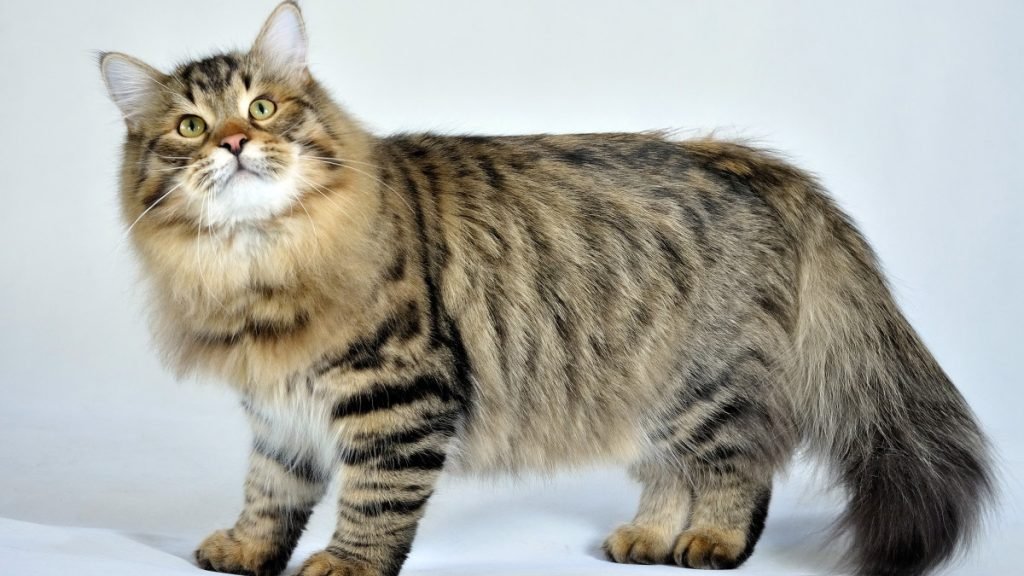
If you have a Siberian cat or are thinking about bringing one into your home, understanding their health is crucial. You want your furry friend to stay happy and strong for years to come.
But are you aware of the common health issues that could affect your Siberian cat? Knowing what to watch for can help you catch problems early and keep your cat feeling their best. Keep reading to discover the key health concerns for Siberian cats and learn how you can protect your beloved companion.
Common Health Problems
Understanding the common health problems faced by Siberian cats helps you provide the best care possible. These cats are generally robust, but they can still face specific issues that need your attention. Knowing the signs early can make a big difference in their quality of life.
Hypertrophic Cardiomyopathy
Hypertrophic cardiomyopathy (HCM) is a heart condition where the heart muscle thickens. It can reduce the heart’s efficiency and lead to serious complications. Watch for symptoms like difficulty breathing, lethargy, or sudden collapse.
Regular vet check-ups including heart scans can catch HCM early. If your Siberian shows any unusual tiredness or fainting spells, seek veterinary advice immediately. Early detection can help manage this condition effectively.
Allergies And Skin Issues
Siberians may develop allergies that show up as itchy skin, redness, or hair loss. These can be caused by food, fleas, or environmental factors. Identifying the trigger is key to calming your cat’s skin.
Try keeping a diary of what your cat eats and where they spend time to find patterns. Your vet might recommend allergy tests or special diets. Simple grooming routines also help keep their coat healthy and reduce irritation.
Obesity Concerns
Obesity is a common problem in Siberians, especially those who live indoors. Extra weight strains their joints and can lead to diabetes or heart issues. Watch your cat’s weight and adjust their diet and playtime accordingly.
Engage your cat with interactive toys or puzzle feeders to encourage movement. Measuring food portions helps prevent overeating. Have you noticed your cat becoming less active lately? It might be time to rethink their routine.
Dental Disease
Dental disease often goes unnoticed but can cause pain and affect your cat’s overall health. Look for bad breath, red gums, or difficulty eating. Regular teeth cleaning is important to prevent plaque build-up and gum disease.
Brushing your cat’s teeth can be challenging but start slowly with treats and positive reinforcement. Dental check-ups during vet visits allow for early treatment. A healthy mouth can improve your cat’s happiness and longevity.

Credit: www.thehappycatsite.com
Preventive Care
Keeping your Siberian cat healthy goes beyond feeding and grooming. Preventive care is key to catching potential health problems early and ensuring a long, happy life for your furry friend. Small actions you take today can prevent costly vet bills and heartache tomorrow.
Regular Vet Checkups
Scheduling routine vet visits is essential. These checkups help identify health issues before symptoms become obvious. Your vet can monitor weight, dental health, and overall condition, adjusting care as your cat ages.
Think about how subtle changes in your cat’s behavior might indicate hidden problems. Do you notice decreased playfulness or changes in appetite? Discuss these with your vet during visits to catch issues early.
Vaccination Schedule
Staying up-to-date on vaccinations protects your Siberian cat from serious diseases. Follow the vet’s recommended schedule, which usually starts with kitten shots and continues with regular boosters.
Missing vaccines can leave your cat vulnerable to infections like feline distemper or respiratory illnesses. Have you marked your calendar for your cat’s next shot? Setting reminders can help you never miss a dose.
Parasite Control
Parasites like fleas, ticks, and worms cause discomfort and can spread diseases. Use vet-approved treatments regularly to keep these pests away from your cat and your home.
Consider the environment your cat lives in. Outdoor Siberians may need more frequent parasite control than indoor cats. Are you aware of the best products for your cat’s lifestyle? Your vet can guide you to the safest options.
Nutrition Tips
Proper nutrition plays a huge role in keeping your Siberian cat healthy and happy. Feeding your cat the right foods supports their immune system, maintains their thick coat, and helps avoid common health problems. Let’s look at some key nutrition tips that make a real difference.
Balanced Diet Essentials
A balanced diet for your Siberian cat should include high-quality protein, fats, and essential vitamins. Cats are obligate carnivores, so meat must be the main part of their meals. Chicken, turkey, and fish provide vital amino acids that support muscle strength and energy.
Don’t forget about healthy fats like omega-3 and omega-6. These help keep your cat’s skin and fur in top condition. You can find these in fish oils and certain animal fats.
Adding a small amount of fiber from pumpkin or specially formulated cat food helps digestion. Have you noticed if your cat’s stool is healthy and regular? That’s a good sign their diet is working well.
Hydration Importance
Hydration is often overlooked but is crucial for your Siberian’s kidney and urinary tract health. Cats naturally drink less water than dogs, so encourage fluid intake by offering fresh water daily.
Try adding wet cat food to their diet. It contains up to 80% water, which boosts overall hydration. Your cat may even prefer this over dry kibble, especially if they’re picky about drinking water.
If your cat isn’t drinking enough, you could also try water fountains designed for pets. The running water often entices cats to drink more, which helps prevent urinary issues.
Avoiding Harmful Foods
Some foods that seem harmless to you can be dangerous to your Siberian cat. Avoid giving them chocolate, onions, garlic, grapes, and raisins—they can cause serious health problems.
Also, stay away from dairy products. Many cats are lactose intolerant and feeding milk can upset their stomach. Instead, stick to cat-safe treats and snacks.
Have you ever wondered what snacks are safe? Look for treats labeled specifically for cats, and always read the ingredients list to avoid harmful additives.
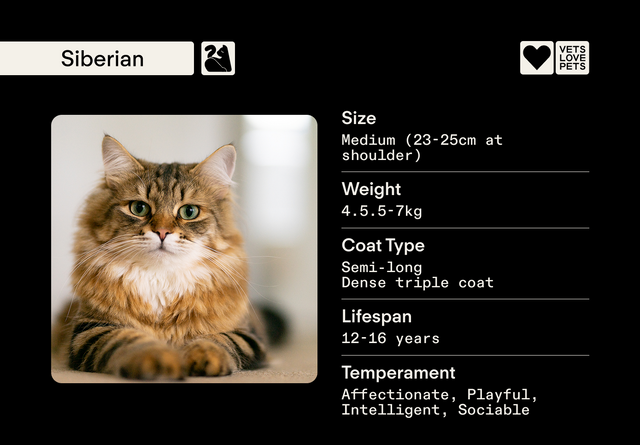
Credit: vetslovepets.com.au
Grooming Practices
Proper grooming keeps Siberian cats healthy and happy. Their thick, dense coat needs regular care to avoid mats and tangles. Grooming also helps spot skin issues early. Clean nails and ears prevent infections and discomfort. This section covers essential grooming practices for Siberian cats.
Coat Maintenance
Siberian cats have a triple-layered coat that sheds seasonally. Brush their fur at least twice a week. Use a wide-tooth comb to gently remove loose hair and prevent knots. Pay special attention to areas behind the ears and under the legs. Bathing is rarely needed but can help during heavy shedding. Always use cat-safe shampoos.
Nail Trimming
Trim your Siberian’s nails every two to three weeks. Use sharp, pet-specific nail clippers. Avoid cutting too close to the pink quick to prevent bleeding. Regular nail trimming stops scratching damage to furniture and skin. If your cat dislikes nail care, try wrapping them in a towel for safety and calmness.
Ear Cleaning
Check ears weekly for dirt, wax, or signs of infection. Use a soft cloth or cotton ball dampened with a vet-approved ear cleaner. Avoid inserting anything deep into the ear canal. Clean only the outer part of the ear gently. Healthy ears should smell fresh and look clean without redness or discharge.
Exercise And Mental Health
Exercise plays a crucial role in maintaining your Siberian cat’s mental health. These cats are naturally energetic and curious, so regular physical activity helps keep their minds sharp and emotions balanced. Without enough stimulation, they can become bored or stressed, which may lead to unwanted behaviors.
Activity Ideas
Keeping your Siberian cat active doesn’t have to be complicated. You can start with simple toys like feather wands or laser pointers that encourage chasing and jumping.
- Set up climbing shelves or cat trees to satisfy their love for heights and exploration.
- Introduce puzzle feeders to challenge their problem-solving skills while feeding.
- Rotate toys regularly to maintain their interest and prevent boredom.
Have you noticed how your cat reacts to different toys? Pay attention to what excites them the most and build on that.
Stress Reduction Techniques
Stress can seriously affect your Siberian cat’s health. Creating a calm environment helps reduce anxiety and keeps their immune system strong.
- Provide quiet, cozy spots where your cat can retreat and feel safe.
- Use pheromone diffusers designed for cats to create a soothing atmosphere.
- Maintain a consistent daily routine; cats thrive on predictability.
Have you tried gentle play sessions before bedtime? It often helps your cat wind down and sleep better.
Recognizing Warning Signs
Recognizing warning signs in a Siberian cat is vital for early health care. Cats often hide pain or illness. Owners must watch closely for subtle changes. Early detection helps prevent serious health problems.
Behavioral Changes
Behavior shifts can signal health issues. A usually active Siberian cat may become quiet or withdrawn. Loss of appetite is a common sign. Watch for unusual aggression or irritability. Increased hiding or reluctance to play also matters.
- Less interest in food or water
- Reduced grooming or over-grooming
- Changes in sleeping patterns
- Unusual vocalization or silence
- Difficulty jumping or moving
Physical Symptoms
Physical signs often show on the skin, eyes, or body. Check for lumps or swelling. Red or watery eyes may indicate infection. Notice any limping or stiffness. Weight loss or gain without reason is a warning.
- Coat losing shine or becoming patchy
- Bad breath or drooling
- Vomiting or diarrhea
- Persistent coughing or sneezing
- Discharge from nose or eyes

Credit: www.yahoo.com
Frequently Asked Questions
What Are Common Health Issues In Siberian Cats?
Siberian cats commonly face hypertrophic cardiomyopathy, allergies, and hip dysplasia. Regular vet checks help detect these early and maintain health.
How To Prevent Siberian Cat Heart Diseases?
Feed a balanced diet and schedule regular veterinary heart screenings. Early diagnosis of heart issues improves treatment success and cat longevity.
Are Siberian Cats Prone To Allergies?
Yes, Siberians can develop food or environmental allergies. Monitor symptoms like itching or sneezing and consult a vet for proper diagnosis and care.
What Signs Indicate Hip Dysplasia In Siberian Cats?
Watch for limping, stiffness, or difficulty jumping. Hip dysplasia requires veterinary evaluation and may need medical or surgical intervention for relief.
Conclusion
Siberian cats are generally healthy but can face some issues. Regular check-ups help catch problems early. Watch for signs like changes in appetite or behavior. Good care and a proper diet support their well-being. Staying informed helps you keep your cat happy and safe.
Every pet deserves attention and love to thrive. Keep your Siberian cat healthy with simple, consistent steps. Small efforts make a big difference in their life.
