

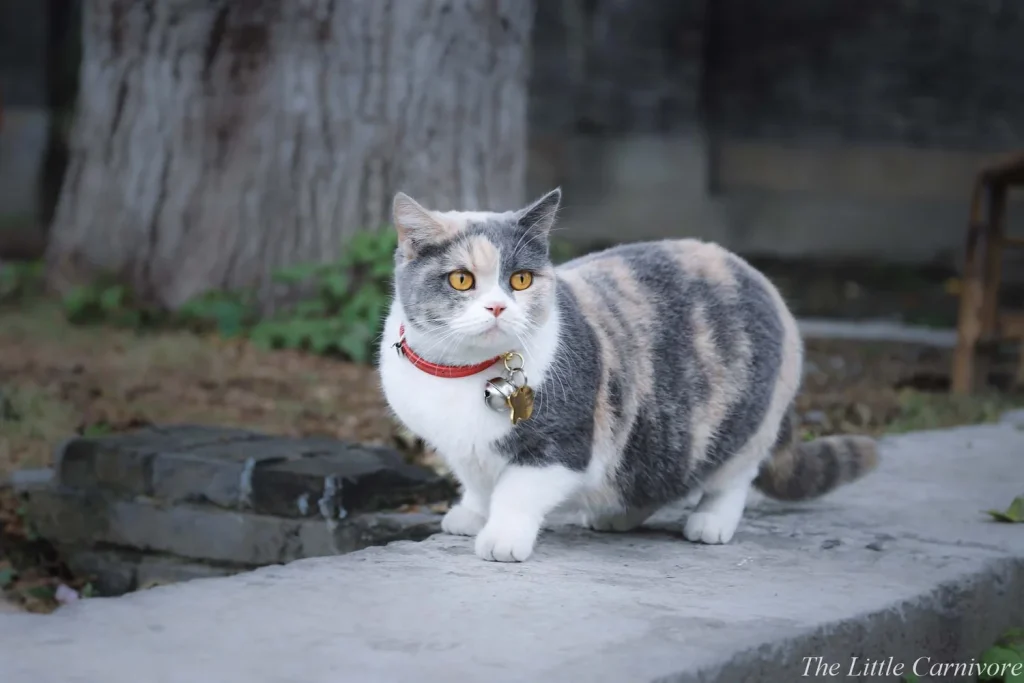
If you have a Munchkin cat or are thinking about getting one, it’s important to know the health risks that come with this unique breed. These adorable cats with short legs steal hearts easily, but their special body structure can lead to some serious health problems.
Understanding these risks will help you keep your furry friend happy and healthy for years. Keep reading to discover what you need to watch out for and how to give your Munchkin the best care possible. Your cat’s well-being depends on it!
Common Health Issues
Munchkin cats are famous for their short legs and playful nature. Their unique body shape brings some health concerns. Knowing common issues helps keep these cats happy and healthy.
Some health problems are typical in Munchkin cats due to their genetics and build. Owners should watch for signs and get regular vet checkups.
Spinal Problems
Spinal issues occur often in Munchkin cats. Their short legs put pressure on the spine. This can cause pain and limited movement.
Some cats may develop lordosis or scoliosis. These conditions change the spine’s shape. They may need medical care to avoid worsening problems.
Joint And Mobility Concerns
Joint problems affect many Munchkins. Their short limbs can strain joints like hips and knees. This strain leads to arthritis or stiffness.
Mobility may decrease over time. Cats might show difficulty jumping or walking. Early treatment helps manage pain and maintain activity.
Obesity Risks
Obesity is a common risk for Munchkin cats. Their small legs and body need fewer calories. Overfeeding or lack of exercise causes weight gain.
Extra weight stresses joints and worsens spinal issues. A balanced diet and regular playtime keep weight in check. Healthy weight supports overall well-being.

Credit: www.fidobiotics.com
Genetic Factors
Genetic factors play a key role in the health of Munchkin cats. Their short legs result from a genetic mutation, which can also cause other health issues. Understanding these factors helps owners care better for their pets.
Inherited Disorders
Munchkin cats may inherit disorders linked to their gene mutation. One common problem is spinal issues caused by abnormal bone growth. This can lead to pain or difficulty moving. Some cats also face joint problems, which affect their daily activities.
Genetic screening helps identify these risks early. Regular vet check-ups are important for early detection and treatment. Knowing family history can guide better health decisions.
Breeding Considerations
Breeding Munchkin cats requires caution. Breeders should avoid mating two cats with the gene mutation. This reduces the chance of severe health problems in kittens. Responsible breeding focuses on healthy traits and reduces inherited risks.
Selective breeding aims to keep the breed healthy and strong. It involves careful genetic testing and monitoring. Ethical breeders work to minimize genetic disorders and improve the breed’s quality of life.
Preventive Care
Preventive care plays a key role in keeping your Munchkin cat healthy. This breed has unique health needs due to its short legs and body structure. Careful attention helps avoid common problems and keeps your cat happy and active.
Regular Vet Visits
Schedule vet visits at least twice a year. Regular check-ups help spot health issues early. The vet can monitor your cat’s weight and joint health. Vaccinations and dental care are also important parts of these visits. Early detection improves treatment success.
Proper Nutrition
Feed your Munchkin a balanced diet rich in proteins and nutrients. Avoid overfeeding to prevent obesity, which stresses joints. Choose high-quality cat food designed for small or short-legged breeds. Fresh water should always be available. Proper nutrition supports strong bones and muscles.
Exercise Needs
Munchkin cats need moderate exercise to stay fit. Provide toys and safe spaces to encourage movement. Short legs do not mean low activity, but avoid strenuous jumping. Gentle play helps maintain muscle tone and joint flexibility. Regular exercise prevents weight gain and boredom.

Credit: www.yahoo.com
Warning Signs To Watch
Watching for warning signs in your Munchkin cat helps catch health problems early. These cats have unique body shapes that may hide common issues. Noticing changes in behavior or physical health can save your pet from serious complications. Understanding these signs ensures timely care and better health outcomes.
Behavioral Changes
- Less active than usual or reluctance to move
- Hiding or avoiding interaction with family members
- Increased irritability or unusual aggression
- Loss of appetite or refusal to eat
- Excessive grooming or licking one area
- Sudden changes in sleeping patterns
Physical Symptoms
- Difficulty jumping or climbing stairs
- Noticeable limping or stiffness
- Swelling or lumps on limbs or body
- Labored breathing or coughing
- Changes in fur texture or bald patches
- Frequent vomiting or diarrhea
Living With A Munchkin Cat
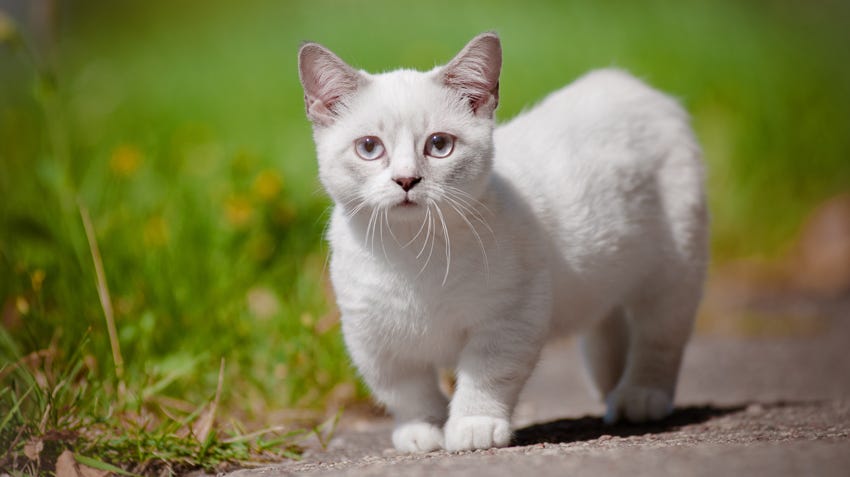
Living with a Munchkin cat brings joy and unique challenges. These adorable cats have short legs that make them stand out, but their size means you need to be extra mindful about their health and safety. Understanding their needs helps you create a happy home where your Munchkin can thrive.
Creating A Safe Environment
Your Munchkin’s short legs can limit their jumping and climbing abilities. This means they might struggle with heights that other cats navigate easily. Make sure you provide low-level resting spots and avoid high shelves where a fall could cause injury.
Consider adding ramps or stairs to help your cat reach favorite spots without jumping. Soft bedding and padded areas around play zones reduce impact from accidental slips. Do you have sharp-edged furniture? Adding corner protectors can prevent injuries during their playful moments.
Watch out for slippery floors that can make your Munchkin lose balance. Rugs and mats offer better traction and keep them steady on their feet. Creating a calm and obstacle-free space encourages safe exploration and play.
Managing Health Challenges
Munchkin cats can face specific health issues like spinal problems due to their unique body structure. Early signs of discomfort might be subtle, like reluctance to move or changes in posture. Regular vet checkups help catch these issues before they worsen.
Keep an eye on their weight. Extra pounds add stress to their legs and back, increasing the risk of arthritis. Feeding a balanced diet and encouraging gentle exercise supports healthy joints and muscles.
Providing scratching posts and interactive toys helps maintain muscle tone and flexibility. Have you noticed your cat avoiding play or grooming? These can be signs of pain that need veterinary attention.
Managing these challenges involves patience and adaptation. You might find that your Munchkin prefers shorter play sessions or needs more rest. Listening to your cat’s cues and adjusting routines keeps them comfortable and happy.
Credit: medium.com
Frequently Asked Questions
What Common Health Issues Affect Munchkin Cats?
Munchkin cats often face spinal problems due to their short legs. Arthritis and lordosis are common. Regular vet checkups help early detection and management.
Are Munchkin Cats Prone To Genetic Disorders?
Yes, Munchkin cats can inherit genetic conditions like osteochondrodysplasia. This affects bone growth and mobility. Responsible breeding reduces these risks significantly.
How Can I Prevent Health Risks In Munchkin Cats?
Provide a balanced diet and regular exercise. Avoid overfeeding to prevent obesity. Routine veterinary care and monitoring mobility are essential for health.
Do Munchkin Cats Require Special Veterinary Care?
Yes, vets monitor joint health and spinal conditions closely. Early intervention can prevent severe complications. Regular checkups are crucial for their well-being.
Conclusion
Munchkin cats bring joy with their unique look and playful nature. Yet, they face health risks that deserve attention. Spinal problems and joint issues are common in this breed. Regular vet visits help catch problems early. Proper care and diet support their well-being.
Understanding these risks makes you a better pet owner. Keep your munchkin active but safe. Love and care go a long way. Healthy cats live happy, full lives. Always watch for signs of discomfort or pain. Your attention makes all the difference.
