


If you’re a cat owner, you know how important it is to keep your furry friend happy and healthy. But have you ever stopped to think about your cat’s urinary health?
Problems in this area can cause serious discomfort and even lead to costly vet visits. The good news is, with the right knowledge, you can spot the signs early and take simple steps to protect your cat’s well-being. Keep reading to discover what you need to know to keep your cat’s urinary system working smoothly—and avoid common pitfalls that many pet owners miss.
Your cat will thank you!
Common Urinary Issues In Cats
Urinary health is a vital aspect of your cat’s overall well-being. Common urinary issues can cause discomfort and serious complications if left untreated. Recognizing the signs and understanding the causes can help you act quickly and keep your cat healthy.
Symptoms To Watch For
Does your cat suddenly spend more time in the litter box or seem to strain while urinating? These behaviors might signal urinary problems.
- Frequent urination or attempts with little output
- Blood in the urine
- Excessive licking of the genital area
- Signs of pain or vocalizing during urination
- Accidents outside the litter box
Pay attention if your cat seems lethargic or loses appetite alongside these signs. Early detection can prevent more severe issues.
Causes And Risk Factors
What triggers these urinary issues in cats? Several factors can increase their risk.
- Dehydration:Cats naturally drink less water, which can concentrate their urine and cause crystals.
- Diet:Poor nutrition or diets high in magnesium can contribute to urinary problems.
- Obesity:Overweight cats may have a higher chance of urinary tract disease.
- Stress:Changes in environment or routine can trigger urinary issues, especially in indoor cats.
- Age and Gender:Male cats are more prone to blockages, and older cats often face increased risk.
Have you noticed any changes in your cat’s habits after switching foods or moving homes? These insights could help identify the root cause.
Diet And Hydration
Maintaining good diet and hydration is key for cat urinary health. A proper diet supports bladder function and reduces risks of urinary issues. Water intake helps flush toxins and keeps the urinary tract clean. Both diet and water work together to protect your cat’s urinary system.
Choosing The Right Food
Pick foods that support urinary health. Wet food is a great choice. It contains more moisture than dry food. This helps keep cats hydrated naturally. Foods low in magnesium, phosphorus, and calcium help prevent urinary crystals. Look for formulas designed for urinary care. Avoid foods with artificial additives and fillers. These can irritate the bladder. Balanced protein levels are also important. Too much protein can harm kidneys and urinary tract. Consult your vet for the best diet plan.
Encouraging Water Intake
Cats often drink less water than needed. Increase their water intake to support urinary health. Use multiple water bowls around the house. Fresh water should be available at all times. Some cats prefer running water. Consider a cat water fountain. Add water or broth to wet food. Ice cubes in water bowls can attract cats. Monitor water drinking habits closely. More water means better urine flow and fewer urinary problems.
Litter Box Management
Litter box management plays a key role in maintaining your cat’s urinary health. A clean and well-chosen litter box encourages proper bathroom habits. This reduces the risk of urinary tract infections and other related problems. Paying attention to the litter box setup helps your cat feel safe and comfortable.
Maintaining Cleanliness
Cleanliness is essential for a healthy litter box. Scoop waste daily to prevent odors and bacteria buildup. Wash the box with mild soap and warm water once a week. Avoid strong-smelling cleaners that may deter your cat. Replace the litter completely during cleaning. A clean litter box reduces stress and encourages regular use.
Choosing The Best Litter
Selecting the right litter affects your cat’s comfort and health. Look for clumping litter for easy cleaning. Unscented litter is better for sensitive noses. Avoid dusty litters that can irritate your cat’s urinary tract. Test different types to find what your cat prefers. The best litter keeps the area dry and controls odors well.
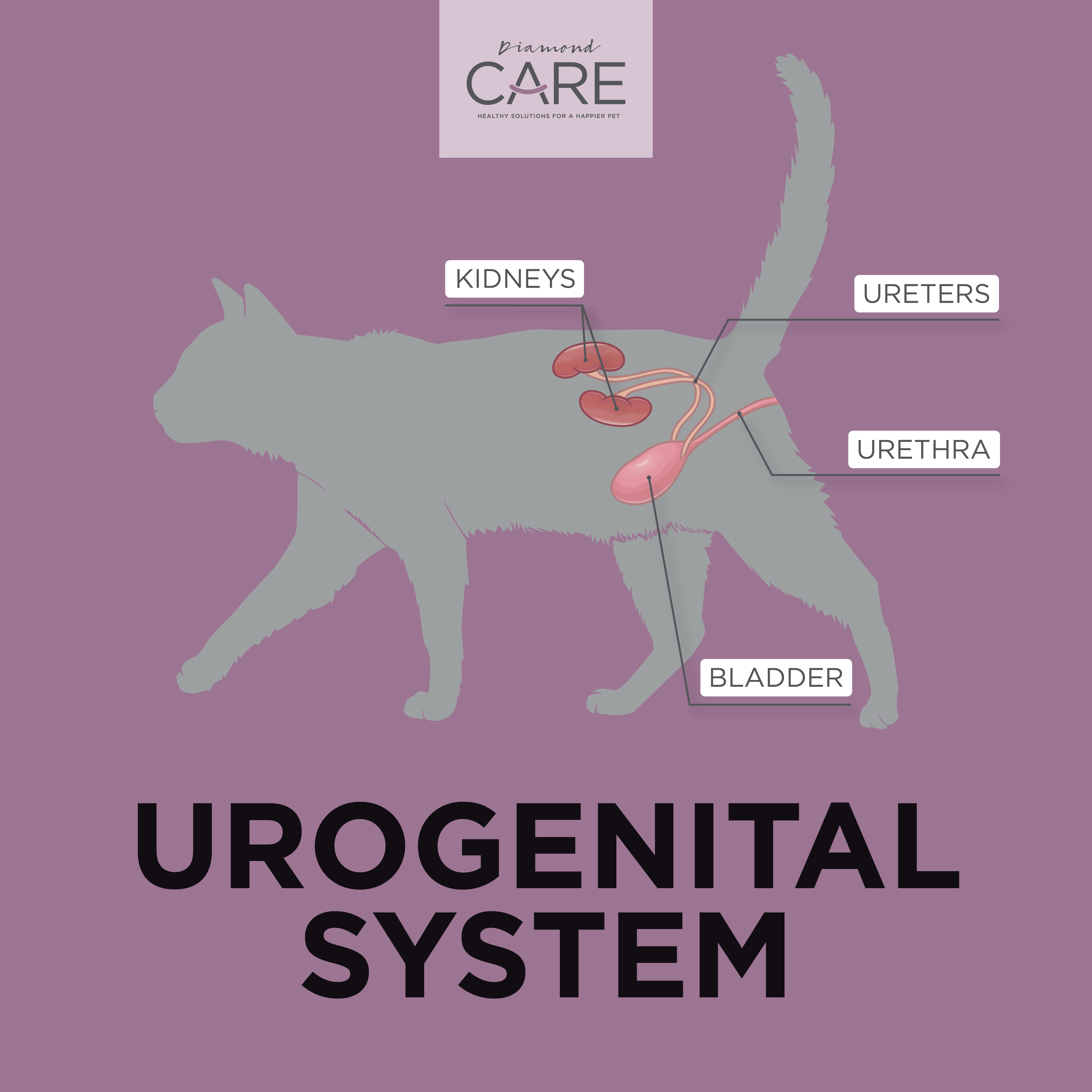
Credit: www.diamondpet.com
Environmental Factors
Environmental factors play a big role in your cat’s urinary health. The space they live in and the stress they experience can directly affect their bladder and urinary tract. Paying attention to these details can help prevent issues and keep your cat comfortable.
Reducing Stress
Stress can cause your cat’s urinary system to become irritated. Changes like loud noises, new pets, or even moving furniture might seem small to you but can upset your cat. Have you noticed your cat hiding more or avoiding the litter box after a stressful event?
Creating a calm environment helps. Try playing soft music or using pheromone diffusers designed for cats. Also, spend quiet time with your cat to help them feel safe and secure.
Providing Adequate Space
Cats need enough room to roam and explore without feeling trapped. Crowded spaces or multiple cats sharing a small area can increase competition and stress. How much space does your cat have to move freely in your home?
Make sure there are several litter boxes in different locations, especially if you have more than one cat. Also, provide vertical spaces like shelves or cat trees where your cat can relax away from others. These small changes can reduce tension and support urinary health.
Regular Veterinary Care
Regular veterinary care is essential to keep your cat’s urinary system healthy. Frequent visits help maintain overall well-being and catch problems early. This care supports prevention and quick treatment of urinary issues. It also gives your vet a chance to monitor your cat’s health closely.
Routine Checkups
Routine checkups allow vets to assess your cat’s urinary health. These visits include a physical exam and urine tests. Tests can detect crystals, infections, or blockages. Early signs of problems often show before symptoms appear. Regular exams keep your cat comfortable and reduce risks.
Early Detection And Treatment
Early detection of urinary problems improves treatment success. Vets can prescribe medication or dietary changes quickly. This stops issues from becoming severe or painful. Timely care lowers the chance of emergency visits. Acting fast means a better quality of life for your cat.

Credit: www.petsmart.ca
Supplemental Support
Supporting your cat’s urinary health with supplements can make a noticeable difference in their comfort and well-being. These additions to your cat’s diet often provide essential nutrients that might be missing or help manage specific urinary issues. Choosing the right supplements can be a game-changer, but understanding when and how to use them is key.
Natural Remedies
Natural remedies often come from ingredients you might already recognize. Cranberry extract is popular because it helps prevent bacteria from sticking to the bladder walls, reducing infection risk. Omega-3 fatty acids, found in fish oil, can ease inflammation and support overall urinary tract health.
Adding marshmallow root or slippery elm powder to your cat’s food can soothe irritated urinary tissues. These remedies have been used traditionally and are gentle, but it’s important to check with your vet before starting any new supplement. Not every natural product suits every cat, especially if your cat has other health issues.
When To Use Supplements
Supplements should complement, not replace, veterinary care. If your cat shows signs of discomfort when urinating, frequent urination, or blood in the urine, it’s time to consult your vet before adding supplements. Using supplements too early or without guidance might mask serious problems.
Supplements work best as part of a broader plan for cats prone to urinary problems. You might notice improvements after consistent use, but don’t expect overnight miracles. Patience and observation are important—ask yourself, has your cat’s behavior or symptoms improved over weeks of supplementation?
Have you tried supplements for your cat’s urinary health? What changes did you notice? Your experience can help others decide when and how to support their feline friends.

Credit: www.renspets.com
Frequently Asked Questions
What Are Common Signs Of Cat Urinary Problems?
Common signs include frequent urination, straining, blood in urine, and urinating outside the litter box. Cats may also show pain or discomfort while urinating. Early detection helps prevent serious health issues.
How Can I Prevent Urinary Issues In Cats?
Provide fresh water daily and a balanced diet. Maintain a clean litter box and encourage regular exercise. Stress reduction and routine vet check-ups also help prevent urinary problems.
What Causes Urinary Tract Infections In Cats?
Urinary tract infections in cats often result from bacteria entering the urinary system. Other causes include bladder stones, stress, and poor hydration. Prompt treatment is essential to avoid complications.
When Should I Take My Cat To The Vet For Urinary Issues?
Visit a vet if your cat shows difficulty urinating, frequent attempts, blood in urine, or sudden behavior changes. Early intervention prevents severe complications and ensures proper treatment.
Conclusion
Taking care of your cat’s urinary health protects their happiness. Watch for signs like frequent urination or discomfort. Provide fresh water and a balanced diet every day. Regular vet visits catch problems early and keep cats healthy. Clean litter boxes encourage good bathroom habits.
Small steps make a big difference in your cat’s life. Healthy cats are happy cats. Keep their urinary health a top priority.
