

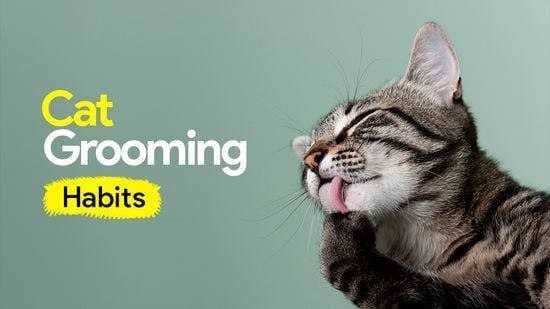
Have you ever noticed your cat spending a lot of time licking and cleaning itself? You might wonder, how much time does a cat actually spend grooming each day?
Understanding this can help you learn more about your furry friend’s habits and health. You’ll discover surprising facts about your cat’s grooming routine and why it matters to their well-being. Keep reading to find out what your cat’s grooming time says about them—and how you can support their natural care habits.
Credit: www.latimes.com
Daily Grooming Routine
Cats spend a good part of their day grooming. This daily routine helps keep their fur clean and shiny. Grooming also controls body temperature and reduces stress. It’s a natural habit seen in all cats, from kittens to adults.
Understanding a cat’s grooming habits gives insight into their health and mood. Watching how long and often cats groom can show if something feels off.
Average Time Spent Grooming
On average, cats spend between 30 minutes and 50 minutes grooming each day. Some cats may groom more, others less. The time includes licking their fur, cleaning paws, and rubbing their face. Cats break grooming into short sessions throughout the day, not all at once.
Short grooming sessions happen after waking, before sleeping, and after meals. This helps them stay clean and comfortable all day long.
Factors Influencing Grooming Duration
- Age:Kittens and young cats groom less than adults.
- Health:Illness or pain can reduce grooming time.
- Coat Type:Long-haired cats spend more time grooming.
- Stress Levels:Stressed cats may groom excessively or less.
- Environment:Dirty or dusty areas increase grooming needs.
- Breed:Some breeds naturally groom more than others.
Each factor changes the grooming routine slightly. Knowing these helps spot changes in your cat’s behavior fast.
Purpose Behind Grooming
Cats spend a lot of time grooming themselves. This behavior serves many important purposes. Grooming is not just about looking good. It helps cats stay healthy and feel comfortable. Understanding why cats groom helps us care for them better.
Hygiene And Cleanliness
Grooming keeps a cat’s fur clean and free from dirt. It removes loose hair and prevents mats. Cats also clean their paws and face by licking. This habit reduces the risk of infections and skin problems. Clean fur helps cats avoid parasites like fleas and ticks.
Temperature Regulation
Grooming helps cats control their body temperature. When cats lick their fur, saliva spreads over the skin. The saliva cools down the cat as it evaporates. This is very useful on hot days. Grooming also fluffs the fur, trapping air to keep cats warm in cold weather.
Stress Relief And Comfort
Grooming calms cats and reduces stress. The repetitive licking motion soothes their nerves. Cats often groom when they feel nervous or scared. It can also help them relax before sleep. Grooming releases endorphins, which make cats feel happy and safe.
Grooming Variations By Breed
Cat grooming habits differ greatly depending on their breed. Fur length, skin type, and natural oils affect how often cats clean themselves. Understanding these variations helps pet owners care better for their feline friends.
Each breed has unique grooming needs and habits. Some cats spend more time grooming due to their coat type or skin condition. Others may require less frequent cleaning because of their natural traits.
Short-haired Cats
Short-haired cats groom themselves quickly. Their fur is easy to clean and dries fast. They spend about 10-15% of their day grooming. These cats rarely need extra brushing from owners. Grooming mainly removes loose hairs and dirt.
Long-haired Cats
Long-haired cats spend much more time grooming. Their thick fur can get tangled and dirty easily. These cats often spend 20-30% of their day cleaning. They need regular brushing to avoid mats and hairballs. Grooming helps keep their coat shiny and healthy.
Hairless Breeds
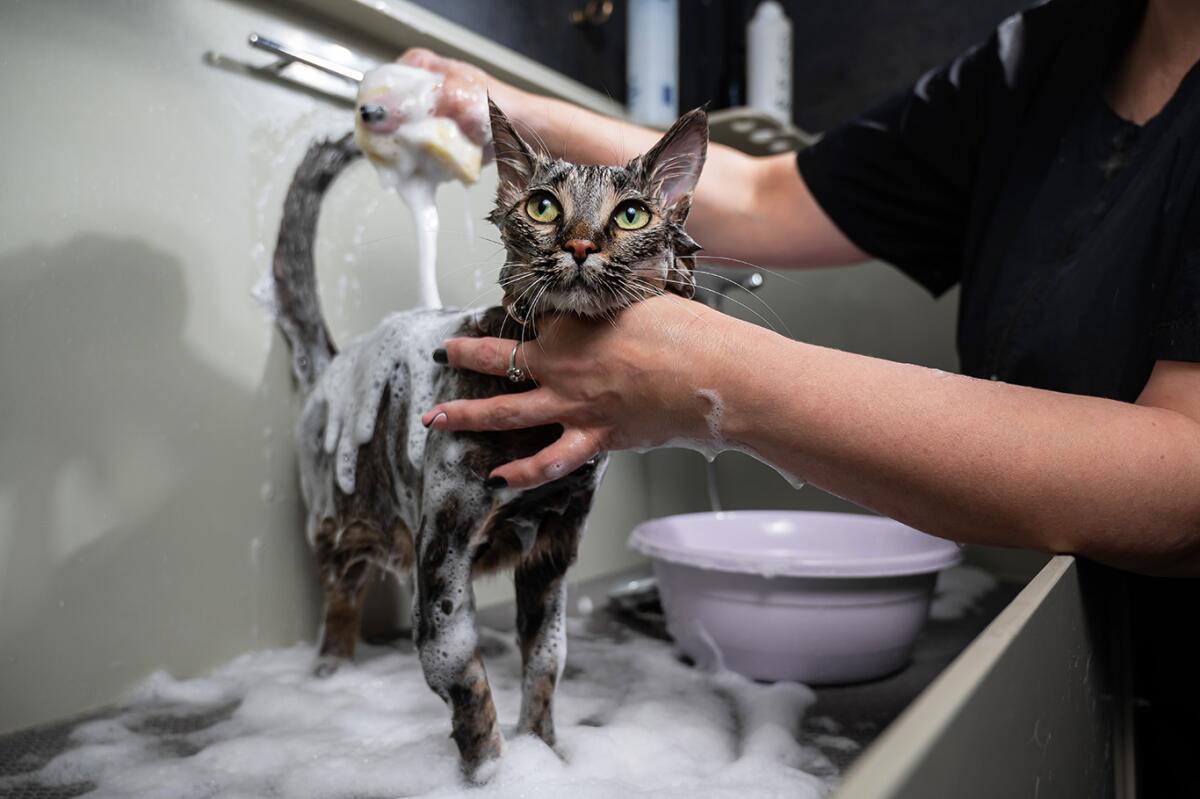
Hairless breeds like the Sphynx have unique grooming habits. They do not have fur to clean but still need skin care. These cats spend less time grooming themselves. Owners must bathe them regularly to remove oils and dirt. Skin health is very important for these breeds.

Credit: www.latimes.com
Age And Grooming Habits
Age plays a big role in how much time a cat spends grooming. Different life stages bring changes in grooming habits. Cats adapt their grooming based on their energy, health, and needs.
Young cats are still learning, adults are in their prime, and seniors may slow down. Understanding these changes helps pet owners care better for their cats.
Kittens And Grooming
Kittens start grooming themselves around three weeks old. At first, their grooming is clumsy and slow. They learn by watching their mother and other cats.
Kittens spend less time grooming than adults. They focus more on play and sleep. Grooming helps them stay clean and healthy as they grow.
Adult Cats
Adult cats are the best groomers. They spend about 30% to 50% of their day grooming. This keeps their coat clean and skin healthy.
Grooming also helps adult cats relax and reduce stress. They use their tongues to remove dirt and loose hair. Regular grooming prevents mats and skin problems.
Senior Cats
Senior cats may groom less than younger cats. Joint pain or health issues can make grooming hard. Their coat may look less shiny and clean.
Older cats need more help from their owners. Brushing them gently can keep their fur healthy. Watch for signs of grooming problems or skin issues.
Impact Of Health On Grooming
The health of your cat plays a crucial role in how much time it spends grooming. A healthy cat usually maintains a consistent grooming routine, which keeps its coat clean and skin healthy. However, any underlying health issues can disrupt this routine and may cause changes in grooming habits that you should watch closely.
Common Grooming Issues
Several health problems can affect your cat’s grooming behavior. Skin infections, allergies, and parasites like fleas can cause discomfort, making grooming difficult or painful. Arthritis or dental problems might reduce your cat’s ability or willingness to groom itself properly.
Have you noticed your cat licking one spot excessively or avoiding grooming altogether? These can be signs of a problem beneath the surface. Ignoring these issues might lead to matted fur, skin irritation, or even infections.
Signs Of Grooming Problems
Watch for these signs that suggest your cat may be struggling with grooming:
- Patchy or uneven fur
- Excessive shedding
- Dry, flaky skin or redness
- Strong odor from the coat
- Visible wounds or scabs from over-grooming
- Hairballs increasing in frequency
If your cat suddenly stops grooming or seems to groom much more than usual, these could be important clues. Sometimes, a cat will hide its grooming problems well, so subtle changes are worth noting.
When To Consult A Vet
If you spot any of these signs, it’s time to get professional advice. Don’t wait for the situation to worsen. Your vet can help identify health issues that affect grooming and recommend treatments or dietary changes.
Early intervention can prevent discomfort and more serious conditions. Remember, your cat depends on you to notice these changes. How often do you check your cat’s coat and skin during grooming sessions?
Credit: www.latimes.com
Owner’s Role In Cat Grooming
Cats spend a significant part of their day grooming themselves. Owners play a key role in supporting this natural behavior. Grooming helps cats stay clean and healthy. Owners can assist in ways that make grooming easier and more effective.
Assisting With Grooming
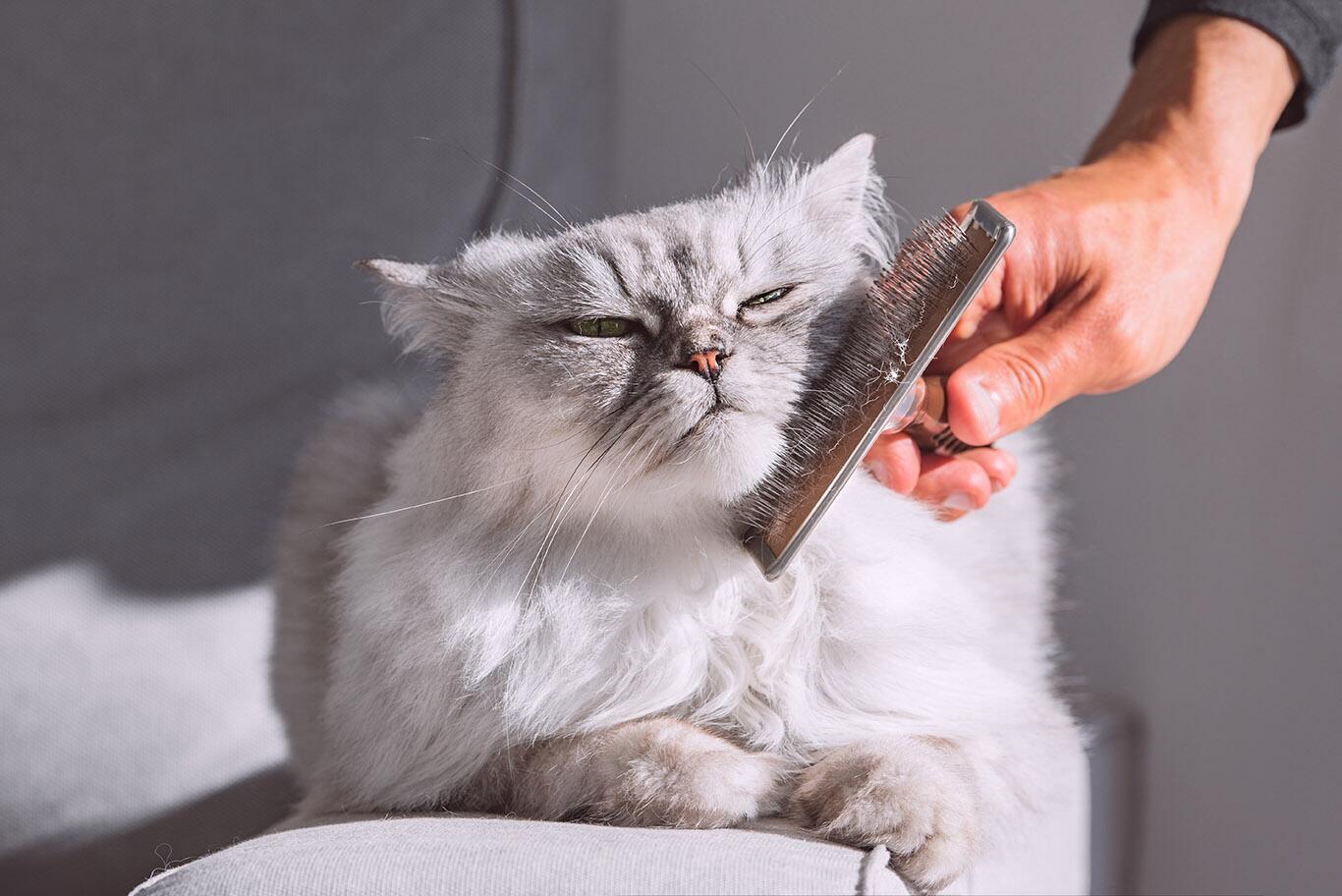
Some cats need help with grooming. Older or sick cats may struggle to clean themselves. Owners can gently brush their fur to remove dirt and loose hair. Regular brushing prevents mats and reduces shedding. It also helps owners spot skin problems early.
Tools And Techniques
Choosing the right grooming tools makes a big difference. Soft brushes work well for short-haired cats. Wide-toothed combs help detangle long fur. Use gentle strokes in the direction of hair growth. Avoid pulling or tugging to keep cats calm. Nail clippers designed for cats keep claws tidy and safe.
Encouraging Grooming Behavior
Creating a calm environment encourages grooming. Quiet spaces help cats relax and focus. Reward cats with treats or praise during grooming sessions. Regular routines build trust and comfort. Watching a cat’s body language shows when they want a break. Positive experiences make grooming a pleasant habit.
Frequently Asked Questions
How Many Hours Do Cats Spend Grooming Daily?
Cats spend about 30 to 50 minutes grooming themselves each day. This helps them stay clean, regulate body temperature, and reduce stress. Grooming is a vital part of their routine for maintaining healthy fur and skin.
Why Do Cats Groom Themselves So Often?
Cats groom to clean their fur, remove loose hair, and control parasites. Grooming also helps distribute natural oils, keeping their coat shiny and healthy. It serves as a calming activity that reduces anxiety and strengthens their bond with other cats.
Does Grooming Time Vary By Cat Breed?
Yes, grooming time varies by breed. Long-haired cats, like Persians, spend more time grooming than short-haired breeds. Hair length, coat type, and individual habits influence how much time a cat dedicates to grooming daily.
Can Excessive Grooming Indicate Health Issues?
Excessive grooming can signal stress, allergies, or skin infections. If a cat grooms too much, it may cause bald spots or sores. Consulting a vet is important to rule out medical or behavioral problems promptly.
Conclusion
Cats spend a good part of their day grooming themselves. This helps keep their fur clean and healthy. Grooming also relaxes cats and helps them feel safe. Each cat spends a different amount of time grooming. Some cats groom more if they feel stressed or unwell.
Watching a cat groom can show you how much they care for themselves. Remember, grooming is a natural and important habit for cats. It keeps them happy and comfortable every day.
