

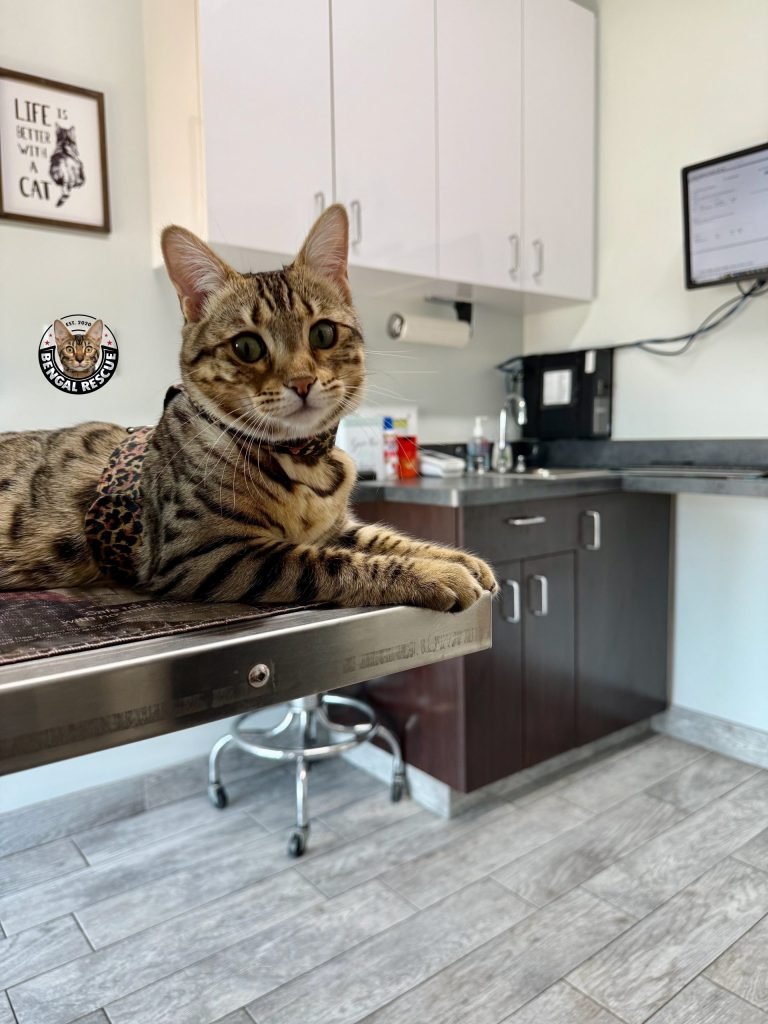
If you have a Bengal cat or are thinking about bringing one home, understanding their health is key to keeping your furry friend happy and active. Bengal cats are beautiful and energetic, but like all pets, they can face certain health issues.
Knowing what to watch for can help you spot problems early and give your cat the care they deserve. You’ll discover the most common Bengal cat health concerns and simple steps you can take to protect your companion. Keep reading to ensure your Bengal stays healthy and full of life.
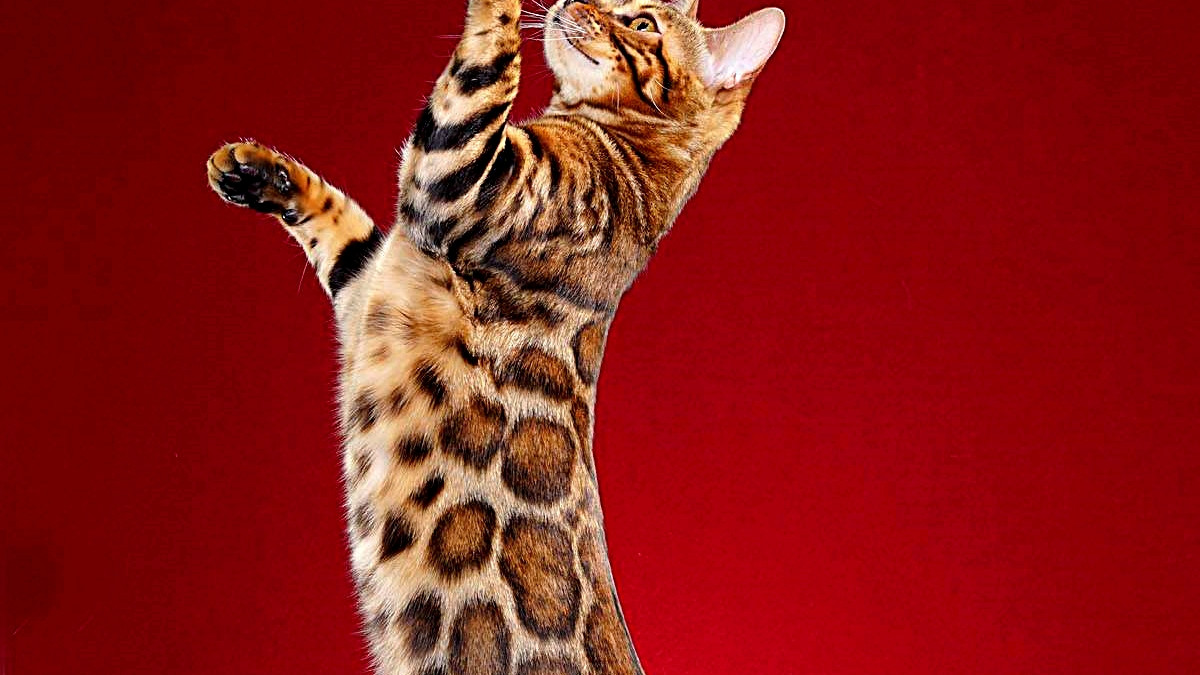
Credit: pethelpful.com
Common Health Problems
Knowing the common health problems Bengal cats may face helps you keep your furry friend happy and healthy. These cats are energetic and beautiful, but like all breeds, they can have specific health issues you should watch for. Early detection and care can make a big difference in their quality of life.
Hypertrophic Cardiomyopathy
Hypertrophic Cardiomyopathy (HCM) is a heart condition where the heart muscle thickens. This can reduce blood flow and cause serious complications. Regular veterinary check-ups with heart scans can catch HCM early, giving you a chance to manage it effectively.
Progressive Retinal Atrophy
Progressive Retinal Atrophy (PRA) leads to gradual vision loss in Bengal cats. It is inherited and currently has no cure. Watching for signs like night blindness or bumping into objects can help you notice PRA early and adapt your home to keep your cat safe.
Hip Dysplasia
Hip Dysplasia affects the hip joints, causing pain and mobility issues. Active Bengals may show reluctance to jump or run if they develop this condition. Maintaining a healthy weight and providing joint supplements can ease discomfort and improve movement.
Patellar Luxation
Patellar Luxation happens when the kneecap slips out of place. This can cause limping or difficulty walking. If your Bengal suddenly favors one leg or has an awkward gait, have a vet examine them to prevent further damage.
Nutrition And Diet
Proper nutrition plays a vital role in maintaining Bengal cats’ health. Their diet influences energy, coat quality, and overall well-being. Bengal cats need a diet that matches their active lifestyle and unique metabolism. Choosing the right foods helps prevent common health problems and supports long life.
Balanced Feeding
Bengal cats thrive on a balanced diet rich in protein and fats. Meat-based proteins such as chicken, turkey, and fish are ideal. Carbohydrates should be minimal since cats are natural carnivores. Fresh water must always be available. Feeding measured portions avoids obesity and digestive issues. Dry and wet foods can be combined for variety and hydration.
Avoiding Allergens
Some Bengal cats develop food allergies or sensitivities. Common allergens include grains, dairy, and certain proteins. Watch for symptoms like itching, vomiting, or diarrhea. Switching to hypoallergenic or limited-ingredient diets can help. Always introduce new foods gradually. Consulting a vet ensures the right diet for sensitive cats.
Supplements For Health
Supplements can support Bengal cats’ health if used correctly. Omega-3 fatty acids promote a shiny coat and healthy skin. Probiotics improve digestion and immune function. Taurine is essential for heart and eye health. Use supplements only after vet advice. Over-supplementing may cause harm instead of benefits.
Exercise And Mental Stimulation
Bengal cats are known for their energy and intelligence, making exercise and mental stimulation crucial for their well-being. Without enough activity, these active felines can become bored or develop behavioral issues. Keeping your Bengal engaged helps maintain their physical health and sharp mind.
Daily Activity Needs
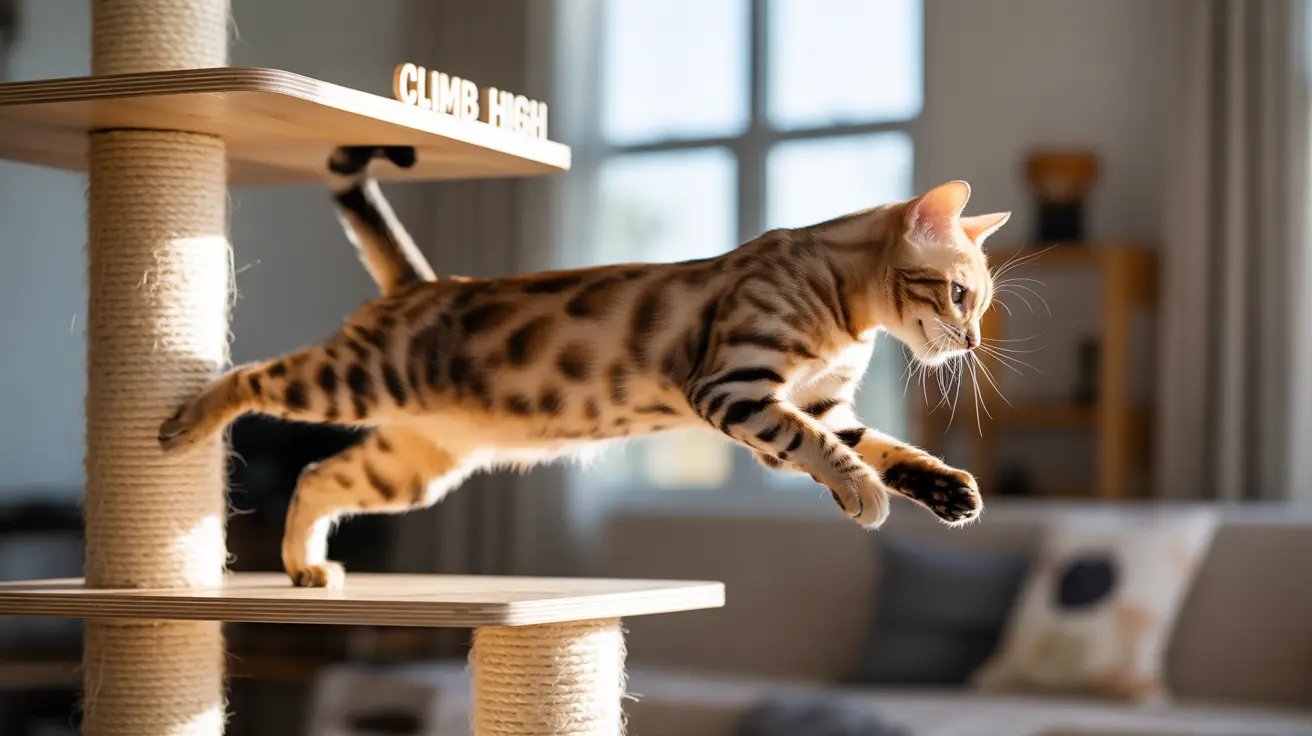
Your Bengal cat needs plenty of daily movement to stay healthy. Aim for at least 30 minutes of active playtime, spread throughout the day. This can be simple activities like chasing a laser pointer or climbing on cat trees.
Have you noticed how your Bengal’s mood improves after a good play session? Regular exercise reduces stress and prevents obesity. Try mixing up activities to keep them excited and eager.
Interactive Toys
Interactive toys are a great way to challenge your Bengal’s mind and body simultaneously. Toys that mimic prey, like feather wands or motorized mice, tap into their natural hunting instincts.
Consider puzzle feeders that require your cat to solve problems to get treats. These not only stimulate their brain but slow down eating, which helps digestion and weight control.
Environmental Enrichment
Creating an enriched environment encourages your Bengal to explore and stay active even when you’re not around. Adding cat shelves, tunnels, and scratching posts turns your home into a playground.
Rotate toys and rearrange play areas to keep things fresh and interesting. Have you tried hiding treats in different spots? It turns snack time into a fun treasure hunt that keeps your cat’s mind sharp.
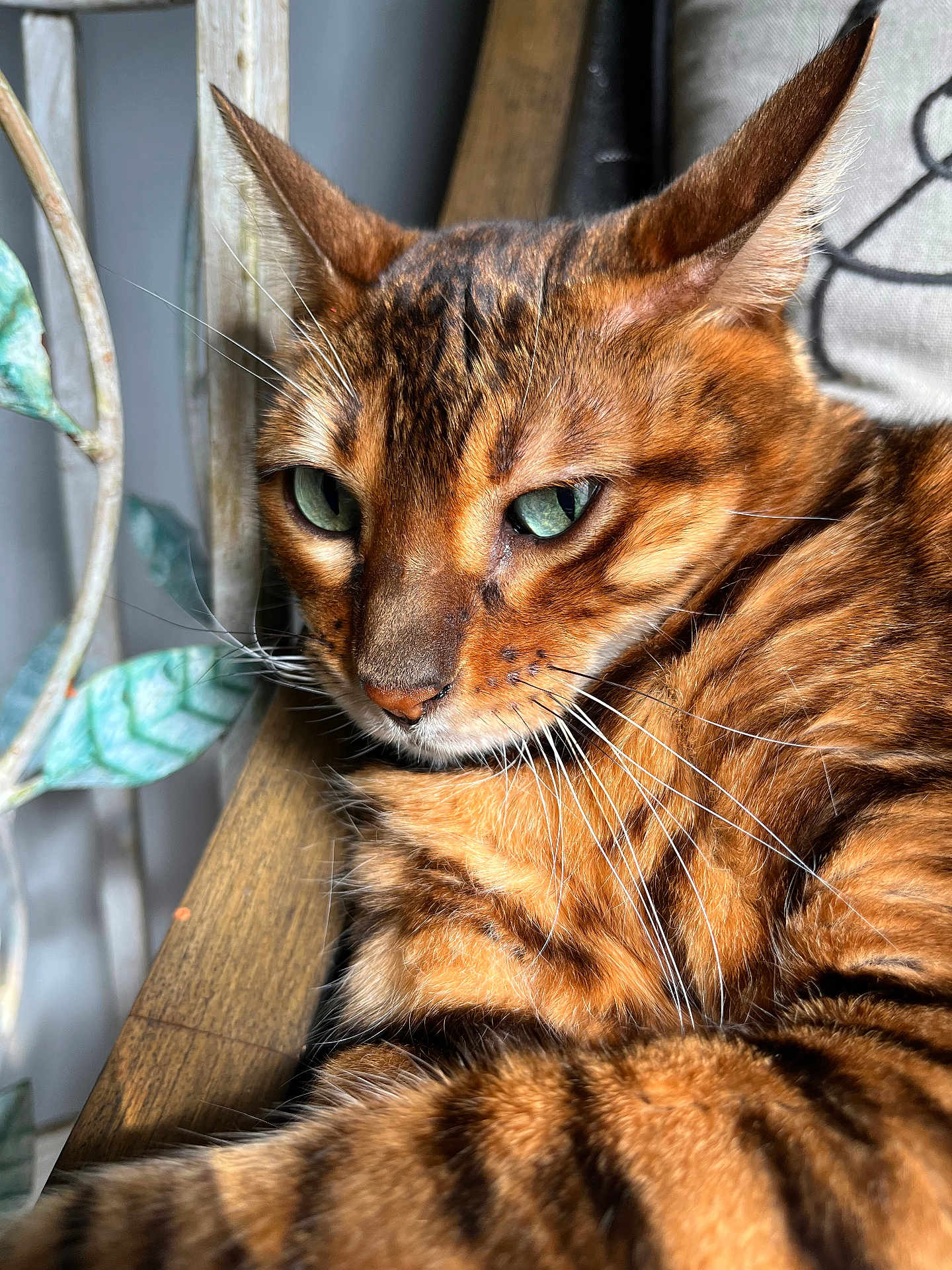
Credit: www.kingpet.uk
Regular Vet Checkups
Regular vet checkups are essential to keep your Bengal cat healthy and happy. These visits help catch potential health issues early, ensuring your pet lives a long, vibrant life. You might not notice subtle changes in your cat’s behavior or health, but a vet can spot problems before they become serious.
Vaccinations
Vaccinations protect your Bengal from common feline diseases. Your vet will recommend a vaccination schedule tailored to your cat’s age and lifestyle. Staying up to date with vaccines reduces the risk of illnesses like feline distemper and respiratory infections.
Think about it: skipping vaccinations might save time now but can lead to costly treatments later. Ask your vet about booster shots and any new vaccines that could benefit your Bengal.
Dental Care
Dental health often gets overlooked but is crucial for your Bengal’s overall well-being. Regular vet checkups include dental exams to spot tartar buildup, gum disease, or tooth decay early. Poor dental health can cause pain and lead to other health complications.
Brushing your cat’s teeth at home helps, but professional cleanings during vet visits make a big difference. Have you noticed your Bengal pawing at their mouth or eating less? These signs might mean it’s time for a dental check.
Parasite Prevention
Parasites like fleas, ticks, and worms pose serious risks to your Bengal’s health. During checkups, vets can recommend effective parasite prevention methods suited to your cat’s environment. Preventing infestations protects both your pet and your household.
Using vet-approved treatments consistently is key. Have you ever wondered how parasites affect your Bengal beyond itching? They can cause anemia, skin infections, and even transmit diseases. Don’t wait for signs to appear—stay proactive with prevention.
Grooming Essentials
Keeping your Bengal cat healthy goes beyond regular vet visits. Grooming plays a vital role in spotting potential health issues early and maintaining your cat’s comfort. Understanding the essentials of grooming can make a significant difference in your Bengal’s well-being and happiness.
Coat Maintenance
Bengal cats have a sleek, short coat that generally requires minimal grooming. However, regular brushing helps remove loose hair and reduces shedding around your home. Brushing also stimulates skin oils, keeping the coat shiny and healthy.
Try using a soft-bristled brush or grooming glove twice a week. Notice any unusual bald spots or skin irritation? These can be signs of allergies or parasites, so consult your vet if you spot anything suspicious. Have you ever found a hidden tick or flea during grooming? Spotting them early prevents bigger problems.
Nail Trimming
Regular nail trimming prevents overgrowth and painful breaks. Bengals are active climbers and hunters, so their nails grow quickly and may get caught in fabrics or furniture. Trim nails every two weeks or as needed, using cat-specific nail clippers.
Watch how your Bengal reacts during trimming. If your cat resists, try trimming just one or two nails at a time to avoid stress. Holding the paw gently but firmly helps you avoid cutting into the quick, which can be painful. Do you keep a pair of styptic powder handy? It’s useful if you accidentally trim too close.
Ear Cleaning
Bengal cats’ ears can accumulate dirt and wax, leading to infections if left unchecked. Check your cat’s ears weekly for redness, bad odor, or excessive wax buildup. Use a damp cotton ball or a vet-approved ear cleaner to gently wipe the visible ear area.
Avoid inserting anything deep into the ear canal, which can cause damage. If your cat scratches ears frequently or shakes its head, these signs may indicate an infection or mites. Have you noticed your Bengal’s ears acting up? Early cleaning prevents discomfort and costly vet visits.
Recognizing Warning Signs
Recognizing warning signs in Bengal cats is crucial to keep them healthy. These cats often hide pain or illness well. Early detection helps prevent serious health problems. Pay close attention to any unusual changes. Small signs can show bigger issues.
Behavioral Changes
Notice if your Bengal cat acts differently. Sudden aggression or hiding are red flags. Lack of interest in play or food can signal trouble. Excessive grooming or licking may indicate pain or irritation. Changes in sleeping patterns also matter. These shifts often hint at discomfort or illness.
Physical Symptoms
Look for visible signs on your cat’s body. Swelling, lumps, or wounds need attention. Difficulty walking or limping can show joint or muscle problems. Watch for changes in coat quality, like dullness or hair loss. Discharge from eyes or nose may point to infections. Vomiting and diarrhea are urgent signs to note.
When To Seek Help
Contact a vet immediately if symptoms worsen or last more than a day. Urgent care is necessary for breathing problems or seizures. Persistent vomiting, diarrhea, or loss of appetite requires prompt attention. Always trust your instincts about your cat’s health. Early vet visits can save your Bengal cat’s life.
Credit: www.petscare.com
Frequently Asked Questions
What Are Common Bengal Cat Health Issues?
Bengal cats often face hypertrophic cardiomyopathy, progressive retinal atrophy, and hip dysplasia. Regular vet check-ups help detect these early. Proper diet and exercise reduce risks. Awareness of symptoms ensures timely treatment and a healthier Bengal cat life.
How To Prevent Bengal Cat Heart Problems?
Regular veterinary heart screenings help detect early hypertrophic cardiomyopathy. Maintain a balanced diet and avoid obesity. Stress reduction and moderate exercise support heart health. Early diagnosis improves treatment success and longevity in Bengal cats.
Do Bengal Cats Have Genetic Health Risks?
Yes, Bengals may inherit genetic issues like progressive retinal atrophy and hypertrophic cardiomyopathy. Responsible breeding reduces these risks. Genetic testing before breeding helps identify carriers. Early screening and monitoring improve Bengal cat health outcomes.
What Are Signs Of Bengal Cat Hip Dysplasia?
Symptoms include limping, difficulty jumping, and reduced activity. Bengal cats may show pain or stiffness in hind legs. Early vet diagnosis allows management with medication or therapy. Maintaining healthy weight helps prevent hip problems.
Conclusion
Bengal cats can face some health problems. Knowing these issues helps keep them safe. Regular vet visits catch problems early. Good food and exercise support their health. Watch for changes in behavior or eating habits. Early care can prevent serious illness.
Bengal cats bring joy when they stay healthy. Careful attention makes a big difference. Stay informed to protect your furry friend well.
