

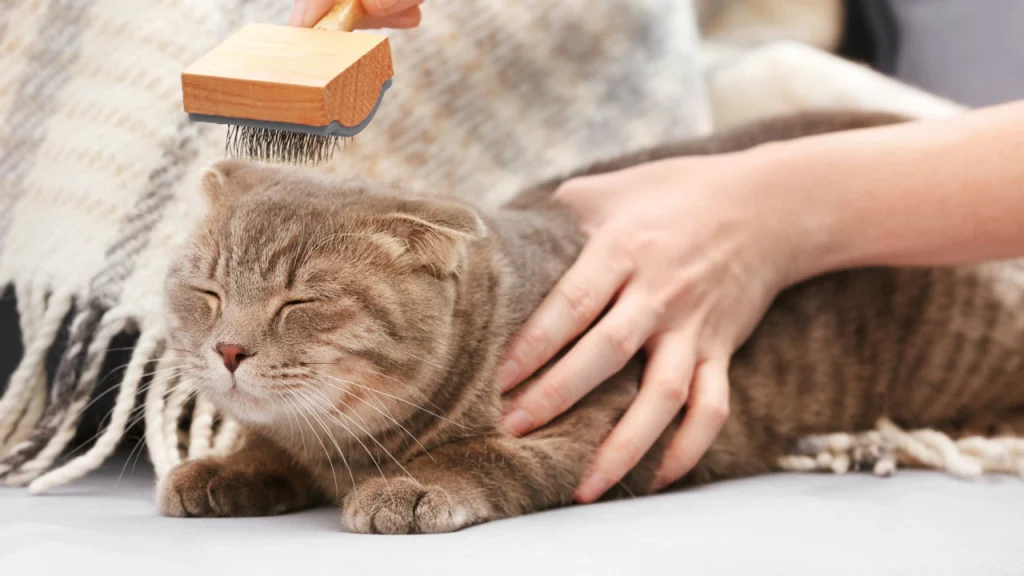
Grooming your cat might seem like a simple task, but it’s more important than you think. Keeping your furry friend clean and comfortable not only helps their health but also strengthens the bond between you.
If you’ve ever wondered, “How do I groom my cat the right way? ” You’re in the right place. This guide will show you easy steps to make grooming stress-free and even enjoyable for both you and your cat. Ready to discover the secrets to a happy, healthy, and well-groomed kitty?
Let’s dive in!

Credit: www.reddit.com
Preparing For Cat Grooming
Preparing for cat grooming helps make the process smooth and calm. Cats feel safe in familiar places and with gentle handling. Taking time to get ready reduces stress for both you and your cat. A few simple steps can create a positive grooming experience every time.
Choosing The Right Tools
Select tools that fit your cat’s fur type and size. Soft-bristle brushes work well for short hair. Long-haired cats need wide-tooth combs to detangle knots. Nail clippers designed for pets keep paws safe. Have grooming wipes handy for quick cleanups.
- Soft brush for smooth fur
- Wide-tooth comb for knots
- Pet nail clippers
- Grooming wipes
Setting A Comfortable Space
Choose a quiet and warm spot for grooming. Avoid loud noises and distractions nearby. A soft towel or mat helps your cat feel secure. Keep grooming items within reach to stay calm and focused. A cozy space lowers anxiety and improves cooperation.
Understanding Your Cat’s Temperament
Notice how your cat reacts to touch and handling. Some cats enjoy petting and grooming. Others prefer short sessions with breaks. Watch for signs of stress like tail flicking or growling. Respect your cat’s limits and go slow. Patience builds trust and makes grooming easier.
Brushing Techniques
Brushing your cat is vital for their health and comfort. It removes loose fur and dirt. Brushing also helps reduce hairballs and keeps the coat shiny. Different cats need different brushing care. Coat length and type affect the technique. Use gentle strokes to make grooming pleasant. Patience and regularity build trust and good habits.
Brushing Short-haired Cats
Short-haired cats need less brushing but still benefit. Use a soft-bristle brush or rubber grooming mitt. Brush in the direction of hair growth. Focus on areas that shed the most, like the neck and back. Brushing twice a week is enough for most short-haired cats. Pay attention to your cat’s reaction and stop if they get stressed.
Brushing Long-haired Cats
Long-haired cats require daily brushing to prevent tangles and mats. Use a wide-toothed comb first to gently detangle. Follow with a slicker brush for smoothness. Brush from head to tail with slow, careful strokes. Long hair can hide dirt and debris, so check regularly. Be gentle near sensitive spots like the belly and legs.
Dealing With Mats And Tangles
Mats cause discomfort and skin problems if ignored. Start by holding the fur close to the skin to avoid pulling. Use a dematting comb or your fingers to gently separate tangles. Cut mats only if necessary and with extreme care. Regular brushing prevents mats from forming. Treat mats promptly to keep your cat happy and healthy.
Bathing Your Cat
Bathing your cat can feel challenging. Cats usually groom themselves well. But sometimes, a bath is needed to keep them clean and healthy. It helps remove dirt, loose fur, and allergens. Bathing also reduces hairballs and skin problems.
When To Bathe Your Cat
Most cats do not need regular baths. Bathe your cat only if:
- They get very dirty or sticky.
- They have fleas or skin issues.
- The vet recommends it for health reasons.
- They are elderly or sick and cannot groom well.
Overbathing can dry out your cat’s skin. Keep baths rare and gentle.
Step-by-step Bathing Guide
- Brush your cat to remove loose fur and tangles.
- Fill a sink or tub with lukewarm water, just a few inches deep.
- Use a cat-friendly shampoo. Avoid human shampoo.
- Gently wet your cat’s fur using your hand or a cup.
- Apply shampoo and lather softly, avoiding eyes and ears.
- Rinse thoroughly until no soap remains.
- Keep calm and speak softly to relax your cat.
Drying And Aftercare
Wrap your cat in a soft towel. Pat dry gently. Do not rub hard.
Use a hairdryer only on low heat and low noise, if your cat allows.
Keep your cat in a warm room until fully dry.
Brush again to remove loose fur and prevent matting.
Offer treats and praise to make the experience positive.
Nail Care
Keeping your cat’s nails well-groomed is essential for their comfort and health. Overgrown nails can cause pain and lead to scratches on your furniture—or worse, on your skin. Regular nail care helps prevent these issues and keeps your cat feeling at ease.
Trimming Cat Nails Safely
Start by choosing a quiet moment when your cat is relaxed, maybe after a nap. Hold your cat’s paw gently but firmly, pressing on the pad to extend the nails. Trim only the sharp tip, avoiding the pink area called the quick, which contains nerves and blood vessels.
If you accidentally cut the quick, don’t panic. Apply a styptic powder or cornstarch to stop bleeding quickly. Are you watching your cat’s body language? If they pull away or seem stressed, pause and try again later.
Handling Nervous Cats
Some cats resist nail trimming, making the process tricky. Try wrapping your cat in a soft towel, leaving one paw out at a time. This helps control movement and keeps your cat calm.
Speak softly and offer treats after each paw is trimmed. This creates a positive connection. Have you noticed how a calm voice can ease your cat’s tension? Patience is key—short sessions often work better than long ones.
Tools For Nail Maintenance
Invest in quality tools designed for cats. Look for:
- Sharp, small nail clippers or scissors
- Styptic powder for emergencies
- A nail file to smooth rough edges
Some cats prefer electric nail grinders, which gently file nails down without clipping. Test different tools to see what your cat tolerates best. What has worked for your cat might surprise you—and make grooming easier.
Ear And Eye Cleaning
Cleaning your cat’s ears and eyes is a key part of grooming. These areas can collect dirt and germs. Regular cleaning keeps your cat healthy and comfortable.
Gentle care helps prevent infections and irritation. Use the right tools and techniques for safe cleaning.
Cleaning Cat Ears
Use a soft cloth or cotton ball dampened with a vet-approved ear cleaner. Never insert anything deep into the ear canal. Wipe only the visible parts inside the ear flap.
Look for dirt, wax, or redness. Clean both ears gently and avoid using water, which can cause infection.
Removing Eye Discharge
Check your cat’s eyes daily for discharge or crust. Use a damp, soft cloth or cotton ball to wipe the corners of the eyes. Always wipe away from the eye, moving outward.
Use a fresh cloth for each eye to avoid spreading germs. Avoid harsh chemicals or soaps near the eyes.
Signs Of Infection
- Redness or swelling around ears or eyes
- Strong odor from the ears
- Yellow or green discharge
- Excessive scratching or pawing
- Squinting or rubbing eyes frequently
Contact your vet if you notice these signs. Early treatment prevents serious problems.
Dental Care For Cats
Dental care is a key part of grooming your cat. Healthy teeth help your cat eat well and avoid pain. Regular dental care reduces bad breath and prevents serious problems. Cats can develop plaque, tartar, and gum disease just like people. Taking small steps at home can keep your cat’s mouth fresh and clean.
Brushing Cat Teeth
Brushing your cat’s teeth removes plaque and stops tartar build-up. Use a soft-bristled brush made for cats. Start slowly. Let your cat get used to the taste of toothpaste. Use pet-safe toothpaste, not human kind. Brush gently in small circles along the gum line. Aim for a few teeth at a time. Keep sessions short and positive. Praise and reward your cat afterward.
Dental Treats And Toys
Dental treats and toys help clean your cat’s teeth naturally. They reduce plaque by scraping the teeth as your cat chews. Choose treats designed to promote dental health. Some toys are textured to massage gums and clean teeth. Offer these regularly but do not rely on them only. They work best alongside brushing and vet check-ups.
Recognizing Dental Issues
Look for signs of dental problems early. Watch for bad breath, drooling, or difficulty eating. Check for red or swollen gums and loose teeth. Your cat may paw at the mouth or hide more. If you notice these signs, see a vet quickly. Early treatment prevents pain and more serious illness.
Maintaining A Healthy Coat
A cat’s coat reflects its overall health and happiness. Maintaining a healthy coat keeps your cat looking beautiful and feeling comfortable. It helps prevent skin problems and reduces shedding around the house. Regular care supports a shiny, soft, and strong fur coat that your cat will love.
Diet And Hydration
A balanced diet fuels a healthy coat. Cats need proteins and fatty acids for shiny fur. Omega-3 and Omega-6 oils are especially important. Fresh water keeps skin hydrated and prevents dryness. Dry skin can cause itchiness and dull fur. Offer wet food or add water to dry food for extra hydration.
Regular Vet Checkups
Visit the vet to catch skin or coat issues early. Parasites, allergies, or infections affect your cat’s fur. Your vet can recommend supplements or treatments if needed. Regular health checks keep your cat comfortable and coat in top shape. Early care prevents bigger problems later.
Controlling Shedding
Shedding is natural, but control helps keep your home clean. Brush your cat often to remove loose fur. Use the right brush for your cat’s fur type. Brushing also spreads natural oils, adding shine. During heavy shedding, increase brushing sessions. This reduces hairballs and keeps fur smooth.

Credit: www.reddit.com
Dealing With Grooming Challenges
Grooming a cat can sometimes be tricky. Cats may resist or show unwanted behavior during grooming sessions. Understanding these challenges helps make grooming easier for both you and your cat. Patience and the right techniques can improve the experience.
Managing Aggressive Behavior
Some cats become aggressive when groomed. They might scratch, bite, or try to escape. Stay calm and keep your movements slow. Watch for signs of stress like growling or hissing. Stop if your cat becomes too upset.
Try short grooming sessions to build trust. Use treats and praise to create positive feelings. Avoid forcing your cat. Gradually increase grooming time as your cat gets used to it.
When To Seek Professional Help
Sometimes grooming challenges need expert care. Severe aggression or matted fur may require a professional groomer or vet. Professionals have tools and skills to handle difficult cats safely.
Consult a vet if your cat has skin problems or pain during grooming. They can recommend the best approach or treatments. Seeking help protects your cat’s health and reduces stress.
Using Grooming Aids And Products
Grooming tools can make the job easier. Use brushes designed for your cat’s fur type. Comb mats gently to avoid hurting your cat.
- Rubber brushes for short-haired cats
- Wide-tooth combs for long fur
- Deshedding tools to reduce loose hair
Try sprays or wipes to clean and soften fur. Choose pet-safe products only. Introducing these aids gradually helps your cat accept them better.

Credit: www.purina.com
Frequently Asked Questions
How Often Should I Groom My Cat?
Groom your cat at least once a week to remove loose fur and prevent mats. Long-haired cats need more frequent grooming.
What Tools Do I Need For Cat Grooming?
Use a soft brush, comb, nail clippers, and pet-safe wipes. Choose tools suitable for your cat’s fur type.
Can Grooming Help Reduce Cat Hair Around The House?
Yes, regular grooming removes loose hair, reducing shedding and hair on furniture and clothes. It also helps keep your home cleaner.
How Do I Safely Trim My Cat’s Nails?
Use cat-specific nail clippers and trim just the sharp tips. Avoid cutting the quick to prevent pain and bleeding.
Conclusion
Grooming your cat keeps them healthy and happy. Regular brushing reduces hairballs and matting. Use gentle tools and speak softly to calm your cat. Pay attention to their nails, ears, and teeth too. Make grooming a fun time, not a chore.
Small steps each day build trust and comfort. Your cat will thank you with a shiny coat and bright eyes. Keep it simple, stay patient, and enjoy the bonding moments. Good grooming helps your cat live a long, joyful life.
