

Grooming your cat can be a challenge if your furry friend doesn’t like to sit still. You might feel frustrated or worried about hurting them while trying to trim their nails or clean their fur.
But knowing how to safely restrain your cat makes grooming easier and less stressful for both of you. You’ll discover simple, effective techniques to keep your cat calm and secure during grooming sessions. Keep reading to learn how to turn a tricky task into a smooth, peaceful routine your cat will tolerate—and maybe even enjoy.

Credit: www.amazon.com.au
Preparing Your Cat
Preparing your cat for grooming is essential for a smooth experience. A calm and cooperative cat makes grooming easier and safer. Small steps before grooming help your cat feel secure and relaxed. Knowing how to prepare sets the stage for success.
Choosing The Right Time
Pick a time when your cat is calm and relaxed. Avoid grooming right after meals or playtime. A quiet moment, like after a nap, works best. Watch your cat’s mood and choose a moment without stress.
Creating A Calm Environment
Set up a quiet space with few distractions. Use soft lighting and keep noise low. Speak softly to your cat to build comfort. A peaceful area helps reduce your cat’s anxiety during grooming.
Gathering Grooming Tools
Collect all grooming supplies before starting. Have brushes, combs, nail clippers, and towels ready. Keep everything within easy reach. This avoids sudden movements that might scare your cat.
Techniques To Restrain Cats
Restraining a cat during grooming requires calm and careful techniques. Cats can get scared or wriggle, so use safe ways to hold them. Proper restraint helps keep the cat and groomer safe. It also makes grooming faster and less stressful for the cat.
Using the right technique depends on the cat’s size, temperament, and the grooming task. Some cats feel more secure wrapped gently, while others respond well to firm but soft holding. Choosing the right method can improve the grooming experience for both.
Using Towels And Blankets
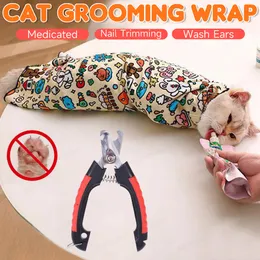
Towels and blankets create a cozy wrap that calms cats. Wrap the cat gently but snugly to limit movement. Leave the head exposed for easy access. This method works well for cats that dislike being touched or scratched.
- Use a soft towel large enough to cover the cat.
- Place the cat in the center and wrap the towel around its body.
- Hold the wrapped cat securely with one hand.
- Keep the cat’s legs wrapped to prevent scratching.
Gentle Holding Methods
Hold the cat softly but firmly to avoid stress. Support the body while keeping the head steady. Use slow movements to prevent startling the cat. Speak softly to help the cat stay calm.
- Place one hand under the cat’s chest.
- Use your other hand to hold the cat’s head or neck gently.
- Keep your arms close to your body for control.
- Stop if the cat struggles too much and try again later.
Harness And Leash Options
A harness and leash can help control active cats during grooming. Choose a soft, well-fitting harness to avoid discomfort. Use the leash to guide the cat gently. This method works best for cats who tolerate wearing harnesses.
- Put the harness on the cat before grooming time.
- Attach a short leash to keep the cat close.
- Hold the leash loosely to allow some movement.
- Use calm voices to reassure the cat during grooming.
Handling Cat Behavior
Handling cat behavior during grooming requires patience and care. Cats do not like being held or touched in certain ways. Recognizing their mood helps make grooming safer and less stressful.
Understanding your cat’s signals and rewarding calm behavior builds trust. Knowing when to pause keeps your cat relaxed and willing to continue.
Recognizing Stress Signals
Watch for signs your cat feels stressed or scared. These include:
- Flattened ears
- Hissing or growling
- Swishing or flicking tail
- Wide eyes with dilated pupils
- Trying to escape or hide
- Rapid breathing or panting
Stopping grooming at the first signs of stress prevents fear and aggression. Pay close attention to small changes in behavior.
Using Treats And Positive Reinforcement
Offer your cat small treats during grooming. This helps create a positive connection.
- Give treats for calm behavior
- Speak softly and gently
- Use a calm tone of voice
- Reward after each successful step
Positive reinforcement encourages your cat to cooperate. It teaches them that grooming is not scary.
When To Take Breaks
Short breaks calm your cat and reduce stress. Stop grooming if your cat:
- Becomes restless or agitated
- Shows signs of fear or aggression
- Struggles to get free
Use breaks to pet or soothe your cat. Let them relax before starting again. Patience helps your cat feel safe and makes grooming easier.

Credit: www.amazon.ca
Safety Tips For Grooming
Safety is the top priority when grooming a cat. Cats may get scared or stressed during grooming. This can lead to scratches or bites. Taking safety precautions protects both you and your cat. Careful handling helps keep the grooming process calm and smooth. Follow these tips to make grooming safer and easier.
Protecting Yourself From Scratches
Wear thick gloves to guard your hands. Use a long-sleeved shirt to protect your arms. Keep your cat calm by speaking softly and moving slowly. Wrap your cat gently in a towel to limit movement. Avoid sudden moves that may startle your cat. Keep your nails trimmed to prevent accidental scratching.
Avoiding Common Grooming Injuries
Use the right tools for grooming, like combs and brushes made for cats. Check your tools before starting to avoid sharp edges. Do not pull on mats or tangles; use a detangler spray instead. Trim nails carefully, cutting only the tip to avoid bleeding. Stop grooming if your cat shows signs of pain or distress.
When To Seek Professional Help
Some cats do not tolerate grooming well. If your cat is very aggressive, seek a groomer’s help. Professional groomers have experience and special tools. They can manage difficult cats safely. If your cat has skin problems or wounds, visit a vet before grooming. Always choose a professional if you feel unsure or unsafe.
Credit: www.dhgate.com
Frequently Asked Questions
How Can I Safely Restrain My Cat For Grooming?
Use a calm voice and gentle touch to ease your cat’s anxiety. Wrap the cat in a towel, leaving only the area to be groomed exposed. This prevents scratching and keeps your cat secure during grooming.
What Tools Help In Restraining A Cat For Grooming?
Use a grooming glove or towel to safely hold your cat. A grooming table with a non-slip surface also helps. Avoid harsh restraints; instead, try gentle holds and positive reinforcement.
When Is The Best Time To Restrain A Cat For Grooming?
Choose a calm, quiet time when your cat is relaxed or sleepy. Avoid grooming after meals or playtime. Consistent timing helps your cat get used to the routine and feel less stressed.
Can I Use A Cat Muzzle Or Harness For Grooming Restraint?
Yes, a soft muzzle or harness can help in controlling your cat. Make sure they are comfortable and not too tight. Always supervise your cat closely to prevent injury or stress.
Conclusion
Restraint helps keep your cat calm and safe during grooming. Use gentle holds and stay patient to avoid stress. Take breaks if your cat feels nervous or restless. Practice regularly to make grooming easier over time. Always reward your cat with praise or treats afterward.
Safe grooming builds trust and keeps your cat healthy. Small steps lead to better grooming sessions every time.
