

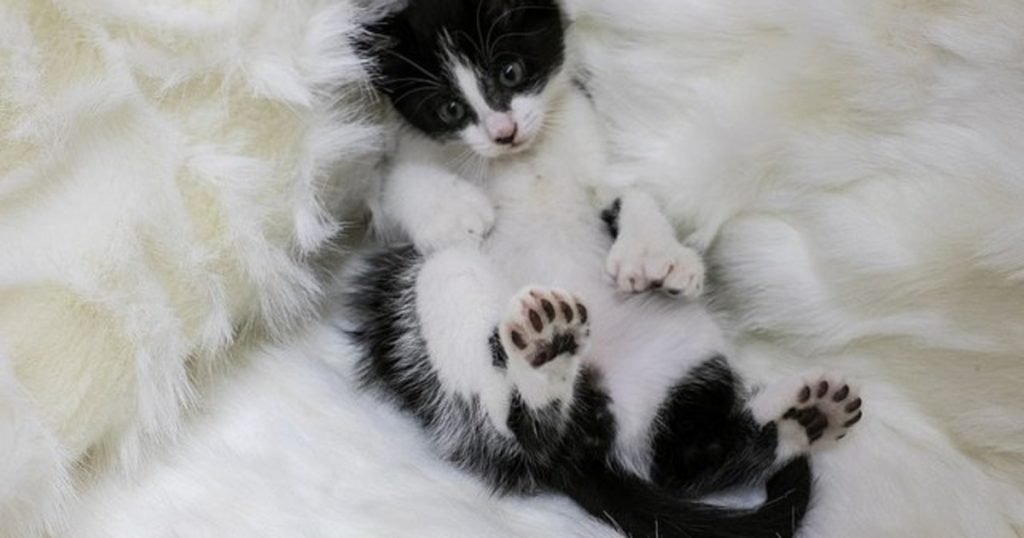
Have you ever noticed a cat with extra toes and wondered if those extra digits come with any health risks? Polydactyl cats are truly unique and fascinating, but you might be surprised to learn that their extra toes can sometimes lead to specific health issues.
If you own or are thinking about adopting a polydactyl cat, understanding these potential concerns is crucial for keeping your furry friend happy and healthy. You’ll discover what health problems to watch for and how you can care for your polydactyl cat to ensure they live their best life.
Keep reading—you won’t want to miss these important insights.
Credit: wopet.com
Polydactyl Cat Traits
Polydactyl cats have a unique charm due to their extra toes. These extra digits make them stand out from other cats. Their traits are fascinating and linked to genetics and physical features. Understanding these traits helps in recognizing their health and care needs.
Genetic Causes
Polydactyly in cats is caused by a genetic mutation. This mutation affects the development of toes before birth. It is a dominant trait, meaning one parent can pass it on easily. Not all kittens in a litter will have extra toes, but many can.
The gene responsible changes the way paw bones form. This leads to extra toes on one or more paws. It does not usually cause pain or issues. The trait is common in certain cat breeds and regions.
Common Physical Features
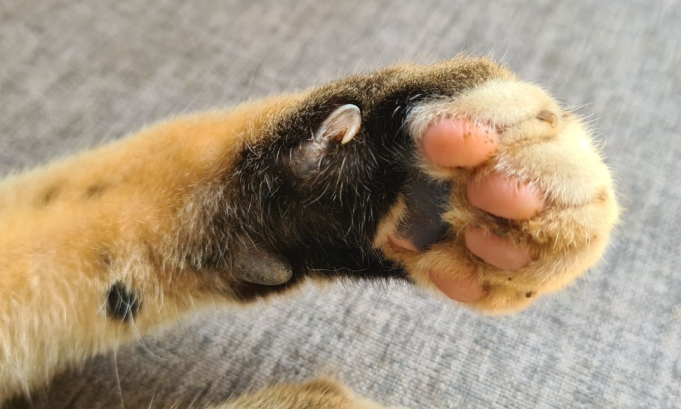
Polydactyl cats show extra toes on their front or back paws. Usually, they have one or two more toes than normal. Some cats have many extra toes, giving their paws a mitten-like look.
- Extra toes can be fully formed or smaller nails.
- They may have wider paws than other cats.
- The claws on extra toes are often sharp and need trimming.
These physical traits do not affect their ability to walk or climb. Some polydactyl cats are better climbers due to extra grip. Their paws may look unusual but work well for them.
Credit: www.chewy.com
Health Risks Linked To Extra Toes
Polydactyl cats have extra toes on their paws. This unique feature can cause some health concerns. The extra toes may affect how their joints work. Nail care can also become tricky. Understanding these risks helps keep polydactyl cats healthy and happy.
Joint And Mobility Problems
Extra toes can change how a cat walks. They might put more pressure on certain joints. This can cause joint pain or stiffness over time. Some cats may develop arthritis earlier. Watch for signs like limping or reluctance to jump. Early care can prevent serious problems later.
Nail Care Challenges
More toes mean more nails to trim. Extra nails can grow in odd directions. They may curl into the paw pads, causing pain. This can lead to infections or sores. Regular nail checks are essential. Use proper tools and trim gently to avoid injury.
Inheritable Conditions
Polydactyl cats, known for their extra toes, often capture the hearts of cat lovers. But beyond their unique paws, there are health concerns that can be passed down through generations. Understanding inheritable conditions helps you care better for your feline friend and make informed choices if you’re considering breeding.
Potential Genetic Disorders
Extra toes in polydactyl cats result from a genetic mutation, but this mutation can sometimes link to other genetic issues. Some polydactyl cats might face joint problems due to abnormal bone structure in their paws, which can cause discomfort or difficulty walking.
One disorder to watch for is radial hypoplasia, where the bones in the forelimbs do not develop properly, leading to misshapen legs or paws. While not all polydactyl cats develop this, it’s a condition that can be inherited and affect mobility.
Have you noticed your cat limping or favoring a paw? These could be signs worth discussing with your vet. Early detection can improve your cat’s quality of life.
Screening For Breeders
If you’re a breeder or considering adopting from one, screening for genetic health issues is essential. Responsible breeders test for common inheritable disorders to reduce the risk of passing them on.
Ask breeders about their screening protocols. Do they check for bone deformities or other genetic problems linked to polydactyly? A good breeder will gladly share health test results and the lineage of their cats.
Screening often involves physical exams, X-rays of the paws, and sometimes genetic testing. These steps help ensure that kittens have the best chance for a healthy life.
Care Tips For Polydactyl Cats
Caring for polydactyl cats requires a bit more attention than usual, especially when it comes to their unique paws. Their extra toes can sometimes cause health issues if not properly maintained. By focusing on specific care tips, you can help your polydactyl cat stay comfortable and healthy.
Regular Vet Checkups
Scheduling regular vet visits is crucial for polydactyl cats. Extra toes can sometimes lead to joint or nail problems that only a professional can spot early. Have your vet check the paws carefully to catch any issues before they become painful or serious.
Ask your vet about signs of infection or abnormal nail growth. This proactive approach can save your cat from discomfort and prevent complications. Do you know how often your cat’s nails should be examined by a professional?
Grooming And Nail Maintenance
Extra toes mean extra nails to trim. Regular grooming is essential to prevent nails from curling into the paw pads or becoming overgrown. This can cause pain or infections if ignored.
Use a quality nail clipper and trim your cat’s nails every couple of weeks. If you notice nails growing inward or signs of redness, schedule a grooming session or a vet visit. Keeping those extra toes in check helps your polydactyl cat move comfortably and avoid injuries.
When To Seek Veterinary Help
Knowing when to seek veterinary help for your polydactyl cat can make a significant difference in their health and comfort. Extra toes may look charming, but they sometimes lead to unique challenges that need professional care. Recognizing the right signs early can prevent minor issues from becoming serious problems.
Signs Of Discomfort
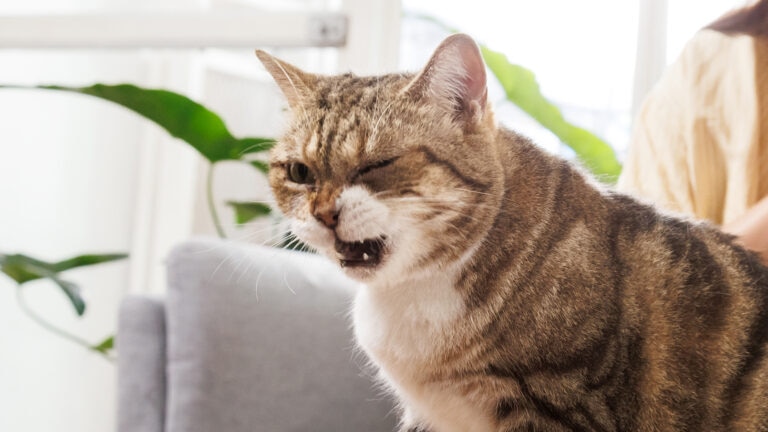
Watch closely if your cat limps or avoids putting weight on a paw with extra toes. Swelling, redness, or bleeding around the extra digits is a clear sign something’s wrong. You might notice your cat licking or biting their paws more than usual—this behavior often signals pain or irritation.
If your polydactyl cat suddenly becomes less active or seems hesitant to jump and climb, it could be due to discomfort in their paws. Changes in grooming habits or behavior, such as increased irritability or hiding, might also indicate underlying health issues related to their extra toes.
Treatment Options
Once you notice any signs of discomfort, a vet visit should be your next step. Treatment can vary from simple wound care to more involved procedures like removing problematic extra toes if they cause constant pain or infection.
Your vet might suggest antibiotics for infections or special paw balms to soothe irritated skin. In some cases, adjustments in your cat’s activity or environment can help reduce strain on their paws, such as providing softer bedding or trimming extra claws regularly.
How often do you check your cat’s paws during play or grooming? Regular inspection can catch issues early and save you from emergency visits. Remember, your attentiveness is a key part of their health care.
Credit: www.adoptapet.com
Polydactyl Cats And Longevity
Polydactyl cats, known for their extra toes, often spark curiosity about their health and lifespan. Many wonder if these unique paws affect how long they live or the quality of their years. Understanding their longevity means looking at various factors that influence their life expectancy and overall well-being.
Life Expectancy Factors
The extra toes themselves usually don’t shorten a polydactyl cat’s life. Most live just as long as regular cats, often reaching 12 to 16 years or more. However, the key factors that affect their lifespan are similar to other cats:
- Genetics and breed background
- Nutrition and diet quality
- Regular veterinary care and vaccinations
- Environment safety and lifestyle—indoor cats often live longer
One surprising insight: polydactyl cats can sometimes have nail care challenges because of their extra toes. This can lead to infections if nails aren’t trimmed properly, potentially affecting health if ignored.
Quality Of Life Considerations
Do the extra toes cause discomfort or mobility issues? Usually not, but watch for signs of nail overgrowth or injuries around the paws. Many polydactyl cats adapt well and show no signs of distress.
Quality of life depends on how you care for your cat’s unique paws. You might need to check their nails more often or provide toys that encourage safe movement.
- Keep nails trimmed carefully to avoid ingrown nails or infections
- Inspect paws regularly for cuts or swelling
- Provide a safe environment with soft bedding and avoid rough surfaces
Have you noticed your cat favoring one paw or acting differently? That could be a sign to seek veterinary advice. Your attention to these details can make a big difference in their comfort and happiness.
Frequently Asked Questions
What Health Issues Affect Polydactyl Cats?
Polydactyl cats generally have no serious health problems. Extra toes might cause minor nail care challenges. Regular vet check-ups ensure early detection of any issues.
Do Extra Toes Cause Mobility Problems In Polydactyl Cats?
No, extra toes usually do not affect a cat’s movement. Polydactyl cats adapt well and often have better grip and climbing skills.
Are Polydactyl Cats Prone To Genetic Disorders?
Polydactyly itself is a genetic trait but rarely causes disorders. Responsible breeding reduces risks of inherited diseases in these cats.
How To Care For Polydactyl Cats’ Extra Toes?
Trim extra nails regularly to prevent overgrowth and injury. Check toes for infections or abnormalities during grooming sessions.
Conclusion
Polydactyl cats are unique and charming pets. Their extra toes can bring some health concerns. Regular check-ups help catch problems early. Watch their paws for signs of pain or infection. Keeping their nails trimmed prevents injuries. A little care goes a long way.
Enjoy the special bond with your polydactyl cat. Healthy paws mean a happy cat. Stay informed and attentive for best care.
