

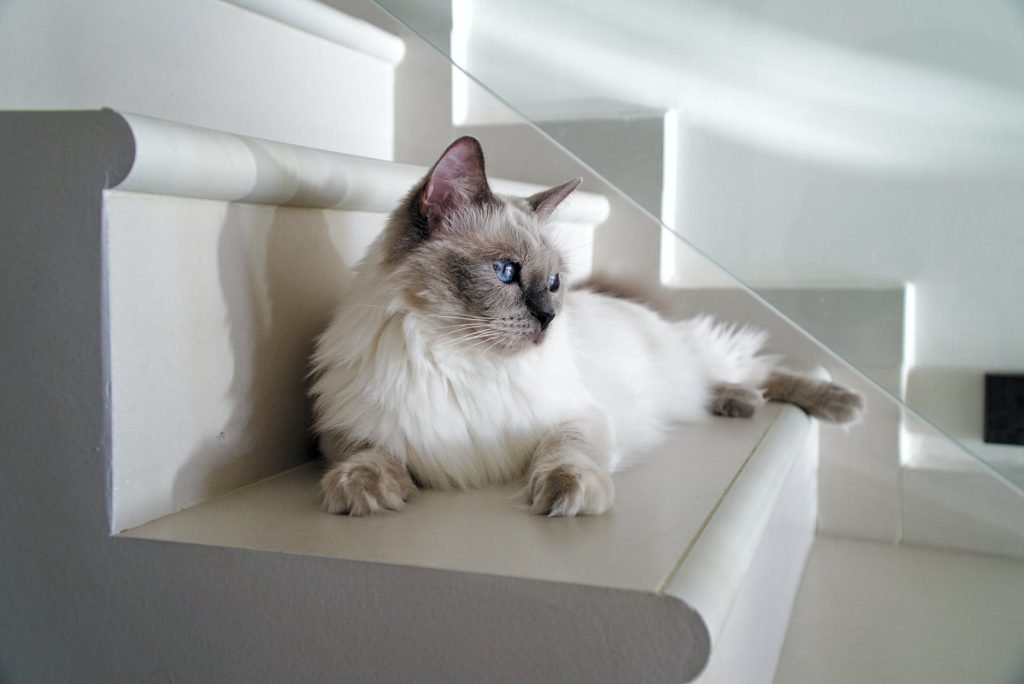
If you have a Ragdoll cat or are thinking about bringing one home, understanding their health is crucial. You want your furry friend to live a long, happy life, free from avoidable problems.
But what health issues should you watch out for? Knowing the common concerns can help you spot signs early and take action before small problems become serious. Keep reading to discover what might affect your Ragdoll’s health and how you can keep your beloved pet safe and thriving.
Common Health Issues
Ragdoll cats are known for their calm nature and beautiful looks. Like all breeds, they face some health challenges. Knowing common health issues helps owners keep their pets safe and happy. Early detection improves treatment success and quality of life.
Hypertrophic Cardiomyopathy
Hypertrophic Cardiomyopathy (HCM) is a heart disease common in Ragdolls. It causes the heart muscle to thicken. This thickening makes the heart work harder. Symptoms include difficulty breathing and weakness. Regular vet checkups can catch HCM early.
Bladder Stones
Bladder stones form from minerals in the urine. They cause pain and trouble urinating. Ragdolls may show signs like blood in urine or frequent trips to the litter box. Proper diet and hydration help prevent bladder stones.
Feline Infectious Peritonitis
Feline Infectious Peritonitis (FIP) is a viral disease affecting cats. It is hard to diagnose and often fatal. Symptoms vary and can include fever, weight loss, and fluid buildup. Vaccination and good hygiene reduce the risk of FIP.
Polycystic Kidney Disease
Polycystic Kidney Disease (PKD) causes cysts to grow in the kidneys. This reduces kidney function over time. Signs include increased thirst and urination. Early screening is important for Ragdolls to manage PKD effectively.
Preventive Care
Preventive care is the key to keeping your Ragdoll cat healthy and happy for years. Paying attention to their specific needs helps catch problems early and avoids costly treatments. Are you ready to take simple steps that make a big difference in your cat’s well-being?
Regular Vet Checkups
Scheduling regular vet visits is essential for spotting health issues before they become serious. Your vet can monitor your Ragdoll’s weight, coat condition, and behavior changes that you might miss at home.
These visits also allow for early detection of common Ragdoll health concerns, such as hypertrophic cardiomyopathy (HCM). How often you visit depends on your cat’s age and health, but at least once a year is a good rule of thumb.
Vaccination Schedule
Keeping up with vaccines protects your cat from dangerous diseases like feline leukemia and rabies. Ask your vet for a vaccination schedule tailored to your Ragdoll’s lifestyle and risks.
Some vaccines require boosters, so staying organized with reminders can prevent accidental lapses. Missing a vaccine can leave your cat vulnerable, so make it a priority in your pet care routine.
Dental Hygiene
Dental health often gets overlooked but plays a major role in your cat’s overall wellness. Plaque buildup can lead to painful infections and tooth loss.
Brushing your Ragdoll’s teeth regularly with a pet-safe toothpaste is the easiest way to maintain oral health. If brushing isn’t possible, dental treats and professional cleanings offer alternatives.
Parasite Control
Parasites like fleas, ticks, and worms can cause discomfort and serious illness. Using monthly parasite preventives keeps your Ragdoll protected throughout the year.
Check your cat regularly for signs of infestation, especially if they go outdoors or come into contact with other animals. Have you noticed any scratching or unusual behavior that might suggest parasites?
Nutrition Tips
Nutrition plays a key role in keeping your Ragdoll cat healthy. Proper feeding supports their energy, coat, and overall well-being. Understanding what to feed and how much can prevent common health problems.
Good nutrition helps your Ragdoll maintain a strong immune system and a healthy weight. It also reduces the risk of diseases linked to poor diet. Below are essential tips to guide your cat’s diet.
Balanced Diet
Feed your Ragdoll a mix of protein, fats, and carbohydrates. High-quality animal protein supports muscle health. Fats provide energy and keep the coat shiny. Carbohydrates offer fiber for digestion.
Include essential vitamins and minerals, like taurine and omega-3 fatty acids. Choose foods made for cats, not dogs or humans. Check the label for natural ingredients and avoid fillers like corn.
Weight Management
Ragdolls can gain weight easily if overfed. Obesity increases risks of diabetes and joint problems. Measure meals and avoid free feeding. Use feeding guidelines on the cat food packaging as a start.
Feed smaller portions multiple times a day. Monitor your cat’s weight and body condition regularly. Adjust food amounts to keep your cat active and fit.
Hydration Importance
Water is vital for kidney function and digestion. Ragdolls may not drink enough water naturally. Offer fresh water daily and change it often. Consider wet cat food to increase moisture intake.
Place water bowls in quiet areas. Some cats prefer running water, so a cat fountain can help. Proper hydration reduces urinary tract problems and supports overall health.

Credit: www.pumpkin.care
Exercise And Mental Stimulation
Ragdoll cats need exercise and mental stimulation to stay healthy and happy. Without enough activity, they may become lazy or overweight. Mental engagement helps prevent boredom and related health issues. Keeping your Ragdoll active supports strong muscles and a sharp mind.
Daily Playtime
Set aside time each day for play. Short, frequent sessions work best for Ragdolls. Use toys that encourage chasing and pouncing. Playtime builds their strength and keeps them alert. It also strengthens your bond with your cat.
Interactive Toys
Choose toys that challenge your cat’s mind. Puzzle feeders and moving toys work well. These toys make your Ragdoll think and explore. Rotate toys often to maintain interest. Interactive toys reduce stress and prevent destructive behavior.
Safe Indoor Environment
Keep your Ragdoll indoors to protect their health. Create a space with climbing areas and cozy spots. Use scratching posts to satisfy natural instincts. A safe environment encourages active play and mental growth. It also lowers the risk of accidents and illnesses.
Grooming Essentials
Proper grooming keeps Ragdoll cats healthy and comfortable. Their soft, long fur needs regular care to prevent mats and tangles. Grooming also helps spot health issues early. It builds trust between you and your cat.
Brushing Techniques
Use a wide-toothed comb to gently detangle fur. Follow with a soft bristle brush for smoothness. Brush in the direction of hair growth. Focus on areas behind ears and under the legs. Brush at least twice a week to avoid knots.
Bathing Frequency
Bathe Ragdolls only when needed. Too much bathing can dry their skin. Use a gentle cat shampoo made for sensitive skin. Rinse thoroughly to remove all soap. Dry with a soft towel and keep your cat warm.
Claw Care
Trim claws every two to three weeks. Use a sharp, small pet nail clipper. Avoid cutting the quick, which is the pink part inside the nail. If unsure, ask a vet or groomer for help. Provide scratching posts to keep claws healthy naturally.

Credit: felinefancy.co.uk
Recognizing Warning Signs
Recognizing warning signs in your Ragdoll cat is vital for early health care. These cats often hide pain or discomfort. Observing small changes can prevent severe issues. Pay close attention to their behavior and appearance. Early detection leads to better treatment and recovery chances.
Behavioral Changes
Ragdolls are calm and affectionate by nature. Sudden mood swings may signal health problems. Watch for:
- Less interest in playing or interacting
- Increased hiding or avoiding people
- Aggression or unusual irritability
- Changes in sleeping patterns
- Restlessness or pacing
Such shifts often mean discomfort or pain. Keep a daily log to spot patterns.
Physical Symptoms
Physical signs often accompany illness in cats. Common symptoms include:
- Loss of appetite or weight
- Vomiting or diarrhea
- Labored or noisy breathing
- Swelling or lumps on the body
- Excessive licking or scratching
- Changes in coat quality or grooming habits
Monitor your cat’s body for any unusual marks or wounds. Early spotting can save lives.
When To Seek Help
Not all symptoms need immediate vet visits. However, urgent care is necessary if your cat shows:
- Difficulty breathing or choking
- Severe bleeding or injury
- Sudden collapse or weakness
- Continuous vomiting or diarrhea over 24 hours
- Inability to urinate or defecate
- Severe pain signs like crying or hiding
Trust your instincts. Prompt veterinary attention can prevent complications.
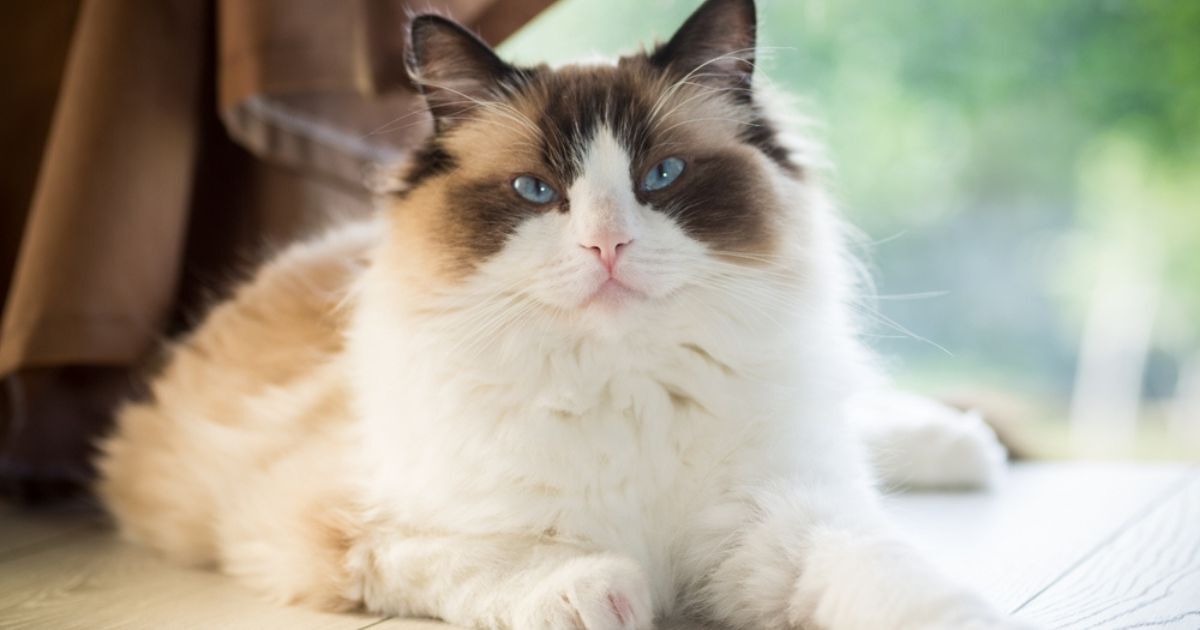
Credit: www.pumpkin.care
Frequently Asked Questions
What Are Common Health Issues In Ragdoll Cats?
Ragdoll cats often face hypertrophic cardiomyopathy, a heart disease. They may also develop bladder stones and kidney problems. Regular vet check-ups help detect these early. Proper diet and exercise support their overall health and longevity.
How Can I Prevent Heart Disease In Ragdoll Cats?
Regular veterinary screenings can catch heart disease early. Feeding a balanced diet and maintaining healthy weight are key. Avoid stress and provide a safe environment. Genetic testing before breeding reduces risk in future litters.
Are Ragdoll Cats Prone To Bladder Stones?
Yes, Ragdoll cats can develop bladder stones. Symptoms include difficulty urinating and blood in urine. Providing fresh water and a proper diet helps prevent stones. Early veterinary care is crucial to avoid complications.
What Signs Indicate Kidney Problems In Ragdoll Cats?
Signs include increased thirst, frequent urination, and weight loss. Lethargy and poor appetite also suggest kidney issues. Early diagnosis through blood and urine tests improves treatment outcomes. Prompt vet visits are essential for kidney health.
Conclusion
Ragdoll cats need regular check-ups to stay healthy. Watch for signs of common health problems. A good diet and exercise help keep them strong. Early care can prevent serious issues later. Know what to expect with your Ragdoll’s health. Love and attention make a big difference too.
Taking simple steps helps your cat live longer. Keep learning about their needs for best care. Your Ragdoll will thank you with happy purrs.
