

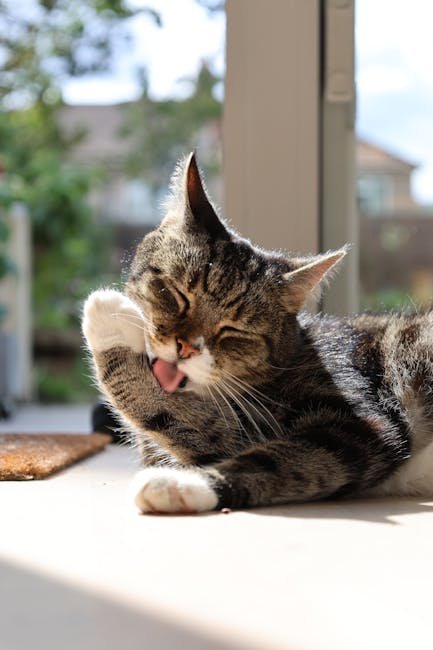
Have you noticed your cat spending more time licking or biting than usual? Excessive grooming in cats can be more than just a quirky habit—it might signal discomfort or stress.
If your furry friend is grooming excessively, it can affect their health and happiness. Understanding why this happens and what you can do is key to keeping your cat comfortable and content. Keep reading to discover the surprising reasons behind your cat’s grooming behavior and how you can help them feel their best.

Credit: pennypaws.com
Reasons For Excessive Grooming
Excessive grooming in cats can signal more than just a clean and tidy feline. It often points to underlying issues that need your attention. Understanding the reasons behind this behavior helps you respond effectively and keep your cat comfortable and healthy.
Stress And Anxiety
Stress can trigger your cat to groom beyond normal levels. Changes in the environment, like moving to a new home or new pets, might make your cat feel uneasy. When your cat licks or scratches excessively, it could be their way of coping with anxiety.
Have you noticed if your cat’s grooming spikes after a stressful event? Observing patterns can help you identify triggers. Offering a calm, safe space and interactive play can reduce stress-induced grooming.
Skin Allergies
Allergies can cause itchiness that leads to excessive grooming. Cats may react to food ingredients, pollen, or household chemicals. If your cat’s skin looks red or inflamed, allergies might be the cause.
Consider a vet visit to pinpoint allergens and discuss treatment options. Sometimes, simply switching your cat’s diet or cleaning products can make a big difference.
Parasite Infestations
Parasites like fleas and mites irritate your cat’s skin, prompting nonstop grooming. Even a few fleas can cause intense itching and discomfort. Check your cat’s fur carefully, especially around the neck and tail base.
Regular parasite prevention is key. If you spot parasites, acting quickly with appropriate treatments will ease your cat’s discomfort and stop excessive grooming.
Pain And Discomfort
Sometimes grooming targets a specific painful area. Cats might lick wounds, arthritis-affected joints, or skin infections. Excessive grooming can be your cat’s way of trying to soothe pain.
Watch if your cat focuses grooming on one spot or limps while walking. Pain requires a vet’s diagnosis and treatment, so don’t delay if you suspect it.
Behavioral Issues
Some cats develop compulsive grooming habits without clear physical causes. This behavior can stem from boredom or frustration, especially in indoor cats lacking stimulation. Your cat might groom to fill time or seek attention.
Adding toys, climbing areas, and interactive sessions can reduce boredom. Have you tried changing your cat’s routine to see if grooming decreases? Behavioral issues often improve with more mental and physical engagement.

Credit: petcube.com
Identifying Signs Of Overgrooming
Excessive grooming in cats can signal stress, allergies, or health issues. Identifying overgrooming early helps protect your cat’s skin and fur. Watch your cat closely for physical signs and behavior changes. These indicators often reveal discomfort before serious problems develop.
Bald Patches And Redness
Bald spots appear when cats lick or bite fur too much. Skin in these areas often looks red and irritated. These patches usually happen on the belly, legs, or neck. Notice if your cat’s fur thins or falls out suddenly. Redness shows inflammation and may cause your cat pain.
Scabs And Sores
Scabs and sores form when cats scratch or bite their skin repeatedly. These wounds may bleed or ooze clear liquid. Sores can get infected if untreated, leading to more pain. Check for crusty spots or open wounds on your cat’s body. These signs need fast attention to prevent infection.
Changes In Grooming Habits
Watch for changes in how often your cat grooms itself. Excessive licking or biting differs from normal cleaning. Your cat may spend hours grooming the same spot. Or it might groom less due to pain or stress. Sudden shifts in grooming behavior hint at underlying problems.
Medical Treatments And Care
Excessive grooming in cats can be a sign of underlying health problems that need immediate attention. Medical treatments and care are essential to address the root causes and provide relief. Understanding the available options helps you make informed decisions for your cat’s well-being.
Veterinary Diagnosis
Getting a professional diagnosis is the first step. Your vet will examine your cat thoroughly and may run tests such as skin scrapings or blood work. This helps identify allergies, infections, or other conditions causing the excessive grooming.
Don’t ignore subtle signs like bald patches or redness. Early diagnosis can prevent further damage and improve treatment success. Have you noticed changes in your cat’s behavior or skin that worry you?
Medications And Topical Treatments
Depending on the diagnosis, your vet may prescribe medications like antihistamines or steroids to reduce itching and inflammation. Topical treatments such as medicated shampoos or creams often help soothe irritated skin directly.
Applying these treatments consistently is crucial. Some cats may resist, so patience and gentle handling are key. Have you tried different techniques to make medication time easier for your cat?
Parasite Control
Parasites like fleas or mites are common triggers of excessive grooming. Effective parasite control involves using vet-approved treatments such as spot-on solutions, collars, or oral medications.
Regularly checking your cat and maintaining a clean environment reduces the risk of reinfestation. Are you aware of the parasite prevention schedule recommended for your cat’s lifestyle?
Behavioral And Environmental Solutions
Excessive grooming in cats often signals stress or boredom. Changing your cat’s environment and behavior can reduce this habit. These solutions focus on making your cat feel safe, happy, and engaged. Small adjustments can lead to big improvements in your cat’s well-being.
Reducing Stress Triggers
Stress causes cats to groom too much. Identify what scares or annoys your cat. Loud noises, other pets, or new people can trigger stress. Keep your cat’s space quiet and calm. Give your cat a safe place to hide. Avoid sudden changes in routine. A calm environment helps reduce grooming caused by stress.
Providing Enrichment And Play
Boredom leads to over-grooming in cats. Provide toys that encourage hunting and chasing. Rotate toys often to keep your cat interested. Play with your cat daily to burn energy. Use puzzle feeders to challenge your cat’s mind. Enrichment helps your cat stay active and happy. A busy cat is less likely to groom excessively.
Using Calming Products
Calming products can ease your cat’s anxiety. Pheromone diffusers release comforting scents that cats recognize. Calming collars provide steady relief throughout the day. Herbal sprays and supplements may help some cats relax. Use these products alongside other solutions for best results. They create a peaceful environment that reduces over-grooming.
Preventing Excessive Grooming
Excessive grooming in cats can be a sign of underlying issues that need your attention. Preventing this behavior early can save your feline friend from discomfort and potential skin problems. Focusing on health, diet, and environment plays a crucial role in keeping your cat calm and happy.
Regular Health Checkups
Regular visits to the vet help spot health problems before they escalate into excessive grooming. Skin allergies, parasites, or pain can make your cat lick or scratch more than usual. Have your vet examine your cat if you notice sudden changes in grooming habits.
Think about your last vet visit—did you mention any unusual grooming signs? Ignoring these could lead to serious skin infections or stress-related behaviors.
Balanced Diet And Nutrition
Your cat’s diet directly affects their skin and coat health. Nutrient deficiencies, especially in omega fatty acids, can cause dry, itchy skin that leads to over-grooming. Feeding high-quality food with the right balance of vitamins and fats supports healthy fur and reduces irritation.
Have you checked the ingredients in your cat’s food lately? Adding supplements like fish oil might improve their skin condition and ease grooming urges.
Maintaining A Clean Environment
A clean living space reduces allergens and irritants that trigger excessive grooming. Regularly wash bedding, clean litter boxes, and vacuum areas your cat frequents to minimize dust and flea exposure. This simple habit can dramatically lower stress and skin problems in your cat.
What’s your cleaning routine like? Small changes in hygiene can make a big difference in your cat’s comfort and grooming behavior.
Credit: pethelpful.com
Frequently Asked Questions
Why Is My Cat Grooming Excessively?
Excessive grooming in cats can signal stress, allergies, or skin infections. It may also indicate parasites or pain. Observing behavior and checking for skin issues helps identify causes. Consult a vet if grooming is persistent or causes bald spots.
Can Allergies Cause Cats To Groom Too Much?
Yes, allergies often trigger excessive grooming. Cats may lick or bite irritated skin from food, pollen, or flea allergies. Identifying and removing allergens reduces grooming. A vet can recommend allergy treatments or special diets to ease symptoms.
How To Stop My Cat From Over-grooming?
To reduce over-grooming, address underlying causes like stress or skin problems. Provide enrichment, playtime, and a calm environment. Use flea control and vet-prescribed medications if needed. Avoid punishment, as it worsens anxiety and grooming.
When Should I See A Vet For Excessive Grooming?
See a vet if grooming leads to bald patches, wounds, or skin infections. Also, consult if your cat grooms obsessively or changes behavior suddenly. Early diagnosis ensures effective treatment and prevents further health issues.
Conclusion
Excessive cat grooming can signal health or stress problems. Watch your cat’s behavior closely. Seek help from a vet if grooming seems too much. Keeping your cat calm and healthy is key. Regular check-ups help catch issues early. A happy cat grooms just the right amount.
Care and attention make all the difference. Don’t ignore signs of over-grooming. Your cat depends on you to stay well.
