


If you have a Persian cat, you know how beautiful and fluffy they are. But keeping that soft, silky coat looking perfect takes some effort.
Grooming your Persian cat isn’t just about looks—it helps keep your furry friend healthy and happy. You might wonder how to avoid those stubborn mats or keep your cat calm during brushing. This guide will show you simple, effective steps to make grooming easy for both you and your cat.
Ready to learn the secrets to a stress-free grooming routine? Let’s dive in!
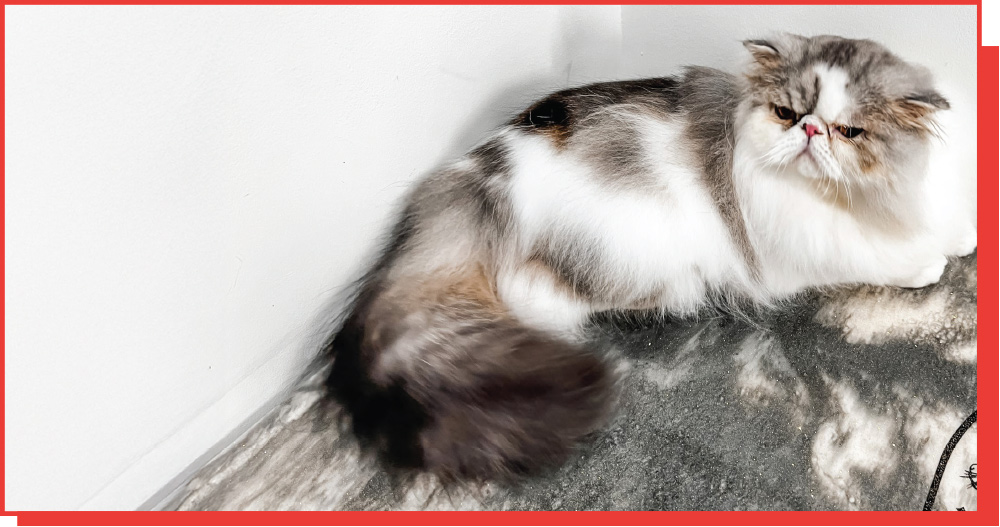
Credit: digital.groomertogroomer.com
Persian Cat Coat Basics
Understanding your Persian cat’s coat is essential for effective grooming. Their luxurious fur requires special care that goes beyond basic brushing. Knowing the basics helps you avoid common pitfalls and keeps your cat comfortable and looking stunning.
Unique Fur Characteristics
Persian cats have long, dense, and silky fur that forms a thick undercoat beneath the top layer. This double coat gives them a plush, voluminous look but also means their fur can easily trap dirt and debris. Unlike short-haired cats, their fur grows continuously, requiring regular trimming to prevent it from becoming unruly.
One thing I learned the hard way is that their fur is more prone to matting around sensitive areas like behind the ears and under the legs. These spots need extra attention during grooming sessions. Have you ever noticed how their fur can feel like fine silk but also cling stubbornly to your clothes? That’s due to the unique texture and density.
Common Grooming Challenges
Matting is the most common challenge you’ll face. When mats form, they can pull on your cat’s skin and cause discomfort or even infections. Regular brushing, ideally daily, helps prevent these painful tangles from developing.
Another issue is shedding, which can be excessive if the coat isn’t properly maintained. You might find hairballs becoming more frequent if your cat ingests loose fur. Using a wide-toothed comb to gently remove loose hair before it falls out can reduce this problem significantly.
Lastly, Persian cats often have oily skin that can cause their fur to look greasy or dirty quickly. A gentle bath every few weeks, combined with a suitable cat shampoo, keeps their coat fresh and healthy. How often do you check your cat’s coat for signs of oil buildup or irritation?
Essential Grooming Tools
Grooming a Persian cat requires more than just patience; it demands the right set of tools to keep their luxurious coat healthy and tangle-free. Having the essential grooming tools on hand makes the process smoother for both you and your cat. It also helps prevent skin issues and keeps your feline friend looking their best.
Brushes And Combs
Regular brushing prevents mats and reduces shedding. A wide-toothed comb works well to gently detangle thick fur without pulling. Follow up with a fine-toothed comb to catch smaller knots and remove loose hair.
Many owners find using a slicker brush ideal for their Persian’s dense undercoat. You might notice your cat relaxing as you brush — a clear sign they’re enjoying the attention. Have you tried different types of brushes to see which your cat prefers?
Bathing Supplies
Bathing a Persian cat keeps their coat clean and reduces oil buildup. Use a mild, cat-specific shampoo to avoid skin irritation. A gentle conditioner can help maintain softness and ease combing after the bath.
Prepare a non-slip surface in your sink or tub to keep your cat safe during bath time. Warm water, not hot, is best for comfort. Have you noticed how a calm environment changes your cat’s reaction to baths?
Nail Care Tools
Trimming your Persian’s nails prevents scratching injuries and keeps furniture safe. Use sharp, small pet nail clippers for precision. A nail file can smooth rough edges after trimming to avoid accidental snags.
Some cats dislike nail trims at first. Try clipping just one or two nails per session to build tolerance. How do you calm your cat during nail care?
Daily Grooming Routine
Daily grooming keeps a Persian cat healthy and happy. Their thick fur needs care every day. Regular grooming stops mats and tangles. It also helps reduce shedding. A calm routine strengthens the bond with your cat. Spending a few minutes daily makes a big difference.
Brushing Techniques
Use a wide-toothed comb first to remove knots. Then, switch to a fine-toothed comb for smooth fur. Brush gently in the direction of hair growth. Pay close attention to behind the ears and under the legs. These areas get tangled easily. Avoid pulling on mats to prevent pain. Regular brushing helps spread natural oils for a shiny coat.
Eye And Face Cleaning
Persian cats often have watery eyes. Clean their face daily to prevent stains. Use a soft, damp cloth or cotton ball. Wipe gently from the corner of the eye outward. Use a different cloth for each eye to avoid infection. Check for redness or swelling regularly. Daily cleaning keeps the face fresh and healthy.
Bathing Your Persian Cat
Bathing your Persian cat can feel like a big task, but with the right approach, it’s a chance to keep your feline friend healthy and happy. Persian cats have long, dense fur that can trap dirt and oils, so regular baths are essential to avoid matting and skin issues. Are you ready to make bath time a calm and positive experience for both you and your cat?
Choosing The Right Shampoo
Pick a shampoo designed specifically for cats. Human shampoos or dog shampoos can irritate your Persian’s sensitive skin. Look for gentle, hypoallergenic formulas that moisturize without stripping natural oils.
Some shampoos contain ingredients that help reduce shedding or add shine. If your cat has allergies or skin conditions, consult your vet for a recommended product. Avoid shampoos with strong fragrances—they might overwhelm your cat’s nose.
Step-by-step Bath Process
- Start by brushing your Persian thoroughly to remove knots and loose fur.
- Fill the tub or sink with a few inches of lukewarm water—test the temperature yourself first.
- Place your cat gently into the water, speaking in a calm voice to ease nerves.
- Wet your cat’s coat slowly using a cup or sprayer, avoiding the head initially.
- Apply shampoo evenly and massage it into the fur, focusing on dirty or oily areas.
- Rinse thoroughly to remove all soap, as leftover residue can cause irritation.
- Use a damp cloth to gently clean your cat’s face, avoiding water in the eyes and ears.
Have you noticed how your cat reacts to water? Adjust your pace and tone to keep them relaxed.
Drying Tips
Wrap your Persian in a soft, absorbent towel and gently pat dry. Avoid rubbing, which can tangle the fur. You might need several towels if your cat’s coat is very thick.
If your cat tolerates it, use a hairdryer on the lowest heat and speed setting. Keep the dryer moving and hold it at a safe distance. Many Persians dislike loud noises, so be patient and take breaks.
Brushing while drying helps prevent mats and speeds up the process. Have you tried using a comb or slicker brush during drying? It can make a big difference in your cat’s coat texture.
Managing Mats And Tangles
Managing mats and tangles in a Persian cat’s thick, luxurious coat can be challenging but is essential for their comfort and health. Left unattended, mats can cause skin irritation and make grooming a stressful experience for both you and your cat. Understanding how to prevent mats and safely remove them will keep your feline friend happy and looking their best.
Preventive Measures
Regular brushing is your first defense against mats. Aim for daily grooming sessions using a wide-toothed comb to gently detangle and a slicker brush to smooth the coat. This frequent attention stops small tangles from turning into painful mats.
Check areas prone to matting such as behind the ears, under the legs, and around the collar. These spots often get overlooked but can develop dense knots quickly.
Bathing your Persian every 4 to 6 weeks helps keep the fur clean and less prone to tangling. Use a gentle cat shampoo and ensure your cat is completely dry before brushing to avoid worsening any tangles.
Safe Removal Methods
If you find mats, approach them with patience. Never pull hard, as this can hurt your cat and damage their fur. Instead, use a detangling spray made for cats to soften the knots.
Start by gently teasing the mat apart with your fingers or a mat splitter. Follow up with a dematting comb, working from the edges inward. If the mat is too tight, carefully cut it out with blunt-ended scissors, placing a comb between the mat and the skin to protect your cat.
Consider breaking the mat into smaller sections to make removal easier. If you’re unsure or the mat covers a large area, seek help from a professional groomer to avoid injury.
Nail Trimming And Paw Care
Keeping your Persian cat’s nails trimmed and paws well cared for is key to their comfort and health. Neglecting these areas can lead to painful overgrowth or infections. Regular attention not only protects your furniture but also helps your cat move gracefully without discomfort.
Trimming Tips
Trim your Persian’s nails every two to three weeks to prevent them from becoming too long or sharp. Use a pair of cat-specific nail clippers to avoid splintering or crushing the nails. If your cat’s nails are clear, aim to cut just below the pink part called the quick to avoid bleeding.
Try to keep your cat calm by gently stroking their paws before trimming. If your cat is nervous, trim just one or two nails at a time and reward with treats. Have styptic powder on hand in case you accidentally cut too close and cause bleeding.
Paw Pad Maintenance
Check your Persian’s paw pads regularly for cuts, cracks, or debris trapped between toes. Use a damp cloth to gently wipe the pads and remove dirt. Dry the pads thoroughly to prevent fungal infections, especially in humid climates.
Consider applying a small amount of pet-safe moisturizer if the pads appear dry or cracked. Avoid human lotions as these can irritate your cat’s sensitive skin. Have you noticed how your cat reacts when you touch their paws? Their comfort level can guide how often you perform these checks.
Diet And Coat Health
Keeping your Persian cat’s coat healthy starts with what they eat. A balanced diet directly affects the texture, shine, and strength of their fur. If you want your cat’s coat to look soft and vibrant, paying attention to their nutritional intake is key.
Nutritional Needs
Persian cats need high-quality protein to maintain their thick, luxurious coat. Protein helps repair fur and supports new hair growth. Look for cat food with real meat like chicken, turkey, or fish as the first ingredient.
Omega-3 and omega-6 fatty acids play a big role in keeping the skin hydrated and the coat glossy. These fats reduce dryness and itching, making grooming easier for you. Foods rich in these fatty acids include fish oil and flaxseed oil.
Don’t forget vitamins such as vitamin E and biotin. They help strengthen the hair follicles and prevent fur from becoming brittle. You might notice your Persian’s coat becoming dull if their diet lacks these essential nutrients.
Supplements For Shiny Fur
If your cat’s coat still looks lackluster, consider adding supplements to their diet. Fish oil capsules or liquid supplements provide a concentrated source of omega-3 fatty acids. I once added fish oil to my Persian’s meals, and within weeks, her fur was noticeably softer and shinier.
Other supplements like zinc and collagen can support healthy skin and fur growth. Before adding anything new, check with your vet to ensure it’s safe and appropriate. Over-supplementing can cause more harm than good.
Have you ever noticed how your cat’s coat changes with diet? Paying close attention to what your Persian eats can make grooming less of a chore and more of a joy.

Credit: cats.com
When To Seek Professional Help
Knowing when to seek professional help is crucial for your Persian cat’s health. Grooming needs can sometimes go beyond regular brushing at home. Professionals can spot problems early and provide treatments you cannot do yourself.
Persistent issues or unusual signs require expert attention. This ensures your cat stays comfortable and healthy. Understanding the signs and choosing the right groomer will make the process smooth and safe.
Signs Of Skin Issues
- Red or irritated patches on the skin
- Constant scratching or biting
- Hair loss or bald spots
- Scabs, sores, or crusty areas
- Unusual lumps or bumps under the fur
- Foul smell from the skin or coat
These signs show your cat may need medical care or special grooming. A professional can provide proper treatment and advice.
Choosing A Groomer
- Find someone experienced with Persian cats
- Check reviews and ask for recommendations
- Ensure the groomer uses gentle tools and methods
- Look for a calm and clean environment
- Confirm the groomer can handle skin or coat issues
- Discuss your cat’s specific needs before appointments
Choosing the right groomer helps keep your Persian cat safe and relaxed during grooming sessions.

Credit: m.youtube.com
Frequently Asked Questions
How Often Should I Groom My Persian Cat?
Groom your Persian cat daily to prevent matting and tangles. Regular grooming helps maintain their coat’s health. Use a wide-toothed comb and a soft brush. Pay attention to areas prone to matting, like under the legs and around the neck.
What Tools Do I Need For Grooming?
For grooming, you’ll need a wide-toothed comb, soft brush, and a detangling spray. These tools help prevent matting and maintain a healthy coat. A nail clipper and ear cleaner are also essential for complete care. Regular grooming keeps your Persian cat comfortable and happy.
How Do I Prevent Hairballs In Persian Cats?
Regular grooming helps reduce hairballs in Persian cats by removing loose fur. Use a specialized brush to minimize shedding. Providing a balanced diet with fiber can also aid in digestion and reduce hairball formation. Ensure your cat stays hydrated for optimal digestive health.
How Can I Clean My Persian Cat’s Face?
Clean your Persian cat’s face daily using a damp, soft cloth. Focus on the eyes and nose area to remove stains and debris. Use gentle strokes and avoid harsh chemicals. Regular cleaning prevents tear stains and keeps your cat’s face healthy and clean.
Conclusion
Grooming a Persian cat takes patience and care. Regular brushing keeps their fur soft and tangle-free. Clean their eyes and ears gently every day. Use the right tools to avoid hurting your cat. A clean, healthy cat is a happy cat.
Small daily efforts make a big difference. Enjoy the bonding time during grooming sessions. Your Persian will look beautiful and feel comfortable. Keep grooming simple and consistent for best results.
