

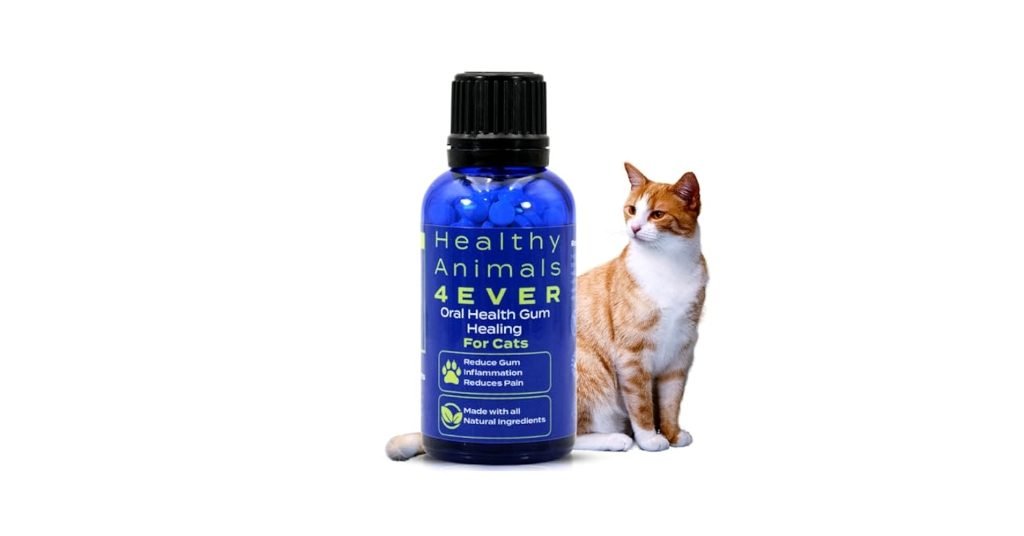
Your cat’s smile is more than just adorable—it’s a key part of their overall health. But did you know that many cats suffer silently from dental problems that can cause pain and lead to serious health issues?
If you want to keep your furry friend happy and healthy, understanding oral health for cats is a must. You’ll discover simple, effective ways to protect your cat’s teeth and gums, helping them live a longer, more comfortable life. Keep reading to learn how you can make a real difference in your cat’s well-being starting today.

Credit: www.amazon.com
Importance Of Cat Oral Health
Good oral health is vital for cats. It affects their overall well-being and happiness. Poor dental care can lead to pain, infection, and serious health problems. Cats often hide discomfort, making regular checks important. Healthy teeth and gums help cats eat and play without pain. Taking care of their mouth improves quality of life and longevity.
Prevention Of Dental Diseases
Regular oral care prevents common problems like plaque and tartar. These build-ups cause bad breath and gum disease. Untreated, they lead to tooth loss and infections. Early prevention reduces the need for costly treatments. Clean teeth and gums keep cats comfortable and healthy.
Impact On Overall Health
Oral infections can spread to other parts of the body. The heart, liver, and kidneys may be affected. This can cause serious illnesses and reduce lifespan. Maintaining oral health protects vital organs from harm. It supports your cat’s whole-body health.
Signs Of Oral Problems In Cats
- Bad breath
- Difficulty eating
- Red or swollen gums
- Drooling or pawing at the mouth
- Loose or broken teeth
Recognizing these signs early helps get timely treatment. Watch your cat closely for any changes in behavior.

Credit: www.workssowell.com
Common Dental Issues In Cats
Cats often face dental problems that affect their health and comfort. These issues may go unnoticed without regular checks. Understanding common dental problems helps in spotting signs early. Early care can prevent serious damage and pain.
Plaque And Tartar Buildup
Plaque is a sticky film of bacteria that forms on cat teeth. If not cleaned, it hardens into tartar. Tartar looks like yellow or brown deposits near the gum line. It causes bad breath and can lead to gum problems. Regular brushing helps reduce plaque and tartar buildup.
Gingivitis And Periodontal Disease
Gingivitis is gum inflammation caused by plaque buildup. Gums become red, swollen, and may bleed. Untreated gingivitis can progress to periodontal disease. This serious condition damages tissues and bones around teeth. It causes pain, loose teeth, and infection risks.
Tooth Resorption
Tooth resorption happens when a cat’s body breaks down tooth structures. It often starts at the gum line and worsens over time. Affected teeth become sensitive and may break easily. Cats with tooth resorption might avoid eating or paw at their mouth. Dental exams can detect this early.
Oral Infections
Oral infections occur when bacteria enter damaged gums or teeth. They cause swelling, pain, and pus formation. Infections can spread to other parts of the body. Signs include bad breath, drooling, and difficulty eating. Prompt veterinary care is necessary to treat infections.
Signs Of Oral Problems
Recognizing the signs of oral problems in your cat is crucial for maintaining their overall health. Cats are experts at hiding pain, so noticing subtle changes can make a big difference. Paying attention to these signs early can help you act before the issue worsens.
Bad Breath
Have you noticed a foul smell when your cat gets close to your face? Bad breath is one of the most common indicators of dental issues in cats. It often points to plaque buildup, gum disease, or even tooth decay.
Don’t ignore persistent bad breath. A quick sniff test during your cat’s cuddle time can reveal if something is wrong inside their mouth.
Difficulty Eating
Your cat may start avoiding hard food or chewing on one side of their mouth. This behavior can signal pain or discomfort caused by oral problems. Watch for sudden changes in eating habits or weight loss.
Ask yourself: Is your cat finishing their meals as usual, or do they seem hesitant? Difficulty eating is a red flag that needs immediate attention.
Drooling And Pawing At Mouth
Excessive drooling is unusual for most cats and often indicates oral pain or irritation. If your cat is pawing at their mouth frequently, they might be trying to relieve discomfort.
These actions can be subtle, so observe your cat’s behavior closely. If you see this, it’s time to check their mouth or visit the vet.
Swollen Or Bleeding Gums
Healthy cat gums should be pink and firm. Swelling or bleeding gums can point to gingivitis or more serious infections. Look inside your cat’s mouth regularly to spot any redness or bleeding.
Have you ever checked your cat’s gums during grooming? This simple habit can help you catch problems early and keep your cat’s mouth healthy.
Daily Oral Care Routine
Keeping your cat’s mouth clean every day helps prevent dental problems. A daily oral care routine supports healthy teeth and gums. It also reduces bad breath and pain from dental disease. Small, consistent steps make a big difference over time.
Brushing Your Cat’s Teeth
Brushing removes plaque before it turns into tartar. Use gentle strokes and focus on the outer surfaces. Cats often dislike having their mouth touched, so be patient. Start with short sessions and increase time slowly. Aim to brush at least once a day for best results.
Choosing The Right Toothpaste And Brush
Use toothpaste made especially for cats. Human toothpaste can harm them. Cat toothpaste comes in flavors like poultry or fish to appeal to their taste. Pick a soft-bristled toothbrush or a finger brush designed for cats. These tools are gentle and easier to control in a small mouth.
Introducing Brushing Gradually
Let your cat get used to the taste and feel first. Start by letting them lick the toothpaste from your finger. Then, gently rub their gums with your finger or a soft cloth. Slowly introduce the brush once your cat is comfortable. Always stay calm and reward your cat with praise or treats.
Diet And Oral Health
Your cat’s diet plays a crucial role in maintaining their oral health. What you feed your feline friend can either help reduce plaque buildup or contribute to dental problems. Choosing the right foods and treats can support cleaner teeth and fresher breath without extra effort.
Dental Diets And Treats
Specially formulated dental diets are designed to clean your cat’s teeth as they chew. These foods often have larger kibble sizes or unique textures that gently scrape off plaque. Some even contain ingredients that help reduce tartar formation chemically.
Dental treats work similarly by encouraging chewing, which massages gums and reduces bacteria. But be cautious—some treats are high in calories or sugar, which can harm oral health. Look for products approved by veterinary dental organizations to ensure effectiveness and safety.
Foods That Promote Healthy Teeth
Including crunchy vegetables like carrots or certain types of dry food can help keep your cat’s teeth cleaner. These foods stimulate chewing and saliva production, which naturally fights plaque.
Omega-3 fatty acids found in fish can reduce inflammation in gums and improve oral tissue health. You might consider adding a fish oil supplement or feeding fish-based meals occasionally.
Have you noticed how your cat’s breath changes with different foods? Paying attention to these signs can guide you to better dietary choices for their dental wellbeing.

Credit: www.amazon.com
Professional Dental Care
Professional dental care is vital for your cat’s oral health. It helps prevent pain, infections, and tooth loss. Cats often hide dental problems, so expert care is essential. Regular visits to the vet keep your cat’s mouth healthy and comfortable.
Regular Veterinary Checkups
Routine checkups help detect dental issues early. The vet will examine your cat’s teeth and gums closely. They look for signs like bad breath, redness, or swelling. Early detection allows treatment before serious problems develop.
During the checkup, vets may recommend dental X-rays. These show hidden problems under the gums. Checkups also give a chance to discuss home dental care tips. Staying consistent with visits improves your cat’s oral health.
Dental Cleanings And Procedures
Professional cleanings remove plaque and tartar that brushing can’t. Vets use special tools to clean under the gumline. This prevents gum disease and tooth decay. Cleanings usually require anesthesia to keep your cat still and safe.
Some cats need extra dental work. Procedures may include tooth extractions or treatment of infections. These help relieve pain and stop disease spread. Aftercare from the vet ensures a smooth recovery for your cat.
Home Remedies And Preventive Tips
Keeping your cat’s teeth clean doesn’t always require a vet visit. There are simple home remedies and preventive tips that can make a big difference in your cat’s oral health. These methods are easy to apply and can save your furry friend from pain and costly treatments.
Using Dental Sprays And Gels
Dental sprays and gels are easy tools to help reduce plaque and freshen your cat’s breath. They often contain ingredients like chlorhexidine or enzymes that fight bacteria. You can apply them directly to your cat’s gums or teeth, making the process stress-free for both of you.
Many cats tolerate sprays better than brushing, especially if they are shy or anxious. Have you tried different flavors or types to see which your cat prefers? Small, consistent applications can prevent tartar buildup over time.
Providing Chew Toys
Chew toys aren’t just for dogs; cats benefit from them too. They encourage natural chewing behavior, which helps scrape off plaque. Choose toys made from safe materials and that fit comfortably in your cat’s mouth.
Some toys are designed specifically to promote dental health by massaging gums and reducing bad breath. Notice how your cat reacts to various toys—some might be more playful, while others serve the dental purpose better. Can your cat’s favorite toy double as a dental aid?
Maintaining Overall Health
Good oral health starts with your cat’s overall well-being. Proper nutrition supports strong teeth and gums. Feeding high-quality food, rich in vitamins and minerals, strengthens your cat’s immune system to fight infections.
Regular check-ups and monitoring for signs like bad breath, drooling, or difficulty eating can catch problems early. Have you observed subtle changes in your cat’s eating habits? Addressing these quickly helps maintain their comfort and health long term.
Frequently Asked Questions
How Often Should I Brush My Cat’s Teeth?
Brushing your cat’s teeth daily is ideal. If not possible, aim for at least three times a week. Regular brushing helps prevent plaque buildup and dental diseases, promoting overall oral health for your cat.
What Are Common Signs Of Dental Problems In Cats?
Look for bad breath, drooling, difficulty eating, or pawing at the mouth. Red or swollen gums and yellow teeth also indicate dental issues. Early detection helps in timely treatment and prevents serious complications.
Can Dental Treats Improve My Cat’s Oral Health?
Yes, dental treats can reduce plaque and tartar buildup. They stimulate chewing, which naturally cleans teeth. Choose treats specifically designed for dental care and consult your vet for the best options.
When Should I Schedule A Professional Dental Cleaning For My Cat?
Schedule a professional cleaning annually or as recommended by your vet. Cats with dental issues may need more frequent cleanings. Regular checkups help maintain oral health and detect problems early.
Conclusion
Healthy teeth help cats live longer and feel better. Regular brushing keeps their mouths clean and fresh. Check your cat’s teeth often for signs of trouble. Visit the vet for dental checkups and care. Good oral health prevents pain and other health issues.
Small steps every day make a big difference. Your cat will thank you with happy purrs and bright eyes. Keep their smile strong and their life joyful. Simple care protects your furry friend’s health and happiness.
