

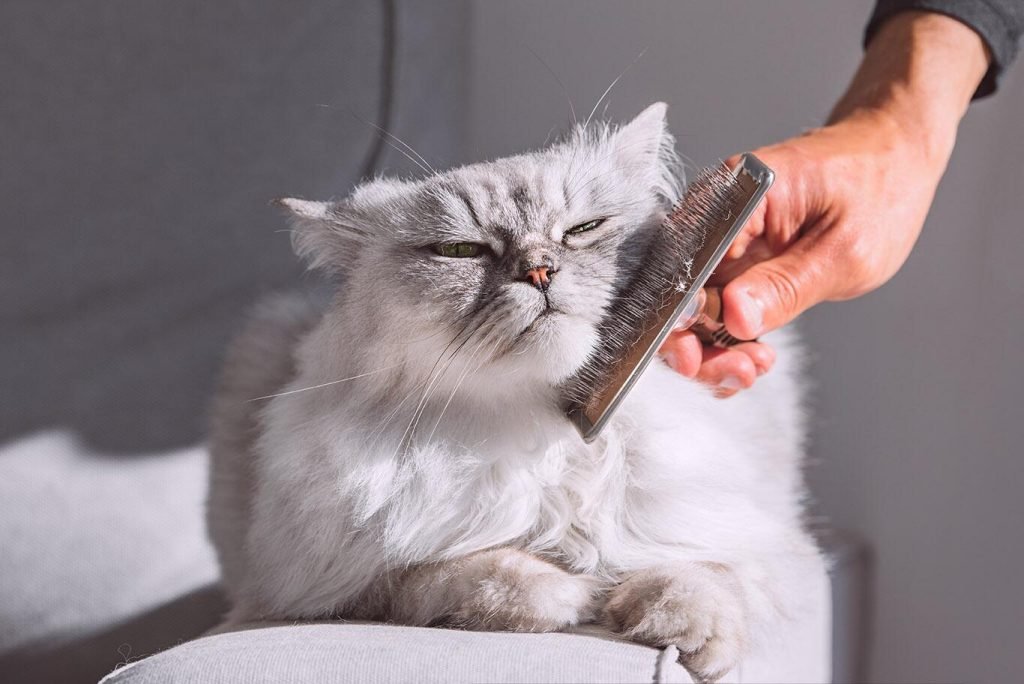
If you have a long-haired cat, you know how important grooming is to keep their coat healthy and beautiful. But sometimes, it can feel overwhelming or confusing.
How often should you brush? What tools work best? And how do you make the experience comfortable for your furry friend? This guide will answer all your questions and give you simple, effective tips to make grooming easy and stress-free.
Keep reading to discover how you can keep your long-haired cat looking and feeling their best every day.

Credit: www.reddit.com
Choosing The Right Grooming Tools
Choosing the right grooming tools for your long-haired cat is crucial to keep their coat healthy and tangle-free. Using poor-quality or unsuitable tools can cause discomfort or even harm your cat. Investing time to understand which tools work best will save you frustration and make grooming a pleasant experience for both you and your feline friend.
Brush Types For Long Fur
Long-haired cats need brushes that can reach deep into their thick fur. Slicker brushes are a popular choice because their fine, short wires remove loose hair and untangle mats effectively. Pin brushes work well for daily grooming and help distribute natural oils to keep the coat shiny.
Have you noticed how your cat reacts to different brushes? A gentle slicker brush often calms nervous cats, while some may prefer the softer feel of a bristle brush. Try different options to find what your cat enjoys the most.
Combs And Clippers
Combs with wide and narrow teeth are excellent for detangling stubborn knots and checking for debris or skin issues. They help you spot problem areas early before mats form. Clippers are useful if you need to trim matted fur or maintain hygiene around sensitive areas.
Make sure clippers are designed for pets and operate quietly to avoid startling your cat. Have you ever tried trimming your cat’s fur yourself? It requires patience and the right tools to avoid accidental cuts or stress.
Additional Grooming Accessories
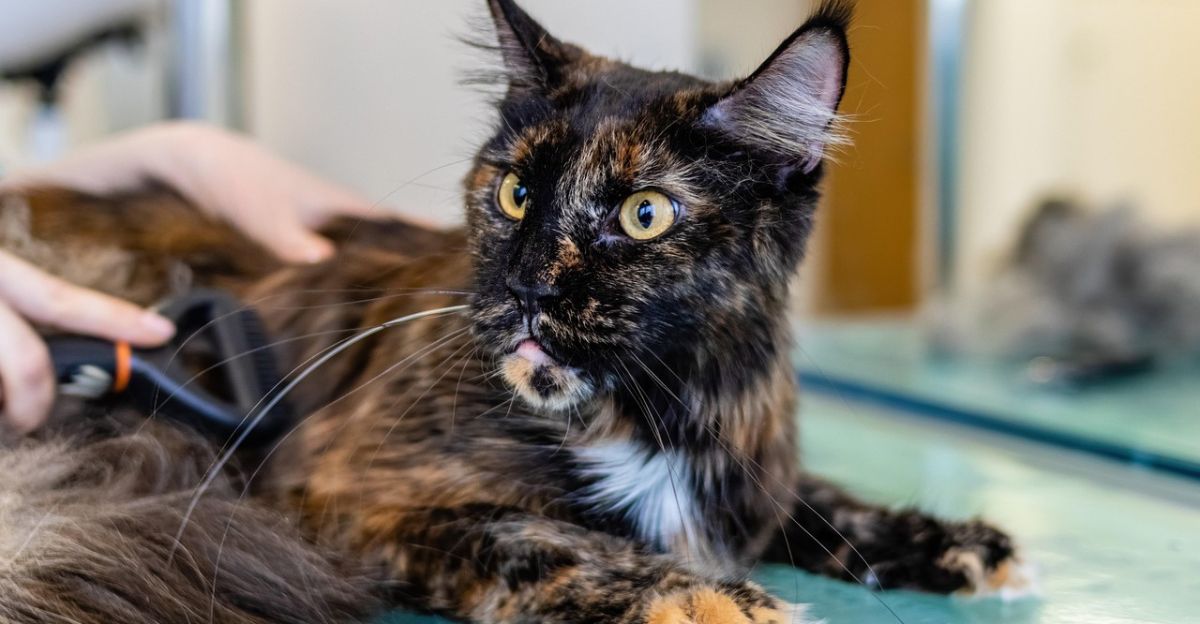
Besides brushes and combs, consider adding grooming gloves to your toolkit. They provide a soothing massage while removing loose hair, making grooming feel like a bonding moment. Nail clippers are also essential to prevent scratching injuries during grooming sessions.
Keep a detangling spray handy if your cat’s fur tends to mat quickly. It softens the hair and makes brushing easier. What small grooming tools have you found make a big difference in caring for your long-haired cat?
Credit: tryfurgo.com
Preparing Your Cat For Grooming
Preparing your long-haired cat for grooming helps make the process smooth and stress-free. Cats can feel nervous or restless during grooming. Taking time to prepare them ensures safety and comfort. It also helps build trust between you and your cat. Here are key steps to prepare your cat before grooming.
Creating A Calm Environment
Choose a quiet room with minimal noise and distractions. Soft lighting helps your cat feel relaxed. Keep the room warm and comfortable. Remove any strong smells or loud sounds that might scare your cat. Play gentle music or use a white noise machine if needed. Place your grooming tools nearby to avoid interruptions.
Getting Your Cat Comfortable
Allow your cat to explore the grooming area before starting. Offer treats to create positive feelings. Gently stroke or pet your cat to calm them. Speak softly and use soothing tones. Let your cat sit on your lap or a soft towel. Short, gentle touch sessions prepare your cat for longer grooming.
Safety Precautions
Check your grooming tools for sharp edges or damage. Use a well-lit area to see clearly. Keep your cat’s nails trimmed to avoid scratches. Have a helper nearby if your cat is nervous. Avoid forcing your cat to stay still; take breaks if needed. Use a towel to gently hold your cat if they struggle. Always watch for signs of stress or discomfort.
Step-by-step Grooming Process
Grooming a long-haired cat requires patience and gentle care. Regular grooming keeps their coat healthy and free from tangles. It also helps reduce shedding and hairballs. Follow these easy steps to make grooming a pleasant experience for your cat.
Brushing Techniques
Use a wide-toothed comb or a soft-bristle brush. Start brushing at the head and move toward the tail. Brush in the direction of hair growth. Be gentle near sensitive areas like the belly and legs. Brush your cat regularly, at least three times a week. This prevents mats and keeps fur smooth.
Detangling Mats And Knots
Check your cat’s coat for mats before brushing. Use your fingers to gently loosen small knots. For stubborn mats, use a mat splitter or scissors carefully. Hold the fur close to the skin to avoid pulling. Do not cut the skin or hair too short. Regular brushing helps stop mats from forming.
Bathing Tips For Long-haired Cats
Bathing is not always necessary but can help with very dirty fur. Use a cat-safe shampoo and warm water. Wet the fur slowly and avoid the cat’s face and ears. Lather gently and rinse well to remove all shampoo. Dry your cat with a towel and keep them warm. Use a hairdryer only on low and if your cat tolerates it.
Managing Shedding And Hairballs
Managing shedding and hairballs is essential for keeping your long-haired cat healthy and comfortable. Cats with long fur shed more, which can cause hairballs. Hairballs form when cats swallow loose fur while grooming themselves. These can cause discomfort and sometimes lead to digestive issues. Proper care helps reduce shedding and minimize hairballs.
Regular Grooming Schedule
Brush your cat daily to remove loose fur. Use a wide-toothed comb or slicker brush designed for long hair. Regular grooming prevents mats and tangles that trap shedding fur. It also reduces the amount your cat swallows. Set a routine that fits your cat’s comfort and your schedule. Start with short sessions and increase time gradually.
Diet And Hydration Impact
Healthy skin and coat depend on good nutrition. Feed a balanced diet rich in omega-3 and omega-6 fatty acids. These nutrients improve coat shine and reduce shedding. Fresh water supports overall health and skin hydration. Dehydrated cats have dry skin, which increases fur loss. Offer clean water daily and consider wet food to boost hydration.
Using Hairball Remedies
Hairball remedies help your cat pass swallowed fur easily. Use vet-approved gels or treats formulated to break down hairballs. Apply these products as directed to avoid overdose. Some remedies contain lubricants that ease fur passage through the digestive tract. Observe your cat’s reaction and consult your vet if hairballs persist or worsen.
Common Grooming Challenges
Grooming a long-haired cat often comes with its share of challenges that can test your patience and skills. Understanding these common obstacles can prepare you to handle your cat more effectively and keep their coat healthy and beautiful. Let’s look at some frequent issues you might face and how you can tackle them.
Handling Uncooperative Cats
Many cats don’t enjoy being groomed, especially if they are not used to it. You might notice your cat squirming, scratching, or even trying to escape. Staying calm and patient is crucial here.
Try breaking grooming into short sessions rather than one long one. Use treats and gentle praise to reward cooperation. You could also use a towel to gently wrap your cat if they become too fidgety, providing a sense of security for both of you.
Dealing With Sensitive Skin
Long-haired cats often have delicate skin that can become irritated easily. If your cat flinches or pulls away, it might be due to discomfort from brushing. Choosing the right tools is key—soft-bristle brushes or combs designed for sensitive skin work best.
Check your cat’s skin regularly for redness or bumps. Avoid pulling on mats aggressively; instead, use a detangling spray or carefully trim mats with scissors. Your cat’s comfort should always come first to keep grooming a positive experience.
Recognizing Health Issues
Grooming time is a great opportunity to spot potential health problems early. Look for unusual lumps, persistent dandruff, or bald spots. These signs could mean your cat needs a vet’s attention.
Also, keep an eye on your cat’s behavior during grooming. Excessive scratching or sensitivity might indicate allergies or skin infections. Being alert can help you act quickly and prevent minor issues from becoming serious.

Credit: meowcove.com
Maintaining Grooming Between Sessions
Maintaining grooming between sessions is essential for long-haired cats. Regular care keeps their coat healthy and reduces mats. It also helps spot problems early. Simple daily habits support your cat’s comfort and well-being.
Daily Brushing Habits
Brush your cat gently every day to remove loose hair. Use a wide-toothed comb for tangles and a soft brush for smooth fur. Focus on areas prone to mats, like behind ears and under legs. Short sessions work best to keep your cat calm. Consistency prevents knots and keeps the coat soft.
Checking For Parasites
Look closely for fleas, ticks, or skin irritations during grooming. Check behind ears, neck, and tail base. Use a flea comb to catch tiny pests. Early detection avoids discomfort and health issues. Regular checks help keep your cat parasite-free and happy.
Keeping The Coat Shiny
Healthy skin leads to a shiny coat. Feed your cat a balanced diet rich in omega fatty acids. Offer fresh water to keep skin hydrated. Use grooming sprays designed for cats to add shine and reduce static. A shiny coat shows good health and care.
Frequently Asked Questions
How Often Should I Groom My Long Haired Cat?
You should groom your long haired cat daily or at least 3-4 times a week. Regular grooming prevents matting and tangles. It also reduces shedding and hairballs. Consistent grooming keeps your cat’s coat healthy and shiny.
What Tools Are Best For Grooming Long Haired Cats?
Use a wide-toothed comb, slicker brush, and grooming scissors. These tools help remove tangles and loose hair gently. A dematting comb is useful for stubborn mats. Always choose cat-safe grooming tools to avoid skin damage.
How Do I Prevent Mats In My Cat’s Fur?
Brush your cat’s fur regularly, especially in high-friction areas. Use detangling sprays if needed. Check for mats behind ears, under legs, and around the neck. Early removal prevents discomfort and skin issues. Regular grooming is key to mat prevention.
Can Grooming Reduce My Cat’s Hairballs?
Yes, regular grooming removes loose fur before ingestion. This reduces hairballs and digestive discomfort. Brushing also helps stimulate skin oils for a healthy coat. Grooming is an effective way to minimize hairball problems.
Conclusion
Grooming your long-haired cat keeps its coat clean and healthy. Regular brushing stops mats and tangles from forming. It also helps reduce shedding and hairballs. Take time to check the skin for any problems. Make grooming a calm and gentle routine.
Your cat will feel more comfortable and loved. Small daily efforts make a big difference in their well-being. Keep your cat happy with simple grooming habits. Easy and regular care shows how much you care.
