

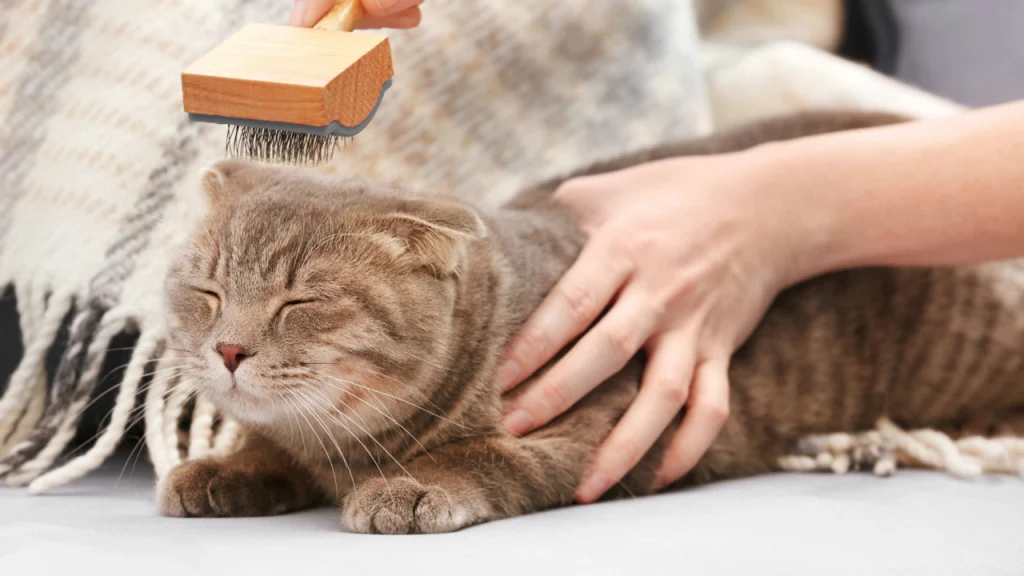
Grooming your cat at home might seem tricky, but it’s easier than you think. When you take time to care for your cat’s coat, nails, and overall hygiene, you help them stay healthy and happy.
Plus, regular grooming strengthens the bond between you and your furry friend. In this guide, you’ll discover simple, effective steps to make grooming a stress-free experience for both you and your cat. Ready to learn how to keep your cat looking and feeling their best?
Let’s dive in!
Choosing The Right Tools
Picking the right grooming tools sets the stage for a smooth experience with your cat. The right equipment not only makes grooming easier but also keeps your cat comfortable and cooperative. Think about your cat’s coat type, temperament, and any special needs before making your choices.
Brushes And Combs
Different brushes serve different purposes. A slicker brush works wonders for removing loose fur and preventing mats in long-haired cats. If your cat has short hair, a bristle brush or rubber grooming mitt can help remove dirt and stimulate the skin.
Combs come in handy for detangling and checking for fleas. Choose one with both wide and narrow teeth to handle various fur textures. Have you noticed your cat’s fur getting tangled? Regular brushing with the right comb can reduce shedding and hairballs.
Nail Clippers
Keeping your cat’s nails trimmed is crucial to prevent scratches and damage to your furniture. Use nail clippers designed specifically for cats—they are smaller and more precise than human clippers. Guillotine-style clippers are great for beginners, while scissor-style ones offer more control for experienced groomers.
Don’t rush the process. Trim a little at a time to avoid cutting into the quick, which can cause pain and bleeding. If you’re nervous, you can always ask your vet or groomer to show you the proper technique.
Shampoos And Wipes
Bathing a cat can be tricky, so choose shampoos formulated specifically for felines. Look for gentle, hypoallergenic options that won’t irritate your cat’s skin. Avoid human shampoos as they can disrupt your cat’s natural skin oils.
When a full bath isn’t possible, cat grooming wipes are a handy alternative. They clean dirt and odors while keeping your cat calm. Have you tried wipes to freshen up your cat between baths? They can save you time and reduce stress for both of you.
Preparing Your Cat
Preparing your cat for grooming sets the stage for a smooth and stress-free experience. Cats are sensitive creatures who notice changes in their environment and routine. Taking time to prepare them can make all the difference between a peaceful session and a battle.
Creating A Calm Environment
Choose a quiet spot free from loud noises and distractions. Turn off any TVs or radios to minimize sudden sounds that could startle your cat.
Soft lighting helps too; harsh lights might make your cat uneasy. If possible, groom your cat in the same place each time so they associate it with a calm routine.
Have all your grooming tools ready and within reach. That way, you won’t have to leave your cat alone mid-session, which can cause anxiety.
Getting Your Cat Comfortable
Before you start grooming, spend a few minutes petting and talking softly to your cat. This helps build trust and relaxes them.
Try gently touching their paws, ears, and tail during these moments to get them used to being handled. If your cat pulls away, don’t force it. Instead, reward them with a treat and try again later.
Ask yourself: What makes your cat feel safe? Some cats prefer sitting on your lap, while others like a soft towel beneath them. Adjust your approach based on your cat’s preferences to keep them comfortable throughout grooming.
Brushing Techniques
Brushing your cat is a key part of grooming. It keeps their coat healthy and shiny. Using the right brushing techniques makes the process easier. It also helps your cat stay calm and enjoy the grooming time. Understanding different fur types and how to remove tangles helps you brush effectively.
Dealing With Different Fur Types
Cats have different fur types: short, medium, and long. Each needs a special brushing approach. Short fur needs a soft brush to remove loose hairs gently. Medium fur benefits from a bristle brush to reach the undercoat. Long fur needs a wide-toothed comb to prevent tangles and mats.
Brush in the direction of hair growth. Use slow, gentle strokes. Watch your cat’s reaction to avoid stress. Brushing often reduces hairballs and shedding. It also improves blood flow and skin health.
Removing Tangles And Mats
Tangles and mats cause discomfort and skin problems. Start by holding the mat close to the skin. This reduces pulling and pain during brushing. Use a dematting comb or your fingers to gently loosen mats. Work on small sections at a time.
For tough mats, cut them carefully with blunt-edged scissors. Never pull hard or force the brush through. Patience is key. Regular brushing helps prevent mats from forming. Keep treats handy to reward your cat for staying calm.
Bathing Your Cat
Bathing your cat can feel like a challenge, but it’s an important part of grooming that keeps your feline friend healthy and comfortable. While cats generally groom themselves, occasional baths help remove dirt, reduce shedding, and address skin issues. Knowing how and when to bathe your cat makes the experience less stressful for both of you.
When To Bathe
Not all cats need regular baths. You should consider bathing your cat if they get into something sticky, smelly, or harmful that they can’t clean off themselves. Cats with long fur or certain skin conditions may also benefit from occasional baths.
Watch for signs like excessive dirt, oily fur, or dandruff. If your cat has fleas, a medicated bath might be necessary. But if your cat grooms well, bathing too often can dry out their skin.
Step-by-step Bathing Guide
- Gather everything you need: cat shampoo, a towel, a cup for rinsing, and a non-slip mat.
- Fill the sink or tub with a few inches of lukewarm water—cats don’t like deep water.
- Gently place your cat in the water and speak softly to keep them calm.
- Use a cup or your hand to wet their fur carefully, avoiding the face and ears.
- Apply a small amount of cat-specific shampoo and lather gently.
- Rinse thoroughly to remove all shampoo, which helps avoid irritation.
- Wipe their face with a damp cloth instead of pouring water directly.
Patience is key. If your cat resists, try breaking the bath into short sessions. I once found that singing to my cat during the bath helped distract and soothe him.
Drying Tips
After the bath, wrap your cat in a warm towel and gently rub to remove excess water. Avoid using a hairdryer unless your cat tolerates it, as the noise can cause stress.
Keep your cat in a warm room until fully dry. Brushing while drying helps prevent mats and speeds up the process.
Have you noticed how your cat reacts to different drying methods? Finding what works best can turn bath time into a less dreaded routine.
Trimming Nails Safely
Trimming your cat’s nails can feel tricky, but it’s essential for their comfort and your furniture’s safety. Doing it safely requires understanding a few key points to avoid hurting your furry friend. Let’s look at how to trim nails safely and confidently at home.
Identifying The Quick
The quick is the pink area inside your cat’s nail that contains nerves and blood vessels. Cutting into this part causes pain and bleeding, so spotting it is crucial.
For cats with light-colored nails, the quick is easy to see as a pink line inside the nail. Dark nails can be more challenging; try shining a flashlight through the nail to spot the quick or look for a darker, less transparent section.
Have you noticed your cat flinches when you touch a specific part of their nail? This might be the quick, signaling you to stop cutting before that point.
Proper Clipping Method
Use sharp, cat-specific nail clippers to avoid splintering. Hold your cat gently but firmly, and trim only the sharp tip of each nail, staying well clear of the quick.
Cut nails at a slight angle, following their natural curve. If your cat resists, pause and try again later—stress can make the process harder for both of you.
Keep styptic powder or cornstarch handy to stop bleeding in case you accidentally cut the quick. Remember, small, frequent trims work better than trying to cut too much at once.

Credit: www.latimes.com
Cleaning Ears And Eyes
Cleaning your cat’s ears and eyes is a key part of grooming. Dirt and wax can build up and cause discomfort. Gentle care keeps your cat healthy and happy. Regular checks help spot problems early. Use soft materials and mild cleaners made for cats.
Safe Cleaning Practices
Use a damp cotton ball or soft cloth. Avoid cotton swabs; they can hurt your cat’s ear. Clean only the outer ear area. For eyes, wipe away discharge with a clean, damp cloth. Always use separate cloths for each eye to avoid infection. Never use harsh chemicals or alcohol. Be calm and gentle to keep your cat relaxed.
Signs Of Infection
- Redness or swelling around ears or eyes
- Strong odor from ears
- Yellow or green discharge
- Excessive scratching or rubbing
- Squinting or pawing at eyes
- Head shaking or tilting
Notice these signs early. Visit a vet for proper treatment. Do not try to clean infected areas yourself.
Maintaining Regular Grooming
Maintaining regular grooming for your cat is essential to keep their coat healthy and shiny. It also helps you catch any skin issues early and strengthens the bond between you and your pet. Consistency makes grooming less stressful for both of you and turns it into a positive routine.
Establishing A Routine
Pick a specific time each day or week for grooming sessions. Cats respond well to predictability, so consistent timing helps them feel more comfortable.
Start with short sessions and gradually increase the time as your cat gets used to it. Always have treats ready to reward good behavior and create a positive experience.
Ask yourself: Could your cat’s grooming routine fit seamlessly into your daily schedule? Finding a natural moment, like after playtime, can make it easier to stick with.
Monitoring Your Cat’s Coat Health
Regular grooming lets you spot issues like mats, dry skin, or parasites early. Check your cat’s fur for unusual lumps, bald spots, or excessive shedding during each session.
Pay attention to changes in texture or color. A dull coat might mean your cat needs a diet adjustment or a vet check.
Keep a simple grooming journal noting any concerns or improvements. This helps you track your cat’s coat health over time and share useful information with your vet if needed.

Credit: justcatsclinic.com
Handling Difficult Cats
Handling difficult cats during grooming can be challenging. Some cats resist brushing or nail trimming. They may hiss, scratch, or try to escape. Patience and gentle care help make grooming less stressful. Understanding your cat’s behavior is key to success.
Techniques To Reduce Stress
Keep the environment calm and quiet. Use soft voices and slow movements. Offer treats before, during, and after grooming sessions. Short sessions work better than long ones. Try to groom your cat in the same place each time. Use a towel to gently hold your cat if needed. Let your cat sniff and explore grooming tools first. A gentle brush or comb suits sensitive skin. Stop if your cat shows signs of fear or pain.
When To Seek Professional Help
Some cats stay very anxious or aggressive during grooming. Professional groomers have experience with difficult cats. Vets can help if grooming causes skin problems. Seek help if your cat bites or scratches hard. Professionals use safe methods to keep cats calm. They can trim nails or clean ears without stress. Regular grooming by experts keeps cats healthy and happy.

Credit: www.latimes.com
Frequently Asked Questions
How Often Should I Groom My Cat At Home?
Groom your cat once or twice a week to maintain a healthy coat. Long-haired cats may need daily grooming to prevent mats. Regular grooming reduces shedding and hairballs, keeping your cat comfortable and clean.
What Tools Do I Need For Home Cat Grooming?
Use a soft-bristle brush, flea comb, nail clippers, and grooming wipes. Choose tools based on your cat’s fur type for effective grooming. Having the right tools makes grooming easier and more enjoyable for your cat.
How Do I Safely Trim My Cat’s Nails?
Trim your cat’s nails every two to three weeks using sharp clippers. Avoid cutting into the quick, which causes pain and bleeding. If unsure, seek advice from a vet or professional groomer.
Can Grooming Reduce My Cat’s Hairballs?
Yes, regular grooming removes loose fur that cats ingest when self-grooming. This reduces hairballs and digestive discomfort. Brushing your cat daily helps keep their coat healthy and minimizes hairball formation.
Conclusion
Grooming your cat at home keeps them healthy and happy. Regular brushing removes loose fur and prevents mats. It also helps you check for skin problems or fleas. Use gentle strokes and be patient to build trust. A calm space makes grooming easier for both of you.
Small, steady sessions work better than long ones. With time, grooming becomes part of your routine. Your cat will enjoy the extra care and attention. Keep tools clean and safe for the best results. Start today and see the difference in your cat’s coat.
